
There is no single “best” toddler formula among Promil, Nido, and Enfagrow for children aged 1 to 3. The ideal choice depends entirely on your toddler’s specific nutritional gaps, digestive tolerance, taste preferences, and your family’s household budget. As toddlers transition from breast milk or infant formula to solid foods, milk becomes a supplementary source of nutrition rather than the primary one. Parents must look closely at the nutrition facts panel, ingredient lists, and cost per serving to make an informed decision that aligns with their child’s daily diet.
Baseline Nutritional Needs and Direct Comparison Scope
Between the ages of 1 and 3, toddlers undergo rapid physical growth and cognitive development. This stage is also notorious for picky eating, which can lead to nutritional gaps. Toddler formulas, often labeled as stage 3 or growing-up milks, are designed to bridge these gaps by providing essential vitamins and minerals that might be missing from a child’s daily meals.
When evaluating any toddler formula, there is no universal winner. The right choice depends on verifiable label matches for the individual toddler. Standard pediatric guidelines suggest that parents should focus on key nutrients when comparing labels. These include iron, which is crucial for cognitive development and preventing anemia; calcium and vitamin D, which are essential for building strong bones and teeth; and essential fatty acids like DHA and ARA, which support brain and eye development.
Products mentioned in this guide
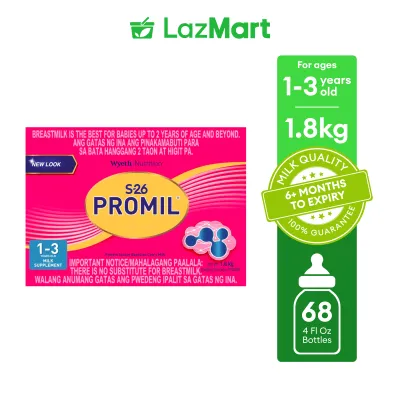
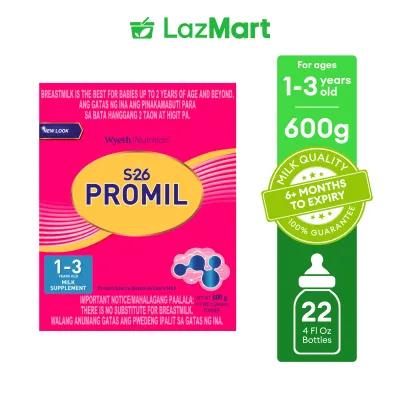
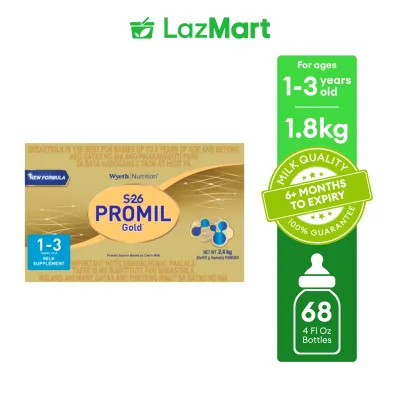
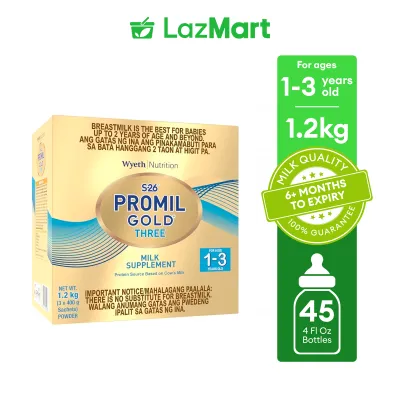
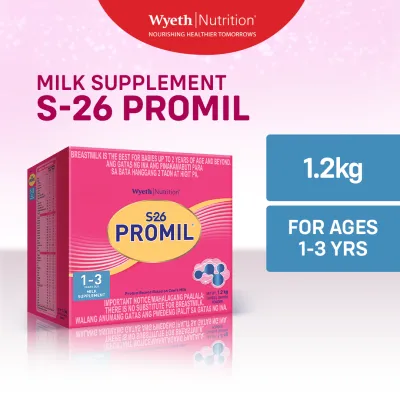
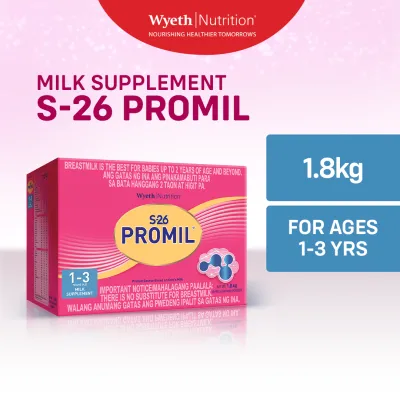
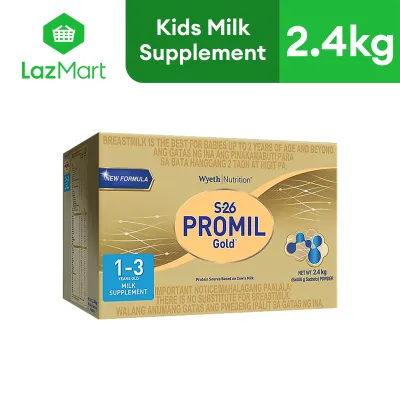
Prices are valid at publication and may change. Please refer to the product page for the latest price.
During this transition phase, milk should complement a diet of solid foods, not replace it. A toddler’s daily nutritional requirements should ideally come from a variety of food groups, including grains, proteins, fruits, and vegetables. Formula serves as a safety net, ensuring that even on days when your toddler refuses their meals, they still receive a baseline level of essential micronutrients.
Comparing Promil, Nido, and Enfagrow Across Key Dimensions
To choose between Promil, Nido, and Enfagrow, parents need a systematic way to evaluate them. Instead of relying on general brand popularity or marketing slogans, we can break down the comparison into three practical dimensions: nutritional fortification, digestive tolerance, and toddler acceptance.

Reading the Nutrition Label: Fortification and Ingredients
When holding a container of Promil 1-3, Nido, or Enfagrow, the first step is to look at the nutrition information panel. Do not just look at the list of ingredients; compare the actual amounts per serving or per 100 grams. Check the exact milligrams of DHA and ARA, which are often highlighted for brain development, to see which brand offers the concentration that aligns with your goals.
Next, examine the carbohydrate section of the ingredient list. Look for terms like sucrose, corn syrup solids, maltodextrin, or lactose. Some formulas use lactose as the primary carbohydrate source, mimicking breast milk, while others may include added sugars or flavorings to appeal to picky eaters. Be aware that added sugars can influence a child’s preference for sweet tastes and impact dental health.
Additionally, check for dietary fibers or prebiotics, such as oligofructose, inulin, or GOS/FOS blends, and probiotics like active cultures. Finally, compare the serving sizes and the recommended number of scoops. One brand might require four scoops per 200ml of water, while another requires five. This difference changes the actual nutrient delivery per glass and affects how quickly you will empty the container.
Digestibility, Tolerance, and Allergy Checks
A formula can be highly fortified, but it is of no use if your toddler’s digestive system cannot tolerate it. When transitioning to a new brand, monitor your child closely for the first two weeks. Look for common signs of formula intolerance, such as excessive bloating, frequent spit-ups, hard stools, watery diarrhea, or unusual fussiness after feeding.
If your toddler has a known sensitivity, check the protein source on the label. Standard toddler formulas are based on intact cow’s milk protein. If your child has a diagnosed cow’s milk protein allergy or severe lactose intolerance, standard versions of these three brands will not be suitable. In such cases, you must consult your pediatrician for specialized, hypoallergenic, or lactose-free alternatives.
Never attempt to manage suspected milk allergies or severe digestive issues without professional medical guidance. If you observe severe allergic reactions, such as hives, swelling, or breathing difficulties, stop using the formula immediately and seek emergency medical care.
Taste Profiles and Toddler Acceptance
Toddlers are notoriously opinionated about what they consume, and the taste profile of the milk plays a massive role in daily acceptance. Some brands offer a distinct creamy, milky flavor, while others might have a sweeter profile or a subtle vanilla scent. If a toddler is used to a specific taste, switching abruptly can lead to refusal.
To avoid wasting money on a large tin that your child might reject, always start by purchasing the smallest available box, pouch, or single-use sachet. This allows you to test the milk’s taste and mixability without a significant financial commitment.
Mixability is another practical factor. In humid tropical climates, milk powder can absorb moisture quickly once opened. Always store the powder in a cool, dry place in an airtight container. When preparing the bottle or cup, follow the manufacturer’s exact instructions regarding water temperature and powder-to-water ratios. Using water that is too hot can clump the powder and destroy heat-sensitive nutrients, while incorrect ratios can lead to undernutrition or digestive strain.
Calculating True Cost and Value per Serving
Feeding a toddler is a long-term financial commitment, and milk often makes up a significant portion of the monthly grocery budget. To compare Promil, Nido, and Enfagrow fairly, do not just look at the retail price of the box. Instead, calculate the cost per serving.
Use this simple formula to determine the actual cost: Cost per Serving = Total Price of the Container (₱) / Total Number of Servings in the Container
To find the total number of servings, check the nutrition facts panel, which explicitly states the “Servings Per Container” based on the recommended scoop-to-water ratio. For example, if a box costs ₱800 and provides 25 servings, the cost per serving is ₱32. Compare this to another brand or packaging size to see which offers better value.
Generally, buying larger sizes or choosing refill pouches instead of metal tin cans offers a lower cost per gram. Many brands sell refill pouches designed to be transferred into clean, dry, airtight tins you already own. This is a highly practical way to save money over time, especially when buying from local supermarkets or online marketplaces.
Remember that a higher price tag does not automatically mean a formula is superior or more premium for your specific child. A mid-priced formula that matches your child’s nutritional needs and is well-tolerated is far more valuable than an expensive option that causes digestive upset or exceeds your budget.
Decision Framework: Which Formula Fits Your Toddler?
To help you make the final choice, use this practical decision framework based on your toddler’s needs and your household priorities:
- Choose Promil if: Its verified label profile aligns with your specific goals for targeted micronutrient fortification, such as specific vitamins or minerals, and your toddler readily accepts its taste profile.
- Choose Nido if: Its ingredient list and general nutritional profile match your toddler's daily dietary gaps, while offering a highly cost-effective price per serving that fits comfortably within your family's monthly budget.
- Choose Enfagrow if: Its labeled levels of specific brain-support nutrients (like DHA) and prebiotic blends align with your pediatrician's recommendations for your child's developmental stage.
- Verify first if: Your toddler has a history of milk protein allergies, lactose intolerance, or sensitive digestion. Standard versions of Promil, Nido, and Enfagrow are cow's milk-based and may not be suitable. Always consult your pediatrician first to see if a specialized medical or hypoallergenic formula is required.
Frequently Asked Questions (FAQ)
Can I mix different brands of toddler formula in one bottle?
No, mixing different brands of toddler formula in the same bottle or cup is generally discouraged. Each brand has a unique scoop size, powder density, and specific water-to-powder ratio designed to deliver a precise concentration of nutrients. Mixing them can result in a drink that is either too concentrated, which strains the kidneys and digestive system, or too diluted, which deprives your child of nutrients. If you are transitioning from one brand to another, do it gradually by replacing one full feeding session with the new brand each day, rather than mixing the powders together in a single serving.
When should I transition my toddler from formula to fresh milk?
Most pediatric guidelines suggest that healthy toddlers can begin transitioning to whole fresh cow’s milk or pasteurized milk around 12 months of age, provided they are eating a diverse and balanced solid-food diet. Toddler formulas are primarily useful if your child is a picky eater or has specific nutritional gaps that solid foods do not yet cover. Before dropping formula entirely, ensure your toddler is successfully consuming iron-rich foods, fruits, vegetables, and healthy fats. Always consult your pediatrician to determine the best weaning timeline and milk source for your child’s unique growth curve.
What signs indicate my toddler is not tolerating a formula well?
If your toddler is not tolerating a formula, you will likely observe physical symptoms. Watch out for persistent watery diarrhea, chronic constipation, vomiting, skin rashes or hives, excessive gas, or extreme fussiness during or immediately after feeding. If you notice blood or mucus in their stool, severe vomiting, rapid weight loss, or signs of an allergic reaction like swelling around the face or difficulty breathing, stop using the formula immediately and seek urgent medical attention from a healthcare professional.

Community discussion
Share your experience or ask a question. Comments are reviewed before publication.