
Quick Answer: Is There a Universal "Best" Toddler Formula?
Choosing a toddler formula can feel overwhelming with so many options on supermarket shelves. When comparing Promil Four, Nido, NAN, and Enfagrow, there is no single brand that is universally superior for every child. Each of these options is formulated with different nutritional priorities, taste profiles, and age-specific designs to cater to diverse developmental needs.
The ideal formula for your toddler depends entirely on their individual growth requirements, digestive tolerance, and taste preferences. What works exceptionally well for one child might cause mild digestive discomfort or be rejected by another. Because every child’s nutritional journey is unique, consulting your pediatrician is the most critical step before making a final decision or switching brands.
Understanding the Contenders: Brand Positioning and Label Verification
To make an informed choice, it is helpful to understand how manufacturers position these brands in the market. However, because formulations and packaging change frequently, you must always verify the current physical label or the official manufacturer website before purchasing.
Products mentioned in this guide
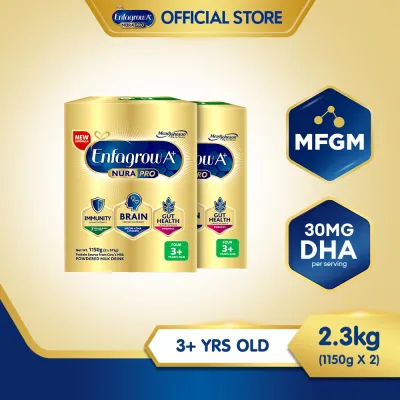

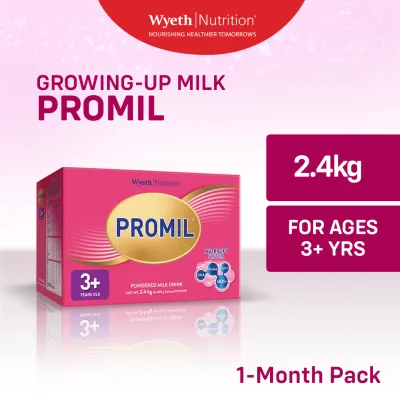

Prices are valid at publication and may change. Please refer to the product page for the latest price.

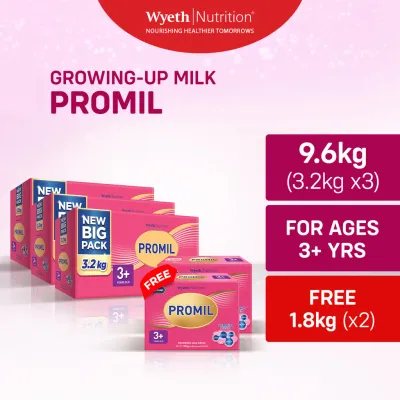
Promil Four is generally positioned for preschoolers, typically targeting children aged three years and older. The brand frequently highlights nutrients associated with cognitive development and eye health, such as DHA, lutein, and choline. When examining the packaging, verify the exact stage and age range to ensure it aligns with your child’s current development.
Nido is widely recognized for its fortified milk powder options, such as Nido 3+ or Nido 5+. It is often chosen by families looking for a reliable, everyday milk powder that supports overall growth and immune health. When browsing, check whether the specific variant is classified as a growing-up milk or a standard fortified milk powder, and confirm the target age bracket on the label.
NAN is often formulated with a strong focus on digestive comfort and immunity support. Many variants in this line feature specific protein blends or active probiotic cultures designed to be gentle on developing digestive systems. Always inspect the label to verify the specific toddler stage and the exact probiotic or protein claims associated with that variant.
Enfagrow typically emphasizes brain development and immune system support, often highlighting its proprietary nutrient blends. It is designed to support toddlers through rapid stages of physical and cognitive growth. Before purchasing, confirm the exact age bracket, formulation type, and specific nutrient highlights printed on the packaging.
Key Dimensions for Comparing Toddler Formulas
When standing in the milk aisle or browsing authorized online stores, comparing formulas systematically can help you cut through the marketing claims. Focus on these four essential dimensions to evaluate your options.
Nutritional Profile
Instead of relying solely on front-of-pack marketing, turn the container around to examine the Nutrition Information Panel. Compare the levels of macronutrients—proteins, fats, and carbohydrates—alongside essential micronutrients like iron, calcium, zinc, and vitamin D. Look for specific functional ingredients such as DHA, ARA, prebiotics, and probiotics, and note their quantities per serving to understand what your child is actually consuming.
Digestibility and Tolerance
A toddler’s digestive system is still maturing, making tolerance a primary consideration. Pay close attention to the types of carbohydrates used, such as lactose or alternative sweeteners, and the presence of added dietary fibers like prebiotics (FOS and GOS) which support gut health. If your child has a sensitive stomach, look for labels indicating easy-to-digest proteins, but always discuss these options with your doctor first.
Taste and Mixability
A formula is only beneficial if your toddler is willing to drink it. Some formulas have a sweeter taste profile, while others may taste more neutral or have a slight metallic note due to high iron content. Additionally, consider how easily the powder dissolves in water; some require vigorous shaking, while others mix smoothly in lukewarm water. To avoid waste, purchase the smallest available pack size first to test your child’s acceptance and observe the powder’s mixability.
Price and Accessibility
Budget and convenience play a significant role in long-term feeding plans. Calculate the cost per serving by dividing the retail price in ₱ by the estimated number of servings in the pack, rather than comparing the shelf price of different package sizes. Furthermore, ensure the brand you choose is consistently stocked in your local supermarkets or official brand stores, as sudden supply shortages can make unexpected formula transitions highly stressful.
Decision Framework: Matching the Formula to Your Toddler
Selecting the right formula involves matching a product’s specific characteristics with your child’s observable traits and your family’s practical needs. Use this conditional framework to help narrow down your choices.
Consider Promil Four if your child is within the specific preschool age range indicated on the packaging, enjoys its specific taste, and your pediatrician confirms that its nutrient breakdown aligns with your child’s growth curve. This option is often suitable for parents prioritizing cognitive and visual development support during early learning years.
Consider Nido if you are searching for a fortified milk powder option that fits comfortably within your family’s monthly budget. It is a practical choice if your toddler tolerates standard milk proteins well, has no history of digestive sensitivities, and enjoys a classic, creamy milk flavor.
Consider NAN if your toddler has a history of mild digestive discomfort, such as occasional bloating or hard stools. If the specific NAN variant’s label highlights ingredients aimed at gut comfort and your pediatrician agrees it is appropriate, this option may help support smoother digestion.
Consider Enfagrow if the specific stage matches your child’s exact age and your pediatrician recommends a formula with its specific levels of developmental nutrients. This is often preferred by parents looking for a highly structured nutritional profile tailored to active, growing toddlers.
Verify first with a healthcare professional if your child has diagnosed food allergies, severe lactose intolerance, or other medical conditions. Standard commercial formulas are not designed to manage these issues, and your pediatrician will need to prescribe a specialized medical formula instead.
Transitioning Safely and Monitoring Your Toddler's Response
Once you and your pediatrician have selected a formula, introducing it carefully is essential to minimize digestive upset and monitor your child’s reaction.
Gradual Transition
Avoid switching formulas abruptly overnight, as this can shock your toddler’s digestive system. Instead, implement a gradual transition over several days by slowly replacing one feed a day with the new formula. Alternatively, if approved by your pediatrician, you can mix the old and new powders in a single bottle, gradually increasing the proportion of the new formula over a week.
Positive Signs to Look For
As your child adjusts to the new formula, observe their daily physical responses. Positive indicators that the formula is a good match include normal, soft bowel movements, consistent energy levels, a healthy appetite, and a general willingness to drink the milk without resistance.
Red Flags to Stop and Consult a Doctor
Keep a close eye out for adverse reactions during the transition period. If you observe persistent diarrhea, severe constipation, vomiting, unexplained skin rashes, or extreme fussiness and colic after feeding, stop using the formula immediately. Revert to your child’s previous diet and consult your pediatrician for professional guidance. Never force your child to consume a formula they consistently reject or that causes visible discomfort.
Frequently Asked Questions (FAQ)
Can I mix two different brands of toddler formula together?
Mixing two different commercial formula brands in the same bottle is generally not recommended. Each brand has a unique nutrient concentration, specific scoop size, and precise water-to-powder ratio designed by the manufacturer. Combining them arbitrarily can alter the nutritional balance, potentially leading to dehydration or digestive strain. If you need to transition between brands, consult your pediatrician for a safe, step-by-step transition plan.
Is it necessary to give my toddler formula if they already eat solid foods?
Toddler formula is designed as a nutritional supplement to fill potential gaps, not as a complete meal replacement. By the toddler years, a varied diet of solid foods should be your child’s primary source of nutrition. If your child is a picky eater or has specific nutrient gaps identified by a healthcare provider, formula can serve as a helpful safeguard. However, if your child eats a well-balanced diet, standard cow’s milk or water may be sufficient, depending on your pediatrician’s advice.
How long can I keep prepared toddler formula at room temperature?
As a general food safety rule, prepared toddler formula should be discarded if left at room temperature for more than one to two hours. In warm and humid tropical climates, bacteria can multiply rapidly in prepared milk, increasing the risk of foodborne illness. Always check the specific brand’s label for their exact safety limits and storage instructions, and never save leftover milk from a partially consumed bottle for a later feed.

Community discussion
Share your experience or ask a question. Comments are reviewed before publication.