
Choosing the right milk for a toddler between one and three years of age is a significant decision for parents in the Philippines. During this rapid stage of physical and cognitive development, children transition from a primary milk diet to solid foods, making nutritional consistency essential. Many parents find themselves comparing household names like Nido, NAN, and Enfagrow, alongside other popular options like promil 1 to 3 years old, to find the perfect match for their growing child.
There is no single “best” toddler formula that fits every child universally. The ideal choice depends entirely on your toddler’s unique digestive tolerance, daily nutritional gaps, taste preferences, and overall growth trajectory. While one toddler may thrive on a formula focused on brain development, another may require a blend that eases digestion or supports general physical growth.
Before making any changes to your child’s diet, it is vital to consult a pediatrician. A healthcare professional can assess your child’s specific physical development, identify any nutritional deficiencies, and rule out potential allergies or underlying health conditions that would require specialized formulas.
Products mentioned in this guide
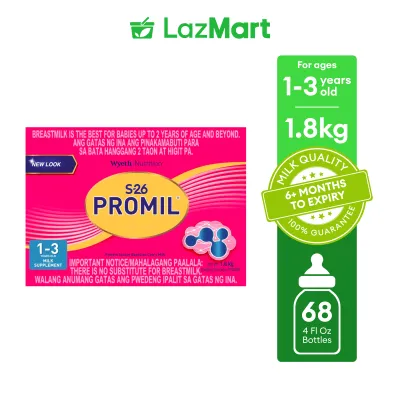
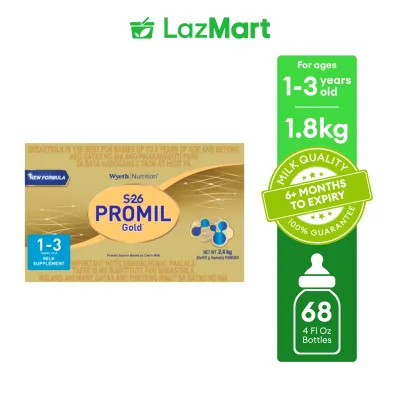
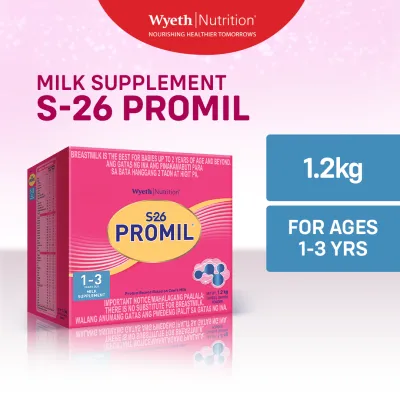
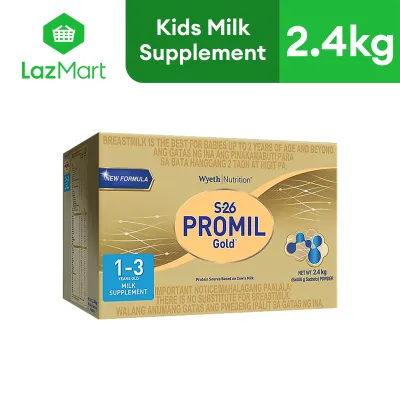
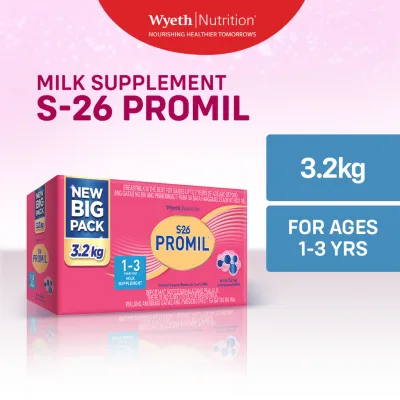

Prices are valid at publication and may change. Please refer to the product page for the latest price.
Quick Answer: Which Formula Fits Your Toddler Best?
To simplify your decision, it helps to understand how these three major brands position their products for the 1-3 age bracket. Each brand targets a specific developmental priority, allowing parents to align their purchase with their child’s immediate needs.
Nido is widely recognized for its focus on general physical growth, bone development, and basic immunity support. It is designed as an accessible, everyday option for healthy toddlers who do not have complex digestive issues or specific dietary restrictions.
NAN is formulated with a strong emphasis on digestive health and gut support. It typically incorporates specific probiotic cultures and prebiotic fibers aimed at promoting a healthy gut microbiome, which can be highly beneficial for toddlers prone to constipation or minor digestive discomfort.
Enfagrow centers its formulation on cognitive development and brain health. It is heavily marketed for its levels of Docosahexaenoic Acid (DHA) and other brain-supporting nutrients, making it a common choice for parents prioritizing early learning and cognitive milestones.
While these broad categories help narrow down the options, they should only serve as a starting point. Your pediatrician can help you interpret your child’s growth charts and determine which nutritional focus is most appropriate for their current stage of development.
Decoding the Labels: Nutritional Focus of Each Brand
Marketing terms on the front of a tin can be persuasive, but the true value of any toddler formula lies in its nutrition facts panel and ingredient list. Formulations, ingredient sources, and fortification levels change frequently due to updated research and manufacturing standards.

Rather than relying solely on brand slogans, parents must learn to read and verify the specific components listed on the physical packaging. This practice ensures you know exactly what your toddler is consuming and allows you to make objective, side-by-side comparisons.
As toddlers transition to solid foods, their nutritional requirements shift. They need a balanced intake of macronutrients (proteins, fats, and carbohydrates) and micronutrients (vitamins and minerals) to support rapid bone growth, brain development, and immune system maturation. Reading the label carefully helps you identify whether a formula provides these essential elements in the correct proportions.
Nido: Focus on Overall Growth and Immunity
Nido formulations for toddlers aged 1-3 years generally focus on providing a balanced mix of essential vitamins and minerals that support daily physical activity and immune defense. Key nutrients typically highlighted include Vitamin A, Vitamin C, Vitamin D, Iron, Zinc, and Calcium, which are vital for bone density and immune function.
Calcium and Vitamin D are particularly crucial during this stage, as toddlers experience rapid skeletal growth. Vitamin D acts as a key facilitator, helping the body absorb Calcium efficiently from both milk and solid foods. When reviewing the label, check the ratio of these two nutrients to ensure they are well-balanced.
When examining a Nido label, parents should verify the specific milk base used. Some products in the range are specialized toddler formulas, while others are fortified powdered milk drinks. Understanding this distinction is crucial, as specialized formulas often contain different fat and carbohydrate structures compared to standard fortified milk.
Additionally, check the daily value percentages for key minerals per serving. Ensure that the levels of Iron and Zinc align with your pediatrician’s recommendations, especially if your toddler is a picky eater who may not get enough of these minerals from solid foods. Zinc and Vitamin C work together to support the immune system, helping protect your child from common childhood illnesses.
NAN: Focus on Digestive Health and Gut Microbiome
NAN toddler formulas are designed to address the common digestive challenges that children face as they transition to solid foods. The brand frequently emphasizes gut comfort, utilizing specific probiotic strains and prebiotic fibers to support the digestive tract.
A healthy gut microbiome is essential not just for digestion, but also for overall immune health and well-being. The gut-brain axis highlights how digestive comfort can directly impact a toddler’s mood, sleep quality, and daily energy levels. A child who is free from digestive discomfort is generally more active and receptive to learning.
When reviewing the ingredient list on a NAN tin, look for the specific scientific names of the probiotic strains included, such as Bifidobacterium lactis. The presence of these active cultures is intended to maintain a balanced gut flora, which can help soften stools and ease occasional bloating.
It is important to verify the colony-forming units (CFUs) or active culture counts listed on the panel. Parents should discuss these specific probiotic strains with their pediatrician to ensure they are suitable for their child’s digestive profile, particularly if the toddler has a history of sensitive stomach issues. Additionally, check for prebiotic fibers like GOS (Galacto-oligosaccharides) and FOS (Fructo-oligosaccharides), which serve as food for these beneficial gut bacteria.
Enfagrow: Focus on Brain Development and Cognitive Support
Enfagrow positions its toddler products around cognitive development, highlighting nutrients that play a role in brain structure and function. The brand’s marketing heavily features DHA, an omega-3 fatty acid, alongside ARA (arachidonic acid), choline, and iron.
DHA is a primary structural component of the brain and retina. Because the human body cannot produce DHA efficiently on its own, toddlers must obtain it through their diet. During the first three years of life, the brain grows at an astonishing rate, making dietary sources of these essential fatty acids highly valuable.
Instead of relying on front-of-pack declarations, parents should turn the tin over to check the exact milligrams of DHA per serving. Comparing this number against established pediatric dietary guidelines helps verify if the formula provides a meaningful contribution to your child’s daily intake.
Keep in mind that while cognitive-supporting nutrients are beneficial, they work in tandem with a child’s overall diet and environmental stimulation. Choline and Iron are also critical, as they support neurotransmitter function and oxygen delivery to the brain. Verify the entire nutritional profile, including the protein-to-fat ratio, to ensure the formula supports your child’s complete physical needs alongside their cognitive development.
Taste, Mixability, and Getting Your Toddler to Drink It
Even the most nutritionally advanced formula is of no use if your toddler refuses to drink it. Taste and texture play a massive role in whether a child accepts a new milk, and these factors can vary significantly between brands.
Toddler milks are available in various flavors, including plain, vanilla, and honey, and some are naturally sweeter than others. Parents should carefully inspect the ingredient list for added sugars, such as sucrose, corn syrup solids, maltodextrin, or fructose. While these ingredients can make the milk highly palatable to a picky toddler, high sugar intake early in life is something many parents and pediatricians prefer to minimize to establish healthy eating habits.
Mixability is another practical consideration, particularly in the warm and humid climate of the Philippines. Some powders clump easily when mixed with lukewarm or cold water, which can clog bottle nipples or sippy cup spouts. Always follow the manufacturer’s precise preparation instructions, which typically specify the correct water temperature and shaking or stirring method to ensure a smooth, uniform mixture.
Proper storage is vital in tropical environments to prevent the powder from absorbing moisture, which leads to clumping and potential nutrient degradation. It is highly recommended to keep the powder in its original foil pouch, seal it tightly with a clip after each use, and store the pouch inside an airtight plastic or metal container. Avoid pouring the powder directly into a plastic container, as this increases exposure to air and humidity.
If you decide to transition your toddler to a new brand, do so gradually to prevent digestive upset and taste rejection. Start by mixing a small portion of the new formula with the old one (for example, a 25% new to 75% old ratio) and slowly increase the proportion of the new formula over a week or two. This gradual adjustment allows your child’s digestive system and taste buds to adapt comfortably.
During this transition period, monitor your child closely for any signs of intolerance. If your toddler experiences vomiting, persistent diarrhea, skin rashes, excessive gas, or severe fussiness, stop using the new formula immediately and consult a qualified healthcare professional. Never force a child to consume a formula that causes visible physical discomfort.
Calculating the Real Cost: Price and Value in the Philippines
For many families in the Philippines, the cost of toddler milk is a substantial monthly expense. To make a financially sustainable choice, parents need to look past the initial price tag of a single tin and calculate the true cost of feeding.
The most accurate way to evaluate value is by determining the cost per serving or cost per day. To do this, check the manufacturer’s feeding guide on the packaging to see how many grams of powder are required per serving. Next, divide the total weight of the package by this amount to find the number of servings per container. Finally, dividing the total retail price of the package by the number of servings will give you the actual cost per glass.
For example, if a 900g tin costs ₱900 and each serving requires 30g of powder, the tin contains exactly 30 servings. This brings the cost per serving to ₱30. If your toddler drinks two glasses a day, your daily cost is ₱60. Comparing different brands using this exact formula allows you to see which product offers the best value for your budget, regardless of varying tin sizes.
Packaging formats play a major role in pricing. Toddler milks in the Philippines are commonly sold in single-serve sachets, 400g boxes, 900g tins, and larger bulk packs ranging from 1.2kg to 1.8kg or more. While bulk packaging almost always offers a lower cost per gram, it requires careful storage. In high-humidity tropical environments, large open containers of milk powder can absorb moisture, leading to clumping, spoilage, or insect infestation if not sealed airtight.
These brands are widely available across the Philippines in major supermarkets like SM Supermarket, Robinsons, and Puregold, as well as leading pharmacies such as Mercury Drug and Watsons. Additionally, official brand stores on e-commerce platforms offer convenient delivery options.
Because promotional pricing, bundle deals, and subscription discounts fluctuate frequently, parents should check current prices directly on these official online flagship stores to find the most up-to-date offers. Buying in bulk during major online sales can yield significant savings, but always verify the expiration dates before purchasing large quantities.
The Final Decision: Which Brand Should You Buy?
Choosing the right toddler formula involves balancing nutritional benefits, digestive compatibility, taste acceptance, and your household budget. Utilizing a conditional decision framework can help you make a logical, confident choice.
Consider choosing Nido if you are looking for a widely accessible, cost-effective, and general growth-focused milk for a healthy toddler. It is an excellent option if your child has no specific digestive sensitivities, eats a relatively balanced solid diet, and prefers a straightforward, classic milk taste. It is also highly suitable for families looking to manage their monthly milk budget without compromising on essential daily vitamins and minerals.
Consider choosing NAN if your toddler experiences occasional digestive discomfort, hard stools, or mild gas, and you want to prioritize gut microbiome support. The inclusion of specific probiotic strains can assist in maintaining comfortable digestion, making it suitable for children transitioning to solid foods who need extra digestive care. This option is ideal if you are willing to invest slightly more for targeted digestive support.
Consider choosing Enfagrow if your primary goal is to support cognitive development with a formula that features a dedicated focus on DHA and brain-building nutrients. This choice is ideal if your toddler readily accepts its flavor profile and your budget comfortably accommodates its premium positioning. It is a popular choice among parents who want to ensure their child’s diet is heavily fortified with cognitive nutrients during these critical early learning years.
However, you must verify first and consult your pediatrician if your child has diagnosed lactose intolerance, a cow’s milk protein allergy (CMPA), or other specific metabolic conditions. Standard toddler formulas from Nido, NAN, or Enfagrow are not suitable for children with these medical needs. In such cases, your doctor will prescribe a specialized hypoallergenic, amino acid-based, or lactose-free formula tailored to your child’s therapeutic requirements.
Furthermore, always verify the age and development stage indicated on the product packaging. Manufacturers design formulas to meet the precise nutritional needs of specific age brackets, and using a product intended for an older or younger age group can lead to nutritional imbalances. Always read and follow the manufacturer’s age guidelines and preparation warnings carefully.
Frequently Asked Questions (FAQ)
How does Promil compare to Nido, NAN, and Enfagrow for 1 to 3 years old?
Promil is another highly prominent toddler milk brand in the Philippines, often recognized for its Promil Gold or Promil Focus product lines. When comparing a product like promil 1 to 3 years old to Nido, NAN, and Enfagrow, it is helpful to look at its balanced approach to both brain and physical development. Promil typically emphasizes nutrients like DHA, lutein, and choline for cognitive support, alongside essential proteins and minerals for physical growth.
To determine how Promil aligns with the other brands, parents should apply the same label-reading strategies outlined in this guide. Compare the exact milligrams of DHA, the types of proteins, and the presence of any added sugars on the ingredient panel. This objective comparison will help you see whether Promil’s specific formulation fits your child’s dietary requirements and digestive tolerance better than Nido, NAN, or Enfagrow.
When should I transition my child from infant formula to toddler milk?
The general pediatric guideline is to begin transitioning a child from infant formula to toddler milk or other dietary options around 12 months (1 year) of age. By this stage, a toddler’s digestive system is typically mature enough to handle a wider variety of nutrients, and they should be getting a significant portion of their daily nutrition from a balanced diet of solid foods.
It is crucial to remember that toddler milk is designed as a nutritional supplement, not a complete replacement for whole foods. If your child has feeding difficulties, growth delays, or specific health concerns, do not make the transition without first consulting your pediatrician, who can provide personalized dietary advice and recommend the safest path forward.
Community discussion
Share your experience or ask a question. Comments are reviewed before publication.