
Choosing the right milk for your three-year-old is a decision that often brings more questions than answers. With major brands like Promil 3 Plus, Nido, NAN, and Enfagrow lining the supermarket shelves in the Philippines, it is easy to feel overwhelmed by competing nutritional claims and marketing promises. The truth is that there is no single, universally superior brand for every toddler. The ideal choice for your child depends heavily on their unique taste preferences, specific dietary gaps, digestive tolerance, and your household budget.
While Promil 3 Plus is widely recognized for its focus on nutrients associated with cognitive development, Nido remains a beloved family staple valued for general growth support and high taste acceptance. On the other hand, NAN is frequently selected by parents seeking gentle digestion for sensitive tummies, and Enfagrow offers a highly comprehensive nutrient blend designed to support overall growth and picky eaters. Before committing to a specific brand, it is crucial to remember that at three years old, formula milk is a dietary supplement. It is designed to support, not replace, a balanced diet of solid foods.
Understanding Your 3-Year-Old's Nutritional Needs
By the time children reach the age of three, their primary source of nutrition must transition from liquid milk to solid family meals. During this developmental stage, toddlers are highly active, rapidly growing, and beginning to establish lifelong eating habits. Toddler milk serves as a practical nutritional safety net, helping to fill the dietary gaps that frequently occur during phase-outs of certain foods or during periods of picky eating.
Products mentioned in this guide


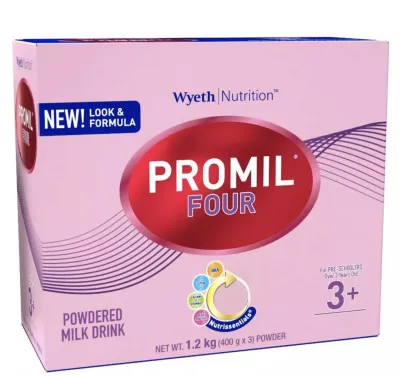
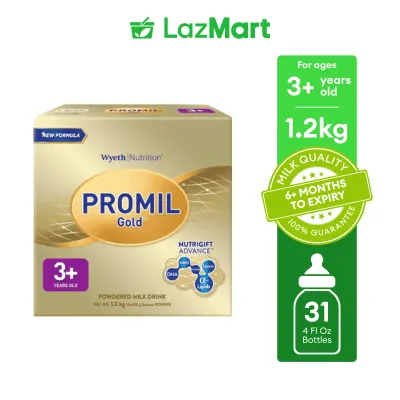
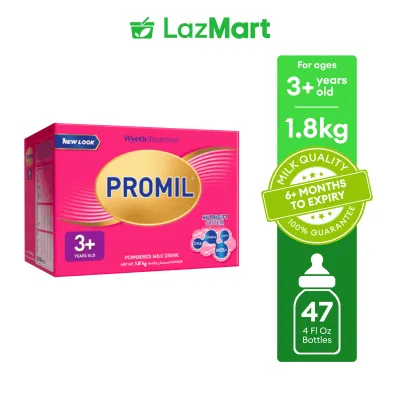
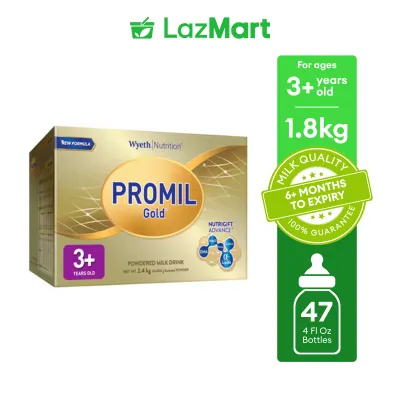
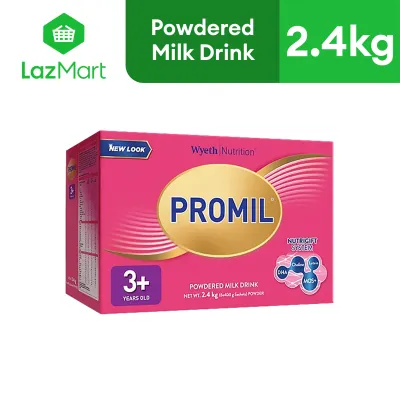
Prices are valid at publication and may change. Please refer to the product page for the latest price.
When evaluating the nutrition label on any toddler milk, parents should pay close attention to several foundational nutrients. Calcium and Vitamin D are critical for supporting bone density and skeletal growth during these highly active years. Iron is essential for healthy cognitive development and oxygen transport in the blood, while Vitamin C is necessary to help the body absorb that iron efficiently. Additionally, Docosahexaenoic Acid (DHA)—an omega-3 fatty acid—supports ongoing brain development, while prebiotics and probiotics help maintain a healthy gut microbiome.
It is equally important to scrutinize the ingredient list for added sugars, which can appear under names like sucrose, corn syrup solids, or maltodextrin. High levels of added sugars can contribute to early childhood tooth decay and condition your child’s palate to prefer excessively sweet foods, potentially worsening picky eating habits over time. Because every child’s physical development and nutritional requirements are unique, always consult a pediatrician before introducing a new formula, especially if your child has known allergies, lactose sensitivity, or specific growth concerns.
Brand-by-Brand Breakdown: Promil 3 Plus, Nido, NAN, and Enfagrow
To make an informed decision, it helps to understand how each of these prominent brands positions itself in the market and what unique characteristics define their formulations. While all of them meet basic food safety and nutritional standards, their specific ingredient priorities, taste profiles, and target benefits differ.

Promil 3 Plus
Promil 3 Plus has built a strong reputation among Filipino parents as a premium option centered on cognitive development and learning support. The formulation typically emphasizes a blend of nutrients often referred to as brain-supportive elements, including DHA, Lutein, Choline, and Phospholipids. These ingredients are included to support the rapid neural development that occurs during early childhood.
Because manufacturers update their formulations periodically to align with the latest pediatric research, you should always check the exact nutrient panel on the packaging at the time of purchase. This ensures you are aware of the precise vitamin levels and any recent modifications to the ingredient blend. In terms of taste, Promil 3 Plus generally offers a distinct, classic milk flavor that is moderately sweet, though individual acceptance will vary depending on what your toddler is accustomed to drinking.
Nido
Nido, particularly the variants formulated for children aged three and older, is a household name in the Philippines. It is highly regarded for its focus on overall physical growth, immune system support, and bone health. The brand frequently highlights its fortification with essential vitamins like A, C, and D, alongside minerals such as Zinc and Selenium, which help support the body’s natural defenses.
One of Nido’s primary advantages is its exceptionally high taste acceptance among Filipino toddlers, who tend to favor its rich, creamy, and slightly sweet flavor profile. It is also highly accessible, offered in a wide range of packaging options including tins, cardboard boxes, and budget-friendly single-use sachets. When purchasing, be sure to inspect the label of the specific variant to evaluate its sugar content and ensure it aligns with your child’s daily nutritional targets.
NAN
NAN is widely recognized as a premium brand that prioritizes digestive health and easy absorption. Its formulations often feature optimized protein blends designed to be gentle on a toddler’s developing digestive tract, along with active probiotic cultures like Bifidobacterium lactis to promote a healthy gut environment.
This digestive focus makes NAN a popular choice for toddlers who suffer from occasional constipation, gas, or mild digestive discomfort. Because of its specialized protein technology and advanced probiotic additions, NAN typically sits at a higher price point than standard growing-up milks. When shopping, parents must carefully verify that they are selecting the specific NAN variant designed for the three-year-old age group, as specialized infant or follow-on formulas have vastly different nutrient balances.
Enfagrow
Enfagrow positions itself as a comprehensive nutritional support system, focusing on a holistic blend of cognitive, immune, and physical growth nutrients. It is particularly well-known for its high DHA content, which is paired with other key nutrients like Iron, Zinc, and prebiotic triple-health guards to support both brain function and immune health.
This brand is highly visible in major retail outlets and offers multiple flavor options, such as vanilla, to help appeal to highly selective or picky eaters who might reject plain milk. Because Enfagrow provides a robust concentration of daily vitamins and minerals, caregivers should compare the label claims against their child’s actual solid-food intake. This comparison helps ensure the child receives adequate support without unnecessary over-supplementation of specific nutrients.
Key Comparison Dimensions for Parents
While understanding the general positioning of each brand is helpful, practical everyday factors often dictate which milk is the most sustainable choice for your household. Comparing these brands across taste, price, and availability can help narrow down your options.
Taste and Toddler Acceptance
The most nutritionally advanced formula in the world will not benefit your child if they refuse to drink it. Toddler taste preferences are highly individual, unpredictable, and can change rapidly as they grow and explore solid foods. The sweetness and flavor profiles of these four brands vary based on their carbohydrate sources and flavorings.
Some brands rely primarily on lactose for sweetness, which closely mimics the natural sugars found in cow’s milk, while others may incorporate maltodextrin or sucrose to enhance flavor and palatability. If your toddler is transitioning from breastmilk or a less-sweet follow-on formula, they may initially reject highly sweetened options or vice versa. To avoid financial waste, it is highly recommended to buy the smallest available box or single-serve sachet first. This allows you to test your toddler’s acceptance before investing in a large, expensive tin.
Price and Value per Serving
Evaluating the cost of toddler milk requires looking beyond the retail price printed on the front of the package. Because package weights, scoop sizes, and water-to-powder ratios differ significantly across brands, comparing the upfront cost of a tin can be highly misleading.
To find the true economic impact on your monthly household budget, calculate the cost per serving. You can do this by dividing the total price of the package by the number of servings it yields, using the manufacturer’s recommended feeding table on the back of the pack. Generally, Nido sits at a highly accessible, budget-friendly price point, making it an attractive option for long-term daily use. Promil 3 Plus and Enfagrow occupy the mid-to-premium segment, while NAN is positioned in the higher-tier premium category due to its specialized digestive formulations. Keep in mind that prices in the Philippines fluctuate based on regional distribution, supermarket promotions, and online grocery sales.
Availability in the Philippines
Maintaining a consistent supply of your chosen toddler milk is essential, as sudden brand changes can disrupt your child’s digestive system and cause taste rejection. Fortunately, all four of these major brands enjoy widespread distribution across the Philippines.
You can easily find them in national supermarket chains, hypermarkets, and major drugstores. However, specialized variants, specific flavor options, or larger economy-sized packaging may occasionally experience localized stockouts, particularly in smaller provincial stores. In these situations, purchasing directly from official brand stores on major ecommerce platforms can serve as a highly reliable backup to ensure you never run out of your toddler’s preferred milk.
Decision Framework: How to Choose the Right Milk
To help you make the final decision, consider how your child’s specific needs and your household priorities align with the unique strengths of each brand:
- Choose Promil 3 Plus if your primary goal is to support cognitive development and learning milestones, your child enjoys its classic milk flavor, and you prefer a brand with a strong focus on brain-supportive nutrients.
- Choose Nido if you are looking for a highly accessible, budget-friendly option with excellent taste acceptance, and your main priority is supporting general physical growth and immune health.
- Choose NAN if your toddler has a sensitive stomach, is prone to mild digestive issues like gas or constipation, and you want a premium formula designed specifically for gentle digestion and gut health.
- Choose Enfagrow if you want a comprehensive, premium nutrient blend with high DHA levels to supplement a picky eater's diet, and your child prefers a variety of flavor options.
- Verify first with a pediatrician if your child has diagnosed food allergies, severe lactose intolerance, or any underlying medical conditions. Specialized therapeutic formulas should only be used under direct medical supervision.
Transitioning and Serving Tips for Toddler Milk
When introducing a new brand of toddler milk, a gradual transition is always best. This slow introduction allows your child’s digestive enzymes to adapt to the new formulation and helps their taste buds get used to the new flavor profile without causing sudden rejection.
A standard transition method involves mixing the old and new milk powders in the same bottle over a period of five to seven days. For example, you can start by replacing one scoop of the old milk with one scoop of the new milk for the first two days, then gradually increase the ratio of the new brand every two days until the transition is complete. During this period, monitor your child closely for any signs of digestive discomfort, changes in stool consistency, or skin rashes.
Always follow the manufacturer’s preparation instructions printed on the packaging. Use only the specific scoop provided in that exact tin, as scoop sizes are not standardized across different brands. Using incorrect water-to-powder ratios—either making the milk too concentrated or too diluted—can place unnecessary strain on your toddler’s developing kidneys and lead to nutritional imbalances.
In the hot and humid tropical climate of the Philippines, proper storage is critical to prevent the powder from clumping, spoiling, or attracting insects. Keep opened tins or pouches in a cool, dry pantry rather than the refrigerator, as the temperature change can introduce moisture and cause clumping. Ensure the lid is sealed tightly after every use, and aim to consume the contents within three to four weeks of opening, or as recommended by the manufacturer.
Frequently Asked Questions (FAQ)
Can I mix two different brands of toddler milk together?
It is generally not recommended to mix different brands of toddler milk in the same serving. Each brand is formulated with a unique concentration of nutrients, specific scoop sizes, and precise reconstitution instructions. Mixing them can make it difficult to measure the water-to-powder ratio accurately, which may result in improper dilution, digestive strain, or nutrient imbalances.
Is toddler milk necessary if my 3-year-old eats a balanced diet?
Toddler milk is not strictly necessary if your three-year-old is growing well and consuming a diverse, nutrient-rich diet of solid foods that includes adequate sources of calcium, iron, and healthy fats. It is designed primarily as a convenient safety net to fill occasional nutritional gaps. If you believe your child’s diet is fully balanced, consult your pediatrician to evaluate whether they require any milk supplementation.

Community discussion
Share your experience or ask a question. Comments are reviewed before publication.