
Choosing between a prenatal maternity belt and a postpartum belly binder comes down to one fundamental factor: your current physical stage. While both garments offer support to your midsection, they serve completely different anatomical purposes and are not interchangeable. Buying the wrong one for your stage can lead to discomfort or even hinder your body’s natural recovery processes.
A prenatal maternity belt is designed specifically for the pregnancy journey, acting as a supportive cradle that lifts your growing baby bump to relieve physical strain on your lower back, hips, and pelvis. Conversely, a postpartum belly binder is engineered for the weeks following childbirth, providing structured, inward abdominal compression to help your stretched core muscles recover and stabilize your torso as your internal organs settle. Understanding your immediate physical needs will ensure you select the appropriate tool to support your body safely and comfortably.
Core Differences: Why These Products Are Not Interchangeable
To appreciate why these garments cannot swap roles, it helps to look at how they interact with your body’s biomechanics. During pregnancy, your center of gravity shifts forward, pulling your spine out of alignment and stretching your abdominal wall. After delivery, the sudden empty space in your abdomen, combined with stretched muscles and loose ligaments, leaves your core feeling unstable. These two distinct phases require entirely opposite forces: one requires upward lifting, while the other requires inward compression.
Products mentioned in this guide
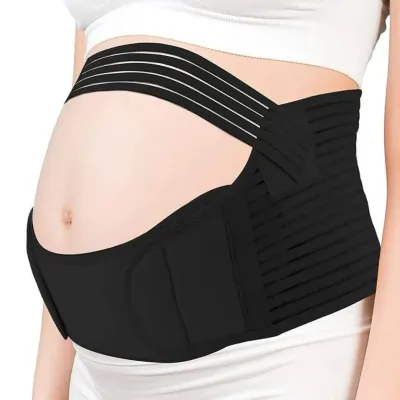
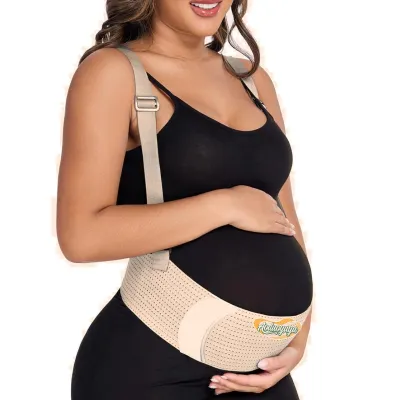
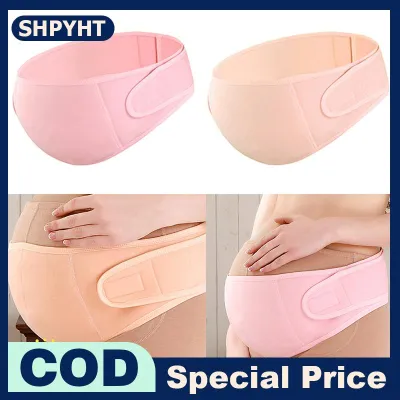
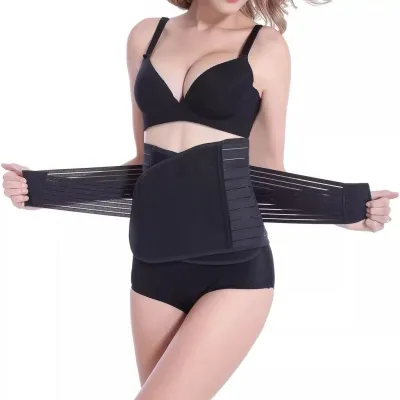
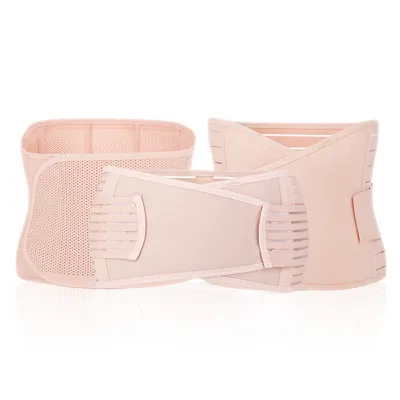
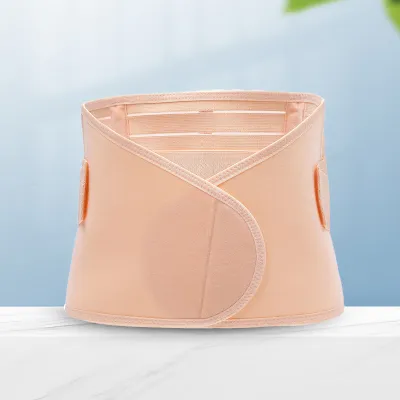
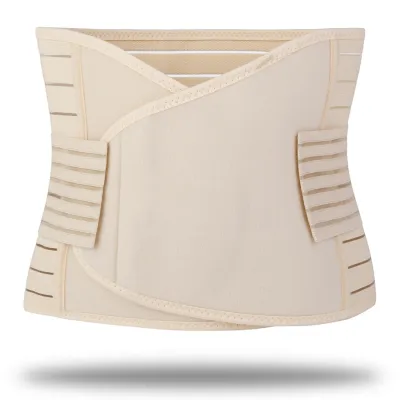
Prices are valid at publication and may change. Please refer to the product page for the latest price.
Prenatal Maternity Belts: Lifting and Relieving Pressure
The primary mechanism of a prenatal maternity belt is to lift and cradle. Rather than squeezing or compressing your abdomen, this garment sits low on your hips, passing underneath your baby bump to gently redistribute the weight of your expanding uterus. By transferring some of this weight to your hips and upper back, the belt relieves the intense downward pressure on your pelvic floor and round ligaments.
Because your baby is actively growing, a prenatal belt must never apply restrictive inward pressure. It is designed to accommodate a changing shape day by day without compressing the uterus, which ensures that fetal movement and blood flow remain entirely unimpeded. This makes it an ideal companion for long walks, household chores, or standing on your feet during your second and third trimesters.
Postpartum Belly Binders: Compression and Core Recovery
In contrast, a postpartum belly binder relies on compression and containment. After childbirth, your abdominal muscles (specifically the rectus abdominis) are severely stretched, and the hormone relaxin keeps your ligaments loose for several months. A postpartum binder wraps around your entire midsection, from just below your bust down to your hips, providing a firm external wall that holds your core together.
This compression serves several practical purposes during early motherhood. It offers crucial structural support when you are lifting your newborn, bending down, or getting out of bed, which are all tasks that can strain a weakened core. For mothers recovering from a Cesarean section, a binder can significantly reduce pain by holding the incision site steady and minimizing the painful friction of moving tissues.
It is vital to clarify a common misconception: postpartum binders are supportive recovery aids, not weight-loss devices. They do not melt belly fat, burn calories, or permanently shrink your stomach on their own. Their true value lies in physical stabilization, helping your body feel secure and aligned as your organs naturally return to their pre-pregnancy positions.
Design and Material Comparison: What to Look For
When shopping for these garments, you will notice immediate differences in their structure, coverage, and materials. Understanding these physical characteristics will prevent you from accidentally purchasing a product that does not suit your current needs.

| Feature | Prenatal Maternity Belt | Postpartum Belly Binder |
|---|---|---|
| Primary Function | Lifts and cradles the baby bump | Compresses and stabilizes the abdomen |
| Target Area | Lower abdomen, pelvis, and lower back | Full torso, from below the bust to the hips |
| Pressure Type | Upward lift and gentle support | Firm, uniform inward compression |
| Ideal Start Time | Second or third trimester (as bump grows) | Days to weeks postpartum (after medical clearance) |
Adjustability and Structural Differences
The structural design of a prenatal maternity belt is built around expansion. Most styles feature a narrow, curved band that fits snugly under the belly, often paired with an optional upper strap that secures over the top of the bump to keep the belt in place. As your pregnancy progresses, you can loosen the fasteners to ensure the belt never squeezes your abdomen, allowing the garment to grow alongside you.
A postpartum belly binder, however, is designed to shrink with you. These garments are typically wide, straight panels that cover your entire torso. High-quality binders utilize multi-panel designs with secondary compression straps, allowing you to tighten specific zones—such as the lower abdomen or the hips—as your uterus contracts and your swelling subsides over the weeks following delivery.
Materials and Climate Context
Because these garments must be worn close to the skin for extended periods, fabric choice is a critical consideration. In the warm and humid tropical climate of the Philippines, heat and sweat can accumulate rapidly under supportive garments. Thick, non-breathable synthetic fabrics can trap moisture against your skin, quickly leading to painful chafing, heat rashes (locally known as bungang-araw), or localized skin irritations.
When selecting a prenatal belt or postpartum binder, prioritize lightweight, hypoallergenic, and highly breathable materials. Look for designs that incorporate mesh panels, perforated fabrics, or soft cotton blends that encourage airflow. Choosing a breathable garment ensures you can remain supported throughout the day without sacrificing your skin health or comfort in the tropical heat.
Safety Boundaries and When to Consult Your Doctor
While both prenatal belts and postpartum binders offer substantial physical relief, they must be used with care. Misusing these supportive garments can lead to muscle weakness, increased pain, or complications in your recovery.
Prenatal Safety and Usage Limits
During pregnancy, the most critical safety rule is to avoid overtightening your maternity belt. A belt that is too tight can restrict blood flow, compress major blood vessels, and cause discomfort for both you and your baby. The belt should feel like a supportive, lifting hand, not a tight corset.
Additionally, you should avoid wearing a prenatal belt continuously throughout the day. It is generally recommended to limit wear to two to three hours at a time, taking it off when you are sitting, resting, or sleeping. Relying on the belt constantly can cause your core and lower back muscles to become dependent on the external support, ultimately weakening the very muscles you need for labor and delivery.
Postpartum Safety and Pelvic Floor Health
For postpartum recovery, the primary risk lies in applying excessive inward compression too early. Wrapping your abdomen too tightly does not speed up recovery; instead, it forces intra-abdominal pressure downward toward your pelvic floor. If your pelvic floor muscles are already weakened from pregnancy and childbirth, this downward pressure can worsen issues like urinary incontinence, pelvic pain, or even pelvic organ prolapse.
Your binder should provide a gentle, supportive hug that helps you feel put together, rather than a restrictive squeeze that makes it difficult to take a deep breath. If you feel downward pressure in your pelvis, or if you find yourself holding your breath while wearing the binder, loosen it immediately or remove it.
C-Section Precautions and Professional Consultation
If you delivered your baby via Cesarean section, you must exercise extra caution. While a binder can offer excellent support for a healing incision, wrapping it too early or using non-breathable materials can trap sweat and moisture near the wound, increasing the risk of infection. You must wait for explicit clearance from your obstetrician or midwife before applying a binder over a surgical wound, and you should stop using it immediately if you notice any redness, discharge, or increased pain at the incision site.
Before purchasing or wearing either a prenatal belt or a postpartum binder, consult your healthcare provider. This is especially crucial if you have a high-risk pregnancy, high blood pressure, umbilical or abdominal hernias, or a pre-existing history of pelvic floor dysfunction. Your doctor, midwife, or a pelvic floor physical therapist can provide personalized guidance tailored to your specific physical condition.
Final Decision: Which Support Garment Do You Need Right Now?
To make the right choice for your body, evaluate your current stage, physical symptoms, and immediate recovery goals.
Choose a Prenatal Maternity Belt if…
You are currently in your second or third trimester and find that the weight of your growing bump is causing persistent lower back pain, pelvic girdle pain, or round ligament strain. A maternity belt is highly beneficial if your daily routine requires you to stand or walk for long periods, as it helps redistribute your baby’s weight and keeps your spine in a more comfortable, aligned position.
Choose a Postpartum Belly Binder if…
You are preparing your hospital bag for delivery or are already in the early weeks of postpartum recovery. A belly binder is the ideal choice if you want to support your weakened abdominal wall, stabilize your core during daily movements, or find comfort and incision protection after a Cesarean delivery.
Verify First if…
You have any underlying health conditions, such as high blood pressure, pelvic floor issues, or a high-risk pregnancy. Before buying, check the manufacturer’s sizing guidelines carefully, as choosing a size too small can lead to unsafe compression. If you are unsure whether your body is ready for either type of support, pause the purchase and consult your doctor or midwife to ensure a safe and comfortable experience.
Frequently Asked Questions (FAQ)
Can I use my maternity belt after giving birth?
Generally, a prenatal maternity belt is not an effective substitute for a postpartum belly binder. Prenatal belts are designed with a narrow band to lift a heavy bump from underneath, lacking the wide, full-torso coverage required to compress and stabilize the entire abdominal wall after birth. Using a prenatal belt postpartum will not provide the uniform compression needed to support your core or protect a healing C-section incision, making it better to transition to a dedicated binder designed specifically for postpartum recovery.
When should I start wearing a postpartum belly binder?
The ideal timeline for wearing a postpartum binder depends entirely on your delivery method and your doctor’s guidance. For an uncomplicated vaginal delivery, some mothers may safely begin wearing a lightweight, gentle binder within a few days of giving birth to help support their core. However, if you had a Cesarean delivery, you typically need to wait until your incision has sufficiently closed and healed—often two to four weeks—and obtain explicit clearance from your healthcare provider to avoid wound complications. Always prioritize your doctor’s personalized advice over general guidelines.

Community discussion
Share your experience or ask a question. Comments are reviewed before publication.