
Finding the right postpartum belly binder in the Philippines requires balancing physical support, recovery needs, and daily comfort in a warm, humid climate. The ideal binder should provide adjustable compression to support your weakened abdominal muscles and lower back without restricting your breathing or putting downward pressure on your pelvic floor. It must also be made of highly breathable, moisture-wicking materials to prevent skin irritation and heat rashes during your recovery.
Your choice will largely depend on your delivery method, your daily activity level, and how far along you are in your postpartum journey. By focusing on structural design, material breathability, and proper sizing, you can select a supportive tool that aids your mobility and comfort during those crucial early weeks of motherhood.
Navigating the postpartum period—often called the fourth trimester—presents a unique set of physical challenges. As your body transitions from housing a baby to recovering from birth, your core muscles and ligaments require time to heal and regain their strength. In the Philippines, this recovery process is often accompanied by high daily temperatures and humidity, making the choice of recovery wear a matter of both physical support and skin health.
Products mentioned in this guide
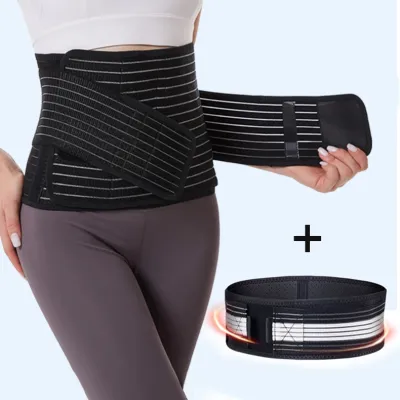
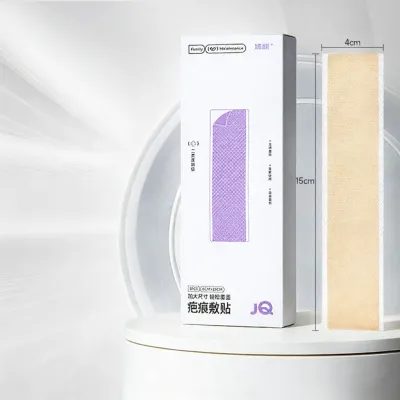
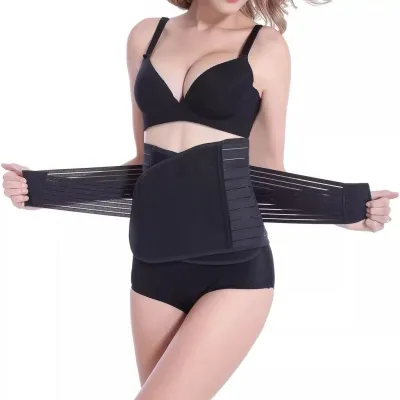
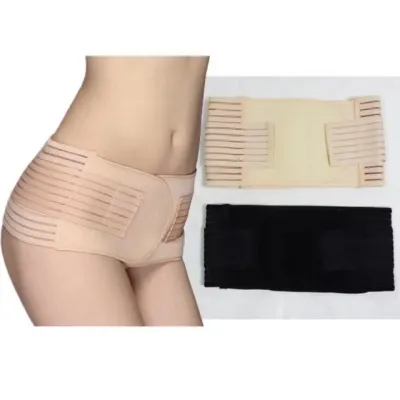
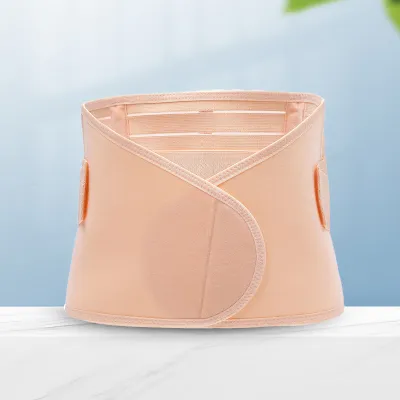
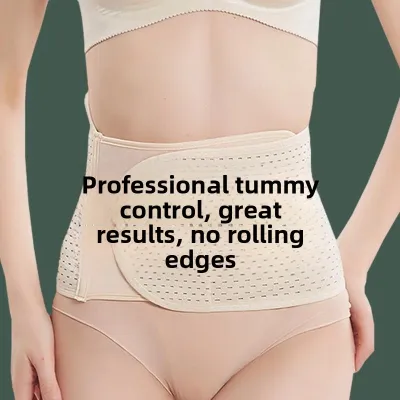
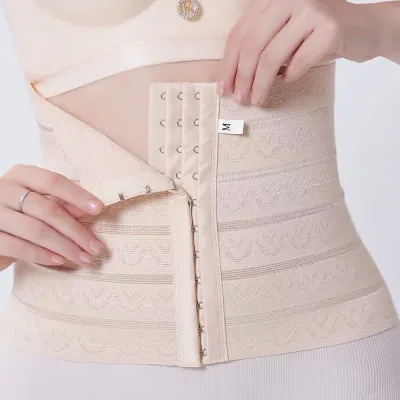
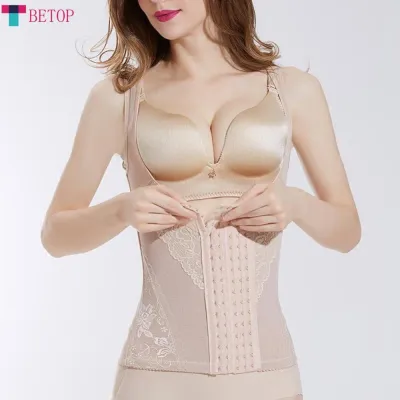
Prices are valid at publication and may change. Please refer to the product page for the latest price.
Understanding What a Postpartum Belly Binder Actually Does
A postpartum belly binder is designed to offer external support to your abdomen and lower back immediately after childbirth. During pregnancy, your abdominal muscles stretch significantly, and the hormone relaxin loosens your ligaments to prepare your body for birth. A binder acts as a temporary splint, stabilizing these loose ligaments, improving your posture, and making basic movements like sitting up, walking, or holding your baby much more comfortable.
When you first stand up after giving birth, you may experience a strange, hollow sensation in your midsection. This is because your abdominal muscles have been stretched to their limit and your internal organs are shifting back into their original positions. A binder provides a gentle, reassuring hug that physically holds your midsection together, reducing that feeling of instability and helping you move with greater confidence.
Despite widespread claims, it is important to separate these supportive benefits from common postpartum myths. A belly binder does not permanently shrink your uterus, melt away abdominal fat, or speed up weight loss. The uterus contracts naturally due to hormonal changes and breastfeeding, while fat loss requires time, proper nutrition, and gradual physical activity.
Relying on a binder as a cosmetic fix can actually delay your recovery if you use it incorrectly. It is not a replacement for active core rehabilitation exercises, which are necessary to rebuild deep muscle strength. Instead, view the binder as a temporary, supportive aid designed to make the initial weeks of transition smoother and more physically manageable.
Key Features to Evaluate Before You Buy
Evaluating specific design elements ensures you choose a binder that supports your body safely and comfortably. Because you will likely wear this garment for several hours a day, paying attention to the materials and construction will prevent common recovery discomforts.

Breathability and Material
In the tropical climate of the Philippines, heat and humidity are constant factors in daily comfort. Wearing a heavy, non-breathable elastic band can quickly lead to excessive sweating, skin chafing, and heat rash, locally known as bungang-araw. Look for binders made from lightweight, medical-grade elastic, mesh panels, or cotton-blend fabrics that allow air to circulate. Hypoallergenic materials are also highly recommended, especially if you have sensitive skin or are recovering from a surgical incision.
Bamboo-derived rayon is another excellent fabric choice to look for when shopping. It is naturally moisture-wicking, incredibly soft against sensitive skin, and possesses natural antibacterial properties that help minimize odors. Avoiding cheap, purely synthetic polyester bands that trap heat against your body is essential for maintaining skin integrity during long hours of wear.
Adjustability and Closure Types
Your abdominal size will change rapidly in the weeks following delivery as swelling subsides and fluid retention decreases. A binder with high adjustability is essential so you can tighten or loosen the support as your body changes.
- Velcro closures offer the highest level of customization, allowing you to pull panels to your exact comfort level. However, high-quality Velcro is necessary so it does not lose its grip after multiple washes or scratch your skin.
- Hook-and-eye closures provide secure, structured support but offer limited adjustment increments. They are highly durable but can be tedious to fasten, especially in the early days of recovery.
- Pull-on styles lack micro-adjustability entirely, making them less practical for the immediate postpartum weeks when swelling fluctuates daily.
Compression Level
The goal of a postpartum binder is gentle, supportive compression, not waist trainer-style constriction. Excessive tightness can restrict your breathing, impair your blood circulation, and disrupt your digestion. More critically, squeezing your midsection too tightly forces pressure downward, which can strain your recovering pelvic floor muscles. Choose a binder that feels like a firm, supportive hug rather than one that forces you to hold your breath.
A simple way to test if your binder is too tight is the two-finger rule. You should be able to slide two fingers comfortably under the band while standing and sitting. If you feel any throbbing, shortness of breath, or a sensation of heaviness in your pelvic floor, the compression is too high and needs to be loosened immediately.
Width and Structural Design
A well-designed binder must be wide enough to cover your entire abdominal area, from just below your bust line down to your pelvic bone. If a binder is too narrow, it will squeeze your waist while leaving your lower abdomen unsupported, often causing the garment to roll up or dig painfully into your ribs when you sit. Look for multi-panel designs or binders with light, flexible boning that maintain their shape and stay flat against your body as you move.
Consider your torso length when choosing a design. Women with shorter torsos may find that standard wide binders ride up into their armpits or press uncomfortably against their thighs when sitting. Many brands offer shorter or curved versions specifically designed to accommodate different body heights and shapes without bunching.
Types of Postpartum Binders: Matching the Style to Your Recovery
Postpartum binders come in several distinct styles, each offering different levels of support, adjustability, and convenience. Understanding these categories helps you match the garment to your daily routine, delivery type, and recovery stage. In the Philippines, postpartum binders are widely available across various price points, typically ranging from budget-friendly options around ₱500 to premium, medical-grade support systems that can cost up to ₱3,000 or more.
| Binder Type | Key Features | Pros | Cons | Ideal Use Case |
|---|---|---|---|---|
| Wrap-Style Binders | Multi-panel Velcro straps, highly adjustable fabric panels | Highly customizable fit; easy to adjust as swelling goes down | Can be bulky under thin clothing; Velcro can scratch sensitive skin | Immediate postpartum weeks; customized targeted support |
| Pull-On Compression | Seamless elastic shorts, high-waisted leggings | Smooth silhouette under clothes; uniform pressure; pelvic support | Hard to pull on early on; no micro-adjustability for changing sizes | Mid-to-late recovery; active daily wear and running errands |
| Belt-Style & Corsets | Structured bands, hook-and-eye closures, flexible boning | Excellent lower back support; highly structured posture correction | Difficult to adjust quickly; can dig into ribs or hips if sized wrong | Mothers with severe back pain; structured daytime support |
Wrap-Style Binders
Wrap-style binders are among the most popular choices for the immediate postpartum period due to their exceptional versatility. These designs typically feature a wide main band with secondary, smaller Velcro straps that allow you to customize the compression level across different zones of your abdomen. This means you can apply firmer support to your lower belly while keeping the upper abdominal area looser and more comfortable for breathing.
Many modern wrap-style binders use a three-part system. This includes a stomach belt, a waist belt, and a pelvis belt, which can be worn together or individually depending on your recovery stage. In the first week, you might only use the stomach belt, gradually adding the pelvic belt as your body begins to stabilize.
The primary drawback of wrap-style binders is their bulkiness. The overlapping layers of fabric and heavy-duty Velcro panels can create visible lines under lightweight summer clothing, making them more suitable for home wear. Additionally, the stiff edges of the Velcro can sometimes rub against your skin or snag delicate fabrics if not aligned perfectly.
Pull-On Compression Shorts and Leggings
Pull-on compression garments, such as high-waisted shorts or recovery leggings, offer a seamless and discreet alternative to bulky wraps. These garments provide uniform, mild-to-moderate compression across the entire midsection, hips, and thighs, making them virtually invisible under everyday outfits. They are highly favored by mothers who want to transition back to light daily activities without feeling self-conscious about their supportive wear.
These garments are also highly effective at supporting the pelvic floor and hips. By providing continuous, gentle pressure around the pelvic girdle, they can help alleviate symphysis pubis dysfunction (SPD) or pelvic girdle pain that often persists after childbirth.
However, pull-on styles are generally not practical for the first week or two after birth. Wriggling into a tight compression garment can be physically exhausting and potentially painful, especially if you are recovering from a vaginal tear or a C-section. Because they lack adjustable straps, they also cannot adapt to your changing shape, meaning you may need to purchase multiple sizes as your body recovers.
Belt-Style and Corset Binders
Belt-style binders and postpartum corsets utilize structured panels, often reinforced with flexible vertical boning, to provide maximum stability to your lower back and pelvis. These designs are highly effective at correcting postpartum posture slouching, which is common when carrying and nursing a newborn. The structured support helps distribute your baby’s weight more evenly, reducing strain on your lower back muscles.
These structured belts are particularly beneficial for mothers who experienced severe lower back pain or sciatica during pregnancy. By stabilizing the sacroiliac (SI) joints, they help restore pelvic stability and reduce the micro-movements that trigger nerve pain.
Because these binders are highly structured, getting the correct size is absolutely critical. If the binder is too small, the vertical boning can dig painfully into your ribs or hips when you bend over or sit down. They also require more effort to put on and take off, making them less convenient for quick adjustments throughout the day.
How to Measure and Ensure a Safe, Comfortable Fit
An ill-fitting postpartum binder can do more harm than good, leading to discomfort, skin irritation, or uneven pressure on your internal organs. Taking the time to measure your body accurately and recognizing the signs of a poor fit will ensure you get the maximum benefit from your supportive wear.
Measuring Correctly
Do not rely on your pre-pregnancy clothing size or your late-pregnancy measurements when purchasing a binder. The most accurate time to measure is either during your last month of pregnancy (subtracting a few inches to estimate your immediate postpartum size) or directly after delivery. Use a flexible measuring tape to measure the widest part of your hips and the fullest part of your natural waist.
Always compare your physical measurements against the specific sizing chart provided by the manufacturer, as sizing standards vary widely between brands. If your measurements fall between two sizes, it is generally safer to choose the larger size. A binder that is slightly too large can still be tightened using adjustable Velcro straps, whereas a binder that is too small will be unusable or dangerously tight.
Putting It On Correctly
The way you put on your binder can significantly impact its safety and effectiveness. It is highly recommended to put on your binder while lying flat on your back. Lying down allows gravity to naturally pull your abdominal organs upward and back into their proper alignment, rather than compressing them downward.
Once you are lying down, position the binder low on your hips, wrapping it from the bottom up. This upward wrapping motion supports your pelvic floor and lower abdomen, preventing downward pressure. Once secured, stand up slowly and check that you can breathe deeply and move your legs without restriction.
Signs of a Poor Fit
A properly fitting binder should feel snug, supportive, and comfortable enough to wear during light daily activities. If you experience any of the following warning signs, your binder is either sized incorrectly or adjusted too tightly:
- The top or bottom edges roll down or ride up when you sit.
- The fabric digs deeply into your skin, leaving red, painful welts or deep indentations.
- You experience a pins-and-needles sensation, numbness, or localized pain in your abdomen or hips.
- You find yourself taking shallow breaths or feeling lightheaded while wearing the garment.
Adjusting Over Time
Your body will undergo rapid physiological changes during the first six weeks postpartum. As your uterus shrinks back to its normal size and your body sheds excess pregnancy fluids, you must adjust your binder accordingly. Gradually loosen the compression if you feel increased pressure in your pelvic floor, and never pull the straps tighter than what feels comfortable. As your core muscles begin to regain their natural strength, you should gradually reduce the amount of time you spend wearing the binder each day.
Safety Boundaries: C-Sections, Pelvic Floor Health, and When to Stop
While postpartum belly binders offer valuable support, they must be used with caution to avoid interfering with your body’s natural healing processes. Prioritizing safety means understanding how your delivery method affects binder usage and recognizing when to take the garment off.
Vaginal vs. Cesarean Delivery
The physical demands of recovery differ significantly depending on how you gave birth. If you had a vaginal delivery, you can typically begin wearing a light, supportive binder within the first few days postpartum, provided you feel comfortable doing so.
For mothers who delivered via Cesarean section (C-section), extra precautions are mandatory. A C-section is a major abdominal surgery, and the incision site must be kept clean, dry, and free from friction to prevent infection or wound separation. You must wait for explicit clearance from your OB-GYN before wearing any binder. When cleared, choose a binder that does not rub directly against your healing scar, or use a soft cotton camisole as a protective barrier between your skin and the binder’s edge.
In the humid Philippine climate, sweat can easily accumulate around a C-section incision under a binder. To prevent bacterial growth and irritation, ensure you remove the binder regularly to let the skin dry completely. Inspect your incision daily for any signs of redness, unusual discharge, or opening of the wound.
Pelvic Floor Considerations
Your pelvic floor muscles undergo immense strain during pregnancy and childbirth, regardless of your delivery method. A binder that is wrapped too tightly around your waist acts like a tube of toothpaste; squeezing the middle forces pressure both upward into your chest and downward onto your pelvic floor. This excessive downward pressure can worsen pelvic floor dysfunction, delay muscle recovery, or increase the risk of pelvic organ prolapse. To protect your pelvic floor, always keep the compression moderate and avoid binders that feel highly restrictive.
If you experience symptoms such as a feeling of heaviness or bulging in your pelvic area, urinary leakage when coughing or sneezing, or difficulty emptying your bladder, stop using the binder immediately. These are clear indicators that the downward pressure is straining your pelvic floor muscles.
Red Flags for Immediate Removal
Stop wearing your postpartum binder immediately and consult your healthcare provider if you experience any of the following symptoms:
- Sudden or sharp pain in your abdomen, pelvis, or lower back.
- Increased vaginal bleeding or a return of bright red lochia after it had begun to fade.
- Redness, swelling, warmth, or discharge at your C-section incision site.
- Difficulty breathing, shortness of breath, or a feeling of dizziness.
- Severe skin irritation, persistent itching, or signs of an allergic reaction to the fabric.
Professional Consultation
Every mother’s postpartum recovery journey is unique, and a one-size-fits-all approach does not apply to physical healing. Before purchasing or wearing a postpartum belly binder, it is highly recommended to consult your OB-GYN, midwife, or a specialized pelvic floor physical therapist. They can evaluate your abdominal wall, check for conditions like diastasis recti, and provide personalized guidance on whether a binder is safe and beneficial for your specific recovery profile.
Frequently Asked Questions (FAQ)
How long should I wear a postpartum belly binder each day?
It is generally recommended to wear a postpartum binder for no more than 2 to 4 hours at a time during the initial weeks of recovery, gradually building up as tolerated but always taking regular breaks. Wearing a binder continuously throughout the day can cause your abdominal and lower back muscles to become reliant on the external support, which can actually weaken your core over time. Removing the binder periodically allows your skin to breathe, prevents sweat buildup, and encourages your deep core muscles to engage and rebuild their natural strength.
Can I wear a belly binder while sleeping?
No, you should not wear a postpartum belly binder while sleeping. When you lie flat, your body’s circulation, breathing patterns, and digestive processes change, and wearing a tight compression garment can restrict these vital functions. Sleeping in a binder also increases the risk of skin irritation, heat rash, and localized pressure sores from shifting fabric. Rest periods are crucial for your body’s natural healing, and your muscles and skin need to be completely free from external compression while you sleep.
Will a belly binder help heal diastasis recti?
A postpartum belly binder cannot actively heal or close diastasis recti, which is the separation of the left and right abdominal muscles. While a binder can provide temporary external support, improve your posture, and serve as a physical reminder to engage your core, it does not rebuild muscle tissue or restore the integrity of the connective tissue (linea alba). True healing of diastasis recti requires targeted physical therapy, gentle pelvic floor exercises, and specific core rehabilitation movements guided by a healthcare professional.
Community discussion
Share your experience or ask a question. Comments are reviewed before publication.