
During pregnancy, your body undergoes remarkable changes to accommodate your growing baby. As your abdomen, breasts, and hips expand, the deeper layers of your skin stretch rapidly, which can cause the collagen and elastin fibers in your dermis to rupture. This process often results in striae gravidarum, commonly known as stretch marks, which are frequently accompanied by dryness and intense itching.
While keeping your skin deeply hydrated is an effective way to support its natural elasticity and soothe discomfort, safety must remain your top priority. Many standard skincare products contain active ingredients that can absorb through your skin into your bloodstream, potentially posing risks to your developing baby. Understanding which ingredients are safe and which ones to avoid allows you to care for your changing body with complete confidence.
Quick Answer: Safe vs. Unsafe Stretch Mark Ingredients
When selecting a stretch mark cream or body moisturizer during pregnancy, you must prioritize gentle, non-systemic ingredients that focus on hydration and skin barrier support. Universally recognized pregnancy-safe hydrators include hyaluronic acid, glycerin, shea butter, cocoa butter, and safe plant-derived oils. These ingredients work topically to lock in moisture and improve skin pliability without entering your bloodstream in harmful amounts.
Products mentioned in this guide
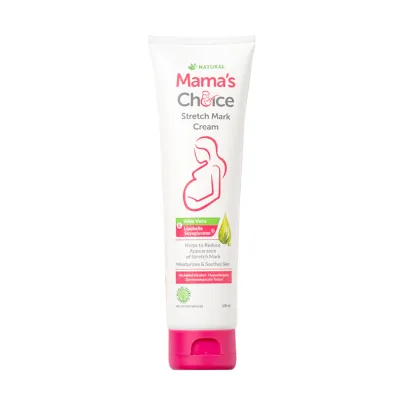
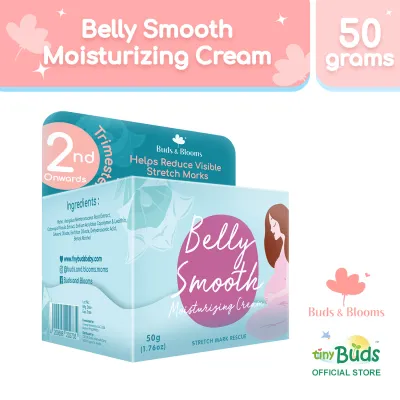
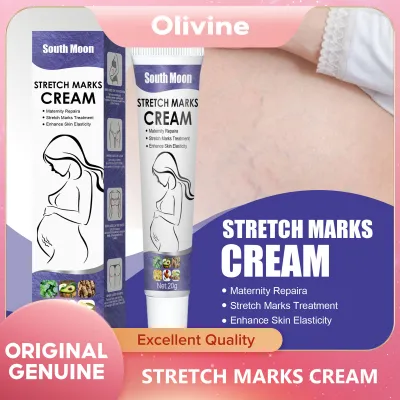
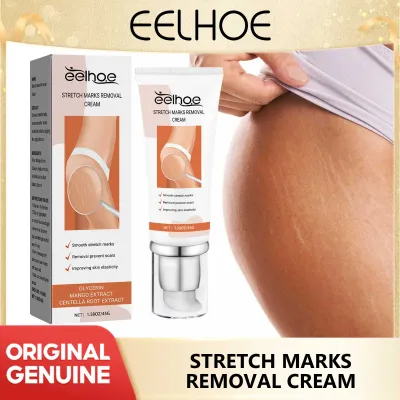
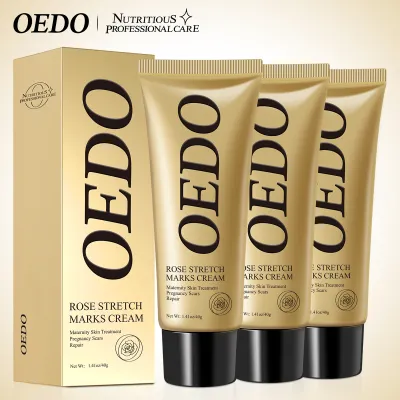
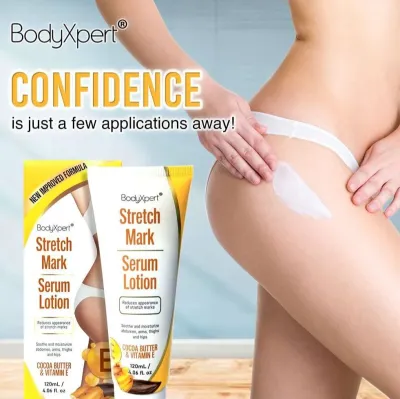
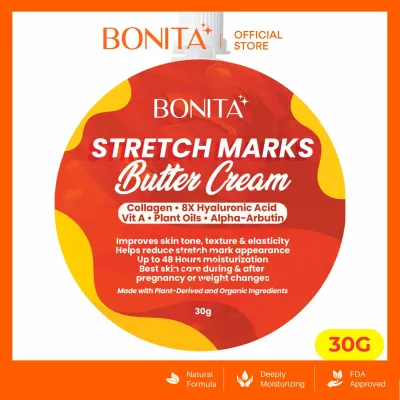
Prices are valid at publication and may change. Please refer to the product page for the latest price.
Conversely, you must strictly avoid products containing retinoids (including retinol and retinyl palmitate), hydroquinone, and high-concentration salicylic acid, as these have been linked to potential developmental risks.
Disclaimer: Always consult your OB-GYN or a dermatologist before starting any new active skincare routine during pregnancy to ensure it aligns with your specific health profile.
Stretch Mark Ingredients to Avoid During Pregnancy
Navigating the beauty aisle while pregnant requires a cautious eye. Many highly rated stretch mark treatments and body firming lotions contain powerful active ingredients designed to speed up cell turnover or fade discoloration. While these ingredients are highly effective under normal circumstances, they can pose significant risks to fetal development when absorbed systemically.

Retinoids and Vitamin A Derivatives
Retinoids are widely celebrated in the skincare industry for their ability to stimulate collagen production and accelerate skin cell renewal. However, during pregnancy, Vitamin A derivatives are strictly contraindicated. On product labels, these ingredients may appear under several names, including retinol, retinyl palmitate, retinyl acetate, retinaldehyde, tretinoin, tazarotene, and adapalene.
While oral retinoids are proven teratogens known to cause severe birth defects, topical retinoids are also avoided by medical professionals as a precautionary measure. Because stretch mark creams are typically applied over large surface areas—such as the entire abdomen, thighs, and breasts—the potential for systemic absorption increases. You should carefully inspect both specialized stretch mark products and general anti-aging or firming body lotions to ensure they are completely free of any Vitamin A derivatives.
High-Concentration Salicylic Acid and Hydroquinone
Salicylic acid is a beta-hydroxy acid (BHA) commonly used to exfoliate skin and clear clogged pores. While low-dose, localized use of salicylic acid (such as a 2% spot treatment on the face) is often considered low-risk by dermatologists, applying high-concentration salicylic acid over large areas of the body is not recommended. Full-body application of BHAs can lead to increased systemic absorption, which should be avoided during pregnancy. If you require exfoliation to manage stretching skin, opt for gentle physical scrubs or mild alpha-hydroxy acids (AHAs) like glycolic or lactic acid in low concentrations, and always consult your doctor first.
Hydroquinone is another ingredient to cross off your list. Frequently used in skin-lightening creams to target hyperpigmentation, dark spots, or melasma (the “mask of pregnancy”), hydroquinone has an exceptionally high systemic absorption rate. Studies indicate that up to 35% to 45% of topically applied hydroquinone can be absorbed into the bloodstream. Due to this high absorption rate and the lack of comprehensive safety data regarding its impact on fetal development, hydroquinone must be strictly avoided throughout your pregnancy and postpartum breastfeeding period.
Certain Essential Oils and Synthetic Fragrances
Many natural and organic stretch mark creams rely on essential oils to provide a pleasant scent or therapeutic benefits. However, “natural” does not automatically mean safe. Certain essential oils, such as clary sage, rosemary, jasmine, and sage, are cautioned against during pregnancy because they can potentially trigger uterine contractions or exert mild hormonal influences when used in concentrated amounts.
Additionally, synthetic fragrances should be approached with caution. In warm, tropical climates like the Philippines, high heat and humidity can make your skin more sensitive and reactive. Heavy synthetic fragrances can easily trigger contact dermatitis on your stretching, delicate abdominal skin. Furthermore, strong artificial scents can severely exacerbate pregnancy-induced nausea and morning sickness. Opting for fragrance-free products or those naturally scented with mild, well-documented ingredients is the safest path to preventing skin irritation and sensory discomfort.
Pregnancy-Safe Ingredients to Look For
Fortunately, you do not have to sacrifice soft, supple skin during your pregnancy journey. There are numerous highly effective, low-risk ingredients that excel at maintaining skin elasticity, reinforcing the moisture barrier, and relieving the persistent itchiness that accompanies a growing belly.
Hyaluronic Acid, Peptides, and Glycerin
Humectants are ingredients that draw water into the skin’s outer layers, keeping it plump and hydrated. Hyaluronic acid and glycerin are two of the most reliable and safe humectants available. In a humid tropical environment, humectants perform exceptionally well by drawing moisture from the surrounding air directly into your skin. This provides lightweight, deep hydration that keeps your skin supple without leaving a heavy, sticky residue that can feel uncomfortable in hot weather.
Peptides are another excellent addition to your maternity skincare routine. These short chains of amino acids serve as the building blocks for essential skin proteins like collagen and elastin. When applied topically, peptides safely support your skin’s natural repair mechanisms and help maintain structural integrity as your body changes. Because these ingredients work topically and do not pose systemic risks, they are considered highly safe for daily use throughout all three trimesters.
Centella Asiatica, Shea Butter, and Cocoa Butter
For deep, long-lasting moisture, you need rich emollients and occlusives that lock in the hydration provided by humectants. Shea butter and cocoa butter are outstanding natural options. These plant-derived butters are rich in fatty acids, which help reinforce your skin’s lipid barrier, prevent trans-epidermal water loss, and soothe the intense, uncomfortable itching that occurs as your skin stretches. Safe carrier oils, such as jojoba oil, sweet almond oil, and locally sourced virgin coconut oil (often available for under ₱200 to ₱500), also provide excellent barrier protection.
Centella Asiatica, also known as Gotu Kola or Tiger Grass, is a botanical ingredient highly regarded for its skin-conditioning and soothing properties. Some clinical studies suggest that topical formulations containing Centella Asiatica can help support skin elasticity and reduce the severity of stretch marks by promoting collagen synthesis. This makes it a premier, pregnancy-safe botanical to look for on your product labels.
How to Check Your Stretch Mark Cream for Safety
To ensure your maternal skincare routine is entirely safe, you must learn how to evaluate product labels independently rather than relying solely on front-of-package marketing claims.
Examine the INCI List Always turn the bottle over and read the International Nomenclature of Cosmetic Ingredients (INCI) list. Ingredients are listed in order of their concentration, from highest to lowest. Scan this list carefully for any of the restricted ingredients mentioned earlier, such as retinol, retinyl palmitate, hydroquinone, or salicylic acid.
Do Not Rely on Marketing Buzzwords Terms like “organic,” “natural,” “hypoallergenic,” or “dermatologist-tested” are often used for marketing purposes and are not strictly regulated. A product labeled “100% natural” can still contain essential oils that are unsafe during pregnancy, or synthetic fragrances that cause severe skin irritation. Always verify the actual ingredient list.
Cross-Reference and Consult If you encounter an unfamiliar chemical name, cross-reference it with reputable pregnancy skincare databases or safety resources. To make your next prenatal check-up more efficient, take a clear photo of the ingredient list on your phone or bring the physical product packaging with you so your OB-GYN or dermatologist can verify its safety.
Safe Application and Usage Guidelines
Applying your stretch mark cream correctly not only maximizes its hydrating benefits but also protects your changing skin from unnecessary irritation.
- Perform a Patch Test: Pregnancy hormones can significantly alter your immune response, making your skin far more sensitive and prone to sudden allergic reactions. Before applying any new cream or oil to your abdomen, perform a patch test. Apply a small, coin-sized amount of the product to your inner forearm or lower leg. Wait 24 to 48 hours to monitor for any signs of redness, itching, swelling, or irritation.
- Apply to Damp Skin: To maximize absorption and lock in the highest amount of moisture, apply your stretch mark cream or oil immediately after your bath or shower while your skin is still slightly damp. This helps seal in water, keeping your skin hydrated for longer periods.
- Adapt to the Tropical Climate: In hot and humid conditions, heavy, thick creams can sometimes trap sweat against your skin, leading to heat rash (miliaria) or clogged pores. Consider using a lightweight, hydrating lotion or gel during the warm daytime hours, and save your richer, occlusive butters or oils for nighttime use, especially if you sleep in an air-conditioned room.
- Know When to Stop: If you experience any adverse reactions—such as persistent redness, burning, hives, severe itching, or an unexplained rash—discontinue use of the product immediately. Wash the area gently with cool water and a mild, fragrance-free cleanser. If the irritation does not subside or if it worsens, consult your healthcare provider or a dermatologist for safe, alternative recommendations.
Frequently Asked Questions (FAQ)
Can I use my regular body lotion instead of a specific stretch mark cream?
Yes, you can absolutely use your regular body lotion. Specialized stretch mark creams are not a strict medical necessity. The primary mechanism for keeping stretch marks at bay is maintaining consistent, deep skin hydration to support elasticity. As long as your everyday body lotion is free from pregnancy-unsafe active ingredients (such as retinoids) and provides adequate moisture through safe ingredients like glycerin, ceramides, or shea butter, it will serve your skin beautifully.
When is the safest time to start applying stretch mark cream?
It is safe to start applying pregnancy-approved moisturizers as soon as you find out you are pregnant, typically during the first trimester. Preparing your skin early by keeping it hydrated and supple helps it cope with the rapid stretching that occurs during the second and third trimesters. However, remember that consistent daily application is far more important for your skin’s comfort and elasticity than the exact week you begin your routine.

Community discussion
Share your experience or ask a question. Comments are reviewed before publication.