
To protect your skin during pregnancy, choosing a safe and effective elasticity oil requires understanding both ingredient safety and formulation chemistry. The most reliable options rely on nourishing, stable carrier oils—such as sweet almond, jojoba, and rosehip seed oil—while strictly avoiding potentially harmful compounds like synthetic retinoids, high-concentration salicylic acid, and certain contraction-stimulating essential oils. While topical products cannot completely override genetic factors in stretch mark formation, a high-quality elasticity oil is highly effective at conditioning the skin barrier, relieving pregnancy-induced itching, and maintaining skin suppleness. In a tropical climate like the Philippines, selecting a formulation that balances deep hydration with a lightweight, non-greasy texture ensures comfort during both humid days and cool, air-conditioned nights.
Understanding Stretch Marks and the Role of Elasticity Oils
To approach maternal skincare with confidence, it is essential to understand the biological mechanisms behind stretch marks, scientifically known as striae gravidarum. During pregnancy, your body undergoes rapid physical transformation, causing the skin to stretch over a relatively short period. This rapid expansion puts immense structural tension on the dermis, the skin’s middle layer, which is composed of collagen and elastin fibers that provide strength and elasticity. When the stretching exceeds the skin’s natural threshold of elasticity, these supportive fibers can rupture, leading to the visible bands or lines we recognize as stretch marks.
Beyond physical stretching, hormonal fluctuations play a significant role in how your skin responds to pressure. During pregnancy, elevated levels of hormones such as cortisol and estrogen can temporarily weaken the skin’s supportive matrix by inhibiting the activity of fibroblasts, the cells responsible for producing collagen and elastin. This hormonal shift makes the skin more vulnerable to micro-tears during periods of rapid growth. Additionally, genetic predisposition is a primary determining factor; if your immediate family members experienced stretch marks during pregnancy, your skin may naturally have a lower threshold for stretching without tearing.
Products mentioned in this guide
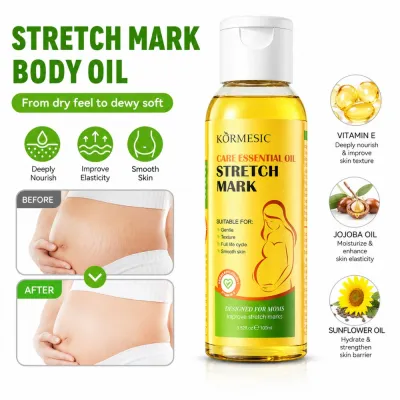
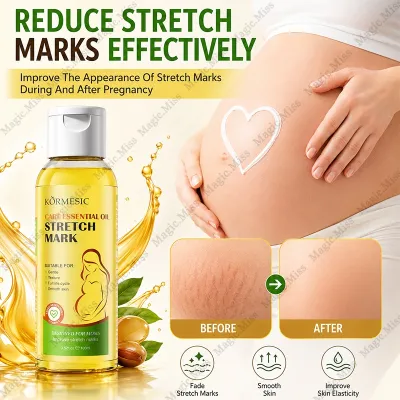
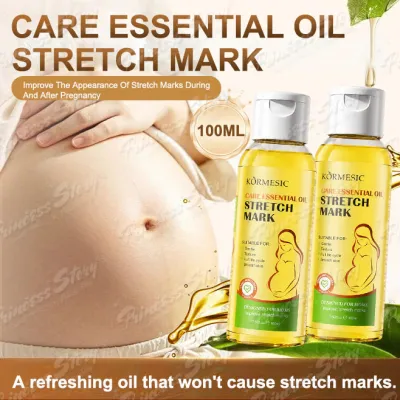
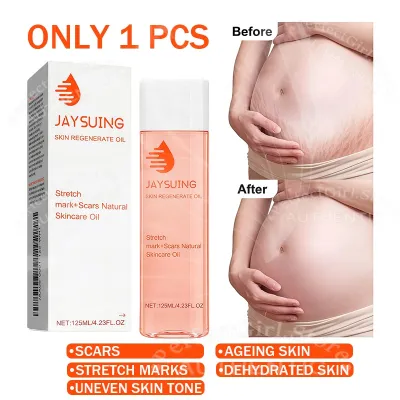
Prices are valid at publication and may change. Please refer to the product page for the latest price.
Because genetics and hormonal changes are the primary drivers of striae gravidarum, it is crucial to recognize that no topical product can guarantee 100% prevention. Any product claiming to completely eliminate the risk of stretch marks is making an unsupported promise. Instead of searching for an absolute cure, you should view elasticity oils as a highly effective tool for skin conditioning, barrier support, and comfort.
The true value of a premium elasticity oil lies in its ability to support the skin’s natural barrier functions. By delivering essential fatty acids and lipids directly to the stratum corneum (the outermost layer of the skin), these oils help lock in moisture, reduce transepidermal water loss, and improve overall skin suppleness. Furthermore, as the skin on your abdomen, breasts, and thighs stretches, it often becomes dry, tight, and intensely itchy. Regular application of a nourishing oil dramatically alleviates this discomfort, preventing the urge to scratch, which can further damage the compromised skin barrier.
Crucial Safety Standards for Pregnancy Skincare
When selecting any skincare product during pregnancy, safety is the non-negotiable priority. What you apply to your skin can be absorbed into your bloodstream, making it critical to scrutinize every ingredient list. You must strictly avoid retinoids, including retinol, retinyl palmitate, and tretinoin, as high doses of vitamin A derivatives have been linked to systemic absorption and potential developmental risks to the fetus. High-concentration salicylic acid (beta hydroxy acid or BHA) and hydroquinone—often used to treat pregnancy-related melasma—should also be omitted from your routine due to their high systemic absorption rates.

Many natural products incorporate essential oils for fragrance or therapeutic claims, but some of these botanical extracts pose real risks during pregnancy. Essential oils such as rosemary, clary sage, jasmine, and sage should be avoided because they contain compounds that can theoretically stimulate uterine activity or trigger sensitization. Furthermore, the hormonal changes of pregnancy make your skin more sensitive, increasing the risk of contact dermatitis from highly concentrated botanical extracts.
Synthetic fragrances and phthalates are other common additives that you should carefully avoid. Pregnancy often heightens your sense of smell, making strong synthetic perfumes a frequent trigger for morning sickness and nausea. More importantly, phthalates, which are often used to stabilize synthetic fragrances, are suspected endocrine disruptors that can interfere with normal hormonal pathways. Opting for fragrance-free formulations or those naturally scented with extremely low concentrations of pregnancy-safe botanicals is always the safer choice.
Because individual skin chemistry and medical histories vary, you should always consult your obstetrician or a board-certified dermatologist before introducing new active ingredients or concentrated botanical blends into your routine. This is especially true if you have pre-existing skin conditions like eczema or psoriasis. If you notice any signs of an allergic reaction, such as persistent redness, burning, or hives, stop using the product immediately and seek professional medical guidance.
Effective Base Oils and Botanical Extracts to Look For
To identify a truly effective elasticity oil, you should focus on the quality of its base carrier oils and active botanical extracts. High-quality formulations use stable, plant-derived carrier oils that closely mimic the skin’s natural sebum, allowing for deep absorption without clogging pores. Sweet almond oil is an exceptional base because it is rich in oleic and linoleic fatty acids, which deeply nourish the skin barrier and improve overall suppleness. Jojoba oil, which is actually a liquid wax ester, is highly compatible with human skin, helping to regulate moisture levels and soothe irritation without leaving a heavy residue.
Sunflower seed oil is another excellent, lightweight carrier oil that is particularly suited for tropical climates like the Philippines. It is exceptionally high in linoleic acid, an essential fatty acid that helps maintain the integrity of the skin’s moisture barrier and prevents environmental irritants from penetrating. This makes it highly effective at locking in hydration without feeling suffocatingly heavy during hot, humid days.
For targeted skin repair and collagen support, look for formulations that include Centella Asiatica extract, also known as gotu kola. This powerful botanical has a long history of use in wound healing and skin repair. It works by stimulating fibroblast activity to support collagen synthesis, which helps the skin maintain its tensile strength as it stretches. Regular use of products containing Centella Asiatica can help the skin adapt to rapid expansion more smoothly.
Rosehip seed oil is another highly beneficial ingredient, prized for its high content of essential fatty acids and natural trans-retinoic acid, a gentle, non-synthetic precursor to vitamin A that supports cellular regeneration. However, you must verify that the product you choose contains pure, cold-pressed rosehip seed oil and has not been artificially fortified with synthetic retinoids, which are unsafe during pregnancy. Additionally, check for the presence of natural vitamin E (tocopherol) on the label; this powerful antioxidant not only protects your skin cells from oxidative stress but also acts as a natural preservative, preventing the delicate carrier oils from oxidizing and turning rancid.
How to Evaluate Product Labels and Formulations
Becoming a savvy label reader is your best defense against ineffective or potentially irritating products. When evaluating an elasticity oil, always check the International Nomenclature of Cosmetic Ingredients (INCI) list, where ingredients are listed in descending order of concentration. Watch out for cheap filler ingredients like mineral oil (often listed as paraffinum liquidum or petrolatum) near the top of the list. While mineral oil is safe and acts as an effective occlusive barrier, it sits on top of the skin rather than absorbing deeply, which can feel uncomfortably greasy and trap heat in a warm, tropical climate.
Understanding the differences between pure, single-ingredient oils and proprietary commercial blends will help you make a choice tailored to your preferences. Pure, cold-pressed oils (like 100% pure jojoba or sweet almond oil) offer maximum simplicity and a very low risk of allergic reactions because they contain no added preservatives or fragrances. However, they can sometimes feel heavy or slow to absorb. Proprietary commercial blends, on the other hand, are often formulated as “dry oils” that absorb rapidly and combine multiple beneficial botanical extracts, though they require more careful label reading to ensure no hidden synthetic fragrances or unsafe preservatives are present.
Packaging plays a critical role in maintaining the efficacy of natural oils. Exposure to light and air causes natural lipids to oxidize, which degrades their beneficial properties and can lead to skin irritation. You should prioritize products packaged in dark amber or cobalt glass bottles, or those featuring opaque, airless pump dispensers. Avoid transparent plastic bottles, especially if you plan to store the product in a bright bathroom where it is exposed to direct sunlight.
In the Philippines, verifying product authenticity is a crucial step when shopping on online marketplaces or from independent importers. Counterfeit cosmetic products are a persistent issue and may contain unsafe contaminants or heavy metals. Always verify that the product has a valid cosmetic notification from the Food and Drug Administration (FDA) of the Philippines. To guarantee safety and quality, purchase your elasticity oils only from official brand flagship stores, certified local distributors, or licensed physical pharmacies.
Best Practices for Applying Elasticity Oils
To maximize the moisturizing benefits of your chosen elasticity oil, proper application timing and technique are essential. You should start applying the oil early in your first trimester, well before your body begins to show visible changes. Initiating a consistent routine early builds skin resilience and ensures the skin barrier is deeply hydrated and supple before the rapid stretching phase of the second and third trimesters begins.
For optimal absorption, the best time to apply your elasticity oil is immediately after bathing or showering, while your skin is still slightly damp. When you apply oil to damp skin, the lipids trap the surface water molecules, locking in deep hydration far more effectively than applying oil to completely dry skin. This practice also allows the oil to spread more smoothly, reducing the amount of product needed and preventing a greasy residue.
When applying the oil, use gentle, circular, and upward sweeping strokes. Focus on the areas most prone to stretch marks, including your abdomen, hips, thighs, lower back, and breasts. It is vital to keep your touch light and superficial; you must strictly avoid applying deep tissue pressure or heavy kneading on your abdomen, as gentle surface massage is all that is required to stimulate local circulation and deliver the oil’s benefits.
If you live in a highly air-conditioned environment or experience extreme skin dryness, consider a layering strategy. Apply a lightweight, fragrance-free, pregnancy-safe moisturizing lotion first to deliver water-based hydration to the skin cells. Once the lotion has partially absorbed, apply your elasticity oil over it to act as an occlusive seal, locking in the moisture and protecting your skin barrier throughout the night.
Frequently Asked Questions (FAQ)
Are commercial stretch mark oil blends better than pure carrier oils?
Commercial stretch mark oil blends and pure carrier oils each have distinct advantages, and the best choice depends on your personal preferences and skin sensitivity. Commercial blends are formulated for cosmetic elegance, meaning they often combine multiple oils to create a lightweight texture that absorbs quickly without leaving a greasy residue on your clothes. They also frequently contain beneficial botanical extracts like Centella Asiatica. However, pure carrier oils, such as 100% sweet almond or jojoba oil, are simpler, more cost-effective, and carry a much lower risk of causing allergic reactions because they contain no added fragrances or preservatives. If you have highly sensitive skin or a history of eczema, a pure, single-ingredient carrier oil is often the safer starting point.
When should I start and stop using elasticity oils?
You should start using elasticity oils as soon as you confirm your pregnancy, or even when you are planning to conceive, to begin building skin suppleness early. Continuing the application throughout your entire pregnancy is essential as your body expands. However, you should not stop using the oil immediately after giving birth. During the postpartum period, your skin undergoes rapid retraction, and hormonal levels shift dramatically, which can leave the skin barrier dry and compromised. Continuing to apply the oil for at least three to six months postpartum supports the skin’s natural recovery process, maintains hydration, and helps improve the overall appearance of any newly formed stretch marks as they fade.
Does internal hydration replace the need for topical oils?
While drinking adequate water is fundamental for your overall health and supports cellular function throughout your body, it does not replace the need for topical skincare. Internal hydration delivers water to your body’s tissues, but it cannot prevent transepidermal water loss if your skin’s outer lipid barrier is compromised. Topical elasticity oils supply essential fatty acids directly to the stratum corneum, creating a physical shield that locks in moisture and keeps the skin surface supple. To effectively support your skin’s elasticity during pregnancy, you should view internal hydration and topical oil application as complementary, non-negotiable strategies that work together from the inside out.

Community discussion
Share your experience or ask a question. Comments are reviewed before publication.