
Quick Answer: When to Switch to a Postpartum Binder
Transitioning from a pregnancy belly band to a postpartum binder is a milestone that depends on your delivery method, physical comfort, and medical clearance. While a pregnancy belly band supports a growing baby bump, a post pregnancy binder is designed to stabilize your recovering abdomen after birth. For most individuals, the switch occurs within the first few days to weeks following delivery, but the exact timing must always be guided by your healthcare provider.
If you had an uncomplicated vaginal delivery, you might feel ready to transition to a gentle postpartum binder within the first week, provided your doctor or midwife approves. For those recovering from a Cesarean section, the timeline is typically longer; you must wait until your surgical incision has closed sufficiently and your obstetrician gives explicit clearance to avoid wound complications. Key physical signals—such as the absence of sharp pain, manageable lochia flow, and the ability to stand comfortably—will help you and your doctor decide when your body is ready for compression.
Functional Differences: Pregnancy Support vs. Postpartum Recovery
To understand when to make the switch, it helps to look at how these two garments function. A pregnancy belly band acts as a lifting mechanism. It sits low under your abdomen, redistributing the weight of your growing baby bump to your hips and lower back. This upward lift relieves pressure on your pelvic girdle and bladder, helping you maintain better posture during your second and third trimesters.
Products mentioned in this guide

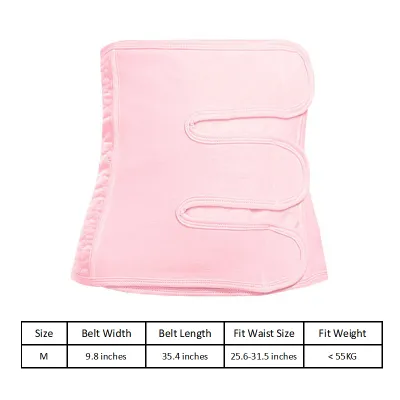
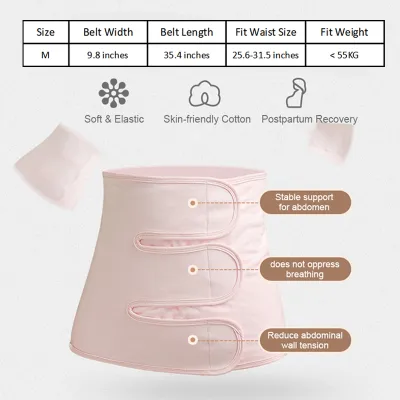
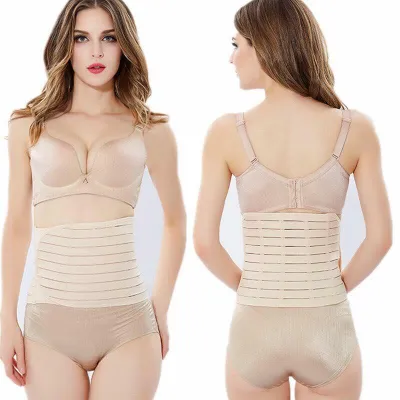
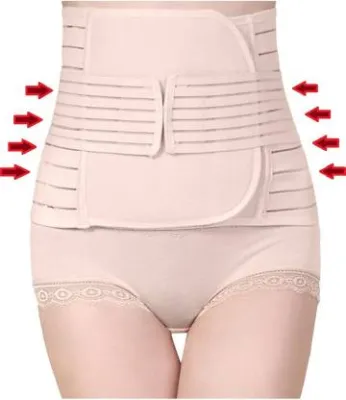
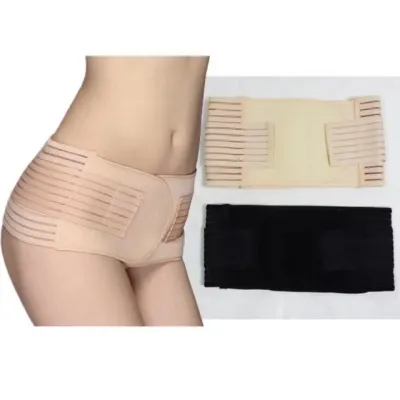
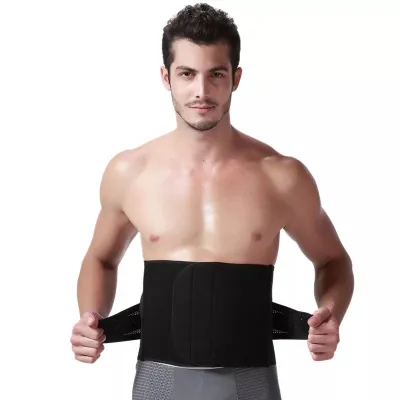
Prices are valid at publication and may change. Please refer to the product page for the latest price.

In contrast, a post pregnancy binder focuses on inward, circumferential compression. After delivery, your abdominal muscles are stretched, and your internal organs are shifting back to their pre-pregnancy positions. A postpartum binder wraps around your midsection to provide gentle, stabilizing pressure. This support helps you engage your core muscles during daily movements, such as sitting up or holding your baby, while reducing the feeling of abdominal emptiness.
The materials and structural designs of these garments also differ significantly. Pregnancy bands often feature highly flexible, curved elastic sections that adapt to a changing bump without squeezing it. Postpartum binders are wider, flatter, and feature adjustable panels that allow you to customize the compression level as your swelling decreases. In a tropical climate, choosing the right material is essential. Look for breathable, lightweight mesh or bamboo-derived fabrics to prevent sweat buildup and skin irritation under humid conditions.
Side-by-Side Comparison: Belly Bands vs. Postpartum Binders
Choosing the right support garment requires matching its design to your current physical stage. Using the wrong garment at the wrong time can cause discomfort or even hinder your recovery.
| Feature | Pregnancy Belly Band | Postpartum Binder |
|---|---|---|
| Primary Purpose | Lifts the baby bump to relieve pelvic and lower back strain | Compresses the abdomen to support core muscles and incision recovery |
| Target Stage | Second and third trimesters of pregnancy | Post-delivery recovery (weeks 1 to 6+ postpartum) |
| Compression Level | Light, supportive upward lift | Moderate to firm adjustable inward compression |
| Typical Daily Wear | During active hours; remove while sleeping or resting | Several hours daily; remove for sleep and skin checks |
There are specific conditions where neither garment should be worn without direct medical supervision. If you experience severe pelvic pain, signs of an infection, or unusual swelling in your lower limbs, avoid using any support garments until a doctor evaluates your symptoms.
To verify if your current garment matches your needs, use this quick checklist:
- Stage Check: Are you currently pregnant? Use a belly band. Have you already delivered? Look into a postpartum binder.
- Pressure Direction: Does the garment lift from underneath (belly band) or compress evenly across your midsection (binder)?
- Incision Safety: If you had a C-section, does the binder avoid rubbing against your healing incision?
Decision Guide: When to Keep, Switch, or Wait
Navigating the transition requires listening to your body and consulting your healthcare team. Use the following guidelines to determine your next step.
Keep using a belly band if:
- You are still pregnant and require relief from round ligament pain or lower back strain.
- You are experiencing pelvic girdle pain during your third trimester and need stability while walking.
- You have not yet received clearance from your doctor to begin postpartum compression.
Switch to a postpartum binder if:
- You have already given birth and your healthcare provider has cleared you for gentle abdominal support.
- You feel a lack of core stability when standing, walking, or lifting your baby.
- Your vaginal delivery was uncomplicated, and you are looking for gentle pressure to assist with early mobility.
Wait and consult a professional if:
- You delivered via Cesarean section and your incision is still tender, weeping, or not fully closed.
- You experience increased pelvic floor pressure, urinary incontinence, or pain when wearing a binder.
- You have a history of high blood pressure, preeclampsia, or circulatory issues that require medical monitoring.
Safe Usage and Care for Your Postpartum Binder
Using a post pregnancy binder safely means prioritizing comfort over tight compression. A binder should never function like a waist trainer; its goal is support, not waist reduction. When putting on your binder, ensure you can breathe deeply, sit comfortably, and speak without restriction. If you feel downward pressure on your pelvic floor, the binder is likely too tight or positioned incorrectly, which can strain your pelvic muscles.
Limit your daily wear time to allow your core muscles to work naturally. Relying on a binder for 24 hours a day can lead to muscle weakness, as your body stops using its own stabilizing muscles. Start with short intervals of two to four hours during active periods, and always remove the binder before going to sleep.
Pay close attention to your body and remove the garment immediately if you experience any of the following warning signs:
- Numbness or tingling in your legs or pelvic area
- Sudden or worsening abdominal pain
- Skin redness, itching, or heat rashes, which are common in warm, humid climates
- Shortness of breath or difficulty digesting food
Proper hygiene and care will extend the life of your binder and protect your skin. Because warm weather can lead to sweating, wash your binder regularly using a mild, hypoallergenic detergent. Avoid harsh bleach or fabric softeners that can degrade the elastic fibers. Hand washing in cool water and laying the binder flat to air dry in a shaded, well-ventilated area is the best way to maintain its shape and elasticity. Check the material regularly for frayed edges, broken closures, or lost elasticity, and replace the garment if it no longer provides even support. Whether investing in a binder priced at ‑800 or ‑2,500, verifying these material properties ensures a safer recovery.
Frequently Asked Questions (FAQ)
Can I wear my pregnancy belly band after giving birth?
While it might be tempting to repurpose your pregnancy belly band, it is generally not designed to provide the targeted, even compression needed for postpartum recovery. Belly bands are structurally shaped to lift a heavy bump from below, which does not offer the circumferential abdominal support your core muscles require after delivery. Additionally, wearing a belly band incorrectly after birth can apply uneven pressure to your uterus or pelvic floor. If you are looking for postpartum support, it is best to transition to a dedicated post pregnancy binder once your doctor approves.
How tight should a post pregnancy binder feel?
A postpartum binder should feel snug and supportive, similar to a firm hug, but it should never feel painful or restrictive. You must be able to take deep, diaphragmatic breaths, sit down comfortably without the binder digging into your ribs or hips, and eat without feeling excessive pressure on your stomach. If you feel a bearing-down sensation in your pelvic floor, or if your breathing feels shallow, loosen the binder immediately. The goal is to assist your muscles, not to force your body into a specific shape.
Do I need a postpartum binder if I had a Cesarean delivery?
If you had a Cesarean delivery, a postpartum binder can be highly beneficial for stabilizing your abdomen and protecting your incision during movement, but you must obtain explicit medical clearance before using one. Your doctor will evaluate your incision to ensure it is healing well and free from infection. When choosing a binder for C-section recovery, look for options with soft, non-abrasive inner linings that will not irritate your scar, and ensure the closures allow for highly adjustable, gentle pressure that can be positioned away from the sensitive incision site.

Community discussion
Share your experience or ask a question. Comments are reviewed before publication.