
Choosing the right feeding bottle is one of the most frequent decisions new parents face, directly impacting daily feeding routines, cleaning habits, and long-term household budgets. The ideal material for your baby’s bottle depends on your specific lifestyle priorities, such as drop-resistance, heat tolerance, and upfront cost. While some families prioritize the lightweight durability of modern plastics, others prefer the classic purity and scratch resistance of glass. Understanding how these materials perform under daily use, sterilization, and travel will help you make an informed choice for your baby’s developmental stage.
In the tropical climate of the Philippines, where high humidity and warm temperatures require rigorous hygiene standards, selecting the right bottle material becomes even more critical. Parents must balance the ease of frequent sterilization with the physical demands of on-the-go feeding. By comparing polyphenylsulfone (PPSU), polypropylene (PP), and glass, you can identify which material aligns best with your daily routine, sterilization equipment, and budget.
Understanding the Core Differences: PPSU, PP, and Glass
To make an informed decision, it is essential to understand what these materials are and how they differ in physical composition. PPSU, or polyphenylsulfone, is a high-performance, medical-grade plastic known for its extreme durability and high heat resistance. It is easily recognizable by its natural honey-gold or amber tint. PPSU combines the lightweight benefits of plastic with the robust heat tolerance typically associated with glass, making it a popular premium option for modern parents.
Products mentioned in this guide
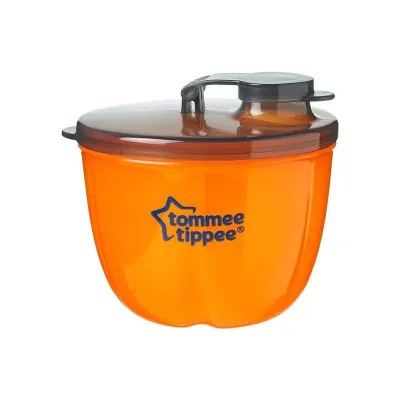
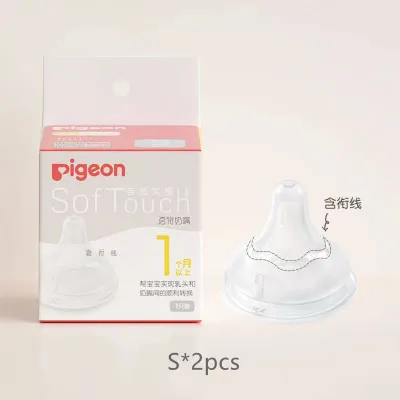
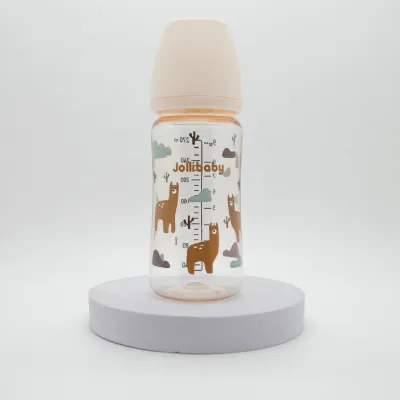
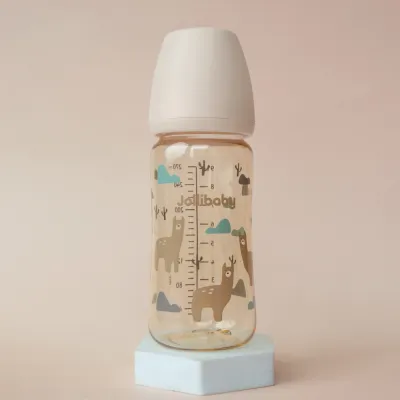
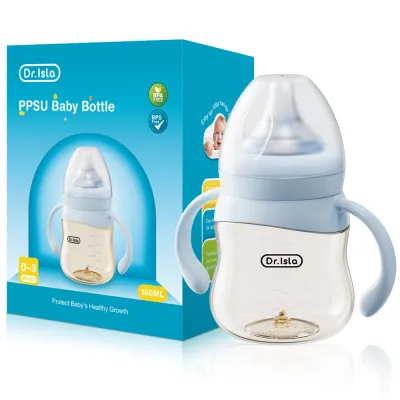
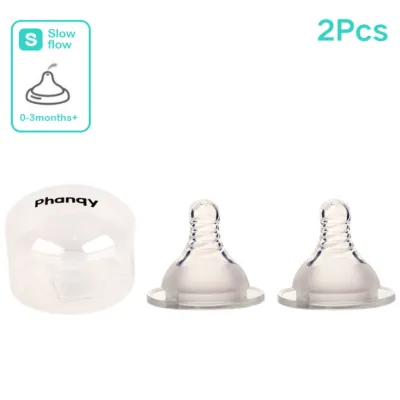
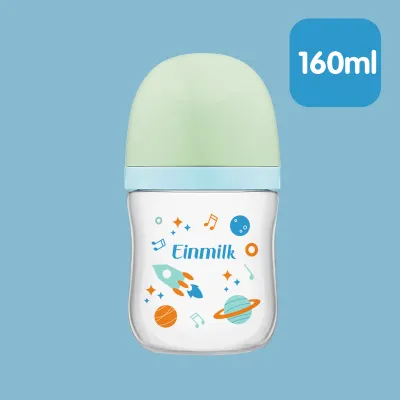
Prices are valid at publication and may change. Please refer to the product page for the latest price.
Polypropylene, commonly known as PP, is the standard plastic used in the majority of traditional baby bottles. It is lightweight, flexible, and has a slightly cloudy or translucent appearance. While PP bottles are highly affordable and widely available, they have a lower heat tolerance compared to PPSU and are more susceptible to physical wear and tear over time. They serve as an excellent entry-level or short-term feeding solution.
Glass bottles, typically made from thermal-shock-resistant borosilicate glass, offer unmatched clarity and material purity. They are completely transparent, rigid, and heavy compared to plastic alternatives. Glass is highly resistant to chemical degradation and does not scratch, but its primary trade-offs are weight and breakability. If dropped on hard tile floors, glass bottles present a clear shatter risk, requiring constant caregiver supervision during use.
Comparing Key Decision Factors for Daily Use
Evaluating how each material handles the wear and tear of daily feeding routines is crucial for long-term satisfaction. Durability and lifespan vary significantly among the three options. PP bottles are prone to scratching from standard bottle brushes, and these microscopic scratches can harbor milk residue and bacteria over time. In contrast, PPSU is highly scratch-resistant, allowing it to maintain a smooth, hygienic inner surface even after months of vigorous scrubbing. Glass is entirely impervious to scratching, making it the most durable option against physical wear, provided it is not dropped or chipped.

Cleaning and odor retention are also major considerations for busy parents. Because plastic is naturally more porous than glass, PP bottles can absorb milk fats and odors, sometimes developing a cloudy appearance or a lingering sour smell after repeated use. PPSU performs significantly better than PP in resisting odors and stains, though it still falls slightly short of glass. Glass bottles are exceptionally easy to clean, as milk residue slides off the non-porous surface easily, ensuring no odors or stains remain after a standard wash.
Portability and daily handling dictate how convenient a bottle is when you are away from home. Navigating daily commutes, shopping trips, or daycare drop-offs with heavy glass bottles in a diaper bag can be physically tiring and risky. PP and PPSU bottles are incredibly lightweight, making them easy to pack in bulk and safe for older babies who are beginning to hold their own bottles under adult supervision. For active families who travel frequently, the shatterproof nature of PPSU and PP offers peace of mind that glass simply cannot provide.
Safety and Health Considerations to Verify
When selecting feeding bottles, safety is always the top priority for parents. It is essential to verify that any bottle you purchase is certified BPA-free. Bisphenol A (BPA) is a chemical historically used in plastics that can leach into liquids, and modern standards require baby products to be free of this compound. Always check product packaging for clear BPA-free labels and compliance with international safety standards before making a purchase.
Sterilization methods can affect the structural integrity of bottle materials differently. In warm, humid environments, regular sterilization is vital to prevent bacterial growth. Boiling, steam sterilization, and UV sterilization are the most common methods used by parents. While glass can withstand extreme temperatures without issue, sudden temperature changes can cause thermal shock and cracking. PP bottles have a lower heat threshold and can degrade or warp if subjected to prolonged high heat or frequent UV sterilization. PPSU is highly resilient to high temperatures and UV exposure, but parents must always verify the manufacturer’s specific guidelines regarding sterilization compatibility to prevent premature wear.
Knowing when to stop using a bottle is critical for maintaining a safe feeding routine. Parents should regularly inspect bottles under good lighting for signs of degradation. For plastic bottles (both PP and PPSU), stop use immediately if you notice deep scratches, persistent cloudiness, a sticky texture, warping, or a lingering odor that does not disappear after washing. For glass bottles, inspect the rim and body closely for micro-cracks, chips, or sharp edges, and discard the bottle immediately if any structural defects are found.
Price and Value: Evaluating Your Budget
Understanding the cost dynamics of each material helps you calculate the true long-term value of your investment. PP bottles are the most budget-friendly option upfront, often sold in affordable multi-packs that make them highly accessible for families on a tight budget. However, because PP bottles scratch and degrade relatively quickly, they require more frequent replacement, which can accumulate costs over time.
PPSU bottles represent a premium investment, with individual bottles often costing several hundred pesos (typically ranging from ₱600 to ₱1,200 or more depending on the brand). While the initial cost is high, their long lifespan and resistance to high-heat sterilization mean you will need to replace them far less frequently than PP bottles. For many families, the durability of PPSU translates to better long-term value, especially if the bottles are used for subsequent siblings.
Glass bottles occupy a moderate-to-high price tier. They offer excellent long-term value because glass does not degrade over time, meaning a single set of glass bottles can theoretically last indefinitely if handled carefully. However, parents must factor in the potential cost of replacing broken or chipped bottles. Additionally, regardless of the bottle material, remember to check the compatibility and cost of replacement nipples, collars, and anti-colic vents, as these silicone components must be replaced regularly as your baby grows.
How to Decide: Matching Material to Your Family's Routine
To finalize your choice, consider how each material aligns with your family’s daily lifestyle, feeding locations, and sterilization habits. A structured approach can help you select the option that minimizes daily stress and fits your household budget.
Choose PPSU if your priority is a lightweight, highly durable, and shatterproof bottle that can withstand frequent high-heat or UV sterilization. This material is ideal for busy, on-the-go families, daycare use, and older babies who are learning to hold their own bottles. While the upfront cost is higher, the extended lifespan and ease of maintenance offer excellent convenience and peace of mind.
Choose PP if you are looking for an economical, lightweight option for short-term feeding, backup bottles, or occasional travel. PP is highly practical for families who want to minimize initial expenses or need a temporary set of bottles for a specific developmental stage. Just be prepared to inspect and replace them more frequently due to standard wear and tear.
Choose Glass if you primarily feed your baby at home under direct caregiver supervision and prioritize maximum material purity, scratch resistance, and effortless cleaning. Glass is perfect for parents who want to avoid plastics entirely and prefer a material that will never retain odors or stains, provided they are comfortable handling the extra weight and shatter risk.
Many families find that a hybrid approach offers the best of both worlds. You can use glass bottles for morning and nighttime feeds at home, where the risk of dropping them on hard surfaces is minimized. For travel, outdoor trips, or daycare, you can pack lightweight, shatterproof PPSU or PP bottles in your diaper bag. This combination allows you to maximize the benefits of each material while adapting to different daily scenarios.
Frequently Asked Questions (FAQ)
Can I mix different bottle materials for the same baby?
Yes, mixing different bottle materials is generally safe and highly practical for many families. Your baby will not experience confusion from alternating between plastic and glass containers, as their primary sensory connection is with the nipple shape, texture, and flow rate. If you choose to mix materials, ensure that the nipples and collars are compatible with each bottle type to prevent leaks. Always clean and sterilize each bottle according to its specific material guidelines, paying close attention to the lower heat limits of PP bottles compared to PPSU and glass.
How often should I replace PPSU, PP, and glass bottles?
Replacement timelines depend heavily on the material and how frequently the bottles are used and sterilized. As a general guideline, PP bottles should be replaced every 3 to 6 months because they scratch easily and degrade faster under high heat. PPSU bottles are much more durable and can typically last up to 12 months under proper care, though you should always follow the manufacturer’s specific recommendations. Glass bottles do not have a set expiration date and can be used indefinitely, but they must be discarded immediately if you detect any chips, cracks, or structural damage.
Are amber-colored PPSU bottles naturally tinted or artificially dyed?
The distinct amber, honey-like color of PPSU bottles is a natural characteristic of the polyphenylsulfone polymer itself. It is not the result of artificial dyes, pigments, or chemical additives. This natural tint is a helpful visual indicator that allows parents to easily distinguish genuine PPSU from clear glass or translucent PP bottles. To ensure you are purchasing genuine, high-quality PPSU that meets international safety standards, always buy your feeding bottles from reputable brands and authorized local retailers.

Community discussion
Share your experience or ask a question. Comments are reviewed before publication.