
Choosing the right baby bottle material is one of the most important decisions parents face when preparing for a new baby. With options like Polyphenylsulfone (PPSU), Polypropylene (PP), and traditional glass, the choice often comes down to balancing safety, durability, weight, and daily convenience. In tropical climates like the Philippines, where high humidity and frequent sterilization cycles are part of daily life, understanding how these materials handle heat, cleaning, and wear is essential. There is no single material that suits every family perfectly, but identifying your daily routine, budget, and feeding preferences will point you directly to the right choice.
PPSU represents a premium medical-grade plastic known for its high heat resistance and durability, while PP is a highly affordable, lightweight, but less durable plastic option. Glass remains the gold standard for chemical purity and scratch resistance, though its weight and fragility make it less ideal for on-the-go feeding or older babies who hold their own bottles. By comparing these materials across key performance areas, you can build a feeding system that keeps your baby safe and fits seamlessly into your household routine.
Understanding the Core Differences: PPSU, PP, and Glass
To make an informed decision, it is helpful to understand what these materials actually are and how they behave in your hands. Polyphenylsulfone, commonly abbreviated as PPSU, is a high-performance thermoplastic. It is easily recognizable by its natural honey-colored or amber tint. Unlike standard plastics, PPSU does not absorb odors or stains easily, maintaining its clarity even after months of contact with breast milk or infant formula. It is exceptionally lightweight yet possesses a structural toughness that resists cracking when dropped on hard tile floors.
Products mentioned in this guide
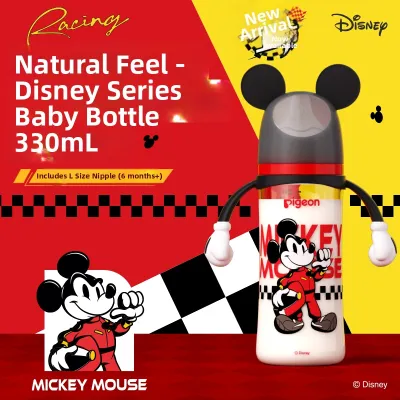
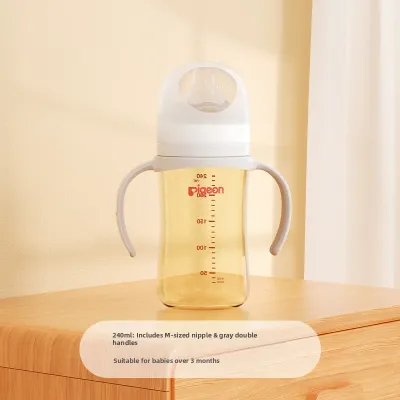
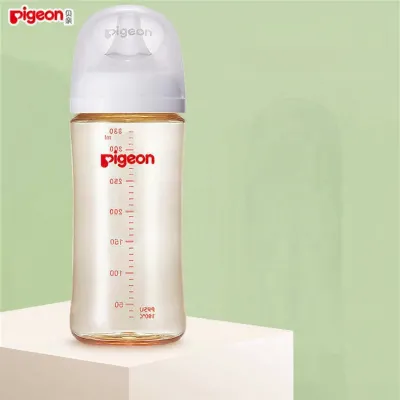
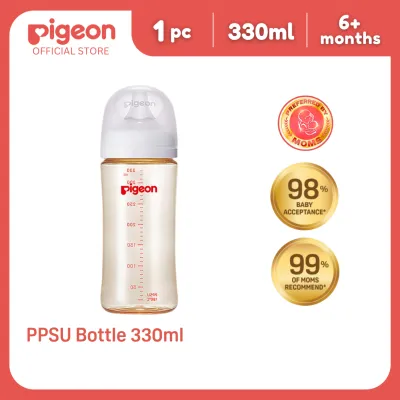
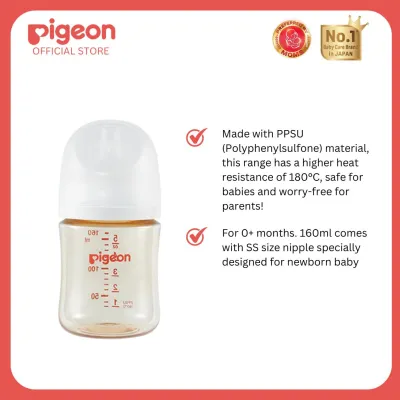
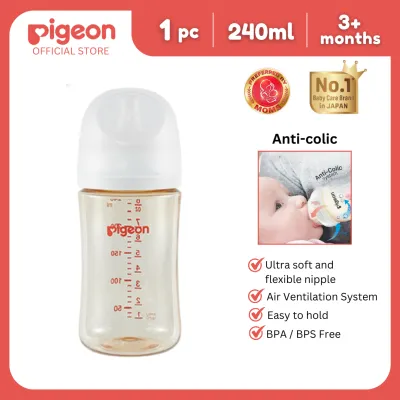
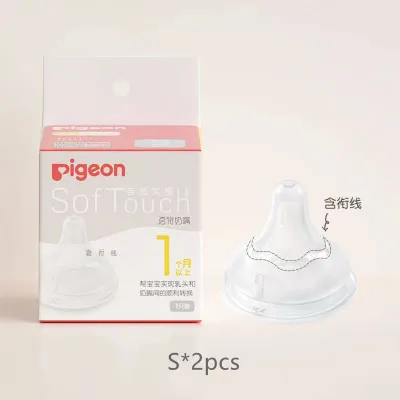
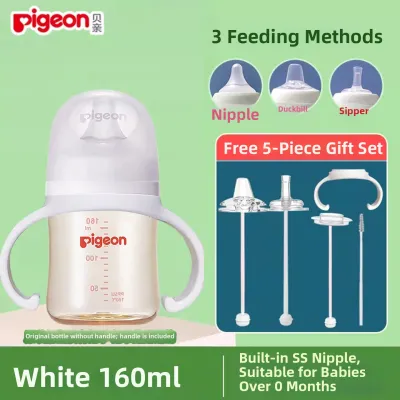
Prices are valid at publication and may change. Please refer to the product page for the latest price.
Polypropylene, or PP, is the most common plastic used in consumer baby bottles. It is typically semi-translucent or slightly cloudy in appearance, with a softer, more flexible feel than PPSU. While PP is incredibly lightweight and highly affordable, it is more prone to absorbing odors and oils from milk over time. Its surface is also softer, meaning it scratches more easily during routine cleaning with bottle brushes.
Glass is a classic, non-porous material made from natural minerals. It offers absolute visual clarity, allowing you to easily read measurement markings and check if milk is thoroughly mixed. Glass is completely resistant to odors, stains, and discoloration. However, it is significantly heavier than both PPSU and PP, which can tire a caregiver’s wrist during long feeding sessions and makes it difficult for an infant to hold the bottle independently.
Safety and Durability: What to Check on the Label
When evaluating baby bottles, safety certifications and material durability should be your primary focus. Although modern manufacturing has largely phased out harmful chemicals in infant products, you should never assume a bottle is safe based solely on its material category. Always inspect the product packaging for explicit BPA-free and BPS-free labels. Bisphenol A (BPA) and Bisphenol S (BPS) are chemical compounds used in some plastics that can mimic hormones, and verifying their absence is a critical first step for any plastic bottle you introduce to your home.

Heat tolerance is another vital specification to verify on the manufacturer’s label. Different materials handle the high temperatures of boiling water, steam sterilizers, and UV sterilizers in distinct ways. For instance, premium PPSU bottles, such as those from specialized brands like Pigeon, often feature a high thermal threshold, sometimes resisting temperatures up to 180 degrees Celsius. In contrast, standard PP bottles generally have a lower heat limit, often around 110 to 120 degrees Celsius. Exceeding these limits can cause the plastic to warp, degrade, or release microplastics into the milk.
Durability is directly tied to how long a bottle can safely remain in service. Glass bottles do not degrade from heat or sterilization, meaning they can theoretically last indefinitely unless they chip, crack, or break. Plastic bottles, however, have a finite lifespan. You must regularly inspect PP and PPSU bottles under direct light. Look for micro-scratches along the inner walls, persistent cloudiness that does not wash away, structural warping around the collar, or a sticky texture. These are clear indicators that the material has degraded and the bottle must be replaced immediately to ensure feeding safety.
Daily Practicality: Cleaning, Sterilizing, and Feeding
The reality of bottle-feeding involves a continuous cycle of washing, sterilizing, drying, and assembling. How a bottle material fits into this daily grind determines its true practicality. In humid tropical environments, quick drying and thorough sterilization are crucial to prevent the growth of mold and bacteria. You must check the manufacturer’s instructions to confirm which sterilization methods are safe for your specific bottles. While glass and PPSU are highly compatible with steam, boiling, and UV sterilization, some PP bottles can degrade rapidly under continuous UV exposure or extreme steam heat.
Fragility and drop-resistance are major practical considerations, especially as your baby grows and begins to interact with the bottle. Glass bottles carry an inherent risk of shattering if dropped on hard surfaces, such as kitchen tiles or outdoor pavement. This makes them less suitable for travel, daycare, or self-feeding stages. PPSU and PP bottles are virtually shatterproof, offering peace of mind when your baby inevitably drops or throws the bottle from a high chair or stroller.
Cleaning ease also varies significantly between these materials. Milk contains natural fats and proteins that tend to cling to surfaces. Glass, with its ultra-smooth, non-porous surface, releases milk fat easily during a simple rinse and soapy wash. PPSU also resists fat buildup quite well due to its hard, smooth surface. PP, however, is highly susceptible to micro-scratches from standard nylon bottle brushes. These tiny scratches create microscopic crevices where milk fat, soap residue, and bacteria can accumulate, making the bottle increasingly difficult to clean thoroughly over time. Using soft silicone brushes can help mitigate this issue on plastic surfaces.
Cost and Value: Evaluating Your Budget in ₱
Budgeting for baby gear requires looking past the initial price tag to calculate the long-term cost of ownership. In the local market, baby bottles are priced across distinct tiers. PP bottles are the most budget-friendly option, often costing a fraction of the price of premium materials. This low entry cost makes PP highly attractive for parents who need to purchase a large quantity of bottles upfront for daycare centers, multiple caregivers, or travel kits.
However, the low initial cost of PP must be weighed against its shorter usable lifespan. Because PP scratches easily and degrades faster under frequent sterilization, these bottles typically require replacement every few months. PPSU bottles carry a much higher initial price tag in ₱, representing a significant upfront investment. Yet, because PPSU is highly durable and resists heat and scratches, a single PPSU bottle can easily outlast several PP bottles, often making it more cost-effective over a year or more of continuous use.
Glass bottles sit in a moderate-to-high price bracket. Their long-term value is exceptionally high because glass does not degrade over time, meaning you will only need to replace them if they break or if you need to upgrade the nipple size. When planning your budget, a practical framework is to invest in a few high-quality PPSU or glass bottles for primary daily use at home, while keeping a small stock of affordable PP bottles for travel or emergency backups where the risk of loss or damage is high.
How to Choose the Right Bottle for Your Family
Selecting the ideal bottle material depends on aligning the physical properties of each option with your household’s daily habits and feeding setup. There is no need to stick exclusively to one material if your lifestyle demands flexibility, but understanding the primary strengths of each will help you make a confident purchase.
You should choose PPSU if you want a lightweight, highly durable bottle that can withstand rigorous, high-heat sterilization multiple times a day without wearing out. It is the ideal choice for busy parents who want the safety and longevity of glass but need a shatterproof, travel-friendly bottle that their baby can easily hold during self-feeding stages.
You should choose Glass if you prioritize a completely scratch-resistant, chemically inert feeding experience and primarily feed your baby at home. Glass is perfect for parents who want a bottle that can be sterilized indefinitely without any risk of material degradation, provided they are comfortable managing the heavier weight and the risk of breakage.
You should choose PP if you are working within a strict budget, need lightweight bottles for short-term travel or daycare, and do not mind replacing the bottles more frequently as they show signs of wear. It is a highly practical, accessible option for temporary use or as a backup system.
Before making your final decision, always verify if your baby has specific preferences regarding nipple shape and flow rate, as compatibility with the nipple is often more critical to feeding success than the bottle material itself. Additionally, check if your home sterilizer has specific space or material limitations that might favor one bottle shape or material over another.
Frequently Asked Questions (FAQ)
Can I mix different bottle materials for my baby?
Yes, you can safely mix different bottle materials within your daily routine, provided your baby accepts the specific nipple shape and flow rate of each bottle. Many parents choose to use glass bottles for morning and evening feedings at home, while relying on lightweight PPSU or PP bottles for travel, outdoor trips, or daycare. If you decide to mix materials, ensure you keep track of the different sterilization requirements and replacement schedules for each bottle type to maintain optimal hygiene and safety.
How do I know when it is time to replace a PPSU or PP bottle?
You should replace a plastic baby bottle immediately if you observe any physical signs of degradation. Inspect the bottles regularly for deep scratches on the inner walls, persistent cloudiness or discoloration that remains after thorough washing, a sticky or tacky texture, or warping around the neck that prevents a tight seal with the collar. Always consult the manufacturer’s guidelines on the packaging, as recommended replacement timelines can vary based on the specific plastic blend and how frequently the bottle is sterilized.

Community discussion
Share your experience or ask a question. Comments are reviewed before publication.