
Choosing the right material for your baby’s feeding bottle is a decision that directly impacts your daily routine, budget, and peace of mind. When looking at the popular pigeon wide neck feeding bottle lineup, you will find three primary materials: Polyphenylsulfone (PPSU), borosilicate glass, and Polypropylene (PP). Each material offers distinct physical properties, heat tolerances, and durability levels that suit different stages of your baby’s development and your family’s lifestyle. By understanding how these materials perform under daily sterilization, travel, and feeding conditions, you can select the most practical option for your home.
Rather than searching for a single universal winner, the key is matching the material’s characteristics to your specific needs. For instance, a lightweight bottle might be ideal for travel or when your baby starts holding their own bottle, while a highly durable, heat-resistant option might be preferred for frequent sterilization. This guide breaks down the physical profiles, practical trade-offs, and maintenance requirements of PPSU, glass, and PP wide neck bottles to help you make an informed choice.
Understanding PPSU, Glass, and PP Material Profiles
To make an informed decision, it is helpful to understand what these materials are and how they differ in hand. PPSU is a high-performance medical-grade plastic known for its distinct natural honey-toned or golden tint. It is exceptionally durable, highly heat-resistant, and does not absorb odors or colors easily. When you hold a PPSU bottle, it feels lightweight like plastic but possesses a toughness that resists cracking and shattering even after repeated drops on hard tile floors.
Products mentioned in this guide
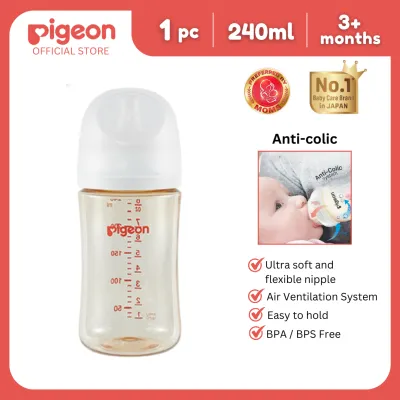
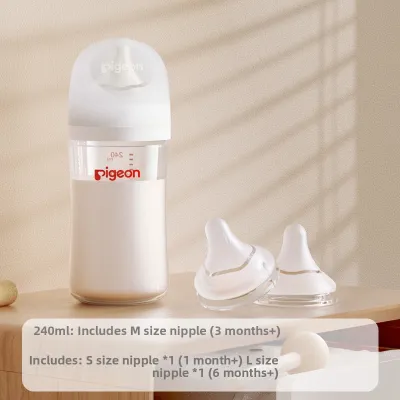
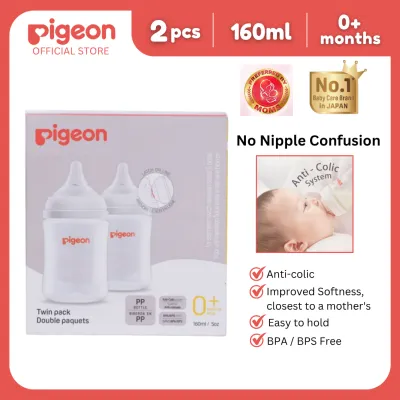
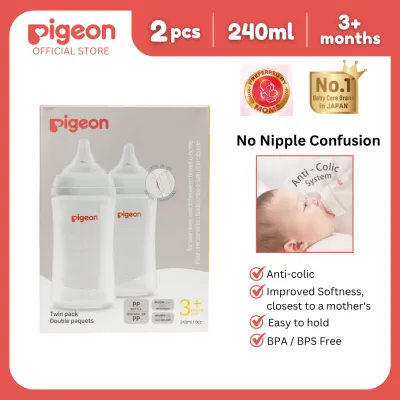
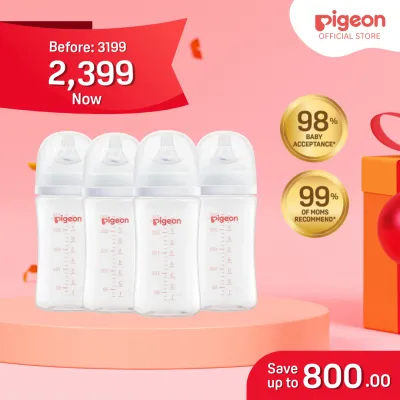
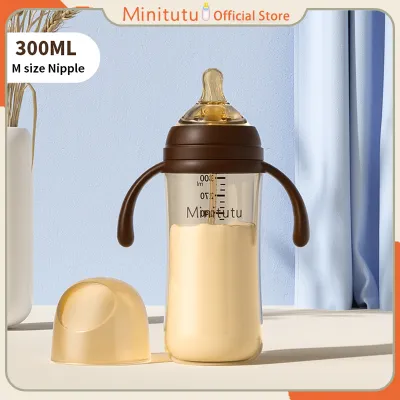
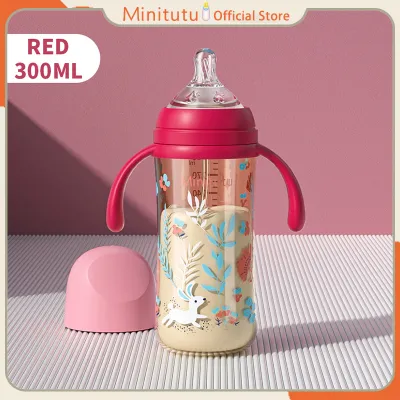
Prices are valid at publication and may change. Please refer to the product page for the latest price.
Borosilicate glass is a traditional, highly trusted material that is completely transparent and scratch-resistant. Glass bottles are heavier than plastic, which provides a sturdy feel but makes them more challenging to transport in bulk. They offer excellent thermal shock resistance, meaning they can transition from cold temperatures to hot water without cracking, but they remain susceptible to breaking or chipping if dropped on hard surfaces.
PP is a standard, lightweight, food-grade plastic that is widely used for baby bottles due to its affordability. It typically has a slightly cloudy or milky appearance compared to the clear glass or golden PPSU. While PP bottles are highly shatterproof, they have a lower heat resistance limit and are more prone to surface scratches over time, which can harbor milk residue if not cleaned carefully.
When checking packaging labels, you will find different heat resistance limits specified by the manufacturer. PPSU typically boasts the highest heat resistance among plastics, often rated up to 180°C, allowing for versatile sterilization options. Glass can withstand high temperatures and rapid temperature changes, while PP generally has a lower heat limit, often around 110°C, which requires more careful monitoring during boiling or steam sterilization.
Matching Bottle Materials to Your Daily Feeding Routine
Your daily routine, environment, and baby’s developmental stage should guide your choice of bottle material. For at-home feeding where the bottle is handled exclusively by a caregiver, glass is a highly practical option. It is easy to clean, does not stain, and maintains its clarity indefinitely. However, if you frequently travel, run errands, or need to pack a diaper bag for day trips, the heavy weight and breakability of glass can become a logistical challenge.

For on-the-go feeding, lightweight plastic options like PPSU and PP are highly convenient. Packing three or four PPSU or PP bottles in a diaper bag adds very little weight, and you do not have to worry about accidental breakage during transit. PPSU is particularly well-suited for active families who want the lightweight benefits of plastic combined with the long-term durability and high heat tolerance typically associated with glass.
As your baby grows and begins to show interest in holding their own bottle, weight and safety become primary considerations. A heavy glass bottle can be difficult for tiny hands to grasp and poses a safety risk if dropped on the floor or on the baby. Lightweight PP or PPSU bottles are much easier for infants to manage independently, reducing hand fatigue and minimizing the risk of impact injuries during self-feeding.
Budget and replacement frequency also play a significant role in building your bottle collection. PP bottles are generally the most budget-friendly upfront, making them an attractive option for parents looking to build a large starter set without a high initial investment. However, because PP scratches more easily and has a shorter lifespan, these bottles may need more frequent replacement. PPSU and glass bottles carry a higher initial cost but offer greater longevity, which can make them more cost-effective over months of continuous use.
Cleaning, Sterilizing, and Maintenance by Material
Proper hygiene is essential for your baby’s health, and each material requires specific care to maintain its integrity. Always consult the manufacturer’s manual for approved sterilization methods, as heat tolerances vary. PPSU bottles are highly versatile and can safely undergo steam sterilization, boiling, and UV sterilization without degrading the material quickly. Their high heat limit makes them compatible with almost all modern sterilizing appliances.
Glass bottles are also highly compatible with boiling and steam sterilization, as they easily withstand high temperatures. However, when sterilizing glass, you must avoid sudden, extreme temperature drops—such as placing a hot glass bottle directly into cold water—to prevent thermal shock and cracking. Additionally, while glass is highly resistant to scratching, care should be taken during washing to avoid using abrasive metal brushes that could weaken the structure over time.
PP bottles require more careful temperature management due to their lower heat resistance. While they can be boiled or steam-sterilized, you must ensure they do not touch the bottom or sides of a hot pot during boiling, as localized hot spots can warp the plastic. Some manufacturers advise caution or limited exposure to UV sterilization for PP, as prolonged UV exposure can accelerate the aging and yellowing of the plastic material.
Regular visual inspections are crucial for all bottle types to ensure ongoing safety. For plastic bottles (PPSU and PP), inspect the interior surfaces regularly for fine scratches, cloudiness, or stubborn stains that do not wash away. Scratches can trap microscopic milk particles and bacteria, making thorough cleaning difficult. For glass bottles, carefully check the rim and body for tiny chips, hairline cracks, or rough edges before every feed, and discard any damaged bottles immediately.
How to Verify Safety and Authenticity Before Buying
With many options available in physical stores and online marketplaces, ensuring you buy genuine products is vital for your baby’s safety. Always purchase your feeding bottles from authorized local retail channels, official brand stores, or reputable department stores in the Philippines. Genuine packaging should feature clear, high-quality printing, accurate brand logos, and complete manufacturer details, including batch codes and distributor information.
Carefully read the packaging labels to verify material safety certifications. Look for explicit “BPA-free” and “BPS-free” declarations, which indicate that the materials used do not contain these common chemical plasticizers. The packaging should also clearly state the country of manufacture, import details, and age-appropriateness guidelines to help you select the correct nipple flow and bottle size for your baby’s developmental stage.
Be vigilant for red flags that may indicate counterfeit or compromised products. These include unusually low prices that seem too good to be true, blurry or misspelled text on the packaging, missing instruction manuals, or bottles that arrive without proper protective seals. If a bottle has a strong chemical odor upon opening or feels unusually flimsy compared to genuine store samples, do not use it and contact the manufacturer or authorized distributor for verification.
Frequently Asked Questions (FAQ)
Can I mix and match PPSU, glass, and PP bottles for the same baby?
Yes, you can use different bottle materials for the same baby, provided they belong to the same wide neck product line. The nipples, collars, and caps of Pigeon wide neck bottles are designed to be interchangeable across PPSU, glass, and PP bodies of the same neck size. This compatibility allows you to use sturdy glass bottles for home feeding and lightweight PPSU or PP bottles when traveling, without needing to purchase separate nipple styles or accessories.
How often should I replace each type of Pigeon bottle?
Replacement schedules should be based on visual wear and manufacturer guidelines rather than a strict calendar timeline. Generally, PP bottles show wear faster and are often recommended for replacement every 3 to 6 months, or sooner if they become heavily scratched or cloudy. PPSU bottles are highly durable and can last up to 12 months with proper care, while glass bottles can be used indefinitely as long as they remain free of chips, cracks, or deep scratches. Always replace any bottle immediately if you detect structural damage.

Community discussion
Share your experience or ask a question. Comments are reviewed before publication.