
Choosing the right baby bottle is a frequent decision for new parents balancing safety, durability, and convenience. In your search, you will likely encounter three primary materials: traditional glass, standard plastics like polypropylene (PP), and a premium alternative known as Polyphenylsulfone (PPSU). PPSU has gained popularity because it combines the lightweight, shatterproof convenience of plastic with the high heat resistance and chemical stability of glass. For families navigating busy daily routines, understanding how these materials perform under frequent sterilization and daily wear is essential for making an informed choice.
What Is PPSU Material in Baby Bottles?
Polyphenylsulfone (PPSU) is a high-performance, medical-grade thermoplastic engineered to withstand extreme conditions. Frequently utilized in medical devices due to its exceptional durability, this advanced polymer offers a robust feeding solution that does not degrade easily under high temperatures or repeated physical impacts.
One of the most recognizable physical characteristics of genuine PPSU is its natural honey or amber tint. This distinct, warm coloration is an inherent property of the raw resin and serves as a visual indicator of authentic PPSU. In hand, a PPSU bottle feels remarkably lightweight, yet it possesses a rigid, tough structure that resists bending or warping.
Products mentioned in this guide
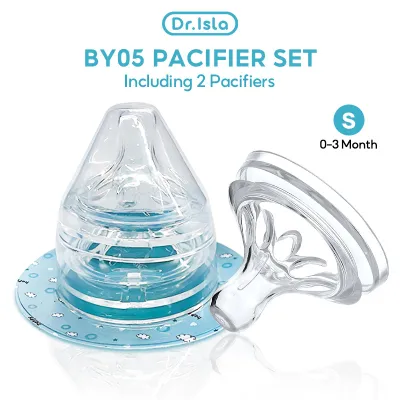
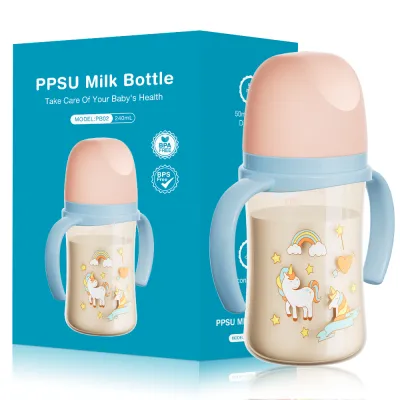
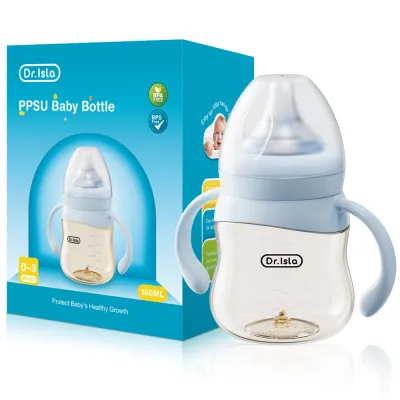
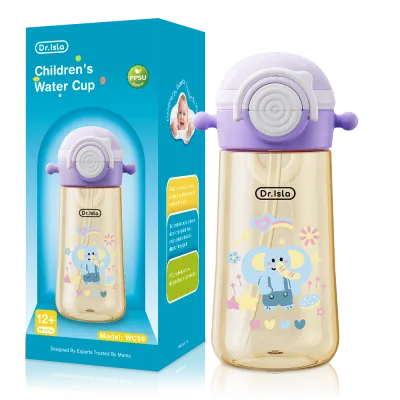
Prices are valid at publication and may change. Please refer to the product page for the latest price.
Manufacturers select PPSU because it bridges the gap between the safety of glass and the practicality of plastic. While standard plastics may become brittle or cloudy after a few months of use, PPSU retains its structural integrity and clarity through hundreds of sterilization cycles.
PPSU vs. Glass vs. Regular Plastic: Key Differences
Selecting the right bottle material requires balancing safety, convenience, and long-term value. Each material presents distinct physical properties that directly affect how you clean, carry, and use the bottle during daily feeding routines.

Durability, Weight, and Handling
Glass baby bottles are favored for chemical purity but present handling challenges due to their weight and fragility. In a busy household, a glass bottle dropped onto hard kitchen tiles is highly likely to shatter, creating an immediate safety hazard. Furthermore, as babies grow, the heavy weight of glass can make self-feeding difficult and require constant adult supervision.
Regular plastic bottles, typically made from polypropylene (PP), are lightweight and shatterproof. However, PP is a relatively soft plastic that scratches easily during cleaning with standard bottle brushes. These microscopic scratches can trap bacteria and stubborn milk residues, leading to persistent odors and a cloudy appearance over time.
PPSU offers a compelling middle ground. It is as lightweight as regular plastic, yet it possesses a surface hardness that resists scratching far better than PP. If a PPSU bottle is dropped on a hard floor, it will bounce rather than break, providing peace of mind during travel.
Heat Resistance and Sterilization Methods
In tropical climates where warmth and humidity can accelerate bacterial growth, thorough sterilization of feeding equipment is a daily necessity. Glass bottles excel here, as they can withstand extreme temperatures and are compatible with every sterilization method, including boiling water, steam, and ultraviolet (UV) cabinets, without warping.
Regular plastic bottles have a much lower heat tolerance, often limited to around 100°C or 110°C. Frequent exposure to boiling water or steam can cause PP bottles to warp, lose their shape, or degrade prematurely. Additionally, some standard plastics can degrade faster when exposed to UV sterilizers, leading to discoloration and a shortened lifespan.
PPSU is highly heat-resistant, with many formulations capable of withstanding temperatures up to 180°C. This high thermal threshold means PPSU bottles can safely undergo repeated steam sterilization, boiling, and microwave sanitizing without warping. However, because different brands may combine PPSU bodies with collars and nipples made of other materials, parents must verify the specific temperature limits and approved sterilization methods in the product manual.
Safety Labels and Material Verification
Chemical safety is a primary concern for parents. Glass is naturally chemically inert and does not contain synthetic additives, meaning there is zero risk of chemical leaching into the milk. This makes glass the traditional benchmark for chemical purity.
Regular plastic bottles require careful inspection to ensure they do not pose chemical risks. Parents must actively verify that any PP bottle is explicitly labeled as BPA-free and BPS-free, as well as certified for food-grade contact.
PPSU is inherently BPA-free and BPS-free due to its chemical structure, meaning it does not rely on chemical additives that could leach into warm milk. To ensure you are purchasing a genuine product, always look for explicit food-contact safety certifications and the official material identification codes printed on the packaging or the base of the bottle.
How to Decide If a PPSU Bottle Like Dr. Isla Fits Your Routine
Deciding between these materials depends on your family’s lifestyle, your baby’s developmental stage, and your daily sterilization habits. PPSU bottles, such as those offered by brands like Dr. Isla, are particularly well-suited for active families. If you travel often, send your child to daycare, or enjoy outdoor activities, the lightweight and shatterproof nature of PPSU makes it much easier to pack and transport than heavy glass.
Furthermore, as your baby transitions to self-feeding, a PPSU bottle allows them to hold the vessel independently without the risk of injury from a heavy, dropped bottle. The high durability of the material also means that a single set of PPSU bottles can last significantly longer than regular plastic, reducing the frequency of replacements and saving money over time.
Conversely, glass may still be the preferred choice for families who primarily feed their babies at home and prioritize a material that is completely scratch-proof and infinitely reusable. If you have a dedicated feeding area and do not mind the extra weight, glass remains an excellent, chemically inert option.
When evaluating specific brand offerings like a Dr. Isla PPSU bottle, look beyond the base material alone. Consider how the bottle’s design fits into your overall feeding system. Check the product specifications for nipple compatibility, ergonomic shapes that are easy for small hands to grip, and the presence of an effective anti-colic vent system. An anti-colic valve helps regulate airflow during feeding, which can reduce the amount of air your baby swallows and minimize gas or fussiness. By combining the material benefits of PPSU with well-designed functional features, you can select a bottle that truly supports your daily routine.
What to Verify on the Packaging and Product Label
Before purchasing or using a new PPSU bottle, performing a thorough inspection of the packaging and the product itself ensures you are getting a safe, authentic item. Start by examining the color of the bottle body; genuine PPSU should exhibit a distinct, uniform honey or amber tint. If a bottle marketed as PPSU is completely clear or has a bluish cast, it may be made of a different plastic material.
Next, locate the material identification code molded into the base of the bottle. Authentic PPSU bottles typically feature the letters “PPSU” or the plastic recycling number 7 clearly stamped on the bottom. This physical mark confirms that the manufacturer has used the correct polymer for the bottle body.
Carefully review the manufacturer’s care instructions included in the packaging. Pay close attention to the stated maximum temperature limits for both the bottle body and its accessories, such as the cap, collar, and nipple. Note the approved cleaning agents and sterilization methods, as some brands may advise against specific chemical sterilizers or prolonged UV exposure.
Finally, conduct a physical inspection of the bottle before its first use. Check for any manufacturing defects, such as sharp edges, uneven molding, or loose parts. Wash and sterilize the bottle according to the manufacturer’s instructions before introducing it to your baby, and establish a routine of checking the bottle regularly for any signs of wear or damage.
Frequently Asked Questions (FAQ)
Why does my PPSU bottle have a yellow or honey tint?
The yellow, golden, or honey tint is the natural color of raw Polyphenylsulfone resin. Unlike standard plastics that require chemical colorants, PPSU is naturally amber-colored. This tint is a key indicator of the material’s authenticity and high quality, confirming that the bottle is made of genuine PPSU rather than clear polypropylene or copolyester. It is not a manufacturing defect, nor is it a stain caused by milk or cleaning agents.
Can I use a PPSU bottle in a UV sterilizer?
While PPSU is highly resistant to heat and chemical degradation, its compatibility with UV sterilizers can vary depending on the specific manufacturer’s guidelines. Some brands approve UV sterilization for their PPSU bottles, while others warn that prolonged exposure to ultraviolet light may accelerate the aging of the plastic, causing it to become brittle or discolored over time. Always consult your specific bottle’s product manual to verify if UV sterilization is recommended.
How often should I replace a PPSU baby bottle?
Although PPSU is exceptionally durable, manufacturers generally recommend replacing plastic baby bottles every six to twelve months, depending on the frequency of use and sterilization. You should inspect the bottle regularly and replace it immediately if you observe any deep scratches, persistent cloudiness, cracks, or structural warping. Additionally, silicone nipples wear out much faster than the bottle body and should typically be replaced every two to three months for hygiene and safety.

Community discussion
Share your experience or ask a question. Comments are reviewed before publication.