
Quick Answer: PP vs PPSU for Avent Milk Dispensers
When choosing between Polypropylene (PP) and Polyphenylsulfone (PPSU) for your baby’s feeding accessories, both materials offer excellent, food-grade safety. Both PP and PPSU are completely BPA-free and safe for daily formula preparation when used according to manufacturer guidelines. However, they cater to very different parenting needs, sterilization habits, and budgets.
The core trade-off between the two materials lies in their durability and heat tolerance. PPSU is a premium, medical-grade plastic that offers superior heat resistance and long-term durability, making it highly resilient against frequent high-temperature sterilization. In contrast, PP is a lighter, highly budget-friendly option that is ideal for standard daily use, though it requires gentler care and more frequent replacement. Your choice will ultimately depend on whether you prefer a long-lasting, heavy-duty container or a lightweight, cost-effective solution for on-the-go feeding.
Core Material Differences: Heat Resistance, Durability, and Safety
To make an informed decision for your baby, it is essential to understand the physical and chemical properties of PP and PPSU. These characteristics directly affect how each material performs under the daily stress of washing, sterilizing, and traveling in a tropical environment.
Products mentioned in this guide
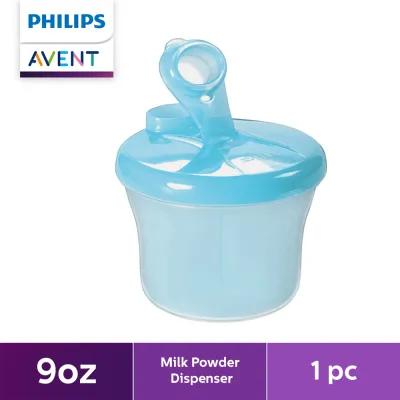
Prices are valid at publication and may change. Please refer to the product page for the latest price.

Polypropylene (PP) Characteristics
Polypropylene, commonly referred to as PP, is a widely used thermoplastic in the baby product industry. It is highly valued for being lightweight, flexible, and exceptionally cost-effective to manufacture. For parents looking for practical, everyday baby gear, PP containers offer a highly accessible entry point.
In terms of thermal properties, PP can safely handle standard warm water washing and basic sterilization methods. However, its maximum heat tolerance is lower than that of premium polymers, typically topping out around 110°C to 120°C. Under prolonged or extreme heat exposure—such as extended boiling cycles or high-temperature steam sterilization—PP is prone to gradual degradation. This degradation often manifests as warping, structural softening, or a cloudy, opaque appearance over time.
From a safety standpoint, high-quality PP is entirely BPA-free and non-toxic. However, because PP is a relatively soft plastic, it is highly susceptible to physical wear. Regular cleaning with stiff bottle brushes can easily create micro-scratches on the inner walls of the dispenser. In the warm and humid climate of the Philippines, these tiny scratches can trap moisture, milk fat, and formula residue. Over time, these microscopic crevices can harbor bacteria and mold, making thorough drying and constant monitoring essential for your baby’s health.
Polyphenylsulfone (PPSU) Characteristics
Polyphenylsulfone, or PPSU, is a high-performance, medical-grade polymer engineered to withstand extreme industrial and medical environments. It represents the premium tier of plastics used in modern baby feeding accessories, offering unmatched durability and safety.
The defining feature of PPSU is its exceptional thermal stability. It can comfortably withstand continuous temperatures of up to 180°C or higher without losing its structural integrity. This means you can subject a PPSU container to repeated, intensive high-temperature sterilization—including prolonged boiling and heavy steam cycles—without any risk of warping, melting, or chemical breakdown.
When you first handle a PPSU product, you will notice its distinct natural amber or golden-honey tint. This color is a natural characteristic of the high-grade polymer itself and is not a sign of chemical staining, manufacturing defects, or aging. Because of its amorphous molecular structure, PPSU is incredibly hard and impact-resistant. If you accidentally drop a PPSU container onto hard ceramic kitchen tiles, it is highly unlikely to crack, shatter, or chip.
This extreme surface hardness also makes PPSU highly resistant to scratching. Even with daily scrubbing, the interior surfaces remain smooth and glass-like, preventing formula powder from sticking and reducing the risk of bacterial buildup. While PPSU products require a larger upfront investment, their long-term resilience often makes them more economical over time. Always verify the exact temperature limits and compliance certifications printed on your specific Avent packaging before use.
Side-by-Side Comparison of PP and PPSU Avent Milk Dispensers
To help you visualize the practical differences between these two materials, the table below compares their performance across the most critical daily usage dimensions.
| Feature | Polypropylene (PP) | Polyphenylsulfone (PPSU) |
|---|---|---|
| Heat Tolerance | Moderate (up to ~110°C–120°C) | Extremely High (up to ~180°C+) |
| Durability & Lifespan | Standard; prone to scratches and warping | Superior; highly scratch and impact resistant |
| Weight & Portability | Extremely lightweight and flexible | Slightly heavier but highly rigid and robust |
| Sterilization Methods | Best for warm washing; limited steam/boiling | Excellent for boiling, steam, and UV sterilization |
| Appearance | Semi-clear, translucent, or milky white | Natural amber or golden-honey tint |
| Relative Cost | Budget-friendly | Premium investment |
While the material of the dispenser body determines its physical durability, it is important to note that specific Avent models may feature additional components. For example, some formula dispensers utilize silicone seals, rotating inner lids, or removable compartment dividers. Regardless of whether you choose a PP or PPSU body, these moving parts must be kept clean, dry, and properly aligned to ensure a moisture-tight seal. In high-humidity regions, a secure seal is vital to prevent humid air from entering the container and causing your baby’s formula powder to clump.
Sterilization and Daily Care for Each Material
Maintaining strict hygiene is paramount when preparing infant formula. Because PP and PPSU react differently to environmental stressors, tailoring your cleaning and sterilization routine to the specific material of your Avent milk dispenser will maximize its lifespan and keep your baby safe.
Boiling and Steam Sterilization
Steam and boiling water are the most common sterilization methods used by parents. PPSU excels in these high-heat environments. You can place PPSU components into electric steam sterilizers or boiling water repeatedly without worrying about degradation or structural changes.
For PP dispensers, however, you must exercise caution. When boiling PP parts, always check the Avent manual for the maximum recommended boiling time, which is typically limited to 3 to 5 minutes. Ensure that the plastic parts do not settle directly against the bottom or sides of the metal pot, as localized temperatures can easily exceed the melting point of PP, leading to permanent warping or melting. If using an electric steam sterilizer, ensure the cycle does not exceed the temperature limits specified by the manufacturer.
UV Sterilization
UV sterilizers have become highly popular for their convenience and drying capabilities. However, UV radiation affects different plastics in distinct ways. PP is highly sensitive to ultraviolet light. Frequent exposure to UV rays breaks down the polymer chains in Polypropylene, causing it to age rapidly. Over time, a PP dispenser subjected to constant UV sterilization may turn yellow, become highly brittle, or develop a chalky texture, making it prone to cracking.
PPSU, by contrast, possesses excellent resistance to UV degradation. Its robust molecular structure can withstand regular exposure to UV light without losing its strength or safety properties. If a UV sterilizer is your primary household appliance for baby gear, investing in PPSU will save you from having to replace degraded plastic containers every few months.
Cleaning and Scratch Prevention
To clean both PP and PPSU dispensers safely, always use a soft foam sponge or a gentle silicone bottle brush paired with a mild, baby-safe dishwashing liquid. Avoid using stiff nylon bristle brushes, metal scouring pads, or abrasive household cleansers.
Because PP is a softer material, even a slightly stiff brush can leave micro-scratches on the surface. These scratches are highly problematic because they trap microscopic milk proteins and moisture, creating a perfect environment for bacterial colonization. While PPSU is much harder and highly scratch-resistant, practicing gentle cleaning habits on both materials will ensure their surfaces remain smooth, sterile, and easy to clean.
Safety Boundary and Replacement Rules
Regardless of the material you choose, safety must always come first. If you notice any deep scratches, structural cracks, persistent sour milk odors, or visible warping on your dispenser, you must discard and replace the item immediately. Damaged plastic cannot be thoroughly sanitized, and compromised surfaces can harbor harmful pathogens. Always defer to the official Avent care instructions included with your specific product to ensure safe, long-term use.
How to Choose: Decision Framework for Parents
Selecting the right material does not have to be complicated. By evaluating your daily routine, sterilization preferences, and budget, you can easily determine which option fits your lifestyle best.
Choose PPSU if:
- You use high-heat or UV sterilization daily: If you rely heavily on electric steam sterilizers, boiling water, or UV cabinets, PPSU's superior thermal and UV resistance will ensure the dispenser lasts without degrading.
- You want a long-term investment: If you want a durable product that can withstand being tossed into diaper bags, dropped on hard floors, and used for multiple children over several years, PPSU is well worth the premium price.
- You prioritize scratch resistance: If you want peace of mind knowing that daily scrubbing will not create micro-scratches where bacteria can hide, the hard surface of PPSU is ideal.
Choose PP if:
- You are on a budget: If you prefer a highly cost-effective option, PP allows you to purchase multiple dispensers for the price of a single PPSU container.
- You need a lightweight travel option: PP is exceptionally light, making it perfect for packing into heavy diaper bags or sending to daycare where weight and portability are key.
- You practice low-heat cleaning: If you primarily wash your baby gear with warm, soapy water and only sterilize occasionally using mild methods, a PP dispenser will serve you well.
- You prefer frequent replacements: If you like to replace your baby's feeding accessories regularly for hygiene reasons, the lower cost of PP makes frequent turnover highly practical.
Verify First Before Purchasing
Before finalizing your purchase on any online marketplace or local baby store, always verify the product specifications. Check the packaging or product listing to confirm whether the specific Avent model you are buying is made of PP or PPSU. Some product lines, such as specific anti-colic or natural feeding accessories, may only be offered in one material type. Additionally, ensure you are purchasing from authorized retailers to guarantee you are receiving genuine, certified food-grade materials that adhere to international safety standards.
Ultimately, remember that proper hygiene, thorough drying, and timely replacement of worn items are far more critical to your baby’s health than the specific type of plastic you choose. By establishing a consistent cleaning routine and monitoring the condition of your baby gear, you can ensure safe and healthy formula preparation every single day.
Frequently Asked Questions (FAQ)
Can I use a UV sterilizer for both PP and PPSU milk dispensers?
Yes, you can technically place both PP and PPSU milk dispensers in a UV sterilizer, but their long-term reaction to UV light is very different. PPSU is highly resistant to ultraviolet radiation, meaning it will maintain its structural strength and safety properties even with daily UV exposure. PP, however, degrades quickly under UV light. Frequent UV sterilization will cause Polypropylene to become brittle, yellowed, and prone to cracking over time. If you choose to use a UV sterilizer on a PP dispenser, inspect the plastic regularly for signs of aging, and check your specific Avent product manual for any manufacturer warnings regarding UV compatibility.
How often should I replace my Avent milk dispenser?
There is no universal expiration date for plastic formula dispensers, as their lifespan depends heavily on how often they are used, washed, and sterilized. Generally, a PP dispenser should be replaced every 4 to 6 months of daily use, as the softer plastic is highly prone to micro-scratches and thermal wear. A PPSU dispenser can easily last a year or longer under proper care due to its superior hardness and heat resistance. However, you must replace any dispenser immediately—regardless of whether it is PP or PPSU—if you observe visual signs of damage. These include deep scratches, persistent cloudiness, warping, cracks, or a sour milk smell that does not go away after cleaning.

Community discussion
Share your experience or ask a question. Comments are reviewed before publication.