
Selecting the right postpartum belly binder depends heavily on how you delivered your baby, as surgical recovery and vaginal birth recovery present entirely different physical demands. For a Cesarean delivery (C-section), the ideal binder is a wide, medical-grade abdominal wrap with adjustable compression and an ultra-soft inner lining to protect your incision. For a normal (vaginal) delivery, the focus shifts toward pelvic floor stability, lower back support, and gentle compression using flexible wraps, high-waisted recovery leggings, or postpartum girdles. Understanding these differences ensures you choose a supportive garment that aids your mobility without compromising your healing.
Understanding Postpartum Recovery: C-Section vs. Normal Delivery Needs
A C-section is a major abdominal surgery. During the procedure, a surgeon cuts through multiple layers of tissue, including the skin, subcutaneous fat, and fascia, before separating the rectus abdominis muscles to safely deliver the baby. This leaves a healing incision in the lower abdomen, localized swelling, and a severely weakened core. Consequently, C-section recovery requires a binder that prioritizes incision protection, gentle wound compression to minimize swelling, and structural support that allows for pain-free movement without rubbing against the stitches.
In contrast, a normal delivery involves intense physical exertion that primarily strains the pelvic floor muscles and vaginal tissues. While there is no abdominal incision, the body undergoes significant hormonal shifts. The hormone relaxin, which softens ligaments and joints to allow the pelvis to expand during birth, remains in the system for several months postpartum. This hormone retention leads to temporary joint laxity and pelvic instability. Additionally, the uterus must undergo involution—the process of contracting back to its pre-pregnancy size—which can cause noticeable cramping and a feeling of abdominal emptiness.
Products mentioned in this guide
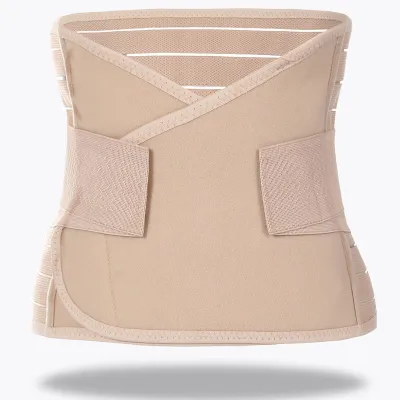
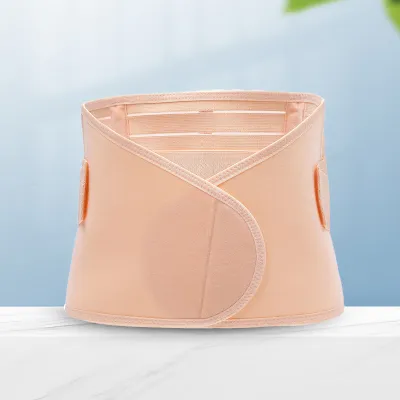
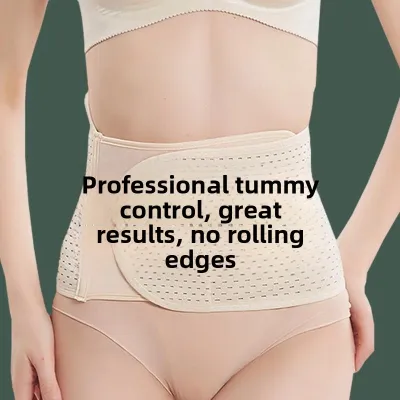
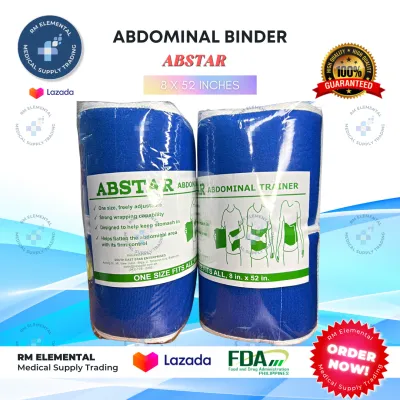
Prices are valid at publication and may change. Please refer to the product page for the latest price.
It is vital to recognize that a postpartum belly binder is designed as a supportive recovery tool rather than a cosmetic solution. Many commercial advertisements market these garments as waist trainers or weight-loss devices that can instantly restore your pre-pregnancy figure. However, their true medical purpose is to provide light compression, improve posture, stabilize lax joints, and offer physical comfort as your internal organs settle back into place. Relying on them for aggressive waist-slimming can actually hinder your recovery by placing excessive pressure on your internal organs.
Because every postpartum body heals at a unique pace, obtaining medical clearance from your OB-GYN or midwife is an essential first step before wearing any compression garment. This is especially critical for C-section mothers, as premature or improper compression can compromise wound healing, restrict localized blood flow, or irritate the surgical site. Your healthcare provider can evaluate your incision or pelvic floor health to determine exactly when it is safe to introduce a binder into your daily routine.
Choosing a Postpartum Belly Binder for C-Section Recovery
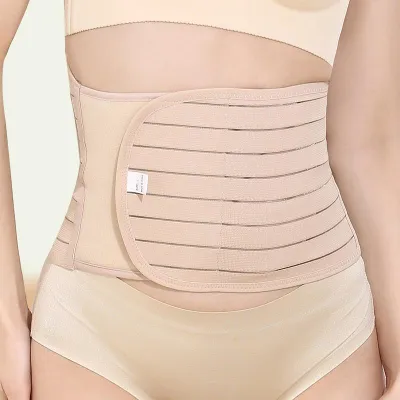
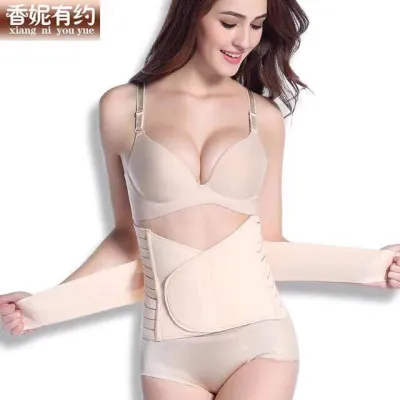
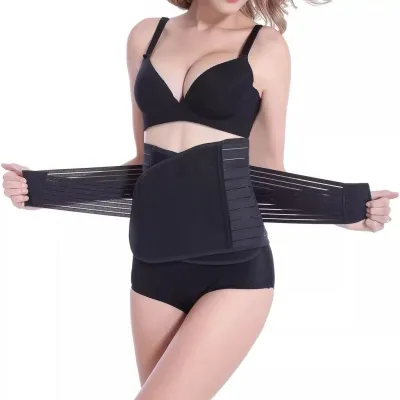
When recovering from a C-section, the primary objective of a postpartum belly binder is to protect the surgical site while offering abdominal splinting. The most suitable options for this scenario are medical-grade abdominal binders and wide, multi-panel wrap-around belts. These designs provide uniform, stable compression across the entire midsection, preventing the garment from folding or gathering directly over your healing stitches. Binders featuring an ultra-soft, seamless, or plush inner lining are highly recommended to prevent friction against the delicate incision area.

Adjustability is a crucial feature to look for when selecting a C-section binder. Your abdomen will undergo rapid changes in the weeks following birth as fluid retention and swelling subside. A binder with multi-panel hook-and-loop closures allows you to customize the tightness at different points along your torso. For instance, you can keep the compression very gentle directly over your lower abdominal incision while securing it slightly firmer around your upper waist to support your lower back and core muscles.
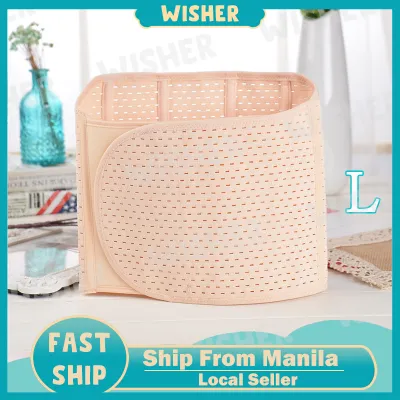
Fabric selection plays a vital role in wound care, particularly in warm and humid tropical climates like the Philippines. High humidity can lead to localized sweating, which traps moisture against your healing incision and creates an environment where bacteria can thrive. To minimize the risk of surgical site infections and sweat rashes, prioritize binders made from breathable, hypoallergenic, and moisture-wicking materials. Lightweight elastic meshes or bamboo-derived fabrics are excellent choices that promote continuous airflow while maintaining structural support.
There are several design elements that C-section mothers should actively avoid to prevent complications. Rigid plastic or metal boning, often found in structured waist trainers, can bend and dig painfully into your incision when you sit down or bend over. Similarly, exposed, rough velcro edges can snag on your clothing or scratch your sensitive skin. You should also steer clear of extremely tight, non-adjustable corsets, as excessive abdominal pressure can restrict deep breathing and push downward on your healing pelvic floor muscles, potentially leading to pelvic floor dysfunction.
Investing in a properly fitted binder can make a profound difference in your daily comfort during the early weeks of recovery. When you cough, sneeze, laugh, or transition from a lying position to sitting up, your abdominal muscles naturally contract, which can pull painfully on your C-section stitches. Wearing a supportive binder acts as a physical splint, holding the abdominal wall stable and significantly reducing the sharp pain associated with these sudden movements. This added comfort encourages early mobilization, which is key to promoting overall healing.
Choosing a Postpartum Belly Binder for Normal Delivery Recovery
For mothers who have had a normal delivery, the recovery focus shifts from protecting a surgical wound to stabilizing the pelvis and supporting a weakened core. Postpartum girdles, compression shorts, high-waisted recovery leggings, and flexible wrap belts are highly effective options for vaginal birth recovery. These garments extend lower down the torso, wrapping around the hips and pelvis to provide targeted compression where the ligaments have been stretched and loosened by the hormone relaxin.
A primary benefit of using a binder after a normal delivery is the management of lower back pain, pelvic girdle pain, and the general sensation of abdominal heaviness. As your uterus shrinks back to its pre-pregnancy size, your internal organs gradually shift back to their original positions, leaving your midsection feeling unusually hollow and unsupported. A flexible wrap or compression girdle provides gentle, reassuring pressure that mimics the support of your abdominal muscles, helping you maintain proper posture while holding, carrying, and nursing your newborn.
As you progress through your postpartum journey, your support needs will naturally evolve. In the immediate weeks following delivery, a soft, highly adjustable wrap belt is ideal for managing early postpartum discomfort and accommodating uterine involution. However, as your mobility increases and you begin to transition back to light physical activities, switching to active recovery garments like high-waisted compression leggings or recovery shorts can be highly beneficial. These garments offer continuous, low-profile support that moves with your body during daily chores or walks.
While vaginal deliveries do not involve abdominal incisions, waiting for your healthcare provider’s approval before applying compression remains a critical safety step. Even an uncomplicated vaginal birth places immense stress on the pelvic floor. If you apply a tight abdominal binder too soon, the downward pressure created in your abdominal cavity has nowhere to go but down against your weakened pelvic floor. This can exacerbate issues such as urinary incontinence, pelvic heaviness, or even pelvic organ prolapse. Ensuring your pelvic floor has begun to heal before adding compression is vital for long-term wellness.
Key Features to Compare When Shopping for a Binder
To help you navigate the wide variety of postpartum support garments available in the Philippines, it is helpful to compare key design features against your specific delivery method. High-quality binders in the local market typically range from broad price bands of ₱500 for basic elastic wraps to ₱3,000 or more for specialized, medical-grade recovery garments. Evaluating features like closure types, material breathability, and compression levels will ensure you make an informed investment that aligns with your recovery path.
| Feature | C-Section Recovery Priority | Normal Delivery Recovery Priority | Why It Matters |
|---|---|---|---|
| Closure Type | Multi-panel hook-and-loop (highly adjustable, easy to put on while lying down). | Pull-on or step-in styles (seamless profile under clothing, stays secure during movement). | Hook-and-loop allows precise tightness adjustments around a healing wound, while pull-on styles offer a smoother fit for active days. |
| Material | Ultra-soft, hypoallergenic, highly breathable, and moisture-wicking. | Flexible, elastic, lightweight, and supportive. | Incision sites must stay dry to prevent infection in humid climates, while pelvic recovery requires flexible, moves-with-you fabrics. |
| Compression | Highly adjustable, targeted, light-to-medium compression. | Uniform, medium-to-firm compression across the abdomen and hips. | C-sections require gentle support that avoids putting pressure on the wound, while vaginal births benefit from firm pelvic stabilization. |
| Ease of Use | High priority for easy application without bending; simple bathroom access. | High priority for rolling resistance and staying in place during physical activity. | Bending over to adjust a binder can strain a C-section incision, whereas active recovery requires a garment that will not roll down. |
When shopping for a postpartum binder, securing the correct size is essential for both safety and effectiveness. Many mothers make the mistake of purchasing a binder based solely on their pre-pregnancy waist size or their late-pregnancy measurements. Instead, follow the specific manufacturer’s sizing guide, which usually requires measuring the widest part of your hips or the area just under your bust. A binder that is too small will inevitably roll down, dig painfully into your ribs, and exert dangerous levels of intra-abdominal pressure, while a binder that is too large will fail to provide any meaningful support.
Safe Usage: How and When to Wear Your Belly Binder
Using your postpartum belly binder safely requires adhering to a balanced daily schedule that allows your body to heal naturally. As a general rule, wear your binder during the day when you are most active—such as when you are walking, standing, or caring for your baby. Always remove the binder before going to sleep at night to allow your skin to breathe, prevent localized irritation, and encourage your core muscles to engage and support your body on their own. It is also wise to loosen or remove the binder during meals to avoid compressing your stomach, which can trigger indigestion, bloating, or acid reflux.
The golden rule for wearing any postpartum compression garment is that it should feel snug but never restrictive. You should be able to breathe deeply into your diaphragm, speak comfortably, and move through your normal range of motion without feeling squeezed or lightheaded. If you find yourself taking shallow breaths or feeling restricted, the binder is adjusted too tightly. Excessive compression does not speed up recovery; instead, it restricts blood flow, weakens your core muscles through over-reliance, and strains your pelvic floor.
It is essential to monitor your body for warning signs that indicate you should stop using the binder immediately. If you experience increased pain at your incision site, redness, localized warmth, foul-smelling discharge, or swelling, these could be signs of an infection that requires urgent medical evaluation. Other red flags include numbness or a tingling sensation in your legs, sharp back pain, or worsening pelvic floor symptoms such as urinary leaking or a heavy dragging sensation in your pelvis. If any of these symptoms occur, remove the garment and consult your OB-GYN or midwife.
Finally, remember that postpartum belly binders are passive support tools rather than active treatment. While they are highly effective at managing early postpartum discomfort and providing sensory feedback that improves your posture, they cannot rebuild or strengthen your abdominal wall. True, long-term core rehabilitation and pelvic floor recovery require active movement, targeted deep abdominal exercises, and, when necessary, guidance from a physical therapist specializing in postpartum rehabilitation.
Frequently Asked Questions (FAQ)
Can I use the same belly binder for a C-section and a future normal delivery?
While you can technically reuse an adjustable wrap-around binder for a subsequent delivery, you must first verify its structural integrity, ensure the elastic has not stretched out, and sanitize it thoroughly. However, keep in mind that your recovery needs may differ significantly between deliveries. A C-section requires a highly adjustable binder with an ultra-soft lining placed carefully over the lower abdomen to protect the incision. A subsequent normal delivery may be better supported by a pelvic-stabilizing girdle or high-waisted compression shorts that focus on pelvic floor and lower back stability rather than incision protection.
Do postpartum belly binders help with diastasis recti?
Postpartum belly binders provide helpful external support and sensory feedback that can make you more aware of your posture, but they do not physically heal or close the gap caused by diastasis recti (abdominal muscle separation). Relying solely on a binder to fix abdominal separation can lead to muscle weakness because the garment does the work your core muscles should be doing. To safely and effectively address diastasis recti, you should perform targeted deep core exercises—such as transverse abdominis and pelvic floor activation—ideally under the guidance of a qualified postpartum physical therapist.

Community discussion
Share your experience or ask a question. Comments are reviewed before publication.