
Selecting the right baby changing diaper mat is one of the most practical decisions you will make when preparing your nursery. The ideal choice does not depend on finding a single ‘perfect’ product, but rather on matching a mat’s design to your specific living space, daily routine, and mobility needs. In the Philippines, where home layouts vary from compact city apartments to spacious multi-generational houses, caregivers must balance convenience with environmental factors like tropical humidity and ventilation.
A well-chosen changing mat provides a secure, clean, and comfortable surface for countless diaper changes throughout your baby’s first years. By understanding the distinct advantages and limitations of portable, foldable, and fixed setups, you can establish a functional changing station that fits seamlessly into your lifestyle. This guide breaks down each category, offers a practical decision framework, and outlines the essential safety features you must verify before making a purchase.
Understanding the Main Types of Baby Changing Diaper Mats
Before comparing specific products, it is helpful to understand how changing mats are categorized by their structure and intended use. The market is generally divided into three primary types: portable travel mats, foldable space-saving mats, and fixed mats designed for changing tables or dressers. Each type serves a distinct purpose, utilizing different materials, levels of padding, and structural supports.
Products mentioned in this guide
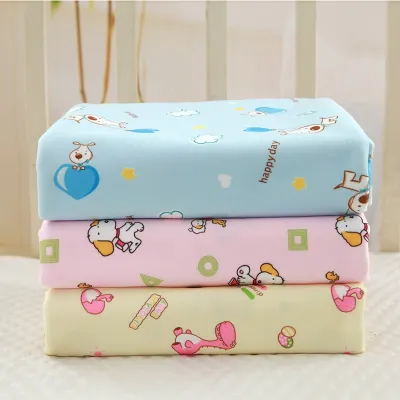
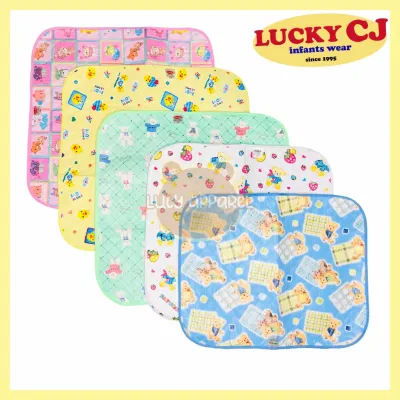
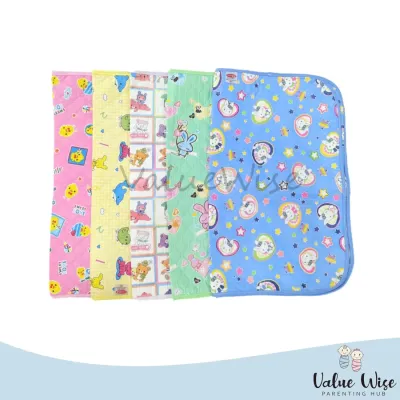
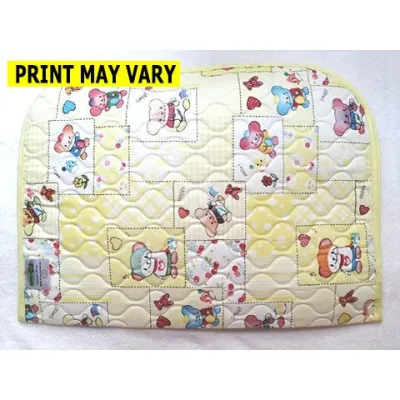
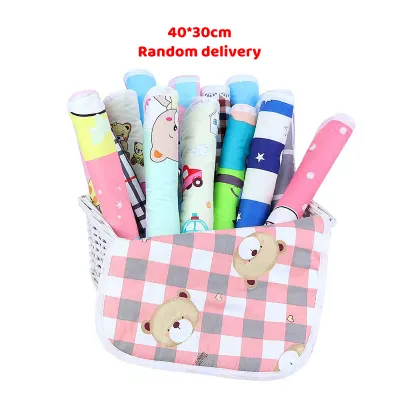
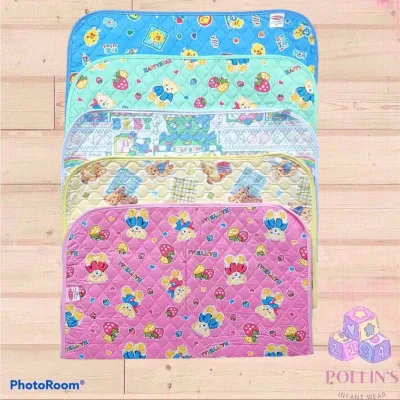
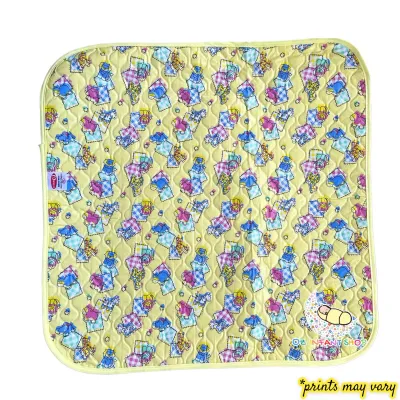
Prices are valid at publication and may change. Please refer to the product page for the latest price.
While some families rely on a single mat for all their needs, others find that combining different types—such as a fixed mat for the nursery and a portable mat for travel—offers the greatest convenience. Because material composition, thickness, and water resistance vary widely within each category, caregivers should always verify individual product specifications and manufacturer guidelines to ensure the mat meets their specific requirements.
Portable and Travel Changing Mats
Portable and travel changing mats are designed specifically for caregivers who need a lightweight, highly mobile solution for diaper changes on the go. These mats are typically thin, compact, and engineered to fold or roll up tightly so they can fit easily into a diaper bag, stroller compartment, or car glove box. They are ideal for quick trips to the mall, family visits, or outdoor activities where dedicated changing facilities may be unavailable or unhygienic.
The primary characteristic of a portable mat is its simplicity. Most models feature a wipeable, waterproof surface made from synthetic materials that allow for rapid cleanup after messy changes. Because they are designed for mobility, they offer minimal padding compared to home-use mats, prioritizing a low profile and lightweight construction over plush comfort.
However, the portability of these mats comes with certain limitations. They generally lack built-in storage for diapers and wipes, though some premium travel clutches include small mesh pockets for essentials. More importantly, portable mats do not have rigid structural support, meaning they must always be placed on a flat, stable, and safe surface—such as a clean floor, a firm bed, or a designated public changing station—before you place your baby on them.
Foldable and Space-Saving Mats
Foldable and space-saving mats bridge the gap between ultra-light travel pads and permanent nursery fixtures. These mats are designed for home use but are engineered to fold in half or thirds, allowing caregivers to store them in a closet, under a crib, or behind a door when not in use. This makes them an excellent option for multi-purpose rooms, shared bedrooms, or smaller homes where floor space is at a premium.
Unlike thin travel mats, foldable mats usually feature thicker foam padding to provide a more comfortable surface for your baby during changes. They often come with a durable, water-resistant cover that can be zipped off for washing or wiped down quickly with a damp cloth. This combination of comfort and storage flexibility makes them highly versatile for daily home use.
The main trade-off with foldable mats is the effort required for setup and takedown. Caregivers must physically retrieve, unfold, and secure the mat for every diaper change, which can be challenging when managing a fussy infant. Additionally, because they lack a rigid frame, they must be placed on a secure, flat surface at an appropriate height to prevent caregiver back strain, and they may lack the raised safety contours found on fixed models.
Fixed Mats with Changing Tables
Fixed mats are the traditional choice for dedicated nursery spaces, designed to remain permanently in one location. These mats are typically contoured, featuring raised sides that help keep the baby centered on the changing surface. They are engineered to be paired with a sturdy wooden changing table, a dedicated dresser top, or a nursery furniture set, creating a centralized station for all diapering essentials.
The primary advantage of a fixed setup is its stability and ergonomic design. Because the mat is secured to a heavy piece of furniture at waist height, caregivers can change diapers comfortably without bending over, reducing physical strain. These setups also allow you to keep diapers, wipes, creams, and change clothes within arm’s reach in drawers or shelves directly below the changing surface.
Despite these benefits, fixed mats and tables require a permanent commitment of floor space, making them less suitable for smaller rooms or temporary living arrangements. They also represent a higher initial financial investment, as you must purchase both the contoured pad and the supporting furniture. Furthermore, babies outgrow changing tables relatively quickly, meaning the furniture will eventually need to be repurposed or replaced as your child develops.
How to Match the Mat Type to Your Nursery and Lifestyle
Selecting the right changing mat category requires a realistic assessment of your home environment and daily habits. Start by measuring the physical space available in your nursery or bedroom. If you have a spacious room with dedicated furniture, a fixed contoured mat on a dresser offers excellent convenience and storage. However, in smaller apartments or tropical homes where maintaining open space helps promote airflow and cooling, a foldable or portable mat that can be tucked away may be more practical.

Next, consider your family’s mobility and daily routine. If you frequently travel, visit relatives, or spend weekends outdoors, a high-quality portable travel mat is an indispensable tool that should remain packed in your diaper bag. For families who spend most of their time at home but move between different rooms throughout the day, keeping a foldable mat on each floor of a multi-story house can save you from constantly carrying your baby up and down the stairs.
Ergonomics is another critical factor that is often overlooked until after the baby arrives. Diaper changes occur multiple times a day, and bending over a low bed or floor can quickly lead to posture issues and back pain for caregivers. If you or other family members are prone to back strain, prioritizing a fixed changing table setup or a secure dresser-top mat at a comfortable working height is highly recommended. Conversely, if you prefer the flexibility of changing your baby on the floor or a firm mattress, a foldable mat provides the necessary padding without the need for elevated furniture. While a simple portable mat might cost only a few hundred ₱, a high-quality fixed table setup represents a larger investment of several thousand ₱, making ergonomic comfort a key value consideration.
Key Features to Check Before Buying
Once you have decided on the general type of changing mat that suits your lifestyle, you must verify specific product features and manufacturer specifications to ensure a safe and practical purchase. Never rely solely on a product’s name or aesthetic appeal; instead, carefully review the product label and documentation for the following essential details:
First, verify the exact dimensions and fit of the mat. If you are purchasing a fixed contoured mat to place on top of a dresser or changing table, measure the furniture’s surface area precisely. The mat must fit entirely within the boundaries of the table surface without overlapping or sliding. A mat that is too large for its supporting surface poses a significant safety hazard, as it can easily tip or slide off when the baby moves.
Second, examine the materials and cleaning instructions provided by the manufacturer. In warm, humid climates like the Philippines, moisture can easily trap heat and encourage the growth of mold or mildew in fabric seams. Look for mats with high-quality, non-toxic, waterproof coatings that can be easily sanitized. Check whether the outer cover is removable and machine-washable, and verify that the inner padding is resilient enough to withstand regular cleaning without degrading or losing its shape. Avoid using harsh chemical disinfectants unless they are explicitly approved by the manufacturer, as these can damage the waterproof barrier and irritate your baby’s sensitive skin.
Third, evaluate the safety features, including contoured edges and security straps. Contoured mats feature raised sides designed to help keep your baby positioned in the center of the pad. Many models also include a safety strap with a buckle to help secure the baby during changes. When purchasing a fixed mat, check if it comes with attachment hardware, such as screws or fabric straps, to secure the mat directly to the back of the dresser or changing table. Always remember that safety straps and contoured edges are designed to assist you and do not replace the absolute necessity of active caregiver supervision.
Comparison Matrix: Portable vs. Foldable vs. Fixed
To help you visualize the trade-offs of each changing mat category, the following matrix summarizes their key characteristics, space requirements, and ergonomic benefits based on general design traits:
| Mat Type | Best For | Space Required | Storage Capacity | Ergonomics |
|---|---|---|---|---|
| Portable | On-the-go use, travel, and compact diaper bags | Minimal; rolls or folds to fit in small bags | None; requires separate diaper bag storage | Low; typically used on floors or low public surfaces |
| Foldable | Multi-purpose rooms and small apartments | Moderate; requires flat surface during use, stores away easily | Minimal; some models include small pockets | Medium; depends on the height of the surface used |
| Fixed | Dedicated nurseries and permanent changing stations | High; requires dedicated floor space or dresser top | High; integrated with drawers or shelves below | High; positioned at waist height to prevent back strain |
Safety and Maintenance Essentials for Any Changing Mat
Regardless of the type of baby changing diaper mat you choose, safety must always be your primary concern. The most critical rule of diaper changing is active supervision: never leave your baby unattended on a changing mat, even for a single second. Infants can roll over or wiggle unexpectedly at any stage of development, and even mats equipped with safety straps or high contoured walls cannot prevent falls if a caregiver turns away. Always keep one hand on your baby during the entire changing process, and prepare all necessary supplies—such as clean diapers, wipes, and fresh clothes—before placing your baby on the mat.
Placement safety is another vital consideration for non-fixed mats. When using a portable or foldable mat, always place it on a flat, stable, and wide surface that is far from table edges, open stairways, or unstable furniture. Ensure the area is free from potential hazards, such as electrical cords, window blind cords, heavy decorative items, or hot liquids that could be reached by an active baby. If you are changing your baby on an elevated surface like a bed, position the mat in the center of the mattress rather than near the edge.
Finally, establish a routine inspection habit to maintain the structural integrity of your changing mat. Over time, regular use and cleaning can cause materials to wear down. Periodically inspect the mat for torn seams, cracked waterproof coatings, exposed foam, or frayed safety straps. If you notice any signs of degradation, stop using the mat immediately and replace it. Keeping the mat clean, dry, and well-ventilated between uses is especially important in humid environments to prevent the buildup of bacteria and mold, ensuring a safe and hygienic space for your baby.
Frequently Asked Questions (FAQ)
Do I really need a dedicated changing table for a baby changing diaper mat?
No, a dedicated changing table is not mandatory. Many caregivers successfully use a secure, low dresser, a firm bed, or even a clean floor space paired with a suitable changing mat. If you choose to use alternative furniture, such as a standard chest of drawers, you must verify that the surface is completely stable, at a comfortable height, and large enough to accommodate the changing mat securely without any overhang. Always ensure the mat is slip-resistant or secured to the furniture to prevent it from sliding during use.
How do I clean and sanitize a baby changing mat properly?
To clean your changing mat safely, always refer to the manufacturer’s care label for specific instructions. For daily maintenance, wipeable mats can be cleaned using a soft cloth dampened with warm water and a mild, baby-safe soap. Avoid using harsh household bleach, alcohol-based sanitizers, or abrasive scrubbing pads, as these can strip away the waterproof coating, degrade the foam padding, and leave chemical residues that may irritate your baby’s delicate skin. Ensure the mat is completely dry before folding or storing it to prevent mold growth.

Community discussion
Share your experience or ask a question. Comments are reviewed before publication.