
A portable baby rocker can be a highly convenient piece of baby gear, providing a secure, comfortable spot to set your baby down while you manage household tasks or take a brief rest. However, the convenience of these lightweight, angled seats comes with a critical responsibility: understanding and strictly enforcing safety boundaries. Because an infant’s physical strength and motor skills develop rapidly, a rocker that is safe one week can become a hazard the next. Ensuring your child’s safety requires a clear understanding of weight limits, developmental milestones, and proper placement within your home.
Using a portable baby rocker safely is not just about checking a box on a product label; it is about integrating the device into a supervised, active daily routine. Many parents mistakenly view rockers as multi-purpose infant holders suitable for napping, feeding, and independent play. In reality, these products are designed solely for brief, awake periods under direct adult supervision. By learning how to read manufacturer guidelines, recognize developmental transition points, and identify environmental hazards, you can enjoy the benefits of a portable rocker without compromising your child’s well-being.
Age and Weight Limits: When to Start and Stop Using a Rocker
To ensure safety, locate and interpret the manufacturer’s maximum weight and age limits. These specifications are typically printed on a fabric tag sewn into the underside of the seat cover or stamped onto the frame. They are also outlined in the instruction manual. Weight limits are absolute structural thresholds; exceeding them can stress the frame, cause the joints to buckle, or alter the center of gravity, leading to an unexpected tip-over. Some rockers also have minimum weight requirements, meaning they are unsafe for newborns who lack the physical size and head control to sit securely without slumping.
Products mentioned in this guide
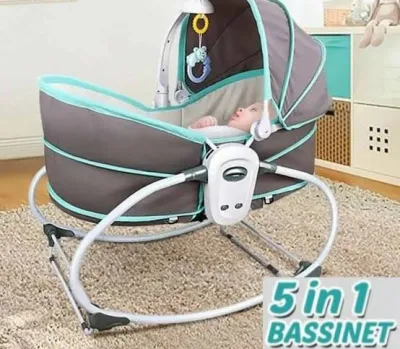
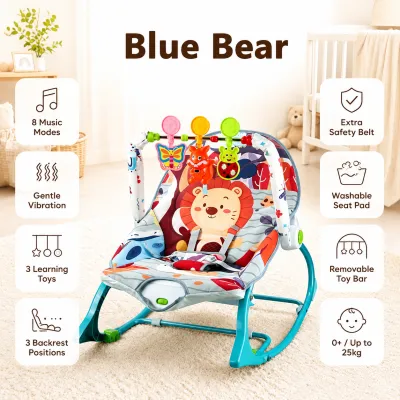
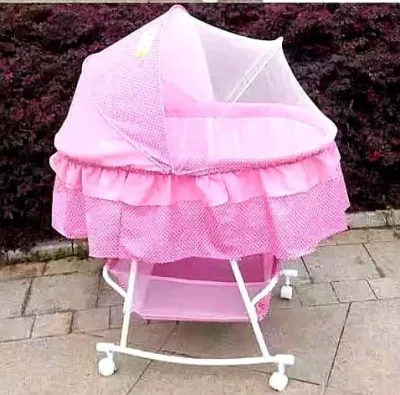
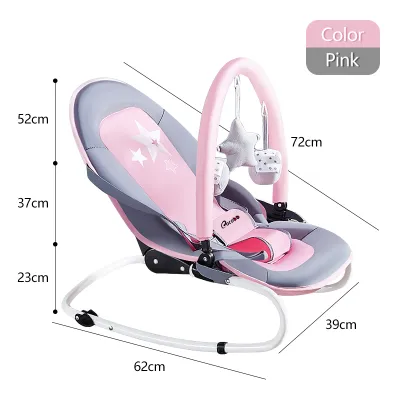
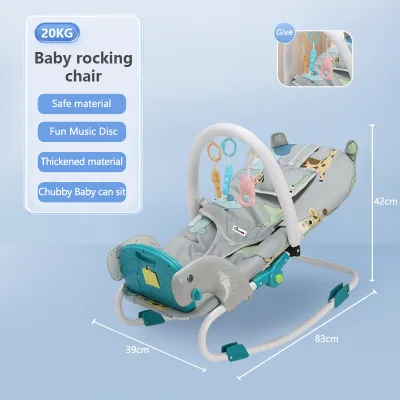
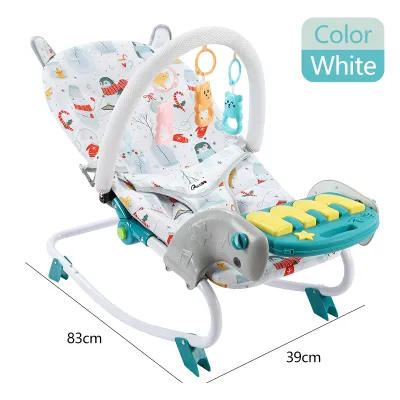
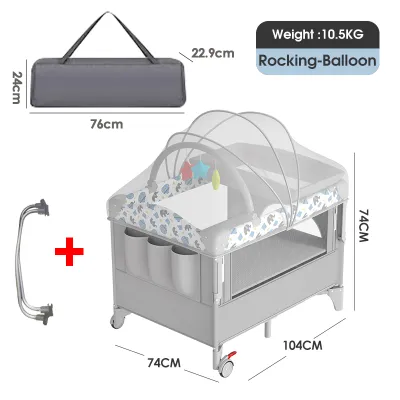
Prices are valid at publication and may change. Please refer to the product page for the latest price.
While weight limits provide a clear numerical boundary, developmental milestones are often the more critical factor in determining when to stop using a rocker. You must immediately discontinue use the moment your baby shows signs of rolling over, pushing up on their hands and knees, or attempting to sit up unassisted. When a baby reaches these milestones, they gain the physical strength to shift their weight aggressively. This movement can cause the rocker to sway unexpectedly, slide, or tip sideways. Furthermore, a baby who can roll over can easily become trapped face-down against the fabric sides or the harness, posing a severe suffocation risk.
Once your baby outgrows the physical or developmental boundaries of the rocker, transition them to a safer seating or activity option. Continuing to use a rocker past its intended stage increases the risk of falls and structural failure. Instead, transition your baby to a flat, spacious playmat, a dedicated activity gym, or a sturdy playpen on the floor. These alternatives provide a safe environment where your baby can freely practice rolling, crawling, and sitting up without the risk of falling from an elevated or inclined structure.
Essential Usage Precautions for Daily Safety
When setting up and using a portable baby rocker, placement is paramount. Always position the rocker on a flat, stable, and level floor surface. Never place the rocker on elevated areas such as dining tables, kitchen countertops, beds, sofas, or chairs. The natural rocking motion of the baby, combined with the lightweight design of the unit, can cause the rocker to slide or tip off an edge, resulting in catastrophic falls. In tropical homes, where floors are often tiled or made of polished hardwood, ensure that the rubber grips or non-slip pads on the bottom of the rocker frame are clean and making full contact with the floor to prevent sliding.

In addition to floor placement, keep the rocker clear of potential environmental hazards. Position the seat well away from stairs, steps, open doorways, and hearths. Ensure the rocker is placed far from windows where dangling cords from blinds or curtains could present a strangulation hazard. In warm climates, electric floor fans are common household fixtures; keep the rocker at a safe distance so the baby cannot reach the fan or its power cord, and ensure the fan does not blow directly on the baby’s face with high intensity. Keep the area around the rocker free of soft bedding, plush toys, or loose blankets that could fall into the seat and obstruct the baby’s airway.
The most critical rule of portable baby rocker safety is that these devices are strictly for awake time under constant adult supervision. Never leave your baby unattended in a rocker, even for a few moments. If your baby falls asleep in the rocker, you must immediately transfer them to a safe, flat sleep surface, such as a crib or bassinet. The inclined position of a rocker can cause an infant’s heavy head to tilt forward onto their chest, potentially compressing their windpipe and leading to silent, rapid suffocation. Rockers are not designed for safe sleep, and leaving a sleeping baby in one poses a severe risk of positional asphyxiation.
Finally, always use the built-in restraint system or harness every time you place your baby in the rocker, regardless of how long they will be in the seat. A three-point or five-point harness keeps the baby securely centered and prevents them from sliding down or wriggling out of the seat. Ensure the straps are adjusted snugly against the baby’s body, with no loose loops that could pose an entanglement risk. Even a very young infant who cannot yet roll can wiggle or slide down, and without a properly fastened harness, they can easily become trapped in a dangerous position.
Identifying Hazards and When to Stop Use Immediately
To maintain a safe environment, establish a routine inspection checklist to perform before every use. Carefully examine the metal or plastic frame for any hairline cracks, bends, or stress marks. Check all joints, folding mechanisms, and locking pins to ensure they are secure and do not wobble. Inspect the fabric seat cover for frayed seams, tears, or worn areas, particularly around the harness attachment points. Test the harness buckle to ensure it clicks firmly into place and cannot be easily pulled apart without pressing the release button. In humid environments, check the fabric regularly for mold or mildew, which can develop quickly and pose health risks to your baby.
In addition to physical wear, monitor how your baby behaves while in the seat. If your baby rocks the seat aggressively, bounces with intense force, or attempts to use the sides of the frame to pull themselves up into a standing position, stop using the rocker immediately. These behaviors indicate that your baby has outgrown the intended use of the product and has the physical strength to destabilize it. Aggressive movement can cause the rocker to slide across the floor, tip forward, or collapse under the dynamic stress.
If you discover any damage, wear, or malfunctioning parts during your routine inspections, discontinue use immediately. Do not attempt to perform DIY repairs, such as patching torn fabric with household thread, taping cracked plastic joints, or using non-standard screws to fix a loose frame. These temporary fixes can easily fail under the baby’s weight and movement. Instead, contact the manufacturer directly to inquire about official replacement parts or, if the unit is severely compromised, discard it safely. When discarding a damaged rocker, cut the harness straps and fabric seat to ensure no one else salvages and uses an unsafe product.
Verifying Safety Labels and Manufacturer Instructions
Before purchasing a portable baby rocker, evaluate the product’s safety labels and packaging. Look for clear, permanent warning labels affixed directly to the fabric or frame. These labels should explicitly warn against the dangers of unsupervised sleep, use on elevated surfaces, and the necessity of using the harness. If shopping on an online marketplace or ecommerce platform, carefully read the product description and specifications, and avoid purchasing products that lack clear safety warnings or manufacturer information.
Once you have purchased a rocker, read the complete instruction manual from cover to cover before attempting assembly. Proper assembly is critical; a single missing washer, loose screw, or improperly snapped joint can compromise the structural integrity of the entire unit. The manual will also provide specific guidelines on weight distribution, cleaning instructions, and model-specific warnings that are essential for safe daily operation.
Finally, verify that the rocker meets recognized safety standards and has not been subject to any active safety recalls. Look for safety certification marks on the packaging or the product tag, which indicate that the model has undergone rigorous testing for stability, structural strength, and non-toxic materials. Before using any rocker—whether purchased brand-new or received as a gift—visit official consumer product safety databases and search for the specific brand and model number to ensure it has not been recalled due to safety hazards.
Frequently Asked Questions (FAQ)
Can a baby sleep overnight or take naps in a portable rocker?
No, babies should never sleep overnight or take naps in a portable baby rocker. Rockers are inclined seating devices, and sleeping in an upright or semi-reclined position poses a severe risk of positional asphyxiation. Because infants have heavy heads and weak neck muscles, their heads can easily fall forward onto their chests while sleeping, compressing their soft windpipes and cutting off their oxygen supply. This can happen silently and quickly without the baby crying or showing outward signs of distress. For any sleep, even short naps, always transfer your baby to a flat, firm surface such as a crib or bassinet.
Are second-hand or borrowed portable baby rockers safe to use?
Using a second-hand or borrowed portable baby rocker carries significant safety risks and is generally not recommended unless you can verify its complete history. Older models may have missing instruction manuals, faded warning labels, or hidden structural fatigue from years of use and storage. Over time, plastic joints can become brittle, metal frames can warp, and fabric seams can weaken, especially when stored in hot or humid environments. If you do choose to use a borrowed rocker, locate the model number on the frame and check it against active safety recall databases. Ensure that all original parts, including the harness straps, buckles, and frame locks, are fully intact and unmodified.

Community discussion
Share your experience or ask a question. Comments are reviewed before publication.