
Finding the right baby rocking chair for your newborn in the Philippines requires balancing comfort, convenience, and, above all, safety. A newborn baby has unique physiological needs, including a delicate spine and minimal neck control, which means not just any seat will do. To make the best choice, you must prioritize models that offer a fully reclined position, a highly secure harness system, and a stable, non-slip base. Additionally, considering the warm and humid tropical climate of the Philippines, selecting breathable, easy-to-clean fabrics is essential for keeping your little one cool and preventing skin irritation. By focusing on these core safety and comfort features, you can find a soothing space that supports your baby’s development while giving you a much-needed hands-free moment.
Understanding Safety and Newborn Needs
Newborns are in a highly fragile stage of development. When shopping for a baby rocking chair, the very first step is to check the manufacturer’s specified weight and age limits. Many chairs are designed to accommodate infants from birth, but some models require a minimum weight (often around 3 kilograms or 6 pounds) to ensure the safety mechanisms function correctly. Never assume a chair is safe for a newborn simply because it is labeled as a “baby” product. Always locate the exact specifications on the packaging or in the user manual to confirm it is rated for use from day one.
A secure harness system is your primary defense against accidental slips and falls. For newborns, a five-point harness is generally considered the gold standard as it secures the baby at the shoulders, hips, and between the legs. However, many high-quality infant rockers utilize a secure three-point harness, which keeps the lower body stable. Regardless of the type, you must inspect the buckles and straps to ensure they are sturdy, easy for you to fasten, but impossible for a child to undo. The straps should be adjustable so they can be snugly fitted to your baby’s growing body without causing chafing or discomfort.
Products mentioned in this guide
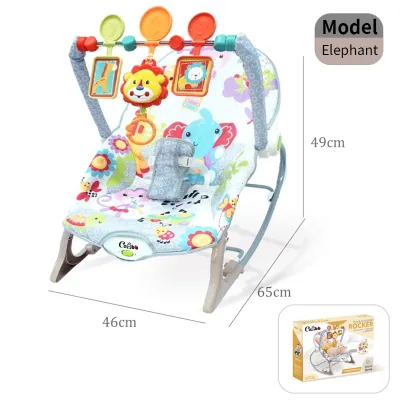
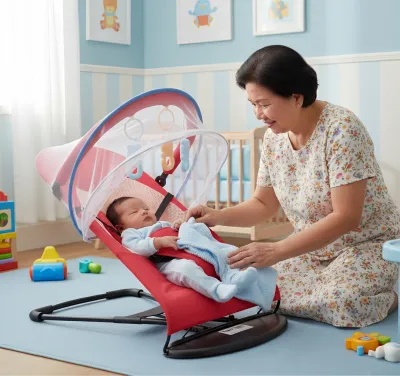
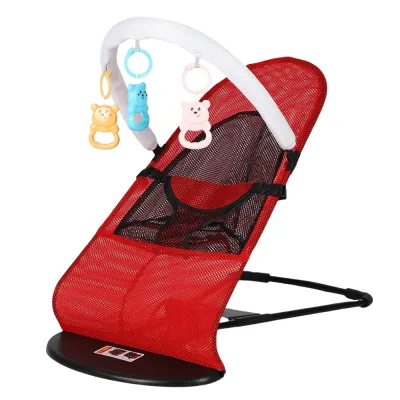
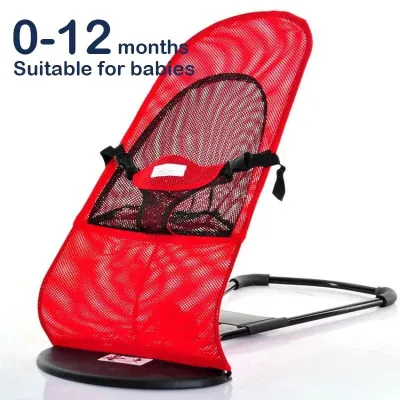
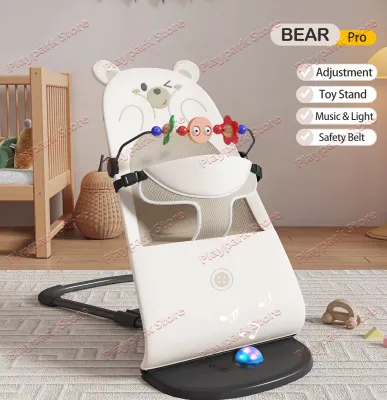
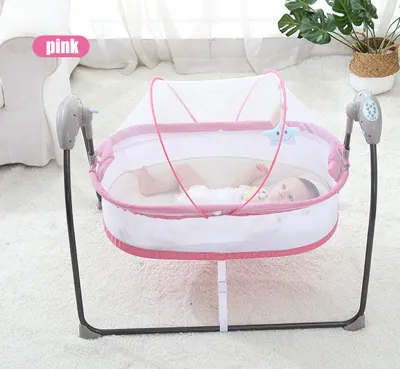
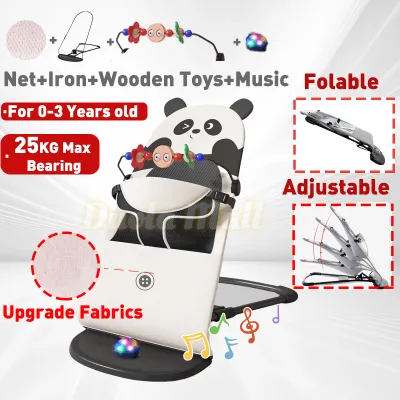
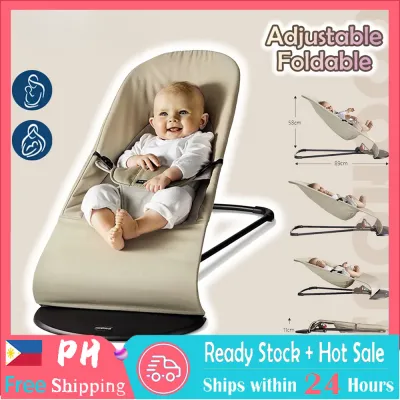
Prices are valid at publication and may change. Please refer to the product page for the latest price.
The physical structure of the rocking chair plays a critical role in preventing tip-overs. Look for a chair with a wide, low-profile footprint that distributes weight evenly across the floor. A base that is too narrow or top-heavy poses a significant risk, especially as your baby begins to wiggle or if a curious sibling or pet bumps into the chair. Non-slip rubber grips or feet on the bottom of the frame are also essential, as they prevent the chair from sliding across smooth tiled or wooden floors during active rocking.
Because safety standards are dynamic and vary globally, you should actively verify the safety certifications printed on the product’s labels or packaging. Look for recognized international standards such as ASTM (American Society for Testing and Materials), EN (European Standards), or local regulatory marks that indicate the product has undergone rigorous mechanical and chemical testing. Avoid purchasing unbranded or generic seats from online marketplaces that lack clear certification labels, as these products may use substandard plastics, weak joints, or toxic dyes that could harm your newborn.
Key Features for Comfort and Daily Use
Newborns lack the neck and core strength to sit upright. Placing a newborn in a seat that is too vertical can cause their head to flop forward, potentially obstructing their airway. Therefore, a suitable rocking chair must offer a deep recline position—ideally at an angle that keeps the baby’s torso and head properly aligned and supported. Look for models with adjustable recline settings so you can transition the seat to a more upright position as your baby gains head control in the coming months.

Rocking chairs and swings offer various motion types, each with its own set of advantages and drawbacks. Manual rocking chairs rely on your touch or the baby’s natural movements to sway, which is excellent for quiet, battery-free operation and portability. Battery-operated or plug-in models offer consistent, automated motions such as side-to-side gliding, front-to-back swinging, or gentle vibrations. While automated motions can be highly effective at soothing a fussy baby, they do require access to power sources and may produce a low humming noise that some infants find distracting.
In the tropical climate of the Philippines, high humidity and warm temperatures can quickly cause a baby to sweat, leading to discomfort or heat rashes. It is crucial to choose a rocking chair lined with highly breathable, hypoallergenic fabrics like cotton or specialized mesh panels that promote airflow. Furthermore, because spit-ups, diaper leaks, and drool are inevitable, prioritize seats with removable, machine-washable fabric covers. Avoid chairs with rough synthetic materials or non-removable covers that require tedious spot-cleaning, as these can harbor bacteria and allergens over time.
A lightweight frame and a compact folding mechanism make a world of difference in daily convenience. As a caregiver, you will likely need to move the rocking chair from the living room to the kitchen or bedroom so you can keep a close eye on your baby throughout the day. If you plan to travel to visit relatives or have limited space in your home, look for a model that folds flat for easy storage and transport. Ensure that any folding joints lock securely into place when the chair is open to prevent accidental collapsing during use.
Comparing Common Types of Rocking Seats
Understanding the structural differences between common types of rocking seats will help you match the chair to your lifestyle and home layout. Manual bouncers are lightweight, springy seats that move in response to the baby’s kicks or a gentle nudge from your hand. Motorized swings are larger, more complex devices that use electricity to mimic a swaying motion, often featuring multiple speed settings and built-in lullabies. Stationary rockers are traditional curved-base chairs that rock smoothly back and forth. While bouncers are highly portable and budget-friendly, motorized swings offer hands-free soothing but take up significantly more space.
If you opt for an automated or vibrating rocker, carefully consider the power source. Battery-operated models offer excellent portability since you can place them anywhere without worrying about cord placement, but the ongoing cost of replacing batteries can accumulate quickly. Plug-in models with AC adapters are highly cost-effective for long-term use, but they limit where you can place the chair, requiring proximity to an electrical outlet. Some modern hybrid models offer both options, giving you the flexibility to plug the unit in at home or use batteries when traveling.
Before making a purchase, measure the dedicated space in your home. Motorized swings and large multi-functional rockers often have a substantial physical footprint, requiring a clear radius of several feet to swing safely without hitting walls or furniture. If you live in a compact apartment or condominium, a sleek, low-profile manual bouncer or a folding rocker is usually a much more practical choice. Ensure that whichever type you choose, it can be placed in a high-traffic area without creating a tripping hazard for family members.
Building Your Shortlist: What to Check Before Buying
Before assembling or using any baby gear, read the manufacturer’s instruction manual from cover to cover. Pay close attention to specific assembly steps, as a single misplaced screw or improperly clicked joint can compromise the structural integrity of the chair. The manual will also outline critical safety warnings unique to that specific model, such as maximum weight capacities for different recline angles or specific guidelines on how to secure the harness.
Purchasing baby gear is an investment, and you want to ensure your purchase is protected. Verify the warranty terms and return policies offered by the retailer or manufacturer before finalizing your purchase. Reliable brands typically offer a warranty that covers manufacturing defects, frame failures, or electronic malfunctions for a set period. Knowing you have access to responsive after-sales support and genuine replacement parts provides peace of mind, especially for motorized or high-tech models.
Product safety standards are constantly updated, and occasionally, even reputable brands must issue product recalls due to newly discovered design flaws. Before buying a specific model, search the databases of international consumer protection agencies or local trade departments for any recent safety notices or recalls associated with the product. Never purchase or accept a secondhand rocking chair unless you have verified its model number against active recall lists, as older models may not meet modern safety benchmarks.
While product descriptions highlight the best features, verified user reviews offer a realistic look at how the rocking chair performs in daily life. Look for feedback from other parents regarding the durability of the frame, how well the fabric holds up after multiple washes, and whether the motor or vibration mechanism becomes noisy over time. Pay attention to reviews from users living in warm climates, as they can provide valuable insights into how breathable the fabric actually feels in humid conditions.
Safe Usage and Supervision Guidelines
The most critical rule of using any baby rocking chair, swing, or bouncer is that it must never be used unsupervised. Even if your baby is buckled securely and appears to be resting peacefully, you must remain in the same room and keep a watchful eye on them. Rocking chairs are designed as active soothing devices, not as safe sleep environments, and sudden shifts in your baby’s position can occur in the blink of an eye.
To support healthy physical development and prevent potential health risks, limit your baby’s continuous time in a rocking chair. Pediatric experts generally recommend keeping sessions to no more than 30 minutes at a time, with a total daily limit of one to two hours. Prolonged periods in a semi-reclined, semi-upright position can increase the risk of positional asphyxiation if the baby’s head slumps forward, and it can also contribute to flat head syndrome due to constant pressure on the back of the skull.
A baby rocking chair must always be placed strictly on a flat, stable floor surface. Never place the chair on elevated surfaces such as kitchen counters, tables, sofas, or beds. The natural rocking motion of the chair, combined with the baby’s movements, can cause the seat to slide or tip over the edge, resulting in severe injuries. Additionally, placing a rocker on a soft surface like a mattress or sofa can cause the chair to tilt unevenly, compromising its stability.
As your baby grows, their physical capabilities will change rapidly. You must stop using the rocking chair as soon as your baby reaches the manufacturer’s maximum weight limit or begins to show signs of developmental milestones that make the chair unsafe. These milestones include attempting to sit up independently, rolling over, or pushing up on their hands and knees. Once a baby can actively move or attempt to climb out, the risk of the chair tipping over increases dramatically, and it is time to transition them to other safe play spaces.
Frequently Asked Questions (FAQ)
Can a Newborn Sleep in a Rocking Chair?
No, a newborn should never be allowed to sleep unsupervised in a rocking chair, swing, or bouncer. While these devices are excellent for soothing a fussy baby, they are designed with an incline that poses a serious risk of positional asphyxiation. Because newborns have heavy heads and weak neck muscles, sleeping on an incline can cause their chin to drop toward their chest, compressing their airway and restricting oxygen intake. If your baby falls asleep while in the rocking chair, you should gently transfer them to a flat, firm sleep surface, such as a crib, bassinet, or playard, which conforms to safe sleep guidelines.
How to Clean and Maintain the Rocker?
To keep the rocking chair hygienic and safe, establish a regular cleaning and maintenance routine. Always check the care labels attached to the fabric seat cover to determine if it is machine-washable or requires spot-cleaning with mild soap and warm water. Avoid using harsh chemical cleaners, bleach, or strong detergents, as these can leave residues that irritate your newborn’s sensitive skin or degrade the fabric fibers. Regularly inspect the frame, checking that all screws, joints, and hinges are tight and secure. If the model is battery-operated, check the battery compartment periodically for any signs of corrosion or leakage, and replace old batteries promptly to prevent damage to the electronics.
Community discussion
Share your experience or ask a question. Comments are reviewed before publication.