
When baby-proofing a home, choosing a socket protector cover that actually stays in place depends on whether the electrical outlet is actively in use or left empty. Plug-type socket covers generally excel at securing unused outlets because they fit flush against the wall plate, leaving very little edge for a toddler to grip. Conversely, box-type socket covers are designed to protect outlets that have appliances constantly plugged into them, enclosing both the plug and the outlet faceplate within a protective plastic dome. In humid tropical environments, such as in the Philippines, the choice also hinges on how well adhesives and plastics withstand moisture and daily wear. Understanding the mechanical differences between these two styles is the first step toward creating a safer living space for your curious explorer.
Understanding Plug-Type and Box-Type Designs
To build an effective home safety strategy, caregivers must first understand the structural differences between plug-type and box-type socket protector covers. Plug-type covers are small plastic inserts with two or three prongs that slide directly into open outlet slots. Designed to sit flush against the outlet face, they minimize gaps that tiny fingers can pry open. These inserts are highly portable and inexpensive, making them a common choice for quick baby-proofing across multiple rooms.
Box-type covers are larger protective enclosures mounting over the entire outlet faceplate. They typically feature a hinged lid or a dual-button opening mechanism that allows cords to remain plugged in while keeping the socket completely inaccessible. Cords exit through small, guarded openings at the bottom, preventing toddlers from pulling them out.
Products mentioned in this guide
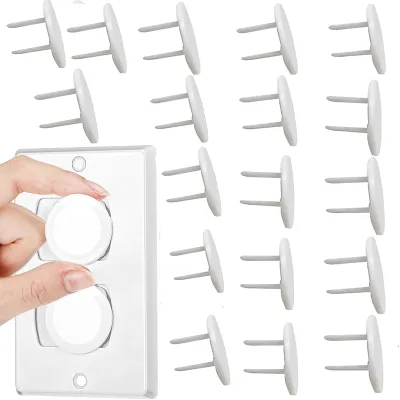
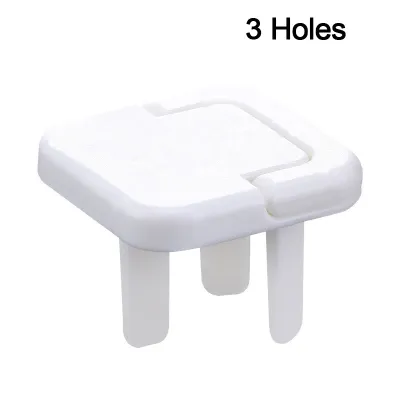
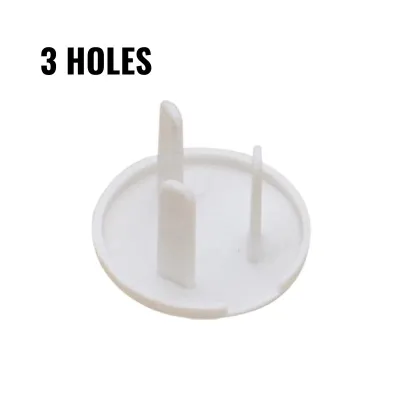
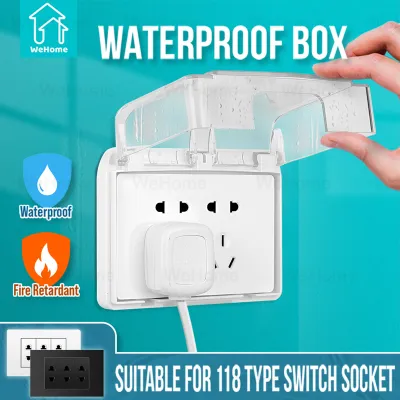
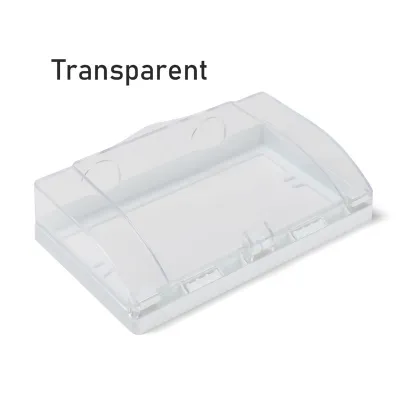
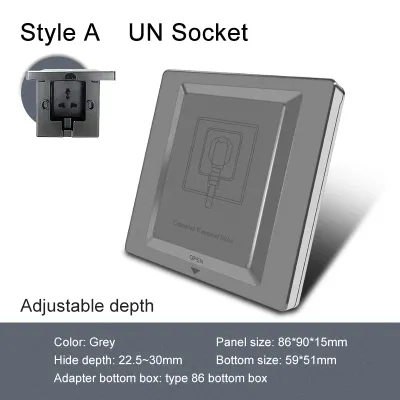
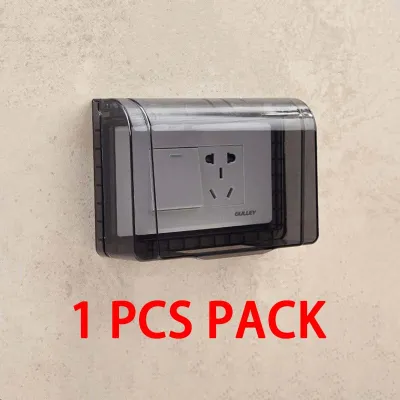
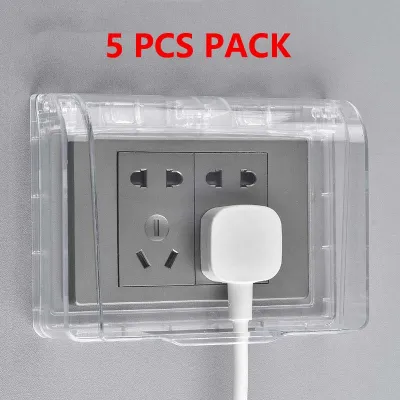
Prices are valid at publication and may change. Please refer to the product page for the latest price.
Before purchasing, perform a visual and structural check of your wall plates. Standard flat plates easily accommodate both styles. However, if your home features protruding, multi-gang, or unevenly mounted sockets, standard box-type covers may not sit flush. Gaps between the wall and a box-type cover can compromise its stability, allowing a child to pull the entire unit loose.
Additionally, check the physical condition of your outlets. Sockets that are loose, cracked, or warm to the touch require immediate professional attention before any baby-proofing device is installed. Ensuring your wall plates are structurally sound is a prerequisite for any protective cover to function as intended.
Evaluating Child Resistance and Reliability
The reliability of a socket protector cover relies heavily on its physical removal mechanism and how well it resists a toddler’s developing fine motor skills. Plug-type covers often require a specialized key, a flat tool, or a specific dual-prong squeeze release to remove. While simple plastic inserts without removal tools seem convenient, older toddlers often observe adults removing them and quickly learn to mimic the action, especially if the inserts loosen over time.

Box-type covers rely on dual-action latches, sliding locks, or squeeze-and-lift mechanisms requiring greater hand span and finger strength than a young child possesses. Because these covers enclose the entire outlet, they eliminate the visual temptation of exposed plugs. However, the physical reliability of a box-type cover is heavily dependent on its mounting method, using either strong adhesive backings or screws fastened directly into the faceplate mounting holes.
In warm, humid climates, adhesive-backed covers face unique challenges. High ambient humidity can gradually degrade adhesive bonds, causing the box to wobble or peel away from the wall when pulled. Wall texture and paint condition also play a critical role; textured plaster, matte paint, or peeling surfaces do not provide an optimal bond for adhesives, making screw-mounted box covers a more reliable alternative in these conditions.
Caregivers should routinely inspect all installed socket covers for observable signs of wear. For plug-type inserts, check if they wiggle easily within the socket or if the plastic has become brittle from heat and age. For box-type covers, look for loose hinges, hairline cracks, or any lifting along the adhesive edges. If a cover no longer fits snugly, replace it immediately to maintain a secure barrier.
Adult Ease of Use and Daily Convenience
While child resistance is paramount, the practical success of any baby-proofing device depends on how easily adults can manage it during daily household routines. If a socket protector cover is exceptionally difficult for an adult to open or remove, there is a high risk that caregivers will eventually leave it off or unlocked, defeating its purpose entirely.
Plug-type covers offer a straightforward, quick-release design for adults, but they can introduce minor daily friction. If you frequently need to plug in temporary appliances, such as a vacuum cleaner or a mobile phone charger, you must repeatedly remove the insert, store it safely out of a child’s reach, and remember to replace it immediately after unplugging the appliance. Losing the small removal keys or the inserts themselves is a common inconvenience in busy households.
Box-type enclosures provide a different set of trade-offs. Once installed, they allow permanent or semi-permanent appliances—such as refrigerators, television sets, or standing fans—to remain plugged in continuously without constant adult intervention. However, opening a box-type cover to plug in a temporary device requires navigating a multi-step latching system. This can be frustrating in high-traffic areas where quick access is needed.
Furthermore, bulky appliance plugs or right-angle adapters may not fit comfortably inside standard box-type enclosures. Forcing a large plug into a tight box can bend the cord at a sharp angle, potentially damaging the internal wiring over time. Caregivers must balance the need for robust child resistance with the physical dimensions of their appliance plugs and the frequency of socket use in each room.
Decision Framework: Which Style Fits Your Home?
To help streamline your baby-proofing decisions, consider the specific room layout, the types of appliances in use, and your child’s level of curiosity. Mixing both styles throughout the home is often the most practical approach, allowing you to customize protection based on localized risks. While simple plug-type inserts are highly economical—often costing only around ₱100 to ₱300 for a multi-pack—box-type covers represent a slightly higher investment but offer specialized protection for active outlets.
Use the following guidelines to determine the best fit for each outlet in your home:
- Choose Plug-Type if… The outlet is completely unused, located in a low-traffic area, or positioned behind heavy furniture that a child cannot move. This style is also ideal for travel or temporary stays due to its compact size and easy portability.
- Choose Box-Type if… The outlet powers a continuously plugged-in appliance, such as a refrigerator, water dispenser, or television, and is located within easy reach of a crawling or standing toddler.
- Verify first if… Your wall plates are flush, dry, and free of paint damage before opting for adhesive-mounted box covers, or if your appliance plugs are exceptionally bulky or angled.
| Feature / Consideration | Plug-Type Socket Covers | Box-Type Socket Enclosures |
|---|---|---|
| Primary Use Case | Unused, empty electrical outlets | Outlets with continuously plugged-in cords |
| Installation Method | Direct insertion into socket holes | Adhesive backing or faceplate screw mounting |
| Adult Access Friction | Low to moderate (requires tool or firm grip) | Moderate (requires operating a multi-step latch) |
| Humidity Resistance | High (not dependent on adhesives) | Variable (adhesives may weaken in humid conditions) |
| Routine Maintenance | Check for loose fit or brittle plastic | Check adhesive grip and latch functionality |
By assessing each room individually, you can deploy plug-type covers in guest rooms or high wall outlets, while reserving robust box-type covers for living rooms and kitchens where major appliances remain plugged in. This hybrid strategy minimizes daily inconvenience while maintaining a consistent level of safety where it matters most.
Installation Checks and Safety Boundaries
Proper installation is critical to ensuring that your chosen socket protector cover performs reliably over time. For adhesive-based box covers, surface preparation is the most important step. Begin by wiping the wall plate and surrounding wall area with a clean, dry cloth to remove dust, oils, and moisture. In humid environments, ensure the surface is completely dry before applying the adhesive. Press the cover firmly against the wall for the duration recommended by the manufacturer, and allow the adhesive to cure fully—typically 24 hours—before subjecting the cover to regular use or pulling forces.
Never attempt to modify socket plates or shave down plastic covers to force a fit. If a plug-type insert is extremely tight or does not slide in smoothly, do not force it, as this can damage the internal contacts of the outlet. Similarly, avoid using physically damaged covers, cracked plastics, or units with worn-out latches.
It is vital to recognize when a baby-proofing task transitions into an electrical hazard. Stop installation immediately and consult a qualified professional electrician if you observe any of the following warning signs:
- Loose, wobbly, or cracked wall plates that do not sit firmly against the wall.
- Exposed electrical wiring or visible gaps around the outlet box.
- Warmth radiating from the socket faceplate or a burning odor.
- Sparking, flickering lights, or difficulty inserting standard appliance plugs.
Addressing these underlying electrical issues is essential for overall home safety before any protective covers are applied.
Frequently Asked Questions (FAQ)
Can I use socket protector covers on extension cords or power strips?
Using socket protector covers on extension cords or power strips requires careful consideration of the manufacturer’s instructions. While plug-type inserts can physically fit into empty slots on a power strip, power strips are often left on the floor, making them highly accessible and tempting to toddlers. Standard box-type covers designed for wall outlets will not fit over a power strip. If you must use a power strip, look for specialized power strip cover boxes that enclose the entire strip, and check the manufacturer’s labels to ensure compatibility. Never enclose heat-generating adapters, heavy-duty appliances, or daisy-chained extension cords inside a sealed box, as this can lead to dangerous heat buildup.
What should I do if the adhesive on a box-type cover leaves residue or damages paint?
Before applying any adhesive-backed cover, check your wall paint type, as matte and low-VOC paints are more susceptible to peeling. If you need to remove an adhesive-mounted box cover, avoid using harsh chemical solvents that could damage the plastic outlet plate or release strong fumes. Instead, use a gentle, non-chemical technique such as warming the adhesive slightly with a hair dryer on a low setting to soften the bond, then slowly peeling it away at a shallow angle. If you notice the paint or drywall paper beginning to lift or peel, stop immediately and use a thin plastic card to gently slide behind the adhesive pad to sever the bond. Any remaining sticky residue can usually be rubbed away with a damp cloth and mild soapy water.

Community discussion
Share your experience or ask a question. Comments are reviewed before publication.