
Choosing the safest feeding bottle for your baby in the Philippines involves looking beyond brand names and focusing on the physical properties of the materials themselves. There is no single “safest” material for every baby; the ideal choice depends on your child’s developmental stage, your daily sterilization routine, and the specific material used in the Pikobello feeding bottle model or alternative brand you select. By understanding how different materials react to high heat, humidity, and daily wear, you can protect your infant’s health while ensuring the bottle remains durable over months of constant use.
In tropical climates where warmth and humidity can accelerate bacterial growth, maintaining clean, scratch-free feeding gear is a daily priority. Parents must balance the chemical purity of materials like glass against the lightweight convenience of advanced polymers. This guide provides a practical framework to help you verify product specifications, compare material safety, and establish a reliable maintenance routine that fits your family’s lifestyle.
Core Safety Standards for Baby Bottle Materials
Before comparing specific brands or materials, it is essential to understand the universal safety baselines that any reputable baby bottle must meet. The most critical label to look for is “BPA-free.” Bisphenol A (BPA) is a chemical historically used to harden plastics, which can leach into liquids when heated. Modern safety standards require infant feeding products to be entirely free of BPA, as well as related compounds like Bisphenol S (BPS) and phthalates, which are often used as plasticizers.
Products mentioned in this guide
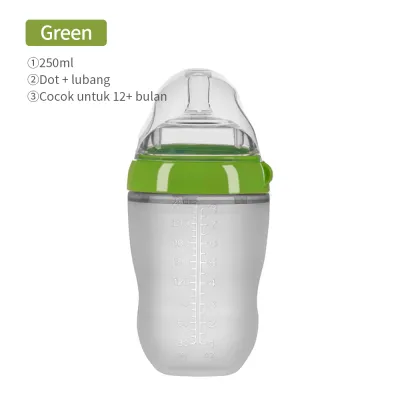
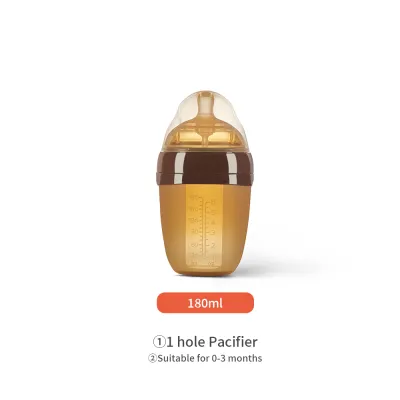
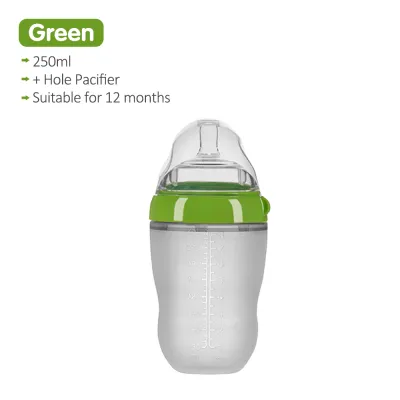
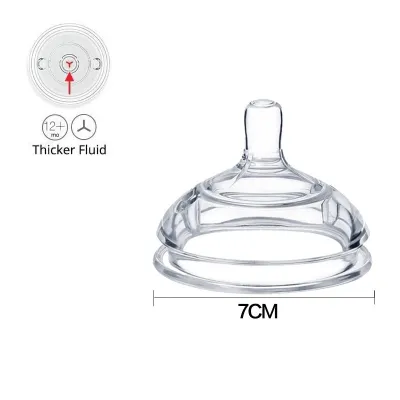
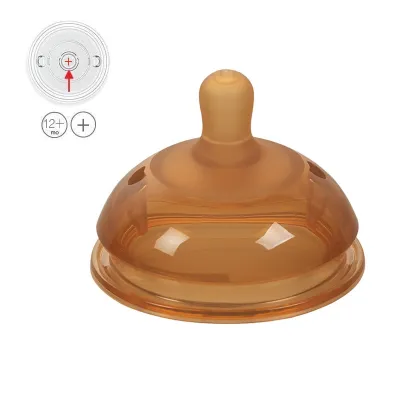
Prices are valid at publication and may change. Please refer to the product page for the latest price.
To ensure a bottle meets these standards, look for food-grade certifications and resin identification codes molded directly into the base of the bottle. A triangle with a number inside indicates the type of plastic used; for example, number 5 represents polypropylene (PP), which is widely accepted as safe for food contact. Other high-performance polymers may carry the number 7, which represents “other” plastics, requiring you to cross-reference the packaging to confirm the specific polymer type, such as PPSU.
However, a safe material label is only the first step. Material names alone do not guarantee absolute safety if the product is manufactured poorly or used incorrectly. Proper usage, adherence to temperature limits, and regular inspections for wear are equally critical to preventing chemical leaching and bacterial contamination over time.
Verifying Your Pikobello Feeding Bottle Specifications
When evaluating a Pikobello feeding bottle, you must identify the exact material of the specific model you own or plan to purchase. Manufacturers often produce bottles in various materials, including glass, polypropylene (PP), and polyphenylsulfone (PPSU). Turn the bottle over and inspect the base, the collar, and the original packaging to locate the embossed material type and resin code.

Next, consult the manufacturer’s manual or packaging insert to verify the maximum heat tolerance of each component. While the bottle body might withstand high temperatures, the nipple, collar, and cap often have different thermal limits. Knowing these limits is crucial for preventing accidental warping or degradation during sterilization, especially if you use high-heat steam or boiling water.
Before using any new bottle for the first time, perform a thorough physical inspection. Check for visible manufacturing defects, such as sharp molding lines, uneven surfaces, or unusual cloudiness in the plastic. If you notice any structural imperfections, contact the retailer or manufacturer for a replacement before introducing the bottle to your baby.
Comparing Common Bottle Materials Used by Major Brands
The baby bottle market primarily relies on three categories of materials: glass, high-performance polymers, and silicone. Each material offers distinct trade-offs regarding weight, durability, heat resistance, and ease of cleaning, making them suitable for different stages of your baby’s development.
Glass Bottles: Purity and Scratch Resistance
Glass remains a popular choice for parents who prioritize chemical purity and long-term durability. Because glass is completely inert, it does not absorb odors, retain colors from milk, or leach chemicals, even when subjected to extreme sterilization temperatures. It maintains its crystal-clear appearance throughout its lifespan, making it easy to see if the bottle is truly clean.
Another major advantage of glass is its resistance to micro-scratches. Plastic bottles can develop tiny scratches from bottle brushes over time, creating microscopic crevices where bacteria and milk residue can hide. Glass resists this wear, making it highly hygienic. However, glass is significantly heavier than plastic and poses a breakage risk if dropped. For older babies who are learning to hold their own bottles, glass requires close supervision or the addition of a protective silicone sleeve to absorb impacts.
This material is best suited for newborns who are fed exclusively by caregivers. It is also ideal for parents who prefer traditional boiling water sterilization, as glass can withstand rapid temperature changes without degrading.
High-Performance Polymers: PPSU, PES, and PP
If you prefer lightweight, drop-resistant bottles, high-performance polymers are the standard alternative to glass. Polypropylene (PP) is the most common and budget-friendly plastic used by many brands. While PP is lightweight and safe, it has a lower heat tolerance (typically around 110°C) and tends to become cloudy and scratched after a few months of daily sterilization, requiring more frequent replacement.
For greater durability, look for advanced polymers like Polyphenylsulfone (PPSU) or Polyethersulfone (PES). PPSU is a medical-grade plastic characterized by its natural honey-colored tint. It combines the lightweight benefits of plastic with the high thermal resistance of glass, often withstanding temperatures up to 180°C. This makes PPSU highly compatible with frequent steam and boiling sterilization without warping or degrading.
When using polymer bottles, you must monitor them closely for signs of aging. If a plastic bottle develops a sticky texture, deep scratches, or persistent odors, it is time to replace it. Investing in highly durable PPSU bottles can be more cost-effective in the long run, reducing the frequency of replacements.
Silicone Bottles: Flexibility and Squeeze-Feeding
Silicone bottles have gained popularity for their soft, flexible texture, which closely mimics the feel of breastfeeding. This pliable quality can make the transition from breast to bottle smoother for some infants. Many silicone bottles also allow for gentle squeeze-feeding, which can assist babies who have difficulty sucking.
When choosing a silicone bottle, inspect the rigidity of its internal structure. Because silicone is naturally soft, some models feature a rigid plastic collar or inner ring to keep the bottle upright and prevent it from collapsing during feeding. Ensure these components are easy to disassemble so that milk residue does not get trapped in the joints.
Always verify that the silicone is explicitly labeled as food-grade or medical-grade on the packaging. High-quality silicone is highly heat-resistant and durable, but it can sometimes absorb oils from breast milk or dish soap, requiring thorough rinsing and proper ventilation to prevent lingering odors.
Sterilization and Daily Care: How Material Dictates Maintenance
Your choice of bottle material directly dictates your daily cleaning and sterilization workflow. In the humid climate of the Philippines, moisture can easily trap bacteria if bottles are not dried completely. Always match your sterilization method—whether boiling, electric steam, or UV light—to the specific material guidelines provided by the manufacturer.
Boiling is a highly accessible method, but it requires caution. When boiling plastic or silicone bottles, ensure they do not touch the bottom or sides of the pot, as direct contact with the hot metal can exceed the material’s thermal limits and cause melting. Steam sterilizers are highly efficient but require regular descaling with vinegar to remove mineral buildup from local tap water, which can otherwise coat your bottles.
Regularly inspect all bottle components for signs of material degradation. Discoloration, warping, cracks, or a sticky residue are clear indicators that the material has reached the end of its usable life. Additionally, establish a routine to inspect and replace bottle nipples independently of the bottle body, as nipples are subjected to constant biting and stretching.
Decision Framework: Choosing the Right Material for Your Baby
To finalize your choice, consider your baby’s age, feeding habits, and your daily routine. This framework helps you match the right material to your specific needs:
- Choose Glass if: You prioritize maximum chemical purity, want a bottle that resists scratches indefinitely, and are primarily feeding a newborn yourself.
- Choose PPSU or PES if: You need a lightweight, highly durable, and drop-resistant bottle for travel, daycare, or an older baby who is learning to hold their own bottle.
- Choose Silicone if: Your baby is transitioning from breastfeeding and prefers a soft, flexible texture that mimics natural feeding.
If you are purchasing Pikobello or other popular bottle brands from online marketplaces, always verify the seller’s authorization. Look for official mall tags or authorized distributor badges. Upon delivery, inspect the physical packaging for authentic seals, clear English instructions, and molded material indicators on the bottle base before washing or using the product.
Frequently Asked Questions (FAQ)
How often should I replace my baby's feeding bottles?
While bottle nipples should generally be replaced every two to three months due to wear and tear, the replacement frequency for the bottle body depends entirely on the material. Glass bottles do not need routine replacement unless they develop chips, cracks, or deep scratches. Standard PP plastic bottles should typically be replaced every three to six months, as they degrade faster under high heat. High-performance PPSU bottles are much more durable and can often last up to a year of daily use, provided they show no signs of physical damage, cloudiness, or sticky surfaces.
Can I use a UV sterilizer for all Pikobello and competitor bottles?
No, you cannot use a UV sterilizer for all bottle materials without checking the manufacturer’s instructions first. UV light can accelerate the degradation of certain plastics and silicone, causing them to become brittle, discolored, or prone to cracking over time. While glass and high-quality PPSU generally tolerate UV sterilization well, standard PP plastics can degrade rapidly under constant UV exposure. Always consult the specific manual for both your bottle and your sterilizer to confirm compatibility before proceeding.

Community discussion
Share your experience or ask a question. Comments are reviewed before publication.