
Selecting the ideal baby bottle involves balancing safety, durability, convenience, and cost. For parents choosing a pigeon wide neck bottle, this decision often comes down to selecting the right material: Polyphenylsulfone (PPSU), Polypropylene (PP), or Borosilicate Glass. Each material serves a distinct purpose, responding differently to daily wear, high-temperature sterilization, and the active handling of a growing baby.
While all three options are designed to meet strict food-contact safety standards, their physical properties dictate how they perform in your kitchen and on the go. Understanding these differences allows you to choose the material that best matches your baby’s developmental stage, your preferred cleaning routine, and your household budget.
Understanding PPSU, PP, and Glass for Baby Bottles
Polyphenylsulfone (PPSU) is a high-performance, medical-grade thermoplastic. It is widely recognized for its durability and high thermal resistance, making it a popular choice for medical devices and premium baby products. PPSU naturally possesses a distinct honey-colored tint, which is a characteristic of the raw material rather than an added dye or a sign of age.
Products mentioned in this guide
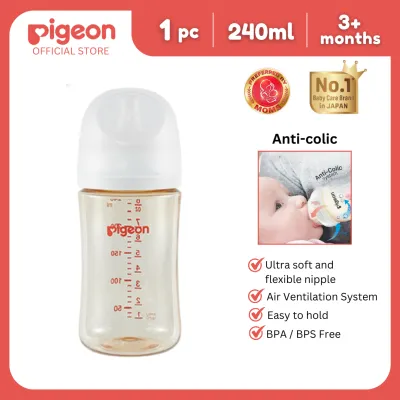
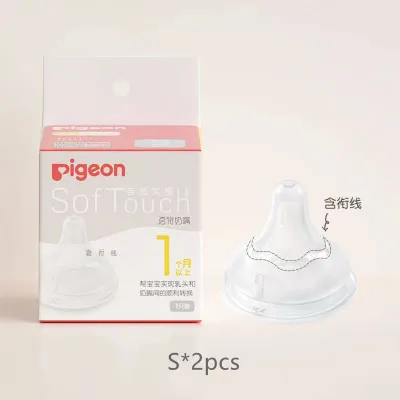
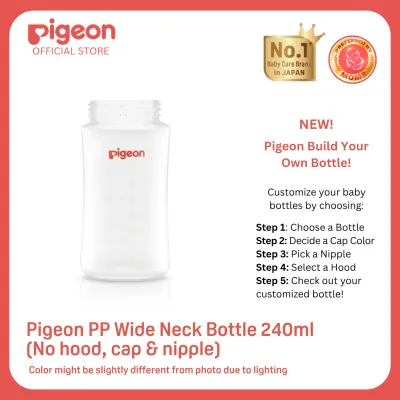
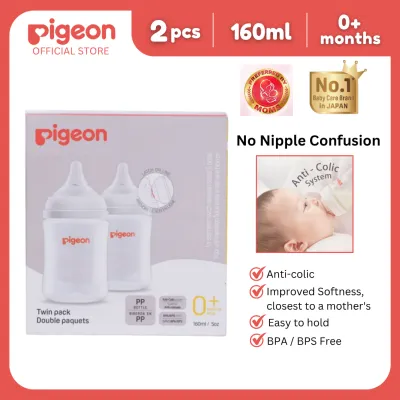
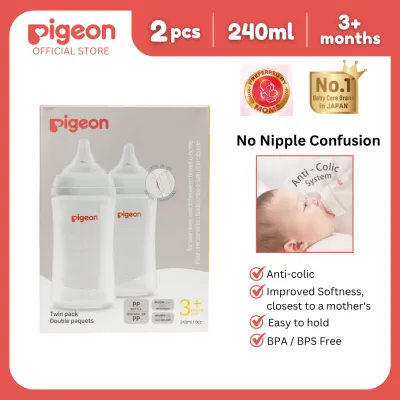
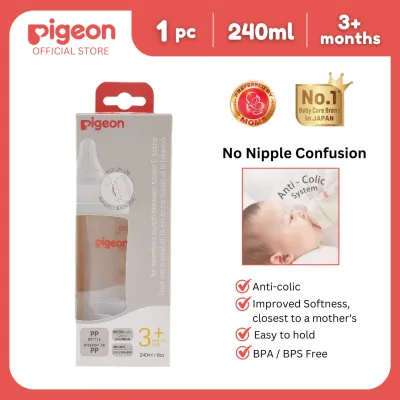
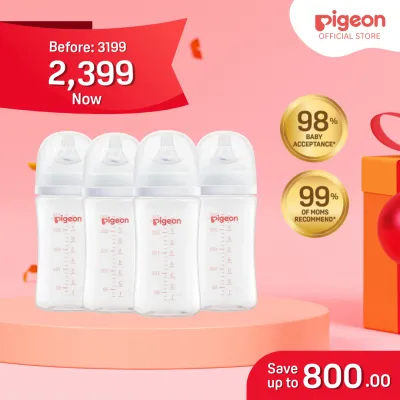
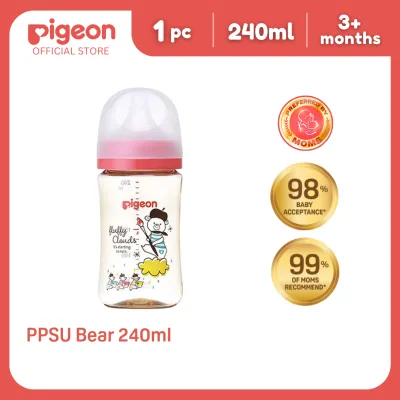
Prices are valid at publication and may change. Please refer to the product page for the latest price.
Polypropylene (PP) is a standard food-grade plastic that is highly flexible, lightweight, and cost-effective. It is the most common plastic used in consumer food containers and baby bottles worldwide. PP bottles are generally semi-translucent or slightly cloudy in appearance, offering a practical and lightweight option for daily feeding.
Borosilicate glass is a specialized type of glass engineered to withstand sudden temperature fluctuations without cracking. It is highly valued for its exceptional purity, scratch resistance, and long-term clarity. Unlike ordinary glass, borosilicate glass is more resilient against thermal shock, though it remains susceptible to physical impact.
Pigeon offers these three material options to accommodate different feeding routines, baby ages, and caregiver preferences. In tropical climates like the Philippines, where high humidity can encourage bacterial growth on poorly dried surfaces, selecting a material that aligns with your preferred cleaning and sterilization method is essential. While all three materials are safe and free from harmful chemicals when sourced from authorized manufacturers, their physical structures alter how they handle heat, impact, and long-term use.
Key Differences: Durability, Heat Resistance, and Daily Use
Evaluating how each material performs under daily pressure helps narrow down the best option for your household. The primary differences emerge when comparing weight, heat tolerance, and visual wear over time.

Weight, Durability, and Handling
Weight plays a major role in daily feeding comfort. Glass bottles are significantly heavier, which can tire a caregiver’s wrist during late-night feedings and makes them unsafe for babies to hold independently. If dropped on hard surfaces—such as the ceramic tile floors common in many Philippine homes—glass can easily shatter, creating immediate safety hazards.
In contrast, PPSU and PP are exceptionally lightweight. PPSU stands out for its high impact resistance; it can survive repeated drops onto hard surfaces without cracking or chipping. PP is also highly shatterproof, but its softer surface makes it highly susceptible to physical wear, including micro-scratches from bottle brushes.
Heat Tolerance and Sterilization Compatibility
Sterilization is crucial for protecting an infant’s developing immune system. However, different materials tolerate heat differently. PPSU is highly resilient, often capable of withstanding temperatures up to 180°C, making it compatible with steam, boiling water, and UV sterilizers. PP has a lower heat tolerance, typically around 110°C, meaning prolonged exposure to extreme heat can accelerate its degradation.
Glass possesses excellent heat tolerance, easily enduring boiling and steam sterilization. When using UV sterilizers, which are increasingly popular in modern nurseries, parents must exercise caution. While glass and PPSU handle UV exposure exceptionally well, standard PP can degrade more rapidly under continuous UV light, leading to premature cloudiness and brittleness. Always verify the exact temperature limits and sterilization methods approved on your specific bottle’s packaging.
Clarity, Aesthetics, and Long-Term Wear
The visual appearance of a bottle changes over its lifespan. Glass remains perfectly clear throughout its entire usage cycle, resisting stains from milk fats and refusing to absorb odors. PPSU features a distinct, natural honey-colored or amber tint. This golden hue is a characteristic of the raw material itself and does not indicate chemical leaching, aging, or contamination.
PP bottles are semi-translucent or slightly milky when new. Over time, repeated exposure to high heat and washing causes PP to lose its clarity, turning increasingly cloudy, yellowed, or opaque.
| Material | Weight | Durability | Natural Color | General Sterilization Suitability |
|---|---|---|---|---|
| Glass | Heavy | Fragile (Shatter risk) | Crystal Clear | Steam, Boiling, UV (Check label) |
| PPSU | Lightweight | Highly Shatterproof | Honey/Amber Tint | Steam, Boiling, UV (Check label) |
| PP | Lightweight | Moderate (Prone to scratches) | Semi-Translucent | Steam, Boiling, Limited UV (Check label) |
Note: Always check the specific manufacturer instructions on your bottle’s packaging to verify exact temperature limits and approved sterilization methods.
How to Choose the Right Pigeon Wide Neck Bottle Material
Translating material features into practical buying decisions depends on your baby’s age, who is holding the bottle, and where the feeding takes place.
Best for Newborns and Primarily Home Use
During the first few months of life, infants feed frequently but cannot hold their own bottles. Because caregivers handle the feeding entirely, glass bottles are highly practical for this stage. Glass offers an incredibly hygienic surface that is easy to sanitize thoroughly. It does not retain the oily residue of breast milk or formula, which can sometimes be difficult to wash away in warm, humid weather. The weight of the glass is manageable for an adult, and the risk of drops is minimized. However, caregivers must remain vigilant about the potential for thermal shock or accidental drops during late-night feedings.
Best for Older Babies and Active Toddlers
As babies reach the age of six months and beyond, they begin developing motor skills and often attempt to hold their own bottles. For this transition, a pigeon wide neck bottle made of PPSU is highly recommended. Its lightweight nature allows small hands to grip and lift the bottle comfortably, encouraging self-feeding. More importantly, PPSU’s shatterproof quality provides peace of mind when a baby inevitably drops or throws the bottle onto hard floors. It combines the safety and hygienic benefits of glass with the practical, lightweight convenience of plastic, making it a durable, long-lasting investment for active households.
Best for Budget-Conscious Needs and Travel
For families managing a strict budget or looking for highly portable options, PP bottles are an excellent choice. In the Philippine market, PP bottles are highly accessible, typically costing around ₱250 to ₱450. In contrast, premium PPSU bottles generally range from ₱800 to over ₱1,200. This price difference makes PP an economical choice for building a larger bottle rotation or for keeping as dedicated travel bottles in a diaper bag. Because they are lightweight, they add minimal bulk to travel gear. However, parents should factor in the cost of more frequent replacements, as PP bottles wear out faster than glass or PPSU.
Cleaning, Sterilizing, and Knowing When to Replace
Maintaining baby bottles properly is vital for infant health. When washing any bottle, use a mild, baby-safe liquid cleanser and a soft sponge brush. Avoid using abrasive scrubbing pads or stiff-bristled nylon brushes, which can create microscopic scratches on plastic surfaces. These tiny crevices can harbor milk proteins and bacteria, compromising hygiene. After washing, ensure all components are sterilized according to the manufacturer’s instructions. In humid climates, it is equally important to let the bottles dry completely in a clean, well-ventilated drying rack before assembly, as trapped moisture can encourage mold growth.
Knowing when to retire a bottle is critical for maintaining safety. Establish a routine of inspecting each bottle before feeding. Look for the following warning signs:
- Deep Scratches or Scuffs: Especially on PP and PPSU bottles, as these can trap bacteria.
- Persistent Cloudiness or Discoloration: A sign that plastic polymers are degrading.
- Cracks, Chips, or Fractures: Crucial for glass bottles, which must be discarded immediately if any structural flaw is detected.
- Lingering Odors or Stains: If a bottle retains a sour smell even after thorough washing and sterilization, it is time to replace it.
As a general safety boundary, if you notice any compromise in the material’s integrity, or if the care instructions of your sterilizer conflict with the warnings on your bottle’s packaging, stop using the bottle immediately. Consult the manufacturer or a qualified pediatric professional if you have concerns about feeding safety.
Frequently Asked Questions (FAQ)
Can I mix Pigeon bottle parts made of different materials?
Yes, the wide-neck collars, nipples, and caps designed by Pigeon are generally cross-compatible across their wide-neck bottle range, regardless of whether the bottle body is glass, PP, or PPSU. However, always verify compatibility guides provided by the manufacturer to ensure a leak-proof seal, as mixing parts from different product lines (such as narrow-neck and wide-neck) will not work.
Why does my PPSU bottle have a yellowish or amber tint?
The amber or honey-like color is the natural state of medical-grade Polyphenylsulfone (PPSU) plastic resin. Unlike other plastics that turn yellow as they degrade, PPSU is manufactured with this distinct tint. It is completely safe, does not indicate chemical leaching, and will not fade or wash out over time.
Are Pigeon glass bottles safe to take outside the house?
While glass bottles are highly durable against heat and scratches, carrying them outdoors increases the risk of accidental drops and shattering on concrete or asphalt. If you prefer to use glass outdoors, it is highly recommended to fit the bottle with a protective silicone sleeve to absorb impacts. For maximum safety and convenience during travel, switching to lightweight PPSU or PP bottles is often the most practical choice.

Community discussion
Share your experience or ask a question. Comments are reviewed before publication.