
When choosing feeding essentials for your baby, understanding the materials that come into direct contact with their mouth is a top priority. Pigeon slim neck nipples are primarily made from silicone, a material favored for its softness and durability. However, not all silicone is created equal, and proper care is essential to maintain its safety and integrity. This guide breaks down what you need to know about the material composition, how to verify its safety before purchasing, and the best practices for cleaning and replacing these nipples to ensure a secure feeding experience.
Understanding the Silicone Used in Pigeon Slim Neck Nipples
Food-grade silicone is the standard material used in high-quality baby bottle nipples due to its unique physical properties. Unlike traditional latex, which can trigger allergies and degrade quickly, silicone is hypoallergenic, highly flexible, and exceptionally soft. This flexibility allows the nipple to stretch and mimic the natural movement of a mother’s breast during feeding, supporting a comfortable latch for your baby. Additionally, food-grade silicone is highly resistant to absorbing odors, flavors, or colors from breast milk and infant formula, ensuring a clean taste with every feed.
To understand the specific type of silicone used in your baby’s nipples, you must carefully read the product packaging and inserts. Manufacturers typically list the material composition on the back of the box or within the enclosed user guide, often identifying it as “silicone rubber” or “liquid silicone rubber” (LSR). LSR is highly valued for its purity, high thermal stability, and consistent elasticity, making it an ideal choice for infant feeding products. Checking these labels ensures you are aware of any specific material grades or proprietary designs the manufacturer has implemented.
Products mentioned in this guide
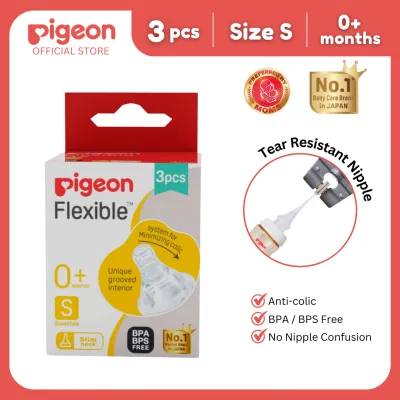
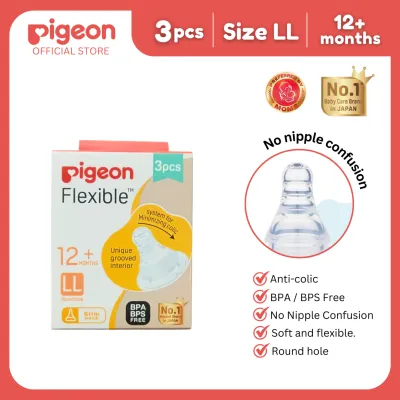
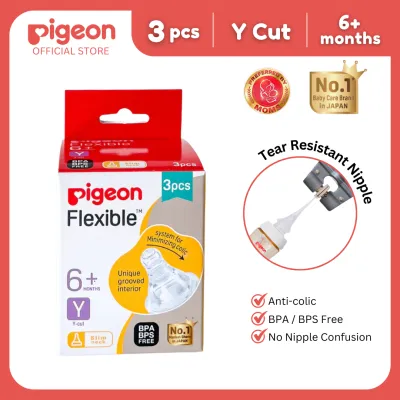
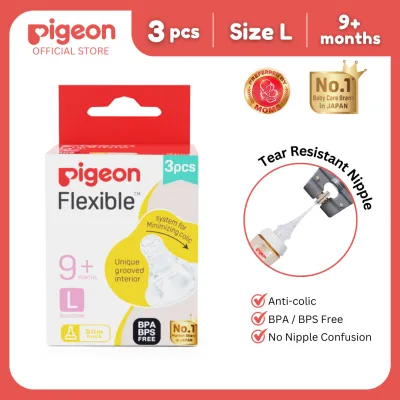
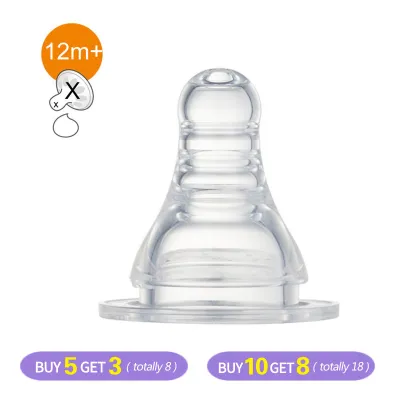
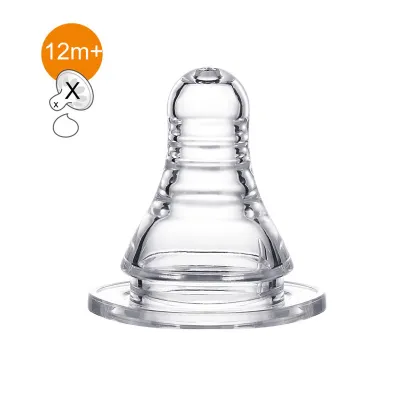
Prices are valid at publication and may change. Please refer to the product page for the latest price.
Material transparency is a cornerstone of infant feeding safety and provides essential peace of mind for parents. Knowing the exact composition of the nipple helps you make informed decisions about how to clean, sterilize, and store the product without compromising its structural integrity. When brands provide clear, accessible information about their materials, it demonstrates a commitment to safety and quality, allowing you to trust that the product is free from hidden fillers or low-grade plastics.
How to Verify Material Safety and Authenticity Before Buying
Verifying the safety and authenticity of baby products is crucial, especially with the rise of counterfeit goods on various online marketplaces. Counterfeit nipples may look identical to genuine ones, but they are often manufactured using unverified, low-grade materials that do not meet strict safety standards. These imitation products can leach harmful chemicals or tear easily, presenting a severe choking hazard to your infant.

When purchasing Pigeon slim neck nipples, look for clear safety declarations on the packaging, such as “BPA-free” and “BPS-free” labels. Genuine packaging also features standard food-grade symbols, indicating that the material has been verified as safe for food contact. Additionally, inspect the packaging for official authenticity markers, which may include holographic stickers, distinct batch numbers printed on the box, or secure QR codes that allow you to verify the product directly with the manufacturer.
To guarantee material integrity, always purchase feeding essentials from authorized retailers, official brand flagship stores on reputable ecommerce platforms, or established local pharmacies. Avoid buying from unverified third-party sellers who offer products at suspiciously low prices. Investing a few hundred pesos (₱) in genuine, authorized products ensures that your baby is feeding from a safe, thoroughly tested, and high-quality silicone nipple.
Cleaning, Sterilizing, and Caring for Silicone Nipples
Proper care and hygiene are essential to prolong the lifespan of silicone nipples and protect your baby’s health. While silicone is highly heat-resistant, it is not indestructible, and improper cleaning methods can accelerate material breakdown. Always consult the manufacturer’s manual to verify the specific temperature limits and approved sterilization methods for your specific nipple model.
Sterilization is a critical step, particularly in warm and humid tropical climates like the Philippines, where bacteria and mold can multiply rapidly. Standard sterilization methods include boiling, steam sterilization, and UV exposure. However, you must check the product documentation before using UV sterilizers, as prolonged exposure to UV light can degrade certain silicone formulations over time. When boiling, ensure the nipples do not touch the hot sides of the pot, as this can cause localized melting or warping.
When washing the nipples, select appropriate cleaning tools to prevent damaging the material. Avoid using harsh abrasive scrubbers, steel wool, or stiff-bristled brushes, which can create micro-scratches on the silicone surface. These tiny scratches can harbor bacteria and milk residue, making the nipple difficult to clean thoroughly. Instead, use a soft-bristled silicone nipple brush or a sponge designed specifically for delicate baby bottle components, along with a mild, food-grade bottle cleanser.
Regularly inspect the nipples for observable signs of material degradation during the cleaning process. If you notice any cloudiness, a sticky or tacky texture, swelling, or a lingering sour odor that persists after washing, the silicone has begun to break down. In a humid environment, moisture can also trap odors if the nipples are not allowed to air-dry completely in a well-ventilated area. If any signs of degradation are present, discontinue use immediately to ensure your baby’s safety.
When to Replace Your Pigeon Slim Neck Nipples
Establishing a proactive replacement routine is far safer than waiting for a nipple to fail completely during a feeding session. While many parents rely on a fixed calendar timeline, the actual lifespan of a silicone nipple depends heavily on usage frequency, cleaning methods, and your baby’s developmental stage. Regular visual and tactile inspections are the most reliable way to determine when it is time for a new nipple.
Before every feeding, perform a simple “pull test” by gently tugging the nipple bulb in all directions. Inspect the silicone for structural failures, such as tiny tears, thinning walls, or an enlarged flow hole that causes milk to drip too quickly. A damaged nipple can cause your baby to choke or swallow excess air, leading to colic and discomfort. If you observe any physical damage or if the nipple collapses easily during feeding, replace it immediately.
Your baby’s growing suction strength and teething stage will also accelerate material wear. Teething infants often bite down on the nipple, which can quickly create small punctures or tears that compromise the structural integrity of the silicone. Additionally, ensure you are using the correct nipple size and flow rate recommended for your baby’s age and developmental stage, as using an incorrect size can lead to feeding frustration or excessive wear on the material.
Always keep a backup pack of genuine, sealed nipples on hand so you can replace a damaged one instantly without delay. When disposing of old silicone nipples, cut them in half to prevent them from being reused, and discard them safely in your household waste. Taking these proactive steps ensures a continuous, safe, and comfortable feeding experience for your little one. If feeding issues persist or if you have concerns about your baby’s latch, consult a pediatrician or a qualified lactation professional.
Frequently Asked Questions (FAQ)
Are Pigeon slim neck nipples BPA-free?
Genuine Pigeon silicone nipples are manufactured without BPA (Bisphenol A) or BPS (Bisphenol S), ensuring they are safe for infant feeding. However, because counterfeit products are common on unverified online platforms, you must verify these safety claims by inspecting the packaging for official brand markings and purchasing exclusively from authorized retailers.
Can I use UV sterilizers on Pigeon silicone nipples?
You should consult the specific product manual before using a UV sterilizer on your silicone nipples. While food-grade silicone is highly durable, prolonged or repeated exposure to UV radiation can accelerate the degradation of certain silicone formulations, potentially causing the material to become brittle, discolored, or sticky over time.
Why does my silicone nipple feel sticky after washing?
A sticky or tacky texture indicates that the silicone polymer has begun to break down and degrade. This material failure is typically caused by age, exposure to excessive heat during sterilization, or the use of harsh chemical detergents. Once a silicone nipple becomes sticky, it can harbor bacteria and tear easily; you must discard it immediately and replace it with a new one.

Community discussion
Share your experience or ask a question. Comments are reviewed before publication.