
Choosing the right bottle nipple for your baby is a decision that directly impacts their feeding comfort, latch success, and overall development. When exploring options from trusted brands like Pigeon, you will primarily encounter two distinct materials: silicone and natural rubber latex. There is no single option that works for every infant, as the ideal choice depends on your baby’s unique sucking habits, age, potential sensitivities, and your daily cleaning routine. By understanding how these materials behave under different conditions, you can make an informed choice that keeps feeding time stress-free and safe.
Understanding the Core Differences Between Silicone and Latex
Silicone and latex nipples differ significantly in their physical properties, starting with their visual appearance. Silicone nipples are completely clear and transparent, which allows you to easily monitor the flow of milk and check for any leftover residue or clumping during cleanups. In contrast, latex nipples have a distinct yellowish or brownish hue and are opaque. This natural coloration makes it slightly more challenging to visually inspect the milk flow or spot tiny particles inside the nipple bulb without careful backlighting.
The texture and flexibility of these two materials also create different feeding experiences. Silicone is a synthetic, medical-grade material that is relatively firm and holds its shape exceptionally well under suction. It resists collapsing even when a baby sucks vigorously. Latex, which is made from natural rubber, is much softer, highly elastic, and more pliable. It stretches and flexes easily, mimicking the natural movement of skin during breastfeeding.
Products mentioned in this guide
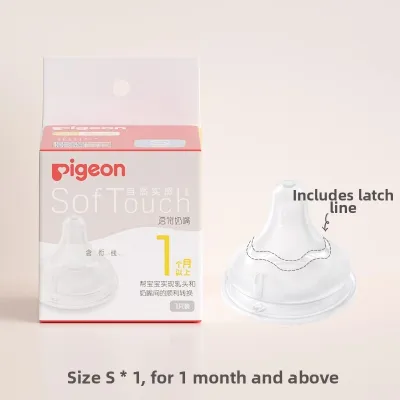
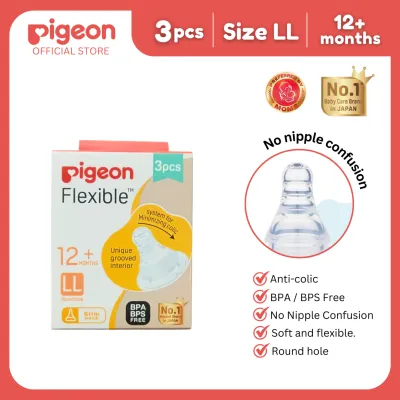
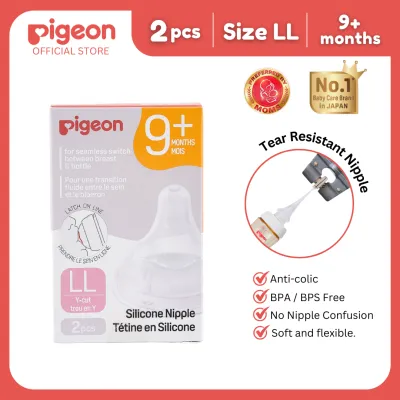
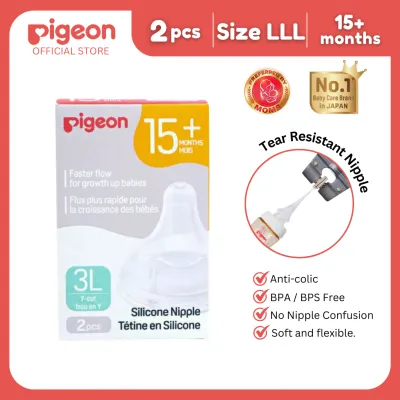
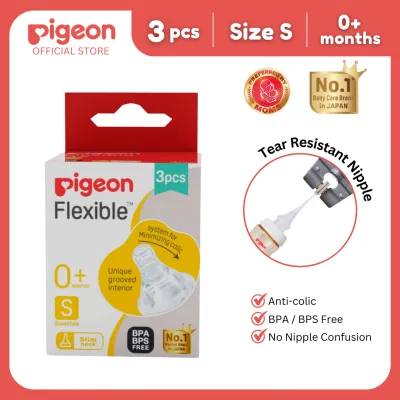
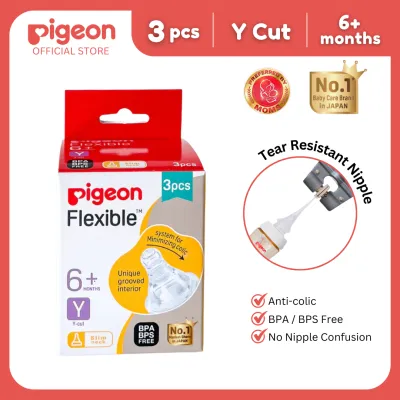
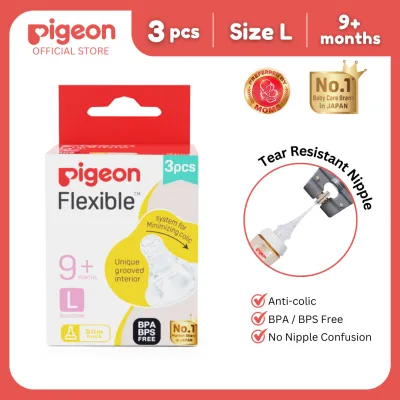
Prices are valid at publication and may change. Please refer to the product page for the latest price.
These physical traits directly influence how your baby latches and how you handle the bottle during preparation. Because silicone is firmer, it requires more active jaw movement from the baby to compress and release milk, which can help support oral development. Latex, being highly flexible, conforms quickly to the shape of the baby’s mouth with minimal effort. For caregivers, silicone’s rigidity makes it easier to assemble onto bottle collars, whereas latex requires a gentler touch to avoid overstretching the material during assembly.
Evaluating Safety, Allergies, and Durability
Safety is the primary consideration when introducing any feeding accessory to your baby. Because latex is a natural rubber product, it carries a risk of triggering latex allergies. Before introducing a latex nipple, it is essential to review your family’s history of allergies and consult a pediatrician if you have any concerns. If your baby shows any signs of discomfort or skin irritation, switching to silicone is a standard and safe alternative.

The durability and degradation patterns of silicone and latex are also vastly different, especially in warm and humid environments. Latex is highly sensitive to environmental factors and degrades much faster than silicone. Over time, latex nipples will absorb moisture and fats from milk, causing them to become sticky, discolored, swollen, or excessively soft. Silicone, on the other hand, does not absorb fats or moisture in the same manner, but it is prone to tearing or developing micro-cracks, especially once your baby starts teething.
To prevent choking hazards, you must establish a strict inspection routine before every single feeding. Gently pull the nipple bulb in all directions and inspect the tip, the vent valve, and the base. If you notice any stickiness, swelling, tears, or changes in the flow hole on a latex nipple, discard it immediately. For silicone nipples, look closely for tiny punctures, cloudiness, or hairline tears that could expand during feeding and cause a sudden rush of milk.
Heat resistance is another critical safety factor that dictates how you can sterilize these materials. Silicone has a very high heat tolerance, making it compatible with boiling water, steam sterilizers, and ultraviolet (UV) sterilization systems. Latex has a much lower heat tolerance and degrades rapidly when exposed to high temperatures or UV light. Always check the manufacturer’s product labels on your specific Pigeon packaging to verify the approved sterilization methods and temperature limits for the material you choose.
Matching the Nipple Material to Your Baby's Feeding Stage and Preference
Your baby’s age, sucking strength, and feeding history play a major role in determining which nipple material they will prefer. For newborns or infants who are transitioning from direct breastfeeding to bottle-feeding, the ultra-soft texture of latex can be highly beneficial. Because latex mimics the warmth and flexibility of maternal skin, it can ease the transition and help a young baby establish a comfortable latch without rejecting the bottle.
As babies grow older and develop stronger jaw muscles, their feeding needs change. Older infants, particularly those who are teething, often do better with silicone nipples. The firmer structure of silicone can withstand the pressure of a baby’s gums and emerging teeth. If an older baby uses a soft latex nipple, they may easily collapse the bulb or bite through the material, creating a safety hazard and disrupting the feeding flow.
Paying close attention to your baby’s feeding cues will help you identify if they are rejecting a specific material. Signs of rejection include fussiness during feeds, the nipple repeatedly slipping out of their mouth, or a sudden refusal to latch. Some babies may also struggle with poor milk transfer, taking too long to finish a bottle or swallowing excessive air because they cannot maintain a proper seal on a material that is either too firm or too soft for them.
Regardless of the material you select, it must be paired with the correct flow rate and size. Pigeon offers a structured sizing system designed to match your baby’s developmental milestones. A silicone nipple of a certain size may flow slightly differently than a latex nipple of the same size due to the material’s flexibility. Always refer to the official Pigeon size charts and monitor your baby’s swallowing patterns to ensure the flow rate matches their swallowing capability.
Care, Cleaning, and Replacement Guidelines
Proper maintenance is essential to prolong the life of your baby’s bottle nipples and ensure hygienic feeding. When cleaning, always wash your hands thoroughly first. Use a mild, baby-safe bottle cleanser and a soft nipple brush to clean the inside of the bulb gently. Avoid using harsh chemical disinfectants or oil-based cleansers, as these substances can rapidly break down natural rubber latex, making it sticky and unusable within a short period.
Sterilization routines must be tailored to the specific material’s limits. While silicone can easily withstand regular steam or boiling cycles, latex requires a much gentler approach. If you are boiling latex nipples, keep the boiling time strictly within the manufacturer’s recommended limit to prevent the rubber from warping or softening. Avoid placing latex nipples in UV sterilizers unless the packaging explicitly states it is safe, as UV rays can accelerate the aging of natural rubber.
Knowing when to replace a nipple is crucial for your baby’s safety. Rather than relying solely on a fixed calendar schedule, let the physical condition of the nipple guide your replacement timeline. As a general rule of thumb, latex nipples often need replacement every 4 to 8 weeks due to natural wear, while silicone nipples can last between 2 to 3 months. However, you must replace either material immediately if you observe stickiness, persistent cloudiness, tears, or an altered flow rate.
Storage conditions are particularly important in tropical climates like the Philippines, where high humidity and heat can accelerate material degradation. Store all sterilized nipples in a clean, dry, and airtight container away from direct sunlight, hot appliances, and damp areas. Keeping latex nipples away from heat and light helps preserve their elasticity and prevents them from becoming sticky prematurely.
Decision Framework: Which Pigeon Nipple Should You Buy?
To finalize your decision, consider this practical framework based on your baby’s needs and your household routine:
Choose Silicone if:
- You prefer a highly durable material that lasts longer and resists tearing.
- You use steam, boiling, or UV sterilizers regularly and want a material with high heat tolerance.
- Your baby is older, has a strong bite, or is currently teething.
- You want a clear material that makes it easy to check for cleanliness and milk flow.
Choose Latex if:
- You are feeding a newborn or transitioning a baby from direct breastfeeding who prefers a very soft, skin-like texture.
- Your baby struggles to latch onto firmer silicone nipples.
- There is no family history of latex allergies, and you are comfortable with a shorter replacement cycle.
- You are willing to use gentle, non-UV sterilization methods to protect the natural rubber.
Verify First if:
- Your baby shows any signs of skin redness or irritation around the mouth during or after feeding.
- You are changing sizes or flow rates, as a transition between materials may require a brief adjustment period.
- You are purchasing replacement parts in the Philippines; always buy from authorized local baby stores or official online brand stores to ensure you receive authentic, unexpired, and high-quality Pigeon products.
Frequently Asked Questions (FAQ)
Can I switch my baby from latex to silicone nipples suddenly?
Yes, you can attempt to switch, but be prepared for a brief adjustment period. Because silicone is noticeably firmer and less flexible than latex, your baby may initially reject the new texture or struggle to maintain their usual latch. To make the transition smoother, try introducing the silicone nipple during a feed when your baby is relaxed and not overly hungry. Observe their feeding cues closely, and if they show persistent frustration, you may need to transition gradually by alternating between the two materials over a few days.
How do I know if my baby is allergic to latex nipples?
A latex allergy typically presents as a localized skin reaction where the nipple makes contact with your baby’s face. Look for observable signs such as redness, swelling, tiny bumps, or a rash around the mouth and lips immediately after feeding. Your baby may also become unusually fussy or uncomfortable during or after a feed. If you observe any of these symptoms, stop using the latex nipple immediately, switch to a silicone alternative, and consult your pediatrician for a professional medical evaluation.

Community discussion
Share your experience or ask a question. Comments are reviewed before publication.