
Quick Answer: Which Pigeon Bottle Material Should You Choose?
When preparing for your baby’s feeding journey or upgrading your current gear during a major online shopping event like a pigeon official store sale, choosing the right bottle material is one of the most practical decisions you will make. There is no single “best” material that fits every household. Instead, the ideal choice depends on your baby’s current developmental stage, your daily sterilization routine, and how the bottles will be handled.
To help you make an immediate decision, consider this quick summary:
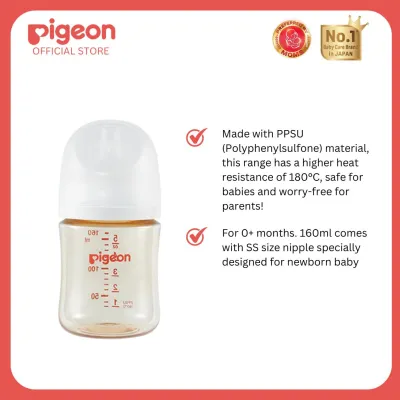
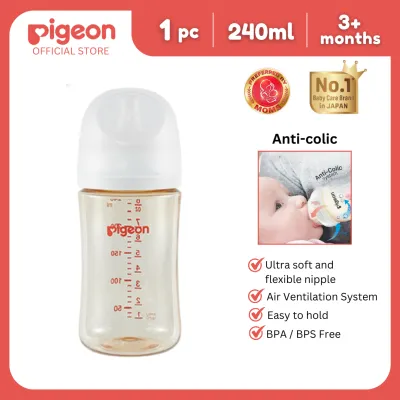
- PPSU (Polyphenylsulfone) is the premium plastic option, offering exceptional durability, high heat resistance, and a lightweight build. It is perfect for growing, active babies who are transitioning to holding their own bottles.
- Glass is the gold standard for pure hygiene, scratch resistance, and chemical stability. It is highly suited for newborns under strict caregiver supervision at home.
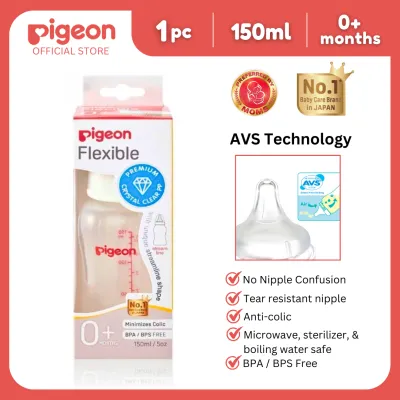
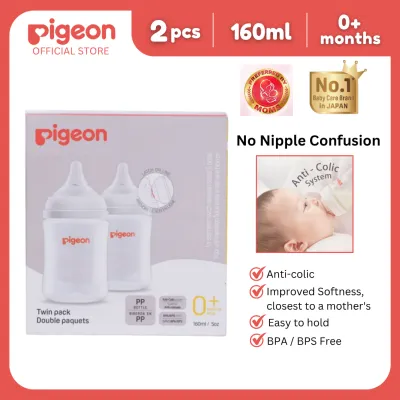
- PP (Polypropylene) is an ultra-lightweight, budget-friendly choice that works beautifully for travel or temporary setups, though it requires more frequent replacement due to its susceptibility to wear and scratches.
By understanding the unique properties of each material, you can strategically shop the official store promotions to build a safe, efficient, and cost-effective feeding system tailored to your baby’s needs.
Products mentioned in this guide
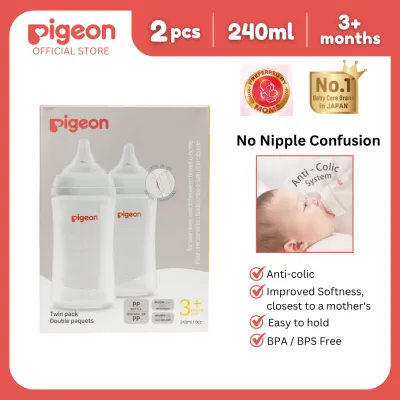
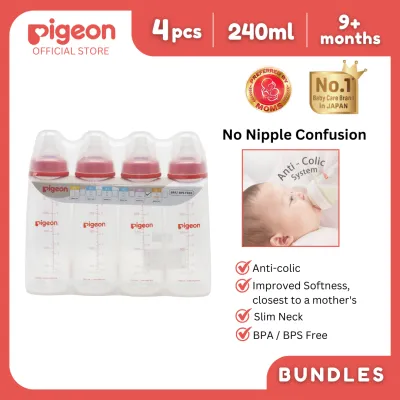
Prices are valid at publication and may change. Please refer to the product page for the latest price.
PPSU vs Glass vs PP: Comparing Safety, Durability, and Daily Use
To make an informed purchase, you must evaluate how these materials perform under the physical demands of daily feeding. In the Philippines, factors like high tropical humidity, frequent washing, and the physical transitions of your baby—from lying flat to sitting up and holding objects—directly impact which bottle will serve you best. Each material has distinct physical characteristics, lifespans, and safety considerations that dictate its ideal role in your nursery.

PPSU (Polyphenylsulfone) Bottles
PPSU is a medical-grade thermoplastic distinguished by its natural honey-colored or golden-amber tint. It combines the safety benefits of glass with the lightweight, shatterproof convenience of plastic. This makes it highly resilient against drops, which is a frequent occurrence as babies enter the self-feeding stage (typically around six months and older).
- Safety and Certifications: While PPSU is widely recognized as BPA and BPS-free, you should always verify these certifications on the specific product packaging. PPSU boasts superior thermal stability compared to standard plastics, allowing it to withstand repeated, high-temperature sterilization cycles without degrading. However, always check the manufacturer’s label for the exact maximum temperature limit, which often reaches up to 180°C.
- Daily Handling: Its lightweight nature reduces hand fatigue for both you and your baby. It does not absorb odors or stains easily, meaning it retains its clarity far longer than other plastics. Because of its premium construction, PPSU typically sits at a higher price point (often ranging from ₱800 to over ₱1,200 per bottle), making it a long-term investment that pays off in durability.
Glass Bottles
Glass is a classic material favored by parents who prioritize absolute chemical purity and environmental sustainability. Pigeon’s glass bottles are crafted from high-quality borosilicate glass, which is highly valued for its clarity and resistance to thermal shock.
- Hygiene and Scratch Resistance: Glass is naturally free from BPA, BPS, and other synthetic chemicals, offering peace of mind without requiring complex certification checks. It is highly resistant to scratches; unlike plastic, it will not develop microscopic abrasions where bacteria or milk residue can hide. When preparing hot milk or sterilizing, look for thermal shock resistance indicators on the packaging to ensure the bottle can safely transition from cold to hot temperatures without cracking.
- Fragility and Weight: The primary trade-offs of glass are its weight and fragility. It is significantly heavier than plastic, which can tire out a parent's wrist during long night feeds and makes it unsuitable for babies to hold independently. Because of the risk of breakage and subsequent injury, glass bottles must always be used under direct caregiver supervision. They are ideal for the newborn stage (0 to 3 months) when the baby is immobile and entirely fed by an adult. Prices for glass generally range from ₱600 to ₱900, offering a durable home-use option that does not need routine replacement unless chipped or cracked.
PP (Polypropylene) Bottles
PP is the most common and accessible plastic used in baby bottles. It is easily recognized by its translucent, slightly milky or cloudy appearance and its highly flexible, lightweight feel.
- Affordability and Portability: PP is exceptionally lightweight and shatterproof, making it highly convenient for travel, diaper bags, or daycare centers where bottles might be dropped or misplaced. PP bottles are the most budget-friendly upfront option, usually priced between ₱300 and ₱500, making them highly attractive during a pigeon official store sale for parents looking to stock up on short-term or travel-friendly backups.
- Wear and Tear: PP bottles have lower heat tolerance compared to PPSU, typically withstanding temperatures up to 110°C. Because of this lower threshold, they are more susceptible to warping or structural degradation if subjected to excessive heat during sterilization. PP is also highly prone to surface scratches from bottle brushes. These tiny scratches can harbor bacteria and trap milk fat, leading to cloudiness and persistent odors over time. Consequently, PP bottles require frequent replacement—often every 2 to 3 months—which can add up over your baby's first year. Always check the packaging for exact maximum heat limits and follow the recommended guidelines strictly to prevent microplastic shedding.
Sterilization and Care: Matching the Material to Your Routine
Your choice of bottle material must align with your household’s cleaning and sterilization setup. In a tropical climate like the Philippines, thoroughly drying and sterilizing feeding equipment is essential to prevent the growth of mold, mildew, and harmful bacteria. Different materials respond uniquely to various sterilization methods, including boiling, steam, ultraviolet (UV) light, and chemical solutions.
- Boiling and Steam Sterilization: Glass is highly resilient to both boiling and steam sterilization, as it does not warp or degrade under high heat. PPSU also handles steam and boiling exceptionally well due to its high thermal resistance. PP, however, requires careful monitoring; prolonged exposure to boiling water can cause PP bottles to warp or lose their shape, compromising the secure seal of the collar and nipple.
- UV Sterilization: UV sterilizers have become highly popular for their convenience, but they affect plastics differently than heat. While glass is completely unaffected by UV light, plastics are sensitive to prolonged UV exposure. PP can become yellow, brittle, and degrade rapidly under continuous UV sterilization. PPSU is more resistant to UV rays than PP, but over time, even high-grade plastics can experience minor discoloration or structural aging when exposed to intense UV radiation.
- Verification Step: Before committing to a specific bottle material, check the instruction manual of your sterilizer and cross-reference it with the care guidelines printed on the Pigeon bottle packaging. Never guess or assume compatibility. If you prefer the speed of UV sterilization, investing in PPSU or glass is generally more sustainable than PP. If you rely on traditional boiling or electric steam sterilizers, all three materials are usable, provided you strictly adhere to the maximum temperature limits and recommended exposure times specified by the manufacturer to ensure safety and product longevity.
Navigating the Pigeon Official Store Sale for the Best Value
Shopping during a pigeon official store sale on major online marketplaces is an excellent way to secure authentic, high-quality feeding gear at a more accessible price. However, maximizing your budget requires a strategic approach rather than simply buying the cheapest option available.
- Verify Authenticity: First and foremost, protect your baby's health by verifying the seller's authenticity markers. Look for official brand badges, "Mall" indicators, or direct links from Pigeon's verified social media channels. Counterfeit baby bottles are a serious risk on digital platforms; they may use non-food-grade plastics, contain harmful chemicals, or feature inaccurate measurement markings that could lead to improper formula dilution.
- Look for Multi-Packs and Starter Sets: When evaluating sale prices, look beyond individual bottle discounts. Multi-packs and newborn starter sets often offer the highest overall value. A starter set typically includes a practical mix of bottle sizes (such as 160ml and 240ml), different materials, and extra nipples with varying flow rates. This allows you to test what works best for your baby without committing to a single material or size prematurely. You can also look for bundles that include specialized bottle brushes, liquid cleansers, or nipple wipes to save on essential maintenance accessories.
- Calculate the Long-Term Cost: Consider the total cost of ownership rather than just the initial checkout price. While a PP bottle might be highly discounted during the sale, its short lifespan means you will need to replace it multiple times throughout your baby's first year. Conversely, a premium PPSU or glass bottle has a higher upfront cost but can last for many months—or even through multiple children—if properly maintained. Spending a bit more on PPSU or glass during a sale often yields better long-term savings than buying cheap PP bottles that wear out quickly.
Final Decision Framework: Choose Based on Your Needs
To finalize your purchase during the sale, use this conditional framework to match the bottle material to your specific lifestyle, budget, and feeding routine:
Choose PPSU if:
- Your baby is transitioning to self-feeding or is older than six months and needs a lightweight, drop-proof bottle.
- You want a long-lasting plastic bottle that can withstand frequent high-heat steam or boiling sterilization without degrading.
- You are willing to make a higher upfront investment for a durable product that does not require frequent replacement.
Choose Glass if:
- You are feeding a newborn (0 to 3 months) who is always supervised and fed directly by an adult caregiver.
- You prioritize absolute chemical purity, scratch resistance, and easy cleaning to prevent any odor or milk residue build-up.
- You primarily feed your baby at home and do not mind the heavier weight of the bottle.
Choose PP if:
- You need an affordable, ultra-lightweight option specifically for travel, daycare, or outdoor excursions where bottles might be lost or damaged.
- You are shopping on a strict budget and are prepared to monitor the bottles closely and replace them every few months at the first sign of wear.
- You want to keep a few backup bottles on hand for emergencies or occasional supplemental feeding.
Frequently Asked Questions (FAQ)
Can I mix Pigeon bottle materials for my baby?
Yes, mixing different Pigeon bottle materials is highly practical and safe, provided you maintain the correct nipple size and flow rate suitable for your baby’s age. Many parents adopt a hybrid routine: using hygienic glass bottles for night feeds and home use, and switching to lightweight PPSU or PP bottles when traveling, visiting relatives, or running errands around the Philippines. This approach minimizes the risk of breaking glass outdoors while keeping home feeding simple and highly sanitary.
How often should I replace Pigeon plastic bottles?
Plastic bottles require regular monitoring and replacement to ensure safety. PP bottles typically need to be replaced every 2 to 3 months due to their lower scratch resistance and tendency to become cloudy. PPSU bottles are much more durable and can last up to 6 to 12 months with proper care. Regardless of the material or time elapsed, you must replace any plastic bottle immediately if you observe deep scratches, cracks, persistent cloudiness, warping, or a stubborn odor that does not wash away.

Community discussion
Share your experience or ask a question. Comments are reviewed before publication.