
Choosing the right baby bottle involves balancing safety, convenience, and durability to match your baby’s developmental stage. While there is no single perfect material for every family, understanding the distinct properties of polyphenylsulfone (PPSU), borosilicate glass, and polypropylene (PP) helps you make an informed decision. PPSU provides an excellent balance of durability and lightness, glass offers premium scratch resistance and easy cleaning, and PP serves as a highly lightweight, budget-friendly option. Your final choice will depend on your baby’s age, who is holding the bottle during feeds, and your preferred sterilization method. To ensure you are getting genuine products, always verify authenticity and check specific product labels via the Pigeon official store or authorized online mall flagship stores before purchasing.
PPSU, Glass, and PP: Core Traits and Daily Trade-offs
PPSU, or polyphenylsulfone, is a high-performance thermoplastic known for its distinct honey-tinted or golden hue. This material is exceptionally durable and lightweight, making it highly resistant to high temperatures and accidental drops on hard kitchen tile floors. It combines the safety advantages of glass with the shatterproof convenience of plastic, though it generally carries a higher price point than other plastic alternatives. Because it can withstand repeated sterilization cycles without degrading, it is a popular choice for long-term use.
Glass bottles, typically made from high-quality borosilicate glass, offer a classic, premium feel and are highly favored for their natural resistance to odor and stain absorption. Because glass does not scratch easily, it maintains its crystal-clear clarity even after months of daily scrubbing and sterilization. However, glass is significantly heavier than plastic, making it less ideal for babies who are learning to hold their own bottles, and it carries a risk of breaking if dropped on hard surfaces. This material is best suited for supervised, caregiver-led feeding sessions at home.
Products mentioned in this guide
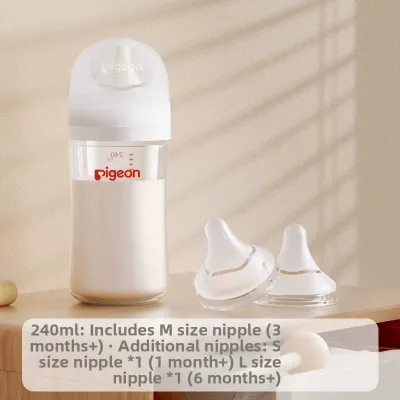
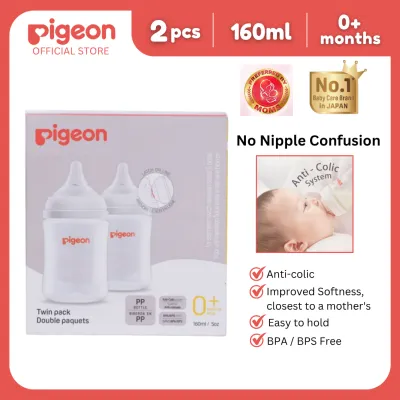
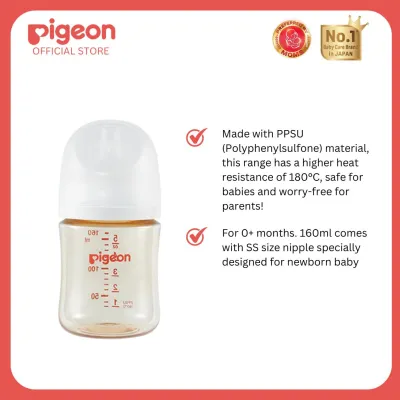
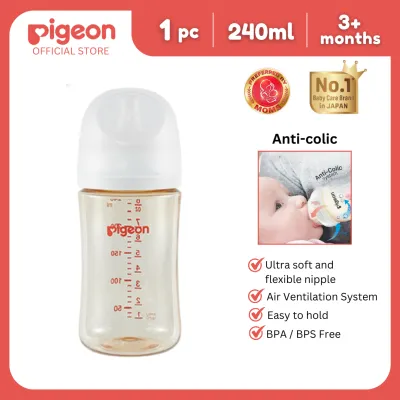
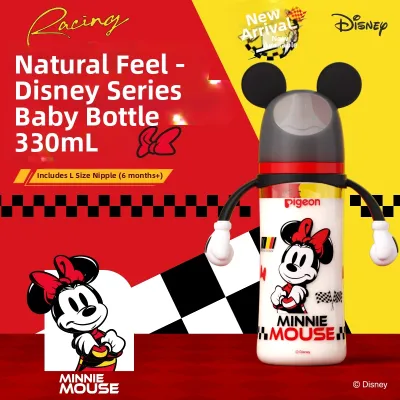
Prices are valid at publication and may change. Please refer to the product page for the latest price.
PP, or polypropylene, bottles feature a slightly milky or translucent appearance and are widely appreciated for being highly affordable and lightweight. They are easy to pack for quick trips and present no risk of shattering when dropped by active toddlers. The primary trade-off is their lifespan, as PP is a softer plastic that is more prone to micro-scratches and wear over time compared to PPSU and glass. This makes PP an excellent budget-friendly option or a convenient backup bottle for travel.
Sterilization, Durability, and Safety Checks
Maintaining proper hygiene in a warm, humid tropical climate requires regular sterilization, but different materials respond differently to heat and light. Before using any sterilization method, you must check the specific manufacturer’s label for the exact temperature limits of each bottle component. While PPSU and glass can typically withstand high temperatures from boiling water, steam sterilizers, and UV sterilizers, PP bottles may have lower heat thresholds that you need to verify on the packaging.

Regularly inspecting your baby’s bottles for signs of wear and tear is crucial for feeding safety. Look closely for micro-scratches, persistent cloudiness, or hairline cracks, especially after sterilization or accidental drops. Scratches can harbor milk residue and bacteria, indicating that it is time to replace the bottle, regardless of the material. Glass bottles should be checked carefully for any chips or cracks along the rim, which could pose a safety hazard.
Always perform a safety verification by checking the product packaging for clear BPA and BPS-free labels to ensure chemical safety. Additionally, verify that the nipples, collars, and caps match the specific bottle material and neck size. Using mismatched parts can lead to leaks or improper venting, which can cause your baby to swallow excess air during feeds. Checking these details ensures a secure fit and a smooth feeding experience.
Matching the Bottle Material to Your Baby's Feeding Stage
During the newborn stage up to six months, feeding is entirely caregiver-led, meaning the weight of the bottle is rarely an issue for the baby. Glass and PPSU are highly suitable during this period because they withstand frequent, high-temperature sterilization cycles. Since you are holding the bottle, the risk of accidental drops is minimal, allowing you to prioritize the easy-to-clean properties of glass. This stage is all about establishing a comfortable feeding routine for both you and your newborn.
As your baby reaches six months and older, they begin developing the motor skills to hold their own bottle. Transitioning to lighter materials like PPSU or PP reduces arm fatigue for your little one and minimizes the risk of injury if they accidentally drop the bottle on their face or feet. PPSU is particularly useful during this stage as it survives repeated drops onto hard surfaces without cracking, giving your baby the independence to feed themselves safely.
For travel, daycare, or quick family outings in the Philippines, prioritizing shatter-resistant and lightweight options is highly practical. Packing a few PP or PPSU bottles in your diaper bag keeps your load light and eliminates the worry of broken glass while on the go. These lightweight options are also easier for daycare providers to manage during busy feeding schedules.
To simplify your decision, use a straightforward framework based on your daily routine. Choose glass if you prioritize maximum scratch resistance, easy cleaning, and do not mind the heavier weight during caregiver-fed sessions. Choose PPSU if you want a highly durable, lightweight daily driver that can withstand constant drops and frequent sterilization. Choose PP if you need an affordable, lightweight backup bottle for travel or occasional use.
Buying Authentic Pigeon Bottles from the Official Store
To protect your baby’s health, it is essential to purchase genuine products and avoid counterfeit items. You can confidently identify official channels by looking for the verified Pigeon official store or authorized flagship stores on major online marketplaces in the Philippines. Buying directly from these authorized sellers ensures that the materials used are safe, tested, and compliant with international standards, giving you peace of mind with every feed.
When your order arrives, perform a thorough packaging check before opening the product. Genuine bottles feature high-quality box printing, clear material labeling, batch numbers, and official security stickers or seals. If the packaging looks blurry, lacks clear material specifications, or is missing batch details, contact the seller or manufacturer for verification. Taking a few minutes to inspect the box can prevent the use of unsafe counterfeits.
Additionally, practice price and stock verification to spot potential counterfeits. Compare the listed price against the standard pricing on the official store, as suspiciously cheap deals often indicate counterfeit goods. You should also check the official store’s stock availability for specific nipple flow sizes to ensure you are purchasing the correct match for your baby’s developmental stage.
Frequently Asked Questions (FAQ)
Can I mix PPSU and Glass bottles for the same baby?
Yes, you can safely mix PPSU and glass bottles in your daily feeding routine to suit different situations, such as using glass at home and PPSU when traveling. However, you must ensure that the nipples and collars are fully compatible across the different bottle lines. Always check the manufacturer’s guidelines to verify that the parts fit securely on both materials to prevent leaks and ensure consistent milk flow.
How often should I replace PPSU, Glass, and PP bottles?
Rather than relying on a strict calendar rule, you should base your replacement schedule on regular visual inspections of each bottle. Inspect plastic and PPSU bottles frequently for scratches, cloudiness, or stubborn stains, and check glass bottles for any chips or cracks. Always follow the manufacturer’s specific replacement recommendations printed on the packaging to maintain optimal feeding hygiene and safety.

Community discussion
Share your experience or ask a question. Comments are reviewed before publication.