
Selecting the right baby bottle is one of the most frequent decisions parents face during their feeding journey. Among the options available, Pigeon is a widely recognized brand in the Philippines, offering bottles made from three primary materials: glass, polyphenylsulfone (PPSU), and polypropylene (PP). Each material presents distinct advantages and trade-offs regarding durability, weight, heat resistance, and ease of cleaning.
There is no single “best” bottle material for every family. The ideal choice depends on your baby’s developmental stage, your daily feeding environment, and your preferred sterilization methods. For newborns and primary home use, glass offers unmatched hygiene and odor resistance. As your baby grows and begins to hold the bottle independently, lightweight and shatterproof materials like PPSU become highly practical. Standard plastic (PP) serves as a budget-friendly, lightweight option for short-term use or travel backups.
Before purchasing, always verify the specific product labels, age recommendations, and sterilization compatibility instructions provided by the manufacturer. Ensuring that your bottles match your daily routine will help maintain long-term feeding safety and convenience.
Products mentioned in this guide
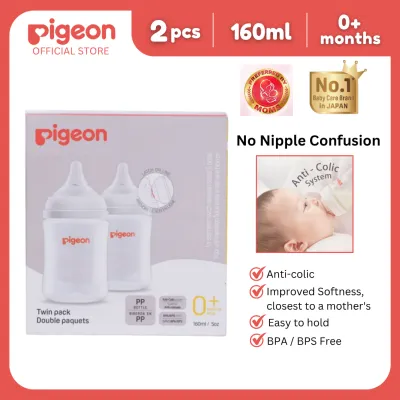
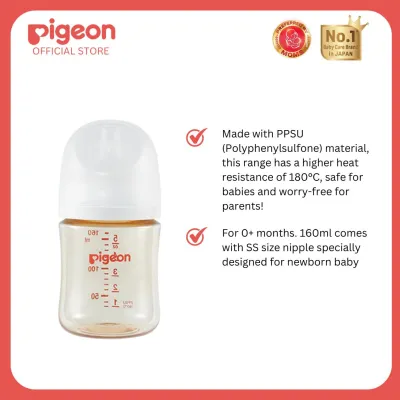
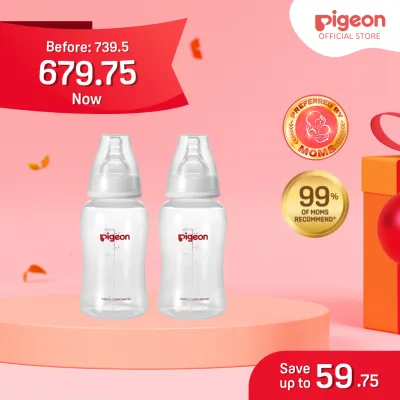
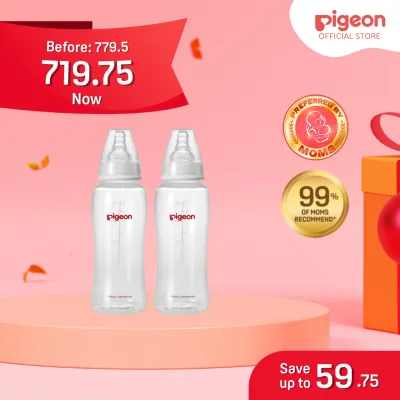
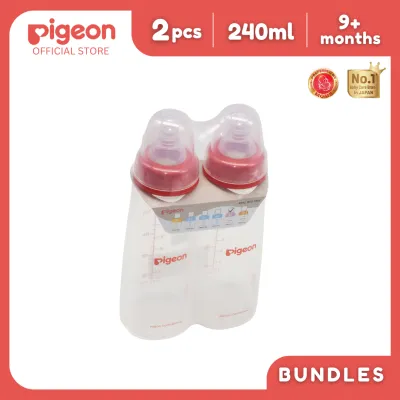
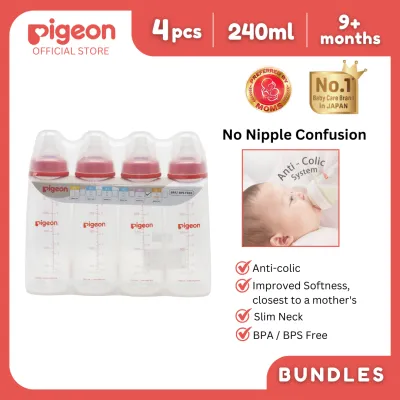
Prices are valid at publication and may change. Please refer to the product page for the latest price.
Understanding Pigeon's Glass, PPSU, and Plastic Options
To make an informed decision, it is essential to understand the physical and chemical characteristics of the materials Pigeon uses in its bottle lines. These materials undergo different manufacturing processes, resulting in distinct performance profiles under daily wear and tear.
Borosilicate Glass
Pigeon’s glass bottles are typically made from borosilicate glass, a high-grade material known for its superior thermal shock resistance. Unlike regular glass, borosilicate glass can withstand rapid temperature changes—such as moving from the refrigerator to a bottle warmer—without cracking. It is a non-porous, completely natural material that does not absorb odors, stains, or colors from milk and juices. However, its primary trade-offs are weight and fragility.
Polyphenylsulfone (PPSU)
PPSU is a high-performance, medical-grade polymer that has become increasingly popular in premium baby products. It is naturally amber or honey-toned, meaning it is not completely clear like glass or standard plastic. PPSU combines the best features of glass and plastic: it is highly durable, lightweight, and exceptionally shatter-resistant. It can withstand repeated high-heat sterilization cycles without degrading, making it a long-lasting investment for active households.
Polypropylene (PP)
Polypropylene is the standard plastic material used in a wide range of consumer goods and budget-friendly baby bottles. It has a slightly milky, translucent appearance and is highly flexible and lightweight. While PP is completely shatterproof and highly affordable, it has a lower heat tolerance and is softer than PPSU. Consequently, PP bottles are more susceptible to scratches, cloudiness, and odor retention over months of continuous use.
When browsing these options, parents should always check the physical packaging or official documentation to verify that the bottles are certified BPA and BPS-free. Because product lines and material formulations may be updated over time, reviewing the manufacturer’s current specifications ensures you are getting the safest possible product for your child.
Key Comparison Dimensions for Daily Feeding
Evaluating bottle materials requires looking at how they perform during daily feeding, cleaning, and travel. In the Philippines, where high humidity and warm ambient temperatures can influence hygiene practices, these practical dimensions are particularly important.

Safety, Heat Resistance, and Material Integrity
Sterilization is a critical step in preventing bacterial growth, especially in warm, tropical climates where milk residues can spoil rapidly. The three materials handle heat and sterilization differently:
- Glass: Highly heat-resistant and structurally stable. It can be boiled, steamed, or subjected to UV sterilization repeatedly without any risk of material degradation or chemical leaching.
- PPSU: Possesses excellent heat resistance, often rated to withstand temperatures up to 180°C depending on the specific product line. It is highly compatible with steam, boiling, and most UV sterilizers.
- Polypropylene (PP): Has a lower heat tolerance, typically around 110°C. While safe for standard boiling and steam sterilization, PP can warp or degrade faster if exposed to excessive heat or prolonged sterilization cycles.
Always inspect the base of the bottle or the packaging insert to confirm the maximum temperature limit. Overheating plastic components can compromise their structural integrity, leading to micro-cracks where bacteria can hide.
Durability, Drop Resistance, and Scratching
Active babies and busy households put baby bottles through significant physical stress. Drops, tumbles, and vigorous scrubbing are part of the daily routine.
- Glass: Highly scratch-resistant, maintaining its crystal-clear surface for years. However, it carries a high risk of shattering if dropped on hard surfaces like concrete, hardwood, or the ceramic tiles common in Filipino kitchens. A dropped glass bottle requires immediate, careful cleanup to prevent injury.
- PPSU: Exceptionally durable and virtually shatterproof. It resists scratches from bottle brushes much better than standard plastic, helping to maintain a hygienic surface over hundreds of uses.
- Polypropylene (PP): Completely shatterproof, making it highly safe from drop-related accidents. However, PP is a relatively soft plastic that scratches easily. Over time, stiff-bristled bottle brushes can create microscopic grooves on the interior walls. These scratches can trap milk fats and bacteria, making the bottle difficult to clean thoroughly.
Weight, Grip, and Baby's Independence
As babies grow, their motor skills develop, and they begin to transition from passive feeding to holding their own bottles. The weight of the bottle plays a major role in this milestone.
- Newborn Stage (0-3 Months): Caregivers handle all feedings. The weight of the bottle is less critical, making heavier glass bottles a highly viable option.
- Transition Stage (6+ Months): Babies begin showing interest in holding the bottle. A 240ml glass bottle filled with milk is heavy and can strain a baby's grip, posing a safety risk if dropped on their face or chest.
- Self-Feeding: PPSU and PP bottles are lightweight and easy for small hands to grasp. Many parents prefer these materials for larger volume bottles (such as 240ml or 330ml) because they keep the overall feeding weight manageable for the infant.
Cleaning, Sterilization, and Odor Retention
Maintaining hygiene is a continuous task that shapes your daily bottle-feeding experience. The ease with which a bottle releases grease and odors determines its long-term usability.
- Glass: The non-porous surface of borosilicate glass allows milk fats to wash away effortlessly. It does not retain sour milk smells, even if a bottle is accidentally left unwashed in a diaper bag for a day.
- PPSU: Highly resistant to staining and odor retention compared to standard plastics. While it may take on a slightly darker amber hue over time due to heat or UV exposure, this is a cosmetic change that does not affect safety.
- Polypropylene (PP): More porous than glass and PPSU. PP bottles can develop a cloudy appearance over time and are prone to absorbing food odors or stubborn milk residues, requiring diligent scrubbing with specialized baby bottle cleansers.
Pigeon Bottle Materials at a Glance
To help you compare these options quickly, the table below summarizes the key differences across the three primary Pigeon bottle materials:
| Material | Best Use Case | Relative Weight | Shatter Resistance | Stain/Odor Resistance | General Price Tier |
|---|---|---|---|---|---|
| Borosilicate Glass | Newborns, home feeding, maximum hygiene | Heavy | Low (Fragile) | Very High | Mid-range to Premium |
| PPSU | Older babies, self-feeding, travel, long-term use | Light | Very High | High | Premium |
| Polypropylene (PP) | Budget-friendly backup, short-term travel | Very Light | High | Moderate | Budget-friendly |
Note: Nipple flow rates, collar dimensions, and cap designs can vary across different Pigeon product generations (such as the Slim Neck and Wide Neck SofTouch lines). Always verify parts compatibility and ensure the collar fits securely to prevent leaks during feeding.
How to Choose Based on Age and Feeding Routine
Your choice of bottle material should align with your baby’s current developmental stage, your lifestyle, and your household budget. Use these targeted recommendations to guide your decision:
Choose Glass if:
- You are feeding a newborn: At this stage, parents or caregivers perform all the feeding, eliminating the risk of the baby dropping the bottle.
- You prioritize maximum hygiene: If you want a bottle that is easy to sanitize, never scratches, and remains crystal-clear without retaining odors, glass is the gold standard.
- The bottle is used primarily at home: Keeping glass bottles in a controlled home environment minimizes the risk of accidental drops on hard outdoor surfaces.
Choose PPSU if:
- Your baby is learning to self-feed: The lightweight nature of PPSU allows older infants to hold the bottle comfortably, encouraging independence.
- You need a durable bottle for travel: If you frequently go on outings, visit family, or send your child to daycare, PPSU provides peace of mind because it will not break when dropped.
- You want a long-lasting investment: PPSU bottles can withstand frequent, high-heat sterilization for a year or more without degrading, making them highly cost-effective over time despite the higher initial price.
Choose Plastic (PP) if:
- You need a budget-friendly option: PP bottles are highly accessible and ideal if you need to purchase a large starter set on a budget.
- You need temporary or backup bottles: PP is excellent for keeping in a diaper bag, leaving at a relative's house, or using during short trips where weight is a primary concern.
- You are prepared to replace bottles regularly: Because PP scratches and clouds more easily, you must be willing to monitor the bottle's condition and replace it every few months.
Verify first if:
- You rely on a specific sterilization system: Before purchasing any bottle, verify that the material is fully compatible with your sterilizer. For example, some UV sterilizers can accelerate the aging of certain plastics, while some steam sterilizers require specific clearance heights. Always consult the user manual of both the bottle and the sterilizer to ensure safe operation.
Care, Sterilization, and Replacement Guidelines
Proper maintenance extends the lifespan of your baby bottles and ensures your baby’s milk remains free from contamination. In humid environments, extra care must be taken to prevent mold and bacterial buildup.
Step-by-Step Cleaning Routine
- Rinse Immediately: After every feeding, rinse the bottle, nipple, collar, and cap with cool water to prevent milk proteins and fats from drying and sticking to the surfaces.
- Wash Thoroughly: Disassemble all parts completely. Wash each component using warm water, a mild, baby-safe liquid cleanser, and a soft sponge or silicone bottle brush. Avoid using stiff nylon bristle brushes or abrasive scouring pads, especially on PPSU and PP bottles, as these can cause microscopic scratches.
- Clean the Nipple Gently: Turn the silicone nipple inside out and wash it gently with your fingers or a specialized nipple brush. Be careful not to force large brushes through the nipple hole, as this can tear or stretch the silicone, altering the milk flow rate.
Sterilization and Drying
Sterilize the clean bottle components according to the manufacturer’s instructions. If using boiling water, ensure all parts are fully submerged and do not touch the hot sides of the pot, which can warp plastic collars and caps.
After sterilization, drying is critical. In humid climates, leaving bottles wet on a counter can encourage mold growth. Place all components on a clean, elevated drying rack in a well-ventilated area. Allow them to air-dry completely before reassembling or storing them in a closed cabinet.
Clear Replacement Triggers
No baby bottle lasts forever. Regularly inspect your feeding equipment and replace items based on these observable signs:
- Glass Bottles: Replace immediately if you detect any chips, hairline cracks, or deep scratches, as these compromise structural safety and can cause the bottle to shatter during heating or feeding.
- PPSU and PP Bottles: Discard the bottle if it exhibits deep scratches, persistent cloudiness, warping, or a sour milk odor that does not disappear after thorough washing.
- Silicone Nipples: Inspect the nipple before every feed by pulling firmly on the bulb. Replace the nipple immediately if it shows signs of tearing, thinning, stickiness, or if the milk flows out in a continuous stream instead of steady drops. As a general rule, silicone nipples should be replaced every one to two months for hygiene and safety.
If your baby experiences persistent feeding difficulties, such as excessive gas, colic, or bottle refusal, consult a pediatrician or a certified lactation consultant. They can help determine if a change in nipple flow rate, bottle shape, or feeding position is necessary.
Frequently Asked Questions (FAQ)
Can I mix Pigeon bottle materials for the same baby?
Yes, mixing bottle materials is a highly practical approach for many families. You can use glass bottles at home for maximum hygiene and transition to lightweight PPSU or PP bottles when traveling, visiting relatives, or allowing your baby to practice self-feeding.
However, you must ensure that all interchangeable parts—such as the nipples, screw collars, and caps—are compatible. Pigeon offers different product generations and neck sizes, such as Wide Neck SofTouch and Slim Neck lines. Mixing components from incompatible lines can cause improper sealing, resulting in milk leaks or venting failures that may cause your baby to swallow excess air.
Does PPSU turn yellow or brown after sterilization?
PPSU has a natural, distinct honey or amber tint due to the inherent properties of the polyphenylsulfone polymer. It is not clear or colorless like glass or standard PP plastic.
Over time, repeated exposure to high-heat steam, boiling water, or UV sterilization can cause this amber tint to darken slightly. This color change is a normal physical characteristic of the material and does not indicate chemical leaching, loss of structural safety, or contamination, provided the bottle remains structurally sound, free of deep scratches, and thoroughly cleaned. If the bottle develops physical cracks or sticky surfaces, it should be replaced immediately.

Community discussion
Share your experience or ask a question. Comments are reviewed before publication.