
Quick Answer: Which Pigeon Bottle Material is Right for You?
Choosing the right feeding bottle for your baby involves balancing safety, convenience, and your daily routine. The ideal material depends heavily on your baby’s age, how you handle daily cleanups, and whether your little one is ready to hold the bottle independently.
For a quick decision, glass is excellent for home use due to its superior scratch resistance and easy cleaning. Polyphenylene Sulfone (PPSU) is the go-to choice for lightweight durability, making it perfect for travel and active babies. Silicone offers a soft, squeezable texture that closely mimics a natural feel, which can help babies transitioning from breastfeeding.
Before making your final purchase, always verify the age recommendations, heat limits, and safety warnings printed on the specific product packaging to ensure it matches your baby’s developmental stage.
Products mentioned in this guide
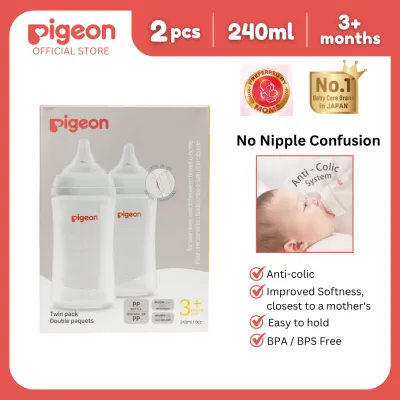
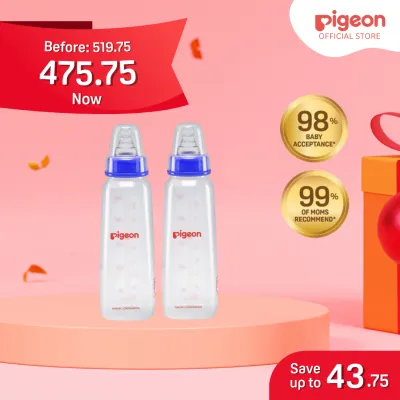
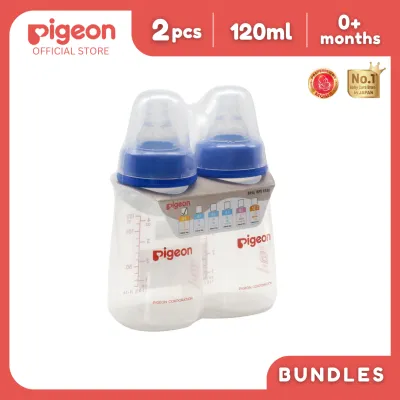
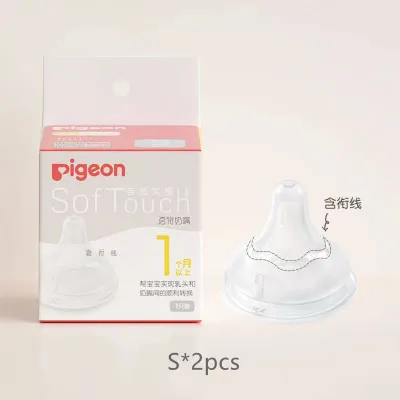
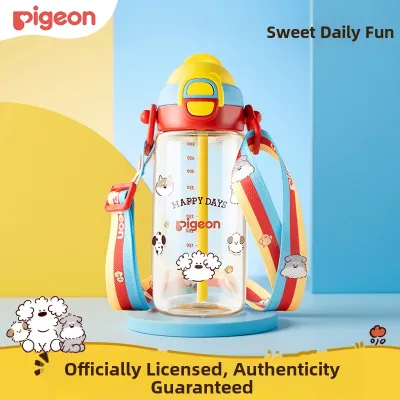
Prices are valid at publication and may change. Please refer to the product page for the latest price.
Glass vs. PPSU vs. Silicone: Core Characteristics and Handling
Understanding the physical properties of each material helps you anticipate how a bottle will perform during daily feeds. Glass is the heaviest option, providing a solid, rigid feel. While caregivers often appreciate the sturdy weight of glass during quiet contact feeds at home, it can become tiring to hold during long feeding sessions and is too heavy for young babies to manage on their own.

PPSU is a medical-grade plastic known for its distinct, natural honey-colored tint. It is incredibly lightweight yet rigid, offering the structural stability of glass without the heavy physical burden. This makes it highly manageable for parents multi-tasking or traveling, and much easier for older babies who are beginning to explore holding their own bottles.
Silicone represents a completely different tactile experience. It is lightweight, highly flexible, and soft to the touch. Because the bottle body is squeezable, it offers a skin-like texture that feels more natural to a baby’s grasp, contrasting sharply with the rigid walls of glass and PPSU.
| Material | Weight | Flexibility | Scratch Resistance | Typical Use Case |
|---|---|---|---|---|
| Glass | Heavy | Rigid | High | Home feeding, newborn stage |
| PPSU | Very Lightweight | Rigid | Medium-High | On-the-go, active babies |
| Silicone | Lightweight | High (Squeezable) | Medium | Breast-to-bottle transition |
Safety, Durability, and What to Check on the Label
Physical durability is a major safety consideration for busy households. Glass bottles carry an inherent risk of shattering or chipping if dropped on hard surfaces, such as the tile floors common in many kitchens. This requires constant caregiver supervision and careful handling during washing and feeding.
PPSU and silicone offer excellent drop resilience. PPSU is highly shatterproof and can withstand high-impact drops without cracking, making it exceptionally durable for daily wear and tear. Silicone is virtually unbreakable, absorbing impacts easily and bouncing when dropped, which minimizes safety hazards around active infants.
When purchasing any bottle, always inspect the product label to verify that it is certified BPA/BPS-free. You should also check the manufacturer’s specified heat resistance limits and recommended replacement timelines, as these guidelines vary significantly by material and brand.
Regularly inspect your baby’s bottles for signs of wear and tear. Look for micro-scratches or chips in glass, cloudiness or deep scratches in PPSU, and stickiness, discoloration, or tears in silicone. If you observe any of these structural changes, stop using the bottle immediately and replace it to maintain feeding hygiene.
Cleaning, Sterilization, and Daily Upkeep
Daily maintenance routines differ based on how each material interacts with milk fats, odors, and sterilization heat. Glass is highly non-porous, meaning it resists grease buildup, staining, and stubborn milk odors extremely well. It remains clear and easy to inspect even after months of continuous use.
PPSU also resists staining and odors well, though it may eventually develop a slightly cloudy appearance after repeated sterilization cycles. Silicone, due to its flexible and slightly porous nature, is more prone to attracting fine dust particles and absorbing strong food odors or colors if washed alongside other household dishes.
In warm, humid tropical climates, thorough drying after sterilization is essential to prevent mold and bacterial growth. Always cross-reference your bottle’s material specifications with your sterilizer’s instruction manual. While glass and PPSU generally tolerate boiling water and steam sterilization easily, UV sterilizers can accelerate the degradation of certain plastics and silicones over time.
After every wash, take a moment to inspect the bottle parts under good lighting. Ensure there is no cloudy milk residue left in the corners or around the collar, and verify that the material remains structurally sound before preparing the next feed.
How to Choose: A Decision Framework for Your Routine
To select the best option for your household, align the material’s unique strengths with your lifestyle, feeding habits, and budget.
Choose Glass if:
- You primarily feed your baby at home and prefer a highly hygienic, scratch-resistant material.
- You want a bottle that will not retain odors or cloud over time.
- You are comfortable handling a heavier bottle and managing the risk of accidental breakage.
Choose PPSU if:
- You travel frequently, commute, or need a lightweight bottle to pack in a diaper bag.
- Your baby is growing older and wants to hold the bottle independently.
- You want a highly durable, shatterproof bottle that can withstand frequent high-temperature sterilization.
Choose Silicone if:
- Your baby is transitioning from breastfeeding and prefers a soft, squeezable, skin-like texture.
- You want a completely drop-proof bottle that is easy for tiny hands to squeeze and grip.
- You prefer a flexible material that does not shatter or crack.
When planning your budget, balance the initial purchase cost in ₱ with the expected lifespan of the bottle. Glass and silicone may require different upfront investments, but PPSU often represents a higher initial cost in ₱ due to its medical-grade durability. However, because PPSU lasts longer without needing frequent replacement due to scratches or wear, it can be highly cost-effective over time.
Many parents find that a mixed approach works best. You might choose to use glass bottles for night feeds and quiet times at home, while keeping a few lightweight PPSU or silicone bottles ready in your travel bag for outings and family trips.
Frequently Asked Questions (FAQ)
Can I mix different Pigeon bottle materials for the same baby?
Yes, mixing different bottle materials is generally safe and highly practical for many families. The key to a smooth transition between bottles is ensuring that the nipple shape, material, and flow rate remain consistent across all bottle types to prevent nipple confusion. Always verify that every bottle in your rotation is appropriate for your baby’s current age and developmental stage as indicated on the product packaging.
When should I transition my baby from glass to PPSU or silicone?
Consider transitioning your baby away from glass bottles once they begin showing signs of wanting to hold the bottle independently, which typically happens around six months of age or when they develop a stronger grip. Heavy glass bottles pose a physical safety risk if dropped on a baby’s face or onto hard floors. When making the switch, consult the manufacturer’s age guidelines and weight recommendations on the packaging to choose the most suitable lightweight alternative.

Community discussion
Share your experience or ask a question. Comments are reviewed before publication.