
Choosing the right baby bottle material is essential for your baby’s comfort and your daily convenience. While glass offers excellent scratch resistance for home use, lightweight plastic (polypropylene) provides an affordable option for older babies, and PPSU (polyphenylsulfone) delivers premium durability and heat resistance for active families. To make the best choice, caregivers should evaluate their sterilization setup, travel needs, and budget while verifying specific product labels for age recommendations and safety certifications.
Quick Answer: Which Pigeon Bottle Material is Right for You?
The ideal bottle material depends on your baby’s age, feeding environment, and caregiver handling preferences.
For newborns and primary home feeding, glass is highly favored because it resists scratches and does not retain odors, though it requires careful handling due to its weight and fragility.
Products mentioned in this guide
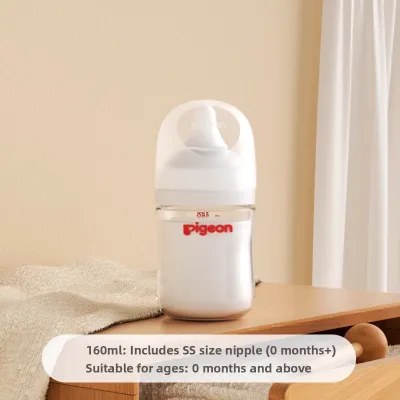
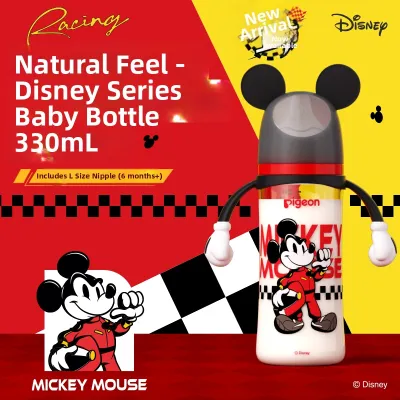
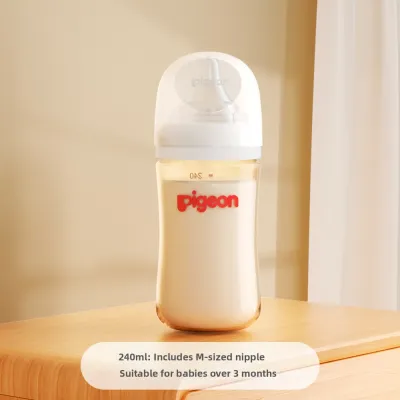
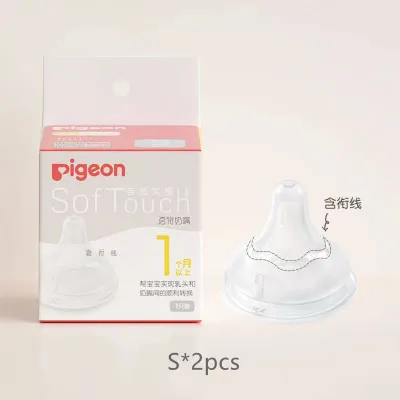
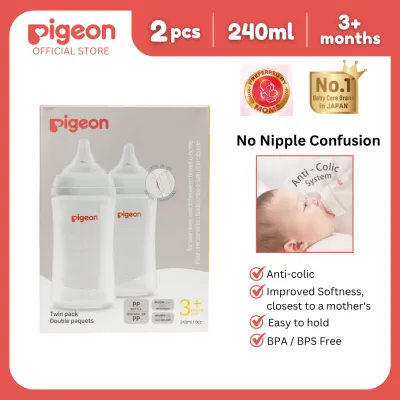
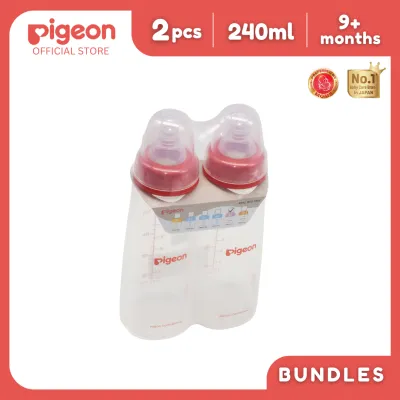
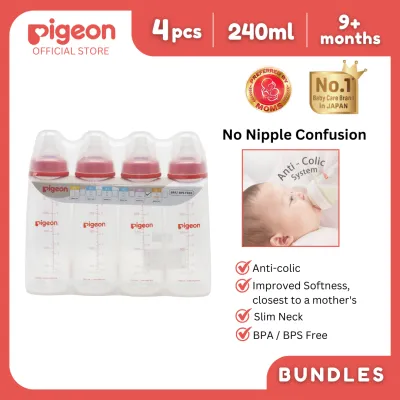
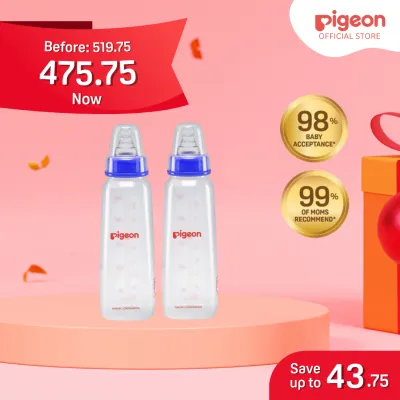
Prices are valid at publication and may change. Please refer to the product page for the latest price.
If you need a lightweight, budget-friendly option for older babies who are beginning to hold their own bottles, standard plastic (polypropylene or PP) is highly practical, though it requires more frequent replacement.
For active families, travel, or daycare, polyphenylsulfone (PPSU) serves as a premium, highly durable alternative that combines the lightweight benefits of plastic with superior heat resistance and durability.
Before purchasing, always check the packaging to verify age recommendations, nipple flow compatibility, and certified BPA-free or BPS-free labels to ensure the bottle matches your baby’s specific developmental stage.
Overview of Pigeon Bottle Materials: Glass, Plastic, and PPSU
Understanding the physical properties of each material helps caregivers make informed decisions based on daily usage patterns and sterilization preferences.

Glass Bottles
Glass remains a traditional choice for many households due to its natural composition and excellent clarity. It is inherently scratch-resistant and does not discolor or absorb odors over time, making it easy to clean thoroughly.
However, glass is significantly heavier than plastic alternatives and can break or chip if dropped on hard surfaces like tile floors. When purchasing, look closely at the packaging to verify if the bottle is made of borosilicate or tempered glass, which offers better thermal shock resistance, and check the manufacturer’s specified temperature limits.
Plastic (Polypropylene/PP) Bottles
Polypropylene, commonly referred to as PP plastic, is a lightweight and highly flexible material widely used for baby bottles. Its shatterproof nature makes it a safe option for older infants who are learning to feed themselves.
PP bottles are generally more affordable, but they are prone to developing micro-scratches over time from cleaning brushes, which can cause the material to look cloudy. Caregivers should inspect the packaging to confirm the bottle is certified BPA-free and BPS-free, and monitor the plastic for any signs of degradation or persistent cloudiness.
PPSU (Polyphenylsulfone) Bottles
PPSU is a high-performance, medical-grade plastic that has become increasingly popular for premium baby bottles. It naturally features a distinct honey-colored or golden tint, which distinguishes it from clear PP plastic.
This material is exceptionally durable, highly shatter-resistant, and capable of withstanding repeated high-temperature sterilization without degrading. When selecting a PPSU bottle, verify the manufacturer’s exact heat resistance limits on the box to ensure compatibility with your home sterilizing equipment.
Comparing Key Dimensions: Safety, Durability, and Practicality
To choose the most suitable bottle, caregivers must compare how these materials perform across daily feeding scenarios, cleaning routines, and long-term use.
Safety and Chemical Leaching
While all reputable baby bottles sold in major retail outlets must meet strict safety standards, caregivers should actively verify safety claims on the packaging. Look for explicit labels indicating that the bottle is free from Bisphenol A (BPA) and Bisphenol S (BPS).
Rather than assuming safety based on the material type alone, check for independent testing certifications or compliance stamps printed on the box. This verification is particularly important when purchasing from online marketplaces or local distributors.
Heat Resistance and Sterilization
Different materials react differently to high temperatures, which affects how you can clean and sterilize them. Glass and PPSU generally offer much higher heat tolerance compared to standard PP plastic.
Before using boiling water, steam sterilizers, or UV sterilizing appliances, consult the product manual to check the maximum temperature rating for each component, including the bottle body, collar, and nipple. Exceeding these limits can warp plastic parts or cause premature wear.
Durability and Scratch Resistance
The inner surface of a baby bottle must remain smooth to prevent milk residue and bacteria from clinging to tiny crevices. Glass is highly resistant to scratching, allowing it to maintain a smooth surface even after months of daily scrubbing.
In contrast, PP plastic scratches easily, while PPSU offers a middle ground with significantly higher scratch resistance than standard plastic. Regularly inspect the interior of your bottles under a bright light, and prepare to replace any bottle that shows visible scratches or scuffs.
Weight and Ergonomics
The physical weight of a bottle affects both the caregiver’s comfort during long feeding sessions and the baby’s ability to transition to self-feeding. Glass bottles are heavy and require constant adult supervision and support to prevent accidental drops.
PP and PPSU bottles are incredibly lightweight, making them much easier for older babies to grasp and hold independently. This lightweight quality also makes plastic and PPSU far more convenient to pack in a diaper bag for outings in humid, tropical climates where carrying heavy gear can be exhausting.
Decision Framework: Choosing the Right Pigeon Bottle
Selecting the right bottle involves matching the material’s characteristics with your family’s lifestyle, budget, and your baby’s age.
Choose Glass if:
- You primarily feed your baby at home where the risk of dropping bottles on hard outdoor surfaces is minimal.
- You prioritize maximum scratch resistance and a material that will not retain milk odors or stains over long-term use.
- You do not mind the heavier weight and are committed to supervising every feeding session to prevent accidental breakage.
Choose Plastic (PP) if:
- You are looking for a highly budget-friendly option that allows you to purchase multiple bottles without a large upfront investment.
- Your baby is transitioning to holding their own bottle, and you want a lightweight, shatterproof option.
- You are comfortable monitoring the bottles closely and replacing them more frequently as they show signs of wear and cloudiness.
Choose PPSU if:
- You want a premium, long-lasting bottle that combines the lightweight benefits of plastic with the high durability of glass.
- You travel frequently, send your baby to daycare, or need a resilient bottle that can withstand frequent, high-temperature sterilization.
- You are willing to make a higher initial financial investment for a bottle that resists scratches and lasts significantly longer than standard PP.
Verify First if:
- Your baby has specific feeding challenges, colic, or medical needs that require specialized nipple shapes or ventilation systems.
- You use specific bottle warmers, steam bags, or UV sterilizers, as some equipment may have specific material compatibility guidelines or require dedicated adapters.
Care, Cleaning, and Sterilization Guidelines by Material
Proper maintenance ensures your baby’s bottles remain hygienic and structurally sound throughout their usable lifespan.
General Cleaning
Always wash bottles immediately after feeding to prevent milk fats and proteins from drying and sticking to the surface. Use warm water and a mild, baby-safe liquid cleanser designed specifically for feeding gear.
To protect plastic and PPSU bottles from damage, use a soft silicone brush or a sponge rather than stiff nylon bristles. Avoid abrasive scrubbing pads, which can quickly create micro-scratches that harbor bacteria.
Sterilization Methods
Before sterilizing, cross-reference the bottle manufacturer’s heat tolerance guidelines with your sterilizer’s operating manual. While glass and PPSU can easily withstand boiling water and steam, some PP plastics may warp if exposed to excessive heat for prolonged periods.
If you use a UV sterilizer, check if the manufacturer recommends it for your specific bottle material. Some plastics can degrade or discolor more rapidly when exposed to continuous UV light, making regular inspection essential.
Inspection and Replacement
Establish a routine to inspect all bottle components weekly under good lighting. Look for cracks, deep scratches, persistent cloudiness, sticky surfaces, or warped collars that could cause leaks.
Discard and replace any compromised parts immediately to maintain feeding safety. Keep in mind that silicone nipples generally wear out faster than the bottle bodies and should be replaced at the first sign of tearing or reduced elasticity.
Frequently Asked Questions (FAQ)
Can I mix different Pigeon bottle materials for my baby?
Yes, mixing different bottle materials in your daily routine is entirely acceptable as long as your baby adapts well to the transition. Many parents prefer using glass bottles at home for overnight or morning feedings, while keeping lightweight PP or PPSU bottles in their diaper bag for travel, daycare, or outdoor strolls.
The most critical factor is ensuring that the nipple shape, size, and flow rate remain consistent across all bottles, as sudden changes can cause feeding confusion or fussiness. Additionally, keep track of the different sterilization and heating requirements for each material to avoid accidentally damaging your plastic bottles during high-heat cycles.
How often should I replace Pigeon plastic and PPSU bottles?
The lifespan of a baby bottle depends heavily on how often it is used, washed, and sterilized, rather than a strict calendar timeline. Standard PP plastic bottles generally require more frequent replacement—often every few months—because they scratch easily and can become cloudy or retain odors over time.
PPSU bottles are much more resilient and can last significantly longer under normal conditions, but they still require regular monitoring. Always inspect the bottles closely and replace them immediately if you notice deep scratches, cracks, a sticky texture, persistent discoloration, or if the bottle parts no longer fit together securely.

Community discussion
Share your experience or ask a question. Comments are reviewed before publication.