
Quick Answer: Which Philips Avent Pump Fits Your Needs?
Choosing between a manual and an electric Philips Avent pump is one of the most critical decisions you will make when preparing your breastfeeding toolkit. The ideal choice depends entirely on your daily routine, feeding goals, and budget. For mothers who primarily breastfeed directly and only need occasional pumping—such as for relieving engorgement, managing short separations, or building a modest emergency milk stash—the manual pump is an affordable, highly portable, and reliable option. Conversely, if you are an exclusive pumper, returning to a full-time office job, or looking to maximize your milk supply while multitasking, an electric breast pump is a highly efficient investment that saves time and physical effort.
While both types can effectively extract breast milk, the physical effort and time investment differ significantly. A manual pump requires continuous hand coordination and physical energy, which can limit your ability to multitask during a session. An electric pump automates this process, allowing you to relax or focus on other tasks. Understanding these operational differences will help you select the pump that seamlessly integrates into your daily life.
Manual vs. Electric: Core Differences at a Glance
Before diving into the lifestyle and physical factors, it is helpful to look at how these two categories compare across fundamental operational and structural dimensions. While both options utilize Philips Avent’s signature design principles, their mechanics and daily utility are distinct.
Products mentioned in this guide
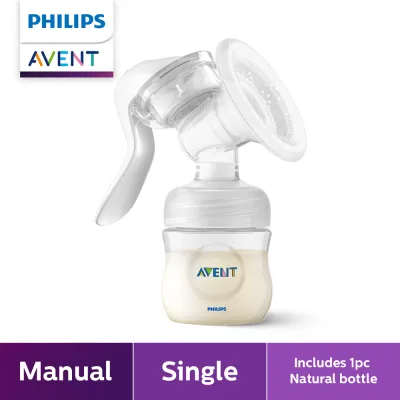
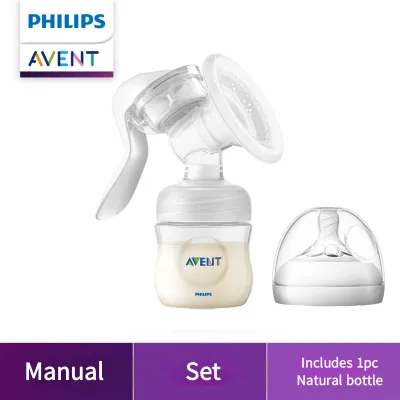
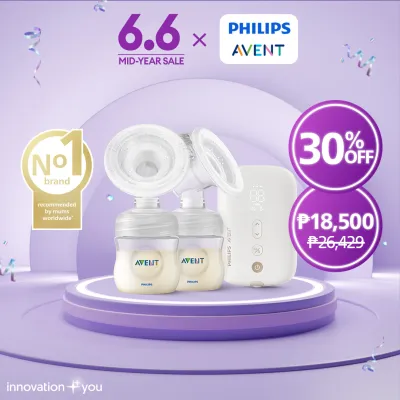
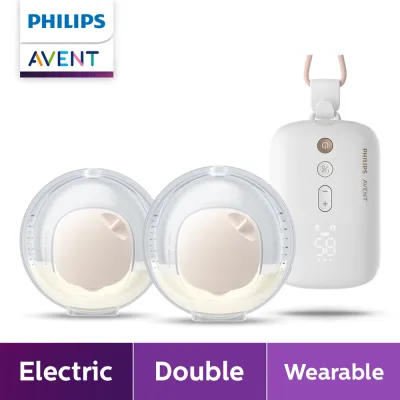
Prices are valid at publication and may change. Please refer to the product page for the latest price.

| Feature | Philips Avent Manual Pump | Philips Avent Electric Pump |
|---|---|---|
| Power Source | None (Fully manual operation) | Electrical outlet, USB, or rechargeable battery |
| Portability | Extremely high; lightweight and compact | Moderate; requires carrying the motor unit and cables |
| Setup & Cleaning | Very simple; fewer parts to wash and assemble | Moderate; more components, including tubing and valves |
| Noise Level | Completely silent | Quiet mechanical hum from the motor unit |
| Physical Effort | High; requires continuous hand pumping | None; automated suction cycles do the work |
| Ideal User | Occasional pumpers, direct breastfeeders, travelers | Exclusive pumpers, working mothers, daily multi-session users |
Please note that Philips Avent offers various sub-models within both categories, including single electric, double electric, and manual pumps featuring different cushion designs. It is highly recommended to verify the specific model specifications, included accessories, and exact kit contents on the product packaging or through authorized retailer pages before making your purchase, as features can vary by generation and model line.
Matching the Pump to Your Daily Routine
Portability and On-the-Go Use
For mothers who are frequently on the move, travel regularly, or commute within busy urban areas, portability is a primary consideration. The manual pump excels in this environment due to its lightweight, self-contained design. It requires no electrical outlets, external batteries, or charging cables, allowing you to express milk discreetly in almost any setting—whether you are in a vehicle, a public restroom, or a location with unreliable power. It easily slips into a standard diaper bag without adding significant weight.
On the other hand, while modern electric pumps are designed to be as compact as possible, they still require you to carry the motorized pump unit, power adapters, and sometimes specialized tubing. While highly manageable, an electric setup is generally better suited for stationary environments, such as your home or a dedicated lactation room at your workplace.
Time Efficiency and Hands-Free Multitasking
Time management is a constant challenge for new mothers, making efficiency a major factor in your choice. An electric breast pump, particularly a double electric model, is designed to extract milk quickly and efficiently from both breasts simultaneously. When paired with a compatible hands-free pumping bra, an electric pump allows you to keep your hands completely free. This enables you to work on a computer, eat a meal, read a book, or tend to your baby during your pumping sessions.
In contrast, a manual pump requires your continuous, active physical engagement. You must hold the pump body against your breast with one hand while using your other hand to operate the lever. This requirement makes multitasking nearly impossible and can make your pumping sessions feel significantly longer, as you cannot easily divert your attention to other tasks.
Noise Levels and Nighttime Privacy
The sound of a breast pump can impact your comfort and the comfort of those around you, especially during late-night or early-morning sessions. A manual pump operates in complete silence, as it relies solely on mechanical hand pressure. This silent operation allows you to pump right next to your sleeping baby or partner without any risk of waking them, providing a high level of privacy.
Electric pumps rely on a motorized pump unit to generate suction, which naturally produces a repetitive mechanical hum. Although Philips Avent designs its electric pumps to operate as quietly as possible, the sound and mild vibration of the motor are still audible in a quiet room. If you live in a compact home, share a bedroom, or prioritize absolute discretion during your sessions, the noise level of the motor is an important factor to weigh.
Comfort, Suction Control, and Milk Yield
Suction Consistency and Let-Down Modes
The biological process of milk expression relies heavily on the let-down reflex, which is triggered by specific suckling patterns. Babies naturally begin nursing with fast, light sucks to stimulate milk flow, followed by slower, deeper draws once the milk begins to flow. Philips Avent electric pumps are engineered to mimic this natural rhythm automatically. They feature dedicated stimulation and expression phases, allowing you to transition between modes and adjust suction levels at the touch of a button. This automated consistency helps ensure a steady, reliable milk flow.
With a manual pump, you must replicate this dual-phase rhythm yourself. You must start with rapid, shallow squeezes of the handle to stimulate let-down, and then transition to slower, deeper compressions. While this gives you complete, real-time control over the suction strength and speed, it requires practice, focus, and a learning curve to master effectively.
Physical Strain and Ergonomics
Using a manual breast pump for multiple sessions a day can lead to physical fatigue. Squeezing the manual handle repeatedly for 15 to 20 minutes per breast requires significant hand, wrist, and forearm strength. Over time, this repetitive motion can cause muscle strain or joint discomfort, particularly for mothers who are already experiencing postpartum joint laxity or conditions like carpal tunnel syndrome.
Electric breast pumps eliminate this physical strain entirely. Once the pump flange is positioned correctly on your breast, the motor performs all the work. Your hands and upper body can remain completely relaxed throughout the session. This ergonomic benefit is a major advantage for mothers who need to pump frequently and want to avoid physical exhaustion.
Impact on Establishing and Maintaining Supply
For mothers who are exclusively pumping or need to build and maintain a robust milk supply, the efficiency of breast drainage is critical. Lactation professionals generally recommend electric pumps—especially double electric models—for these situations. Double pumping stimulates both breasts at once, which has been shown to help maintain higher prolactin levels, the hormone responsible for milk production. This thorough, simultaneous stimulation helps empty the breasts more completely, signaling your body to produce more milk.
While a manual pump is highly capable of emptying the breast, using it frequently enough to establish or maintain a full milk supply is incredibly demanding and difficult to sustain over several months. If you are facing specific milk supply challenges, it is always best to consult a certified lactation consultant or healthcare professional to develop a personalized feeding plan.
Budget Considerations: Upfront Costs and Long-Term Value
When evaluating the financial aspect, it is important to look at both the upfront investment and the long-term maintenance costs. Manual breast pumps fall into a highly accessible, budget-friendly price band, making them an excellent, low-risk option if you are unsure of your long-term pumping needs. Electric breast pumps represent a more substantial upfront financial investment. However, for mothers who pump daily or return to work, the time saved and the physical convenience often justify the higher initial cost.
Beyond the initial purchase, both systems require ongoing maintenance. Breast pumps utilize consumable silicone parts—such as valves, diaphragms, and cushions—that naturally stretch, wear down, and lose elasticity over time due to regular use, washing, and sterilization. To maintain optimal suction and performance, these parts must be replaced periodically, typically every one to three months depending on how frequently you pump. Electric pumps have additional long-term considerations, including potential battery degradation over time, the need to replace worn tubing, and the potential for motor issues that may require warranty support.
To ensure you are purchasing genuine products with valid local warranties, always buy your pump and replacement parts from authorized online brand stores, official distributors, or major, reputable pharmacy chains in the Philippines. Avoid purchasing from unverified third-party sellers on open e-commerce platforms, as counterfeit baby products can compromise safety and performance.
Additionally, the highly humid, tropical climate of the Philippines requires extra diligence when maintaining breast pump hygiene. High humidity levels create an ideal environment for mold and bacterial growth on damp surfaces. To protect your baby’s health, all washable pump parts must be thoroughly cleaned with warm, soapy water, rinsed, and allowed to air-dry completely in a clean, well-ventilated area before storage. Pay close attention to small crevices, such as the inside of silicone valves and any tubing. Always refer to the manufacturer’s care, cleaning, and sterilization instructions, as improper maintenance can damage the parts and compromise the pump’s performance.
Final Decision Framework: Which One Should You Buy?
To help you finalize your decision, consider this straightforward framework based on your daily routine and feeding goals:
- Choose the Philips Avent Manual Pump if:
- You primarily breastfeed directly and only need to pump occasionally for relief or short outings.
- You prioritize a silent, highly portable, and lightweight pump that requires no power source.
- You are working with a limited budget or want a low-risk secondary pump for travel.
- You prefer having complete, manual control over the suction speed and rhythm.
- Choose the Philips Avent Electric Pump if:
- You are exclusively pumping or plan to express milk multiple times every day.
- You are returning to a workplace and need to pump quickly and efficiently during your breaks.
- You want to maximize your ability to multitask by using a hands-free pumping setup.
- You want to avoid the hand, wrist, and forearm fatigue associated with manual pumping.
- Verify First if:
- You are unsure about your long-term feeding routine. It may be wise to start with a manual pump to assess your needs before committing to a premium electric model.
- You must verify your flange size before use. A correct flange fit is absolutely essential for both comfort and efficient milk expression. Philips Avent pumps typically come with a standard-sized cushion, but you may need to purchase a different size to match your unique anatomy. Refer to the manufacturer's sizing guidelines, and consult a lactation professional if you experience persistent discomfort or low milk yield.
Frequently Asked Questions (FAQ)
Are Philips Avent manual and electric pump parts interchangeable?
While some components within the Philips Avent ecosystem are designed to be compatible—such as the Natural baby bottles and certain silicone breast cushions—many critical functional parts are not interchangeable. Key components like silicone diaphragms, valves, stems, and tubing are highly specific to either the manual or electric design, as well as the specific product generation (such as the Natural Motion range versus older Classic models). Attempting to mix incompatible parts can lead to a complete loss of suction, poor performance, or damage to the pump mechanism. Always consult the manufacturer’s compatibility guide or check the product packaging before attempting to swap parts between different pumps.
Can I use a manual pump to build a large freezer stash?
While it is physically possible to build a milk stash using a manual pump, doing so requires a significant investment of time and physical effort. Building a substantial freezer stash requires consistent, frequent pumping sessions, which can quickly lead to hand and wrist fatigue when using a manual device. For high-volume extraction and regular daily use, an electric pump—especially a double electric model—is far more efficient and less physically taxing. The manual pump is best utilized as a supportive tool for occasional use, traveling, or expressing milk when away from a power source, rather than the primary tool for high-volume stash building.

Community discussion
Share your experience or ask a question. Comments are reviewed before publication.