
Deciding between a manual and an electric Philips Avent breast pump depends entirely on your daily routine, pumping frequency, and budget. While manual pumps offer unmatched portability and discretion for occasional use, electric models provide the efficiency and adjustable settings needed for exclusive pumping or returning to work. This guide breaks down the practical differences to help you match the right pump to your specific lifestyle.
Choosing the right breast pump is one of the most significant decisions you will make during your breastfeeding journey. The ideal choice should seamlessly integrate into your daily schedule, support your milk supply goals, and fit comfortably within your household budget. By understanding how each type operates under real-world conditions, you can make an informed investment that keeps both you and your baby comfortable.
Assessing Your Daily Pumping Routine and Needs
Before comparing specific pump models, it is essential to evaluate your personal schedule, daily environment, and long-term feeding goals. Every mother’s breastfeeding journey is unique, and a pump that works perfectly for a stay-at-home parent might not suit someone commuting daily to an office.
Products mentioned in this guide
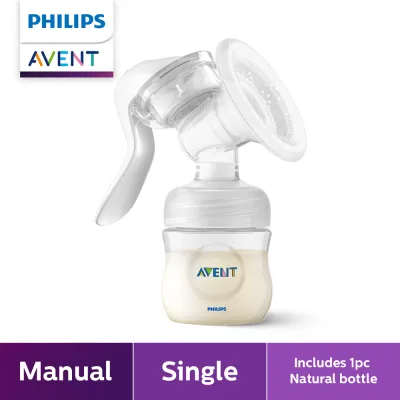
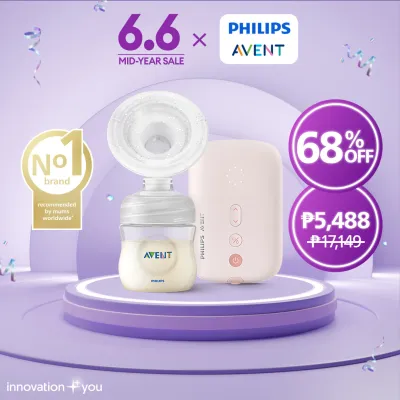
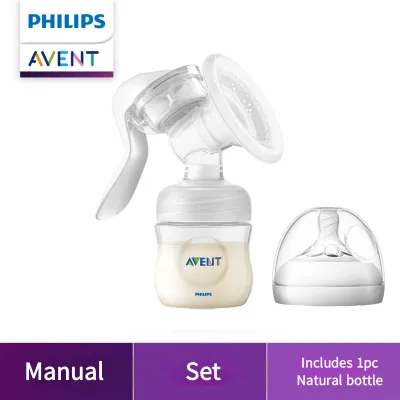
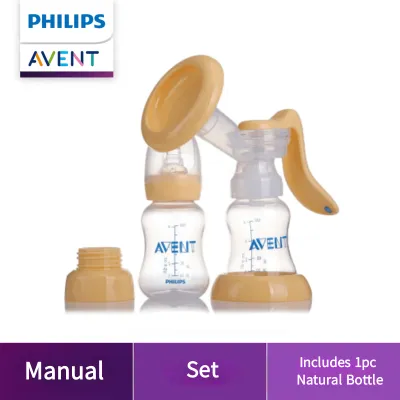
Prices are valid at publication and may change. Please refer to the product page for the latest price.
Start by determining your expected pumping frequency. If you plan to breastfeed directly most of the time and only need to express milk occasionally for relief or to let a partner handle a night feeding, your needs will differ significantly from someone who is exclusively pumping. Exclusive pumping requires a robust system that can withstand multiple daily sessions without causing physical fatigue.
Next, consider your typical pumping environments. Think about where you will spend most of your day, whether you have access to private spaces, and if reliable electrical outlets are always nearby. In tropical climates where power interruptions or brownouts can occur, having a reliable, non-electric option is a practical safety net.
Finally, assess your budget constraints alongside your long-term breastfeeding goals. While some view a breast pump as a short-term tool, others plan to use it for multiple years or across several children. Balancing the initial cost against the expected duration of use will help you decide how much to invest in advanced features.
Philips Avent Manual Pumps: Best for Occasional Use and Travel
Manual breast pumps are highly valued for their simplicity, lightweight design, and complete independence from power sources. Because they do not rely on batteries or electrical outlets, they are exceptionally portable and easy to slip into a diaper bag for quick outings or extended travel.

One of the greatest advantages of a manual pump is its quiet operation. Without a motor hum, you can express milk discreetly in shared spaces, office cubicles, or even next to a sleeping baby without disturbance. This silent performance offers peace of mind for mothers who value privacy during their pumping sessions.
However, manual pumping requires continuous physical effort. Because you must manually compress the handle to create suction, long or frequent sessions can lead to hand and wrist fatigue over time. This physical demand makes manual models less suitable for exclusive pumping or high-frequency daily use.
For those who only need to pump occasionally, travel frequently, or want a dependable backup to keep in their car or office, a manual pump is an excellent choice. It provides a straightforward, low-stress way to relieve engorgement or collect a quick feeding’s worth of milk without setting up cords and tubes.
Philips Avent Electric Pumps: Best for Frequent and Exclusive Pumping
Electric breast pumps are engineered for maximum efficiency, offering automated suction that mimics a baby’s natural nursing rhythm. These models feature adjustable suction levels and multiple expression modes, allowing you to customize the experience to your comfort level and optimize milk flow.
The primary benefit of an electric pump is the significant reduction in physical strain. By automating the suction process, these pumps allow you to relax your hands and arms during sessions, which is especially beneficial during late-night or early-morning pumping. This hands-free potential, when paired with a compatible pumping bra, allows you to multi-task or rest.
For mothers returning to work, managing a busy schedule, or exclusively pumping, the speed and efficiency of an electric model are indispensable. These units are designed to express milk quickly and thoroughly, helping you maintain your supply even when time is limited during busy workdays.
Despite their efficiency, electric pumps come with practical trade-offs. They are generally heavier, require access to a power source or regular battery charging, and produce a noticeable motor sound. Additionally, they consist of more components, which requires careful attention during assembly and cleaning.
Manual vs. Electric: Comparing Daily Usability and Maintenance
Understanding the daily operational differences between these two pump types can help you visualize how they fit into your routine. From assembly to sterilization, each type demands a different level of daily commitment.
| Feature | Manual Breast Pump | Electric Breast Pump |
|---|---|---|
| Power Source | Manual hand operation | AC power outlet or rechargeable battery |
| Weight & Portability | Extremely lightweight, highly portable | Heavier motor unit, requires carrying bag |
| Noise Level | Virtually silent | Soft motor hum |
| Cleaning Complexity | Few parts, very easy to wash | More parts, including tubing and valves |
| Typical Price Range | Budget-friendly (₱1,500 – ₱3,500) | Premium investment (₱6,000 – ₱15,000+) |
Both manual and electric Philips Avent pumps utilize comfortable silicone cushions designed to fit a wide range of shapes. However, the assembly process differs; manual pumps have fewer parts to connect, making them faster to set up when you are in a hurry. Electric models require connecting tubing and ensuring a secure seal with the motor unit to maintain proper suction.
Routine maintenance and hygiene are critical, especially in warm, humid climates where moisture can encourage bacterial growth. All parts that come into contact with breast milk must be thoroughly washed, sanitized, and completely dried after every use. While manual pumps can be fully submerged and sterilized easily, electric pump motors and tubing must be kept dry and inspected regularly for wear. Replacement parts, such as valves and diaphragms, should be sourced from authorized local retailers to ensure safety and compatibility.
How to Decide: A Quick Choice Framework
To simplify your decision, consider which of the following scenarios best aligns with your current lifestyle and feeding plans.
Choose a manual pump if you are on a budget, plan to breastfeed directly most of the time, and only need to express milk occasionally. It is also the ideal choice if you travel frequently to areas with unreliable power grids or prefer a silent, highly discreet option for quick outings.
Choose an electric pump if you are returning to a full-time job, plan to pump multiple times a day, or are exclusively pumping. The time saved and the physical relief from automated suction make it a highly practical investment for busy schedules and long-term milk storage goals.
For many mothers, a combination approach offers the ultimate versatility. Keeping an electric pump at home or the office for primary sessions, while carrying a lightweight manual pump in your diaper bag for emergencies or travel, ensures you are prepared for any situation.
What to Verify Before You Buy
Before finalizing your purchase, take the time to verify a few critical details to ensure a safe and comfortable experience. First, check the flange size included with the pump. A proper fit is essential for comfort and efficient milk expression; using a flange that is too small or too large can cause discomfort or reduce milk flow.
Next, verify the warranty terms and the authorized retailer status in the Philippines. Purchasing from official channels ensures you receive a genuine product, access to customer support, and a valid local warranty for electric motor units.
Finalizing your choice also means reviewing the manufacturer’s instructions regarding sterilization limits and motor care. Proper maintenance not only protects your investment but also ensures the milk expressed remains safe and hygienic for your baby.
Frequently Asked Questions (FAQ)
Can I use a manual pump to build a large freezer stash?
While it is physically possible to build a milk stash using a manual pump, it requires a significant investment of time and physical effort. Expressing milk manually for multiple sessions a day can lead to hand fatigue and may take longer to achieve the same volume as an electric pump. For building a substantial long-term stash, an electric model is generally more efficient and sustainable.
Are Philips Avent pump parts interchangeable between manual and electric models?
Many Philips Avent bottles and breast shields are designed to be compatible across their product lines, allowing you to pump directly into different bottle sizes. However, specific internal components like diaphragms, valves, and electric tubing are model-specific and cannot be interchanged. Always check the product manual or consult authorized customer support to verify part compatibility before assembly.

Community discussion
Share your experience or ask a question. Comments are reviewed before publication.