
Selecting the right feeding bottle is one of the most frequent decisions you will face as a parent, especially when navigating premium options like the Philips Avent range. The choice between glass and Polyphenylsulfone (PPSU) ultimately depends on your daily caregiving routine, your baby’s developmental stage, and your physical environment. If your primary goals are maximum scratch resistance, long-term chemical stability, and a material that does not absorb odors over time, glass is an excellent option for home-based feeding. Conversely, if you require a lightweight, highly durable, and shatter-resistant bottle that can withstand the inevitable drops of an active toddler or the demands of travel, PPSU serves as the ideal high-performance alternative.
Both materials represent premium standards in the Philips Avent lineup, yet they cater to distinct handling environments. Before making a purchase, it is highly beneficial to consider who will be holding the bottle during feeds and where those feeds will primarily take place. A heavy glass bottle is perfect for a quiet, adult-led feeding session on a nursery chair, whereas a lightweight PPSU bottle is much better suited for a baby who is learning to hold their own bottle or for quick feeds while running errands in warm, humid weather. Balancing these practical factors ensures you select a bottle that simplifies your daily routine rather than adding unnecessary stress.
Safety and Chemical Stability
When evaluating what goes into your baby’s mouth, safety and chemical stability are paramount. Glass has long been trusted by parents due to its naturally inert properties. Philips Avent glass bottles are typically manufactured from high-quality borosilicate glass, a material renowned for its thermal shock resistance and complete resistance to chemical leaching. Because glass is non-porous, it does not absorb milk fats, odors, or colors, ensuring that every feed tastes exactly as intended. This inert quality also means that even after hundreds of washes and sterilization cycles, the material remains structurally unchanged, providing visual clarity that allows you to verify cleanliness instantly.
Products mentioned in this guide
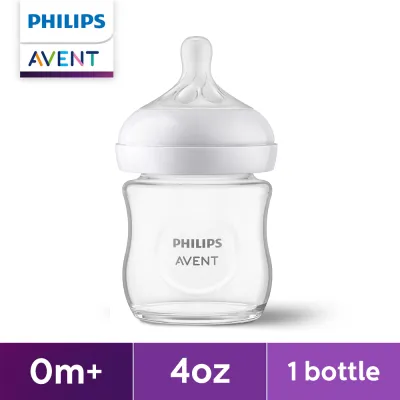
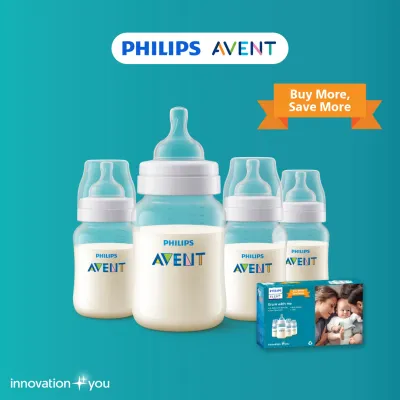
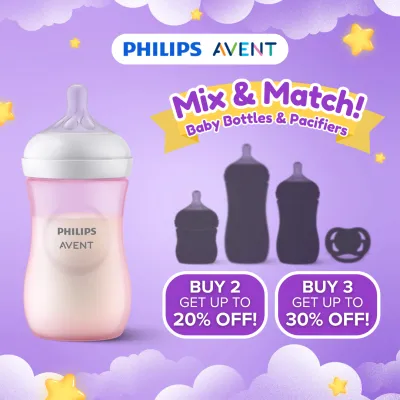
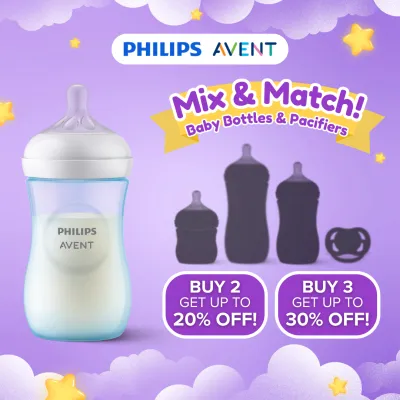
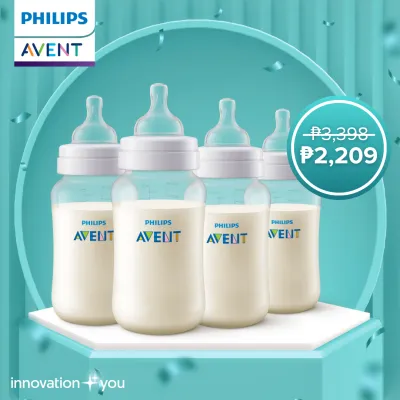
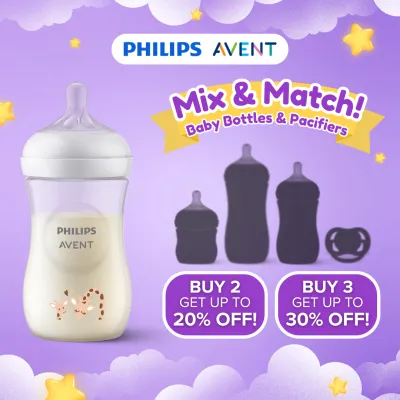
Prices are valid at publication and may change. Please refer to the product page for the latest price.
On the other hand, PPSU represents the cutting edge of medical-grade plastics. It is a highly durable polymer designed to withstand extreme temperatures and repeated sterilization without degrading or releasing harmful chemicals. Unlike standard plastics, PPSU does not easily absorb odors or stains, making it a highly reliable alternative to glass. However, because safety standards and material compositions can vary across different product lines, caregivers must always check the product packaging and official manufacturer labels to verify specific BPA-free, BPS-free, and food-grade certifications rather than relying on general material assumptions.
Over months of continuous use, all plastic materials, including premium PPSU, can develop micro-scratches from bottle brushes or abrasive cleaning. These tiny, microscopic grooves can sometimes harbor microscopic milk residue or bacteria if not cleaned meticulously. Therefore, if you notice any deep scratches, persistent cloudiness, or structural wear on a PPSU bottle, it is highly recommended to replace it immediately. Glass bottles do not suffer from this type of micro-scratching, meaning they remain visually verifiable for cleanliness throughout their lifespan, provided they remain free of chips or cracks.
Durability, Weight, and Daily Handling
The physical demands of daily feeding sessions quickly highlight the differences in weight and durability between these two materials. Glass bottles are inherently heavier, which can cause hand fatigue during long, late-night feeding sessions. Furthermore, glass is fragile; dropping a glass bottle on hard surfaces—such as the ceramic tile floors common in many tropical households—can result in immediate shattering. This risk requires caregivers to maintain strict adult supervision during every single feed, ensuring that older infants do not attempt to hold or play with glass bottles independently.

PPSU bottles offer a stark contrast in terms of daily handling and drop-survivability. Being incredibly lightweight, PPSU allows even younger babies to transition more easily to holding their own bottles when they reach the appropriate developmental stage. If a PPSU bottle slips from a high chair or is tossed onto a hard floor, it will not shatter, crack, or chip, providing peace of mind in active, fast-paced households. This shatter-resistant quality makes PPSU the preferred choice for travel, outdoor excursions, or daycare environments where bottles are handled frequently by multiple people.
When choosing between the two, it is essential to assess your baby’s current physical capabilities and your household’s layout. If your home features mostly carpeted or soft wooden floors, the risk of breaking glass is slightly mitigated, but tiled or concrete floors present a constant hazard. Additionally, consider the ergonomic design of the Philips Avent bottle shape; while both materials feature an easy-to-grip contour, the added weight of glass can make it difficult for a baby to self-feed safely. For older infants and toddlers who demand more independence, transitioning to a lightweight PPSU bottle is often the most practical path.
Heat Retention, Cleaning, and Sterilization
Temperature management and hygiene routines are critical components of bottle-feeding that vary significantly depending on the material you choose. Glass bottles possess excellent heat retention properties, meaning they can keep warmed milk at an ideal temperature for longer periods. However, this also means the exterior of the bottle can become very hot to the touch during the warming process. Caregivers must always perform a manual temperature check—such as dripping a few drops of milk onto the inside of their wrist—before offering the bottle to the baby, ensuring the liquid is safe and comfortable.
Sterilization is another area where both materials perform exceptionally well, but with different parameters. PPSU is highly heat-tolerant and can safely undergo steam sterilization, boiling, and UV sterilization. However, because extreme heat can eventually affect any polymer, it is vital to verify the manufacturer’s maximum temperature thresholds on the product packaging to prevent warping or premature wear. In warm, humid tropical climates, ensuring that bottles dry completely after sterilization is crucial to prevent the growth of mold or mildew, making well-ventilated drying racks an essential accessory for both glass and PPSU setups.
Cleaning visibility also differs between the two options. Glass bottles are perfectly transparent, allowing you to easily spot any stubborn milk film or residue clinging to the bottom or shoulders of the bottle. PPSU bottles naturally possess a distinct, warm honey-colored or amber tint, which is a characteristic of the raw medical-grade material itself. While this tint is completely normal, it can make visual inspection slightly more challenging than with clear glass. Using a specialized, soft-bristled bottle brush is highly recommended for PPSU to ensure thorough cleaning without scratching the inner walls, while glass can handle firmer brushes with ease. Caregivers must also guard against thermal shock when handling glass; moving a cold glass bottle directly from the refrigerator into boiling water can cause the material to crack instantly.
Evaluating Upfront Costs and Replacement Value
Investing in premium feeding bottles requires a clear understanding of both upfront costs and long-term replacement cycles. Glass bottles generally command a higher initial retail price in Philippine Pesos (‑₱) due to the specialized manufacturing processes required for borosilicate glass. However, because glass does not degrade over time, a single set of glass bottles can theoretically last through multiple infancy stages or even be reused for subsequent siblings, provided they are kept free of chips, cracks, or deep scratches. This longevity can make glass a highly cost-effective choice over the long term.
In contrast, PPSU bottles represent a premium tier of plastic feeding products, often priced similarly to or slightly below glass options. While they offer unmatched durability against drops, PPSU bottles do not have an infinite lifespan. Over months of repeated washing, sterilization, and exposure to heat, the polymer will eventually begin to show signs of wear, requiring periodic replacement. When budgeting for your baby’s feeding essentials, it is important to check current retail prices on official brand websites or authorized e-commerce platforms, as bundle deals and promotional pricing can fluctuate.
Beyond the bottles themselves, caregivers must factor in the ongoing costs of compatible accessories. Both glass and PPSU bottles require regular replacement of the silicone nipples as your baby grows and requires a faster flow rate. Additionally, investing in high-quality, non-abrasive cleaning brushes and sterilizers that accommodate the specific dimensions of your chosen Avent bottles is necessary to protect your investment. By calculating the total cost of ownership—including potential replacement bottles due to accidental breakage or natural material wear—you can make a financially sound decision that fits your family’s budget.
Decision Framework: When to Choose Glass vs. PPSU
To finalize your purchasing decision, it is helpful to evaluate your household’s specific needs against a structured framework. Your choice does not have to be exclusive; indeed, many families find that a hybrid approach works best for their lifestyle.
Choose Glass if:
- You prioritize maximum chemical inertness and want a material that will never absorb odors, stains, or milk fats.
- The majority of your feeding sessions take place at home in a controlled, adult-supervised environment.
- You prefer a highly sustainable option that can last for years without needing replacement due to material degradation.
- You are comfortable handling a heavier bottle and have a reliable, safe storage area away from hard tile floors.
Choose PPSU if:
- You need a lightweight, highly portable bottle for travel, outdoor trips, or daycare use.
- Your baby is entering the self-feeding stage and wants to hold their own bottle without the risk of heavy drops.
- Your home features hard flooring where dropped items are highly likely to shatter.
- You want the safety of a medical-grade, high-temperature plastic without the weight and fragility of glass.
Verify first if:
- Your existing sterilizer can accommodate the height and width of the specific Philips Avent bottle sizes you plan to buy.
- The nipple collar rings you currently own are fully compatible with the specific bottle line (such as Natural or Anti-colic) you are purchasing.
- You have checked authorized local retailers for genuine stock to avoid counterfeit products that do not meet safety standards.
Ultimately, many parents choose to mix both materials within their household. You might use glass bottles for morning and nighttime feeds at home, where you can sit quietly with your baby, and keep a set of PPSU bottles packed in your diaper bag for outings, visits to relatives, or daycare. This balanced strategy allows you to enjoy the unique benefits of both premium materials without compromising on safety, convenience, or durability.
Frequently Asked Questions (FAQ)
Can I use the same Avent nipples for both glass and PPSU bottles?
Yes, Philips Avent designed their feeding systems with cross-compatibility in mind, but you must ensure you are matching the correct product line. For example, nipples from the Avent Natural range must be paired with Natural bottle collars, whether the bottle body is made of glass or PPSU. Always verify the specific collar ring and bottle neck size indicated on the product packaging before mixing parts to ensure a proper, leak-free seal.
How often should I replace PPSU bottles compared to glass?
As a general guideline, PPSU bottles should be replaced every 4 to 6 months of regular use to ensure optimal hygiene and material integrity. You should inspect PPSU bottles daily for visual cues of degradation, such as persistent cloudiness, deep scratches, cracks, or a sticky texture, and replace them immediately if any are found. In contrast, high-quality glass bottles do not degrade over time and only need to be replaced if they become chipped, cracked, or structurally compromised.

Community discussion
Share your experience or ask a question. Comments are reviewed before publication.