
Choosing between Philips Avent glass and plastic baby bottles is not a matter of finding a single superior material; rather, it is about aligning a bottle’s physical properties with your family’s daily lifestyle, safety priorities, and your baby’s developmental stage. Both materials offer distinct advantages that cater to different feeding environments and caregiving routines. While one family may prioritize the chemical purity and long-term durability of glass, another may find the lightweight, shatterproof convenience of plastic indispensable for on-the-go feeding.
In a tropical climate like the Philippines, environmental factors such as high humidity and ambient warmth play a significant role in how parents maintain baby gear. Warm temperatures accelerate bacterial growth on damp surfaces, making frequent, high-heat sterilization a daily necessity. Consequently, the material you choose must withstand rigorous cleaning schedules without degrading. Glass is highly resilient under constant high-heat steam or UV sterilization, making it a favorite for home-based feeding where hygiene is the top priority. Conversely, lightweight plastic (specifically Avent’s BPA-free lines like Natural or Anti-colic) is highly practical for travel, daycare, and older babies who are beginning to hold their own bottles.
Understanding the distinct characteristics of each material helps you avoid common feeding frustrations, such as lingering odors, premature wear, or accidental breakage. By evaluating safety standards, physical durability, temperature dynamics, and long-term costs, you can build a bottle-feeding setup that keeps your baby safe and comfortable. This guide breaks down these critical factors to help you make an informed decision for your nursery.
Products mentioned in this guide
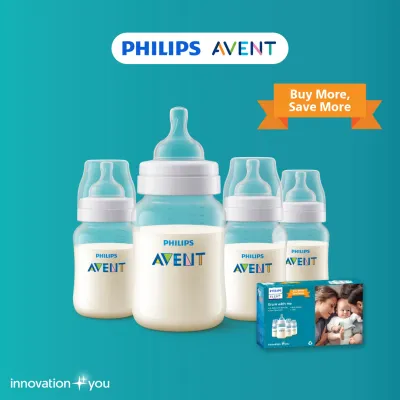
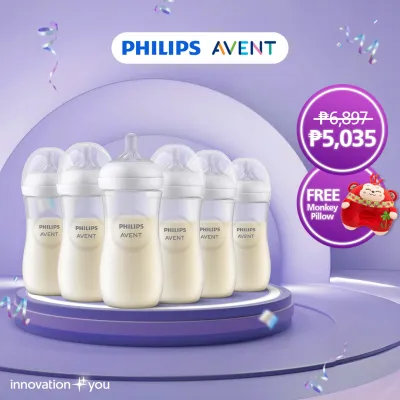
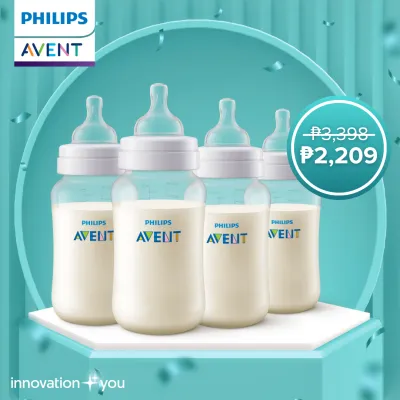
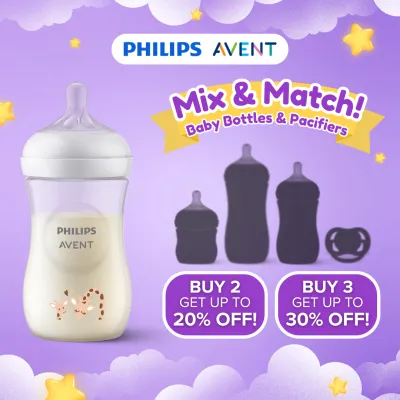
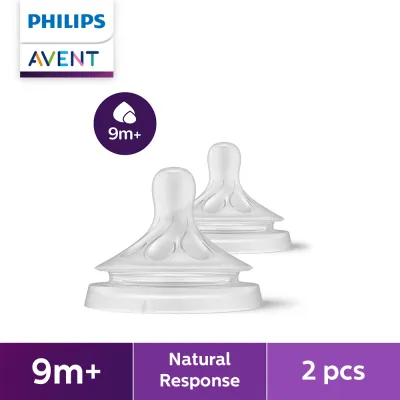
Prices are valid at publication and may change. Please refer to the product page for the latest price.
Safety and Health: Comparing Glass and Plastic for Baby Feeding
When evaluating baby bottles, safety is naturally the foremost concern for parents. The primary distinction between glass and plastic lies in their chemical composition and how they react to the extreme heat required for regular sterilization.
Chemical Purity and Heat Resistance of Glass
Philips Avent glass bottles are typically manufactured from premium borosilicate glass. This specialized material is highly resistant to thermal shock, meaning it can transition from freezing temperatures to boiling water without cracking. From a chemical safety perspective, borosilicate glass is entirely inert. It contains no bisphenol A (BPA), bisphenol S (BPS), phthalates, or other synthetic chemical additives. Because glass does not degrade when exposed to boiling water, steam, or UV sterilizers, it provides absolute peace of mind regarding chemical leaching. The non-porous surface of glass also ensures that no microscopic food particles or detergent residues can penetrate the material, maintaining a pure feeding environment over years of use.
Plastic Formulations and Regulatory Standards
Philips Avent plastic bottles are constructed from high-quality, food-grade plastics such as Polypropylene (PP). PP is a semi-flexible, lightweight plastic that is widely utilized in medical and food packaging due to its high heat tolerance relative to other plastics. When purchasing plastic bottles, caregivers must carefully inspect the product packaging to verify that the specific model is explicitly labeled as BPA-free and BPS-free. While modern regulatory standards in the Philippines and globally strictly prohibit BPA in baby products, verifying these labels ensures compliance with the latest safety formulations. Plastic bottles are highly durable against physical impacts, but they are softer than glass and more susceptible to surface wear over time.
Microplastics and High-Heat Sterilization
Recent pediatric research highlights concerns regarding microplastic shedding when plastic containers are subjected to high heat. While modern baby plastics are heavily regulated and deemed safe for infant feeding, repeated exposure to boiling water, microwave sterilization, or high-temperature dishwasher cycles can accelerate the degradation of the plastic polymer. This wear can potentially increase the shedding of microscopic plastic particles over time. To mitigate this risk, caregivers should strictly adhere to the manufacturer’s guidelines regarding maximum sterilization temperatures and cycle durations. If you choose plastic, consider warming breastmilk or formula in a separate glass container before transferring it to the plastic bottle for feeding.
Essential Safety Inspection Routines
Regardless of whether you choose glass or plastic, regular safety inspections are mandatory to protect your infant. Glass bottles must be checked daily for hairline cracks, chips around the rim, or internal scratches that could compromise structural integrity or harbor bacteria. Plastic bottles must be inspected for cloudiness, deep scratches from bottle brushes, or a sticky texture, which indicate that the polymer is breaking down. If you detect any of these signs of wear, stop using the bottle immediately and replace it. Always supervise your baby during feeds, and never allow an infant to hold a glass bottle independently.
Durability and Daily Practicality for Caregivers
Daily bottle-feeding involves constant washing, sterilizing, assembling, and transport. The physical weight and durability of your chosen material will directly impact your daily comfort and the ease with which your baby transitions to self-feeding.

Weight, Ergonomics, and Developmental Milestones
Glass bottles are substantially heavier than plastic alternatives. A standard 240ml glass bottle can place noticeable strain on a caregiver’s wrist during prolonged, late-night feeding sessions. Furthermore, this weight makes glass bottles unsuitable for infants who are reaching developmental milestones—typically between 6 and 9 months—where they attempt to hold the bottle themselves. Plastic bottles are exceptionally lightweight and ergonomically designed, allowing babies to develop their fine motor skills and grip the bottle safely under close adult supervision.
Impact Resistance and the Risk of Shattering
In many Philippine households, flooring consists of hard ceramic tiles, marble, or polished concrete. These surfaces are highly unforgiving to dropped glassware. A single accidental slip during a middle-of-the-night feed can cause a glass bottle to shatter, creating an immediate safety hazard in the home. To minimize this risk, parents using glass bottles should invest in compatible silicone sleeves. These sleeves provide a non-slip grip for soapy hands and offer a protective cushioning layer that absorbs minor impacts. Plastic bottles, by contrast, are virtually shatterproof. They can survive repeated drops onto hard floors, making them the superior choice for active households, travel, or when leaving the baby in the care of a yaya or daycare center.
Cleaning, Staining, and Odor Retention
In warm, humid tropical environments, milk residues can quickly sour and leave persistent odors or stains. Glass is highly resistant to organic staining and does not absorb odors from formula or breastmilk. Even after months of use, a glass bottle can be restored to pristine clarity with standard washing. Plastic, however, is a porous material that easily absorbs fats and pigments from milk. Over time, plastic bottles can develop a cloudy appearance and retain a faint, sour milk smell. To combat this, caregivers must avoid using abrasive scrubbing sponges or stiff-bristled brushes that create micro-scratches on the plastic interior. Instead, use soft silicone bottle brushes and occasionally soak plastic bottles in a mixture of warm water and baking soda to neutralize stubborn odors.
Feeding Experience and Temperature Retention
An infant’s comfort during feeding is heavily influenced by how the bottle manages milk temperature and how effectively its venting system prevents the ingestion of air.
Heat Retention and Temperature Dynamics
Glass possesses high thermal mass, meaning it retains heat significantly longer than plastic. If your baby is a slow feeder who prefers to take small sips over a 30-minute period, a glass bottle will keep the milk warm and appealing throughout the entire session. However, this thermal retention is a double-edged sword. When preparing a bottle, glass takes longer to warm up in a bottle warmer or a bowl of hot water. It also takes longer to cool down if you have accidentally overheated the milk. Plastic bottles respond to temperature changes much faster, allowing for rapid warming when a hungry baby is crying, though the milk will also cool down quickly if exposed to an air-conditioned room.
Anti-Colic Venting Systems and Material Compatibility
Philips Avent offers highly regarded anti-colic solutions across both its Natural Response and Anti-colic lines. These systems utilize specialized venting valves—either integrated directly into the nipple or via a separate AirFree vent insert—to direct air away from the baby’s tummy, reducing colic, gas, and reflux. While these venting mechanisms function identically regardless of the bottle material, caregivers must verify that the specific nipples, collars, and vent inserts they use are designed for their exact bottle model. Mixing components between different product lines (such as putting an older Classic collar onto a newer Natural glass bottle) can disrupt the airtight seal, resulting in persistent leaks and ineffective venting.
Selecting the Correct Nipple Flow Rate
It is a common misconception that the bottle material influences how quickly milk flows. Nipple flow rate is governed entirely by the physical design of the silicone nipple. Philips Avent nipples are categorized by stages or flow numbers, designed to match your baby’s age, physical strength, and developmental stage. When transitioning between glass and plastic bottles, ensure you keep the nipple stage consistent. Monitor your baby for signs of incorrect flow: if they are choking, coughing, or spitting up, the flow may be too fast; if they are sucking aggressively, collapsing the nipple, or crying, the flow may be too slow. Always consult a pediatrician or lactation consultant if you experience persistent feeding difficulties.
Cost, Lifespan, and Replacement Factors
Budgetary considerations extend far beyond the initial purchase price of a bottle starter kit. Parents must evaluate the total cost of ownership, which includes replacement cycles, accessory compatibility, and long-term utility.
Upfront Investment vs. Long-Term Value
Glass baby bottles require a higher initial financial outlay. In the Philippine market, a single Philips Avent glass bottle typically falls within a price band of ₱500 to ₱900+, depending on the capacity and retail outlet. Plastic bottles are significantly more economical upfront, generally priced between ₱300 and ₱600+ per unit. However, the long-term value proposition shifts when you analyze the lifespan of the materials. Because glass does not degrade, warp, or scratch, a single set of glass bottles can theoretically last through your baby’s entire bottle-feeding journey and even be sterilized and stored for future siblings, provided they are not dropped or chipped.
Recommended Replacement Cycles
Plastic baby bottles have a finite operational lifespan. Due to the physical wear caused by daily scrubbing, high-heat sterilization, and UV exposure, manufacturers generally recommend replacing plastic bottles every 3 to 6 months. If your household relies on a UV sterilizer, be aware that UV light can accelerate the yellowing and degradation of certain plastics, requiring even more frequent replacements. Glass bottles do not have a set replacement timeline; they only need to be discarded if they suffer physical damage such as chips, cracks, or deep scratches. Nipples, regardless of the bottle material, must be replaced every 1 to 2 months for hygiene and safety reasons.
Ecosystem and Accessory Costs
When calculating your budget, remember to factor in the cost of essential accessories. If you opt for glass, you will likely need to purchase protective silicone sleeves, which add to the initial cost. Furthermore, ensure that your existing sterilizer—whether it is a microwave steam bags system, an electric steam sterilizer, or a UV cabinet—is physically large enough and structurally rated to support the heavier weight and taller dimensions of glass bottles. Some compact sterilizers may have weight limits or rack configurations that favor lightweight plastic models.
How to Decide: A Practical Framework for Parents
To finalize your decision, assess your household’s daily routines, caregiving arrangements, and feeding environments against this structured decision framework.
Choose Glass if:
- You feed primarily at home: If your daily routine centers around the nursery and you do not frequently need to pack multiple bottles into a diaper bag for long trips.
- You prioritize chemical purity: If you want to eliminate any concerns regarding microplastics or chemical leaching during high-heat sterilization.
- You want a long-term investment: If you plan to use the same bottles for future children and prefer a material that does not stain, cloud, or retain odors.
- Adults handle all feeds: If you have dedicated adult caregivers or helpers who can safely manage the heavier weight of glass without risk of dropping.
Choose Plastic if:
- You lead an active, mobile lifestyle: If you frequently travel, commute through busy Philippine city traffic, or need to pack lightweight diaper bags for family outings.
- Your baby is transitioning to self-feeding: If your infant is reaching the age where they want to hold their own bottle, promoting motor skill development.
- Your home has hard flooring: If your kitchen or dining areas feature tile or concrete floors where dropped items are highly likely to shatter.
- You are managing a strict upfront budget: If you prefer to minimize initial expenses, recognizing that you will need to replace the bottles every few months.
Verify First Checklist
Before finalizing any purchase, perform these essential compatibility checks:
- Sterilizer Compatibility: Measure your sterilizer's interior dimensions to ensure it can safely accommodate the height and weight of Philips Avent glass bottles.
- Product Line Alignment: Double-check that you are buying nipples and collars from the exact same product family (e.g., Natural Response nipples with Natural Response bottles) to prevent leaks.
- Accessory Availability: Confirm that official Philips Avent silicone sleeves or compatible travel caps are available in your local market if you choose the glass option.
As a practical next step, avoid purchasing a massive bulk set of any single material before your baby arrives. Start by purchasing a small starter pack containing one glass bottle and one plastic bottle. This allows you to test both materials in your specific home environment, observe your baby’s feeding preference, and evaluate how well each option integrates into your daily cleaning and sterilization routine.
Frequently Asked Questions (FAQ)
Can I mix Philips Avent glass and plastic bottles?
You can mix and match Philips Avent glass and plastic bottles only if they belong to the exact same product line, such as the Natural or Anti-colic collections. Within the same line, the threading on the bottle neck is identical, meaning the plastic collars, silicone nipples, and protective caps are fully interchangeable between the glass and plastic bodies. However, you must never mix parts across different product lines—such as placing a Natural nipple on an Anti-colic bottle. Doing so will prevent a proper seal, resulting in persistent leaking and a failure of the anti-colic venting system.
Are plastic baby bottles safe for newborns?
Yes, high-quality plastic baby bottles from reputable brands like Philips Avent are safe for newborns, provided they are explicitly certified as BPA-free and BPS-free. When feeding a newborn, caregivers must strictly follow the manufacturer’s cleaning and sterilization protocols. Because newborns have developing immune systems, thorough sterilization is critical. To maintain safety, regularly inspect the plastic for any signs of physical wear, such as cloudiness, interior scratches, or warping, and replace the bottles immediately if any degradation is observed.
Do I need a silicone sleeve for Avent glass bottles?
While a silicone sleeve is not strictly mandatory for using Philips Avent glass bottles, it is highly recommended for daily practical safety. A silicone sleeve serves multiple vital functions: it provides a high-traction, non-slip grip when your hands are wet or soapy from washing, offers mild thermal insulation to keep milk warm, and adds a crucial shock-absorbing layer that protects the glass from shattering if dropped on hard surfaces like tile floors. Ensure you purchase a sleeve that is officially compatible with your specific Avent bottle size to guarantee a secure, snug fit.

Community discussion
Share your experience or ask a question. Comments are reviewed before publication.