
Choosing the right baby bottle involves balancing safety, convenience, and durability. When selecting a philips avents bottle, the decision between glass and plastic depends primarily on your daily routine, your baby’s developmental stage, and how you plan to sterilize the feeding equipment. Glass offers excellent durability and scratch resistance, while plastic provides a lightweight, shatterproof option ideal for active babies and travel.
It is important to clarify that “Natural” is not a third material option. Instead, “Natural” (often updated as Natural Response) refers to a specific Philips Avent product line characterized by a wide, breast-shaped nipple design. Both glass and plastic bottles are available within this design line, meaning you do not have to choose between the “Natural” shape and your preferred material.
To make the right choice, consider your baby’s age and whether they are beginning to hold the bottle independently. Younger infants who are always fed by a caregiver benefit from the clean, long-lasting nature of glass, whereas older babies transitioning to self-feeding are safer with lightweight plastic that will not break when dropped.
Products mentioned in this guide
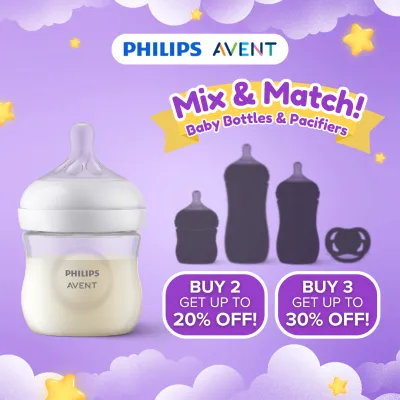
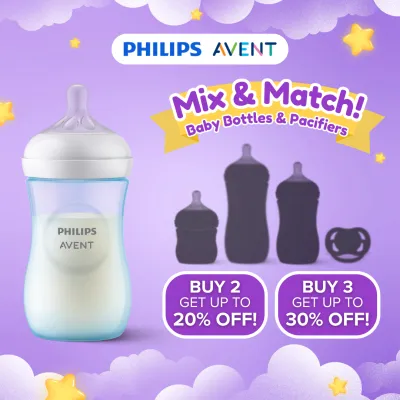
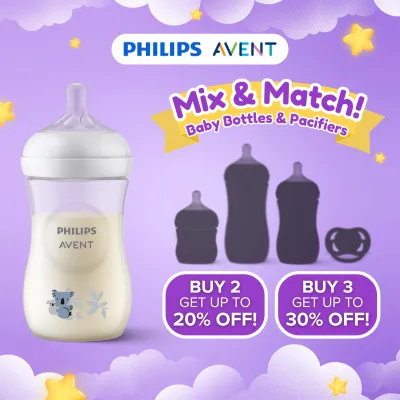
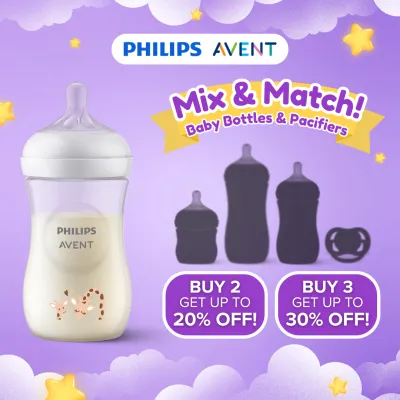
Prices are valid at publication and may change. Please refer to the product page for the latest price.
Decoding the Materials: Glass vs. Plastic vs. Silicone
Understanding the physical properties of each material helps you set realistic expectations for wear, tear, and daily maintenance. A Philips Avent bottle is typically constructed from either pharmaceutical-grade borosilicate glass or high-quality polypropylene plastic, while silicone is reserved for specific components.
Glass Bottles The glass bottles in the Philips Avent lineup are made from borosilicate glass, which is known for its thermal shock resistance. This material can withstand rapid temperature changes, such as moving from the refrigerator to a warm water bath, without cracking. Glass is naturally scratch-resistant, which prevents bacteria from harboring in tiny crevices, and it does not retain odors or stains from milk fats. However, glass is significantly heavier than plastic and carries an inherent risk of breaking if dropped on hard surfaces.
Plastic Bottles Plastic options are manufactured using polypropylene, a lightweight and highly durable polymer. These bottles are virtually shatterproof, making them highly practical for travel, daycare, or stroller outings. While modern plastic bottles are designed to be durable, they are softer than glass and prone to developing micro-scratches over time from bottle brushes. These scratches can eventually cause the plastic to look cloudy or yellowed, especially when exposed to frequent sterilization or hard water.
Silicone Components Silicone is not used as the primary body material for standard Philips Avent bottles. Instead, high-quality, food-grade silicone is the standard material for the nipples, sealing discs, and protective sleeves. Silicone is flexible, heat-resistant, and mimics the soft texture of skin, which helps babies transition between breast and bottle. When purchasing accessories, always check the product packaging to verify that any silicone components are food-safe and free from unwanted additives.
Comparing Glass and Plastic for Daily Feeding
Evaluating how these materials perform during daily feeding routines in a tropical climate like the Philippines reveals distinct practical trade-offs. High humidity and warm ambient temperatures can influence how you clean, store, and handle your baby’s feeding gear.

Chemical safety is a primary concern for parents. When evaluating plastic bottles, it is crucial to inspect the packaging for clear BPA-free and BPS-free certifications. While glass is naturally free of these organic compounds, reputable plastic bottles are manufactured to meet strict safety standards, though parents must verify these labels on the specific packaging.
Temperature tolerance is another key differentiator. Glass bottles conduct heat efficiently, allowing milk to warm up quickly in a bottle warmer or a bowl of warm water. However, they also retain heat longer, which requires careful temperature checks on your wrist before feeding. Plastic bottles warm up slightly slower due to the insulating properties of polypropylene, but they cool down quickly, which can be advantageous when preparing formula on the go.
As your baby grows, weight and grip become decisive factors. A glass bottle can feel heavy and tiring for a caregiver during late-night feeds, and it is generally too heavy for an infant to hold safely. Plastic bottles are exceptionally light, allowing babies to practice their grip and hand-eye coordination as they transition to self-feeding under close adult supervision.
To help you compare these materials at a glance, the following matrix outlines how glass and plastic perform across common daily scenarios:
| Feature | Borosilicate Glass | Polypropylene Plastic |
|---|---|---|
| Durability | High scratch resistance; prone to breaking if dropped | Shatterproof; prone to surface scratches over time |
| Weight | Heavy; requires constant caregiver support | Extremely lightweight; suitable for baby self-feeding |
| Stain & Odor Resistance | Excellent; does not absorb milk fats or odors | Moderate; can discolor or retain odors over time |
| Warming Speed | Fast heat transfer; retains heat longer | Slower heat transfer; cools down quickly |
| Ideal Environment | Home use; controlled feeding environments | Travel, daycare, outdoor activities, and stroller trips |
Understanding the Philips Avent "Natural" Line
Many parents confuse the term “Natural” with an organic material, but in the context of the Philips Avent bottle ecosystem, it refers strictly to a design philosophy. The Natural and Natural Response lines are engineered to mimic the shape, feel, and flow of breastfeeding.
The hallmark of this line is the wide, breast-shaped nipple. This design encourages a natural latch-on similar to breastfeeding, making it easier to combine breast and bottle feeding. The nipple is engineered to release milk only when the baby actively drinks, preventing accidental drips and matching the natural feeding rhythm of infants.
Crucially, this specialized nipple design is fully compatible with both glass and plastic bottle bodies within the Natural range. This means you can purchase a set of Natural glass bottles for home use and a set of Natural plastic bottles for travel, using the exact same nipples across both sets.
However, compatibility is not universal across all Philips Avent product lines. The older Classic+ line uses a different neck diameter and threading system. Before mixing and matching components, always check the manufacturer’s compatibility charts to ensure that the nipples, collars, and sealing rings form a leak-proof seal. Using mismatched parts can lead to frustrating leaks during feeding.
Cleaning, Sterilization, and Longevity
Proper maintenance is essential to ensure the hygiene and longevity of your baby’s bottles, especially in warm, humid climates where bacteria can multiply rapidly on damp surfaces. Both glass and plastic require specific care to prevent damage during sterilization.
Always verify the manufacturer’s guidelines before subjecting your bottles to boiling, steam sterilization, or UV sterilizers. While borosilicate glass can withstand high temperatures easily, sudden extreme temperature shifts—such as pouring boiling water into a cold glass bottle—can cause thermal shock and cracking. Plastic bottles are more sensitive to extreme heat; prolonged boiling or improper placement in a steam sterilizer can cause the plastic to warp, preventing the collar from screwing on securely.
Regular visual inspections are vital for safety. For plastic bottles, look for micro-scratches, persistent cloudiness, or a sticky texture, which indicate that the polymer is degrading and the bottle should be retired. For glass bottles, run your fingers along the rim and base daily to check for hairline cracks, chips, or weakened structural points. A chipped glass bottle must be discarded immediately to prevent injury.
Rather than relying on arbitrary timelines, base your replacement decisions on observable wear. Nipples generally require replacement every three months or at the first sign of tearing or structural softening, while glass bottles can last indefinitely if they remain free of chips and cracks. Plastic bottles typically need replacement every four to six months of heavy use and sterilization to maintain optimal hygiene.
Decision Framework: Choosing Your Philips Avent Bottle
To finalize your decision, evaluate your family’s lifestyle, your baby’s developmental stage, and your daily sterilization setup. This structured framework will help you select the most practical option for your household.
Choose Glass if:
- You prioritize long-term durability and want a material that will not scratch, stain, or retain milk odors over months of use.
- You prefer warming milk directly in the bottle and want rapid, efficient heat transfer.
- Your baby is still young and always fed by an adult, minimizing the risk of the bottle being dropped on hard floors.
- You want a material that can withstand frequent, high-temperature steam sterilization without degrading.
Choose Plastic if:
- You need a lightweight, portable option for travel, family outings, or sending to a daycare center.
- Your baby is reaching the developmental milestone of holding their own bottle under your supervision.
- You want to avoid the safety anxiety associated with glass breaking or chipping during hectic feeding times.
- You are looking for a more budget-friendly initial investment when purchasing multiple starter sets.
Verify first if:
- Your preferred sterilizer (especially UV models) is fully compatible with the specific plastic or glass materials you choose.
- Your daycare provider has specific safety policies prohibiting glass containers on their premises.
- The replacement nipples you purchase match the exact product line (Natural vs. Classic+) of your bottle bodies to prevent leaks.
Frequently Asked Questions (FAQ)
Can I mix glass and plastic Philips Avent bottles with the same nipples?
Yes, as long as both the glass and plastic bottles belong to the same product line, such as the Natural or Natural Response range. The collars, nipples, and caps are interchangeable within the same line regardless of the bottle’s material. However, you must verify the base diameter and threading of your specific bottles, as parts from the Classic+ line will not fit Natural bottle bodies.
Do plastic Philips Avent bottles contain BPA or BPS?
Modern plastic Philips Avent bottles are manufactured to be BPA-free, complying with global safety regulations for infant feeding products. However, because material formulations and certifications can vary by region, production batch, and manufacturing year, you should always inspect the product packaging for explicit BPA-free and BPS-free labels before use.
How do I know when it is time to throw away a plastic or glass bottle?
You should discard a plastic bottle if you notice persistent cloudiness, deep scratches that cannot be cleaned, a sticky surface texture, or warping that causes leaks. For glass bottles, inspect them daily for any visible chips, hairline cracks, or deep scratches, and discard them immediately if any structural damage is found, as these pose a safety risk to both you and your baby.

Community discussion
Share your experience or ask a question. Comments are reviewed before publication.