
Selecting the right baby bottle material is a key decision when preparing for a new arrival or transitioning to bottle-feeding. Philips Avent offers bottles in three primary materials: glass, polyphenylsulfone (PPSU), and silicone. Each material serves a distinct purpose, balancing durability, ease of cleaning, and physical handling characteristics to suit different stages of your baby’s growth.
There is no single material that outperforms the others in every category. Instead, the ideal choice depends on your baby’s age, whether they are feeding independently, and your family’s daily routine. By understanding how glass, PPSU, and silicone behave under daily sterilization, travel, and feeding sessions, you can select the option that best supports your baby’s developmental milestones.
Key Comparison Factors: Safety, Durability, and Usability
When evaluating baby bottles, safety remains the primary concern. While modern manufacturing has largely phased out harmful compounds, it is essential to verify that any bottle you purchase is certified BPA-free and BPS-free. Caregivers should inspect product packaging and official manufacturer documentation to confirm these safety standards, as chemical safety certifications can vary by region and product line.
Products mentioned in this guide
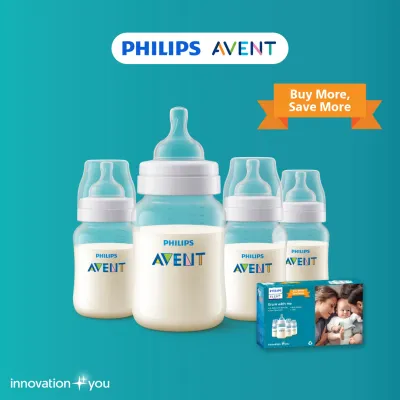
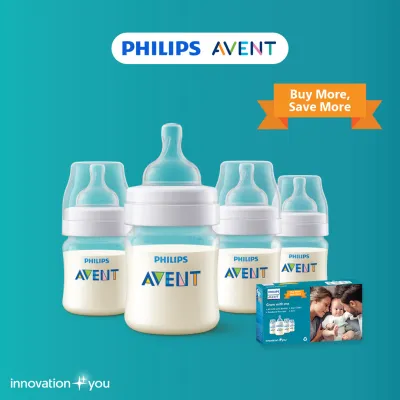
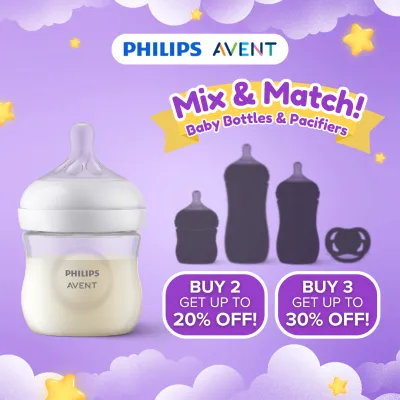
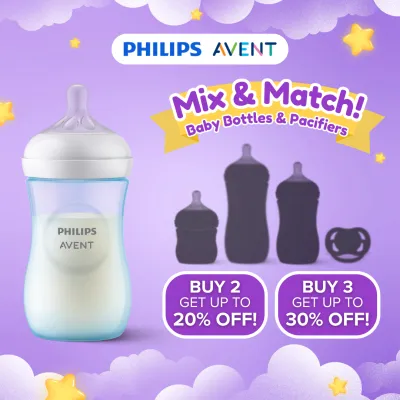
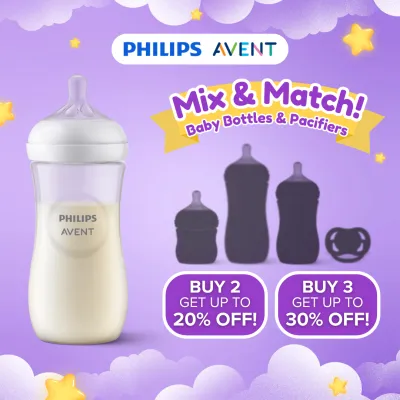
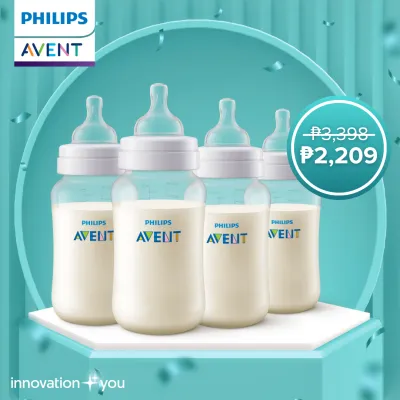
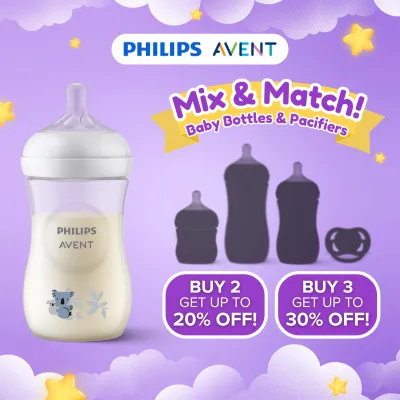
Prices are valid at publication and may change. Please refer to the product page for the latest price.
Durability is another critical factor, especially when considering the long-term use of your feeding gear. A bottle’s durability is measured by its resistance to drops, scratches, and thermal shock. Thermal shock resistance is particularly important in tropical climates like the Philippines, where bottles frequently transition from cold refrigerator storage to hot bottle warmers or sterilizers. Scratches on the inner surface of a bottle are not just cosmetic issues; they can harbor microscopic milk residue and bacteria, making thorough cleaning more difficult over time.
Usability encompasses the daily practicalities of feeding, such as bottle weight, grip ergonomics, heating speed, and compatibility with other feeding accessories. A bottle that is too heavy may tire your wrists during late-night feeds or prevent an older infant from practicing self-feeding. Additionally, compatibility with breast pumps and standard collars is vital for parents who pump directly into feeding bottles. Ensuring that your chosen material integrates seamlessly with your existing pump setup can save significant time and reduce milk transfer spills.
Glass Bottles: Features, Trade-offs, and Ideal Scenarios
Glass has long been a traditional choice for baby bottles due to its exceptional purity and thermal properties. Philips Avent glass bottles are typically made from borosilicate glass, which is engineered to withstand rapid temperature changes. This high thermal shock tolerance allows caregivers to safely transfer a bottle from the refrigerator directly into a warm water bath without the risk of cracking. Glass also heats up quickly and evenly, ensuring that expressed breast milk or formula reaches the desired temperature efficiently.

However, the weight of glass bottles presents a notable trade-off. Glass is significantly heavier than plastic or silicone, which can lead to caregiver hand fatigue during prolonged feeding sessions. This weight also makes glass bottles less suitable for older infants who are beginning to hold their own bottles, as a dropped glass bottle poses an immediate safety hazard. Caregivers must supervise all feeding sessions closely, especially when glass is involved, to prevent accidental drops on hard tile floors.
To mitigate the risk of breakage, many parents opt to use protective silicone sleeves. These sleeves provide a non-slip grip and cushion the glass against minor impacts, though they do not completely eliminate the risk of shattering upon a high-impact fall. If a glass bottle is chipped, cracked, or sustained a deep scratch, it must be discarded immediately to prevent injury. For families who primarily feed at home and prioritize a material that does not retain odors or stains, glass remains an excellent, highly hygienic option.
PPSU Bottles: Features, Trade-offs, and Ideal Scenarios
Polyphenylsulfone, commonly known as PPSU, is a medical-grade plastic renowned for its extreme durability and high heat resistance. Unlike standard polypropylene (PP) bottles, PPSU bottles can withstand repeated high-temperature sterilization without degrading quickly. This makes them highly popular in warm, humid environments where frequent sterilization is necessary to prevent bacterial growth. PPSU naturally exhibits a distinct honey-colored tint, which is a characteristic of the raw material rather than an added dye.
The primary advantage of PPSU is its lightweight, shatterproof nature. It offers the safety and heat-resistant benefits of glass without the heavy weight or breakage risks, making it ideal for active families, travel, or daycare settings. If your baby is transitioning to self-feeding, a PPSU bottle is easy for small hands to grasp and will not break when repeatedly dropped from a high chair or stroller.
Despite these benefits, PPSU is still a polymer and is subject to gradual wear. Over months of daily use, scrubbing, and sterilization, PPSU bottles can develop micro-scratches on the interior surface. These scratches can eventually lead to cloudiness or minor staining from formula or breast milk fats. Caregivers should regularly inspect PPSU bottles under bright light and replace them if they show signs of deep scratching, persistent cloudiness, or structural softening.
Silicone Bottles: Features, Trade-offs, and Ideal Scenarios
Silicone baby bottles represent a modern approach to infant feeding, focusing on tactile comfort and sensory transition. The soft, squeezable texture of a silicone bottle body closely mimics the natural feel of skin, which can help ease the transition from breast to bottle for sensitive infants. This flexibility also allows caregivers to gently assist feeding flow if recommended by a pediatric professional, though caution must be exercised to avoid overwhelming the baby’s natural swallowing reflex.
While silicone is highly durable and virtually unbreakable, it has unique physical properties that require adjustment. The flexible body can make the bottle less stable when standing upright on a flat surface, increasing the risk of accidental tips during milk preparation. Additionally, silicone has a natural tendency to attract dust, lint, and hair due to static electricity. In tropical or dusty environments, this means the exterior of the bottle may require frequent rinsing before use.
Cleaning silicone bottles also demands specific care. Because the material is porous compared to glass, it can absorb strong odors or soapy tastes if washed with heavily scented dish detergents. Caregivers should use mild, fragrance-free bottle cleansers and avoid abrasive scrubbing pads that could tear or degrade the silicone surface. If the silicone begins to feel sticky, develops a persistent odor, or shows signs of tearing, the bottle should be retired immediately.
Matching the Material to Your Baby's Age and Routine
Selecting the right Philips Avent bottle material involves matching the physical characteristics of the bottle to your baby’s current developmental stage and your family’s lifestyle. For newborns and young infants who are entirely dependent on caregivers for feeding, glass is often highly suitable. During these early months, feeding occurs primarily at home under direct adult supervision, allowing you to benefit from the hygienic purity and rapid heating of glass without worrying about the baby dropping the bottle.
As your baby grows and begins to develop fine motor skills, transitioning to PPSU can support their independence. Around the age when infants attempt to hold their own bottles, the lightweight and shatterproof qualities of PPSU prevent accidental injuries and broken glass. PPSU is also the most practical choice for travel, outdoor excursions, or daycare drop-offs, where bottles are likely to be tossed into diaper bags and subjected to rough handling.
Silicone is particularly beneficial during transitional phases, such as moving between breastfeeding and bottle-feeding, or when a baby rejects firmer plastic and glass bottles. The soft, warm feel of silicone can provide comfort to a fussy baby. However, before committing to a specific material, caregivers should verify the availability of their preferred Philips Avent product line—such as the Natural Response or Anti-colic series—in the Philippines, as not all materials are offered across every nipple style and bottle size.
Cleaning, Sterilizing, and Replacement Guidelines
Proper maintenance is crucial to extending the lifespan of your baby bottles and ensuring feeding safety. Always consult the manufacturer’s instructions included in your specific Philips Avent packaging for approved sterilization methods. Generally, glass, PPSU, and silicone are compatible with steam, boiling water, and chemical sterilizing solutions. However, UV sterilizers can accelerate the degradation of certain plastics and silicone over time; always check the manufacturer’s warnings before exposing PPSU or silicone to UV light.
Regular visual inspections are necessary to determine when a bottle or its components must be replaced. Inspect the bottle body for cracks, deep scratches, cloudiness, or sticky residues. Nipples require even more frequent checks, as they are subjected to constant biting and stretching. Look for signs of wear such as thinning silicone, tears, or a change in flow rate, and replace nipples immediately if any defects are found.
While bottle bodies can often last several months to a year depending on the material and care, nipples should generally be replaced every one to three months for hygiene and safety reasons. Fortunately, Philips Avent designs many of its collars and teats to be cross-compatible within the same product family, allowing you to swap nipples as your baby’s feeding stage advances without necessarily purchasing entirely new bottle bodies. Always ensure the collar is securely tightened to prevent leaks, and supervise your baby during every feed.
Frequently Asked Questions (FAQ)
Can I mix different Philips Avent bottle materials for the same baby?
Yes, you can safely use different bottle materials for the same baby depending on the situation. For example, you might prefer glass bottles for night feeds at home due to their easy heating, while using lightweight PPSU bottles for daytime travel or daycare. When mixing materials, keep in mind that glass, PPSU, and silicone conduct heat differently, so warming times will vary. Always test the temperature of the milk on the inside of your wrist before feeding your baby, regardless of the bottle material used.
Do PPSU and silicone bottles leach chemicals when heated?
High-quality PPSU and silicone bottles from reputable brands like Philips Avent are manufactured to meet strict safety standards and are certified free from BPA and BPS. To prevent any risk of material degradation or chemical leaching, always follow the maximum temperature limits specified on the product packaging during sterilization. Additionally, avoid heating sealed bottles in the microwave, as this can cause uneven heating, hot spots in the milk, and dangerous pressure buildup inside the bottle.

Community discussion
Share your experience or ask a question. Comments are reviewed before publication.