
When navigating the warm, humid climate of the Philippines, keeping a baby comfortable and free from digestive discomfort is a top priority for parents. If your little one experiences frequent gassiness, fussiness, or spitting up, you might be looking into formula milk options that are easier on sensitive tummies. Specifically, you may wonder which major brands—such as Nido, NAN, or Enfagrow—contain peptide-based proteins, and how they compare to specialized options like Pepticate.
The short answer is that standard, everyday versions of Nido, NAN, and Enfagrow rely on intact cow’s milk proteins, which require full digestive effort to break down. However, some of these brands offer specialized sub-lines (often labeled as “Gentle,” “Comfort,” or “H.A.”) that feature partially hydrolyzed proteins, which are proteins already broken down into smaller peptides. For infants with more pronounced protein sensitivities or diagnosed allergies, a highly specialized, extensively hydrolyzed formula like Pepticate may be recommended by a pediatrician. Understanding how to read labels and distinguish these protein types is essential for making the right choice for your child’s digestive health.
Understanding Peptide Proteins in Formula Milk
To make an informed decision at the grocery store or pharmacy, it helps to understand what peptide proteins actually are and how they behave in your baby’s digestive system. In standard infant formulas, the protein source—usually derived from cow’s milk—consists of long, complex chains of amino acids known as intact proteins. For a newborn or infant with an immature digestive tract, breaking down these large, complex structures can sometimes result in mild digestive strain, leading to common issues like bloating, gas, and general fussiness.
Products mentioned in this guide
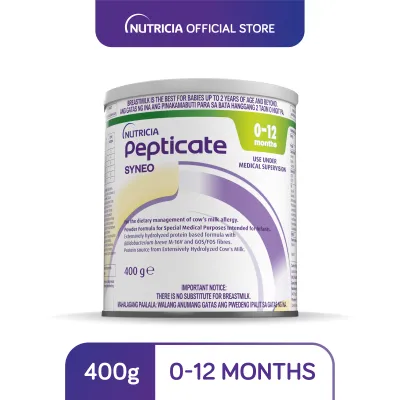
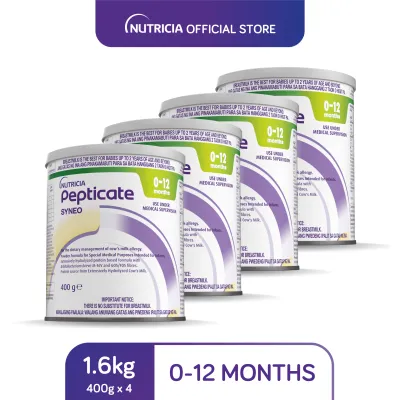
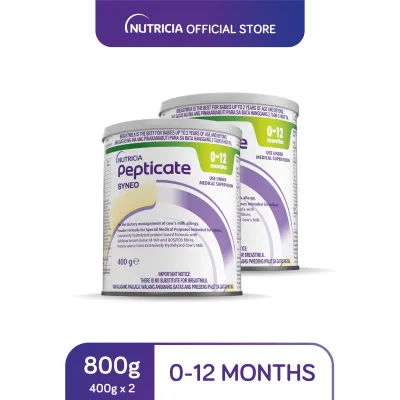
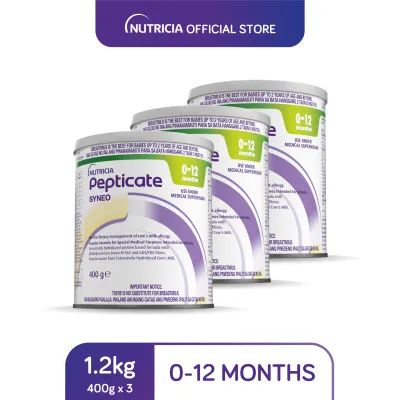
Prices are valid at publication and may change. Please refer to the product page for the latest price.
Hydrolysis is the manufacturing process used to break these long protein chains into smaller, more manageable pieces. When proteins undergo this process, they are split into shorter chains called peptides. Depending on how thoroughly the proteins are broken down, formulas are generally categorized into three distinct levels: intact, partially hydrolyzed, and extensively hydrolyzed.
Partially hydrolyzed formulas contain proteins that are moderately broken down. The resulting peptides are smaller than intact proteins, which reduces the workload on your baby’s stomach and intestines. These formulas are typically marketed for everyday digestive comfort and are designed to ease mild gassiness or fussiness without completely removing the milk proteins that help train the baby’s digestive system.
Extensively hydrolyzed formulas, on the other hand, go through a much more rigorous breakdown process. The proteins are chopped into extremely tiny peptides, making them virtually unrecognizable to the baby’s immune system. This level of hydrolysis is specifically designed for infants who have a confirmed or highly suspected allergy to cow’s milk protein, as the tiny peptides are highly unlikely to trigger an allergic response.
When examining formula packaging, you can identify peptide-based options by looking for specific terminology on the ingredient list. Terms such as “enzymatically hydrolyzed,” “hydrolyzed whey protein concentrate,” or “hydrolyzed casein” indicate that the formula contains broken-down proteins rather than intact ones. If the label simply lists “nonfat milk,” “skim milk powder,” or “whey protein concentrate” without the word “hydrolyzed,” the formula utilizes standard intact proteins.
Selecting a peptide-based formula can provide significant relief for children with sensitive digestion. Because the proteins are already partially digested, they pass through the stomach more quickly and are absorbed more easily in the intestines, minimizing the fermentation process that often causes painful gas and bloating during hot, humid days.
Checking Nido, NAN, and Enfagrow for Peptide Content
When walking down the baby care aisle of local supermarkets, you will find that Nido, NAN, and Enfagrow are among the most prominent brands available. However, a common mistake is assuming that all products under a single brand name share the same formulation. In reality, each of these brands offers a wide range of products, and only specific sub-lines contain the hydrolyzed peptide proteins you may be looking for.

Nido is a household favorite in many families, particularly known for its growing-up milks designed for toddlers and school-aged children. Standard Nido products, such as Nido 1+ or Nido 3+, are formulated with intact cow’s milk proteins. These standard formulations do not contain hydrolyzed peptides and are intended for children with healthy, mature digestive systems who do not experience adverse reactions to regular dairy. If your child has a sensitive stomach, standard Nido is generally not the appropriate starting point.
NAN, produced by Nestlé, offers a highly diverse range of formulas that cater to different digestive needs. The standard line, NAN Optipro, utilizes intact proteins. However, NAN is well-known for its specialized “H.A.” (Hypoallergenic) sub-line, such as NAN Infinite Pro H.A. or NAN Kid H.A. These specific variants are formulated with partially hydrolyzed whey proteins. The “H.A.” designation indicates that the proteins have been broken down into smaller peptides to reduce the allergenicity and make the formula easier to digest for infants who may be prone to mild sensitivities.
Enfagrow, manufactured by Mead Johnson, follows a similar product structure. The standard Enfagrow A+ line contains intact milk proteins suitable for general nutrition. For children experiencing digestive discomfort, the brand offers Enfagrow Gentlease. This specialized sub-line is designed with a “gentle” protein blend, meaning it utilizes partially hydrolyzed proteins that are easier for a sensitive tummy to process. Additionally, Gentlease formulas often feature a reduced lactose content to further assist babies who struggle to digest standard milk sugars.
To verify the exact protein source and hydrolysis level, you must look past the brand name and inspect the physical product label. Turn the tin around and locate the ingredient list, usually printed on the back or side of the packaging. Look closely at the first few ingredients listed; if you see “partially hydrolyzed whey protein” or a similar phrase, you have confirmed the presence of peptide-based proteins.
It is also crucial to check the age-appropriateness of the specific sub-line. Manufacturers carefully balance the vitamins, minerals, and fats in their formulas to match the developmental stage of the child. A partially hydrolyzed formula designed for a newborn (Stage 1) will have a vastly different nutritional profile than a comfort formula designed for a toddler (Stage 3). Always ensure the stage number on the tin matches your child’s current age.
The Role of Specialized Peptide Formulas Like Pepticate
While commercial “comfort” or “gentle” formulas like NAN H.A. or Enfagrow Gentlease are excellent options for managing mild, everyday digestive fussiness, they have clear limitations. Because these over-the-counter options only utilize partial hydrolysis, they still contain relatively large peptide chains. For a baby with a true medical sensitivity or a diagnosed allergy, these partial peptides can still be large enough to trigger an adverse immune response.
This is where specialized, extensively hydrolyzed peptide formulas like Pepticate play a critical role. Pepticate is specifically engineered for the dietary management of Cow’s Milk Protein Allergy (CMPA) and severe malabsorption issues. In an extensively hydrolyzed formula, the proteins are broken down so thoroughly that the vast majority of infants with milk protein allergies can consume them safely without experiencing allergic symptoms.
There are distinct clinical scenarios where a pediatrician will bypass standard comfort formulas and recommend a specialized option like Pepticate. If your baby exhibits severe symptoms such as blood or mucus in their stool, persistent vomiting, chronic diarrhea, poor weight gain, or severe eczema, these are strong indicators of an underlying protein allergy rather than simple indigestion. In these cases, a partially hydrolyzed formula is insufficient, and an extensively hydrolyzed formula is medically necessary.
It is important to recognize that specialized peptide formulas are classified as medical foods. Unlike standard commercial formulas that you can easily pick up during a routine grocery run, extensively hydrolyzed formulas are typically sourced from specialized pharmacies, medical distributors, or authorized online platforms. They also carry a significantly higher price point due to the complex manufacturing and purification processes required to ensure their hypoallergenic status.
Because of their highly specialized nature, you should never self-diagnose your child and switch to an extensively hydrolyzed formula on your own. Doing so without professional guidance can mask underlying medical issues or lead to unnecessary dietary restrictions. A pediatrician must evaluate your child’s symptoms, confirm the diagnosis, and provide a structured feeding plan to ensure your baby receives adequate nutrition while managing their sensitivity.
A Safe Transition and Monitoring Checklist
Switching your baby’s formula is a process that requires careful planning, patience, and close observation. Because a baby’s digestive system is highly sensitive to changes, abrupt transitions can sometimes cause temporary digestive upset, making it difficult to tell if the new formula is actually helping or causing further discomfort.
Before making any changes to your child’s diet, the absolute first step is to consult a qualified pediatrician. Share a detailed account of your baby’s symptoms, including when the fussiness occurs, the consistency and color of their stools, and any skin rashes. Your pediatrician will help you determine whether a partially hydrolyzed “comfort” formula or an extensively hydrolyzed medical formula is the safest choice for your child.
Once you have a professional recommendation, use the following step-by-step checklist to ensure a safe purchase and transition:
- Verify the Label: Double-check the physical tin to confirm the exact variant. Ensure it is the specific "H.A.," "Gentlease," or extensively hydrolyzed version recommended by your doctor, and verify that the age stage is correct.
- Inspect the Packaging: Ensure the tin is completely sealed, free of dents, and has a clear expiration date that is well into the future.
- Introduce Gradually: Unless your pediatrician advises an immediate switch due to a severe allergic reaction, introduce the new formula gradually over several days. You can start by replacing one feed on the first day, two feeds on the second day, and slowly increasing the proportion until the transition is complete.
- Maintain Consistency: Stick to the new formula for at least one to two weeks to allow your baby's digestive system to adapt. Frequent switching between different brands can worsen digestive confusion and discomfort.
As you transition, monitor your baby closely for signs of improvement. Positive indicators that the peptide-based formula is working include a noticeable reduction in crying and fussiness, less frequent spitting up, more consistent sleep patterns, and stools that are soft and easy to pass. Keep in mind that hydrolyzed formulas can naturally cause your baby’s stools to become looser or change to a greenish color; this is a normal physiological response to the pre-digested proteins and is generally not a cause for concern.
However, you must also remain vigilant for adverse reactions. If you observe warning signs such as persistent projectile vomiting, visible blood or mucus in the stool, hives, swelling of the face or lips, difficulty breathing, or extreme lethargy, stop using the formula immediately. These symptoms indicate a severe reaction or an underlying medical emergency, and you must seek immediate medical attention from a qualified healthcare professional.
Frequently Asked Questions (FAQ)
Do standard Nido, NAN, or Enfagrow formulas contain peptides?
No, the standard, main-line versions of Nido, NAN, and Enfagrow do not contain peptide-based proteins. These everyday formulas are made with intact cow’s milk proteins, which require a fully functioning, mature digestive system to break down. If your child requires peptide-based proteins for easier digestion, you must specifically look for the specialized sub-lines of these brands, such as NAN H.A. or Enfagrow Gentlease, which feature partially hydrolyzed proteins.
Is a prescription required for peptide-based formulas like Pepticate?
While some peptide-based formulas can be purchased over the counter or through specialized online marketplaces, they should only be used under the direct supervision and guidance of a pediatrician. Extensively hydrolyzed formulas like Pepticate are specialized medical foods designed for infants with diagnosed clinical conditions, such as Cow’s Milk Protein Allergy (CMPA). A healthcare professional must oversee the transition to ensure it is medically necessary and nutritionally appropriate for your child.

Community discussion
Share your experience or ask a question. Comments are reviewed before publication.