
Choosing the right formula milk for your child in the Philippines can feel overwhelming, especially with the wide variety of options lining supermarket shelves. Parents often find themselves comparing highly visible brands like Fortini, Nido, NAN, and Enfagrow, wondering which one will best support their child’s growth and development. There is no single “best” formula milk among these options, as each brand is formulated to target different age groups, developmental stages, and specific nutritional goals.
Fortini is generally positioned as a specialized nutritional supplement designed for toddlers who require extra caloric support or catch-up growth. In contrast, Nido typically caters to older, school-aged children as a powdered milk drink to complement a regular diet. Meanwhile, NAN and Enfagrow offer comprehensive, stage-based formula lines tailored to the evolving developmental milestones of infants and toddlers.
Making the correct choice for your household depends entirely on your child’s current age, existing dietary gaps, growth trajectory, and the specific product variant’s label instructions. Because every child’s digestive system and nutritional needs are unique, any transition or selection should ideally be guided by a pediatrician’s recommendation. This guide will help you navigate the key differences, understand how to read labels, and identify the decision factors that matter most for your child’s health.
Products mentioned in this guide
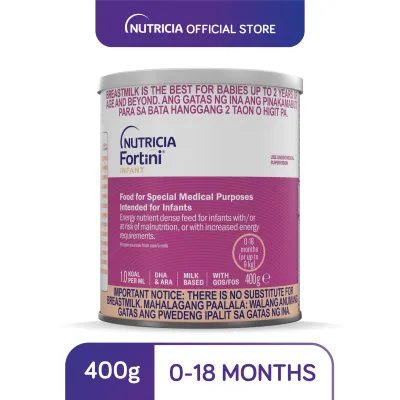

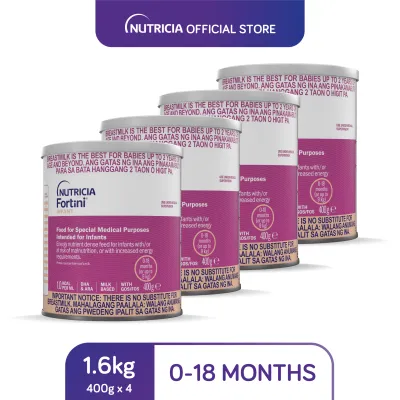
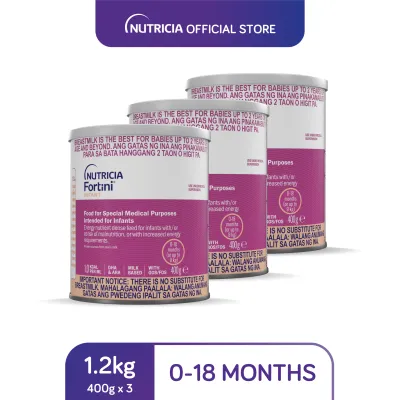
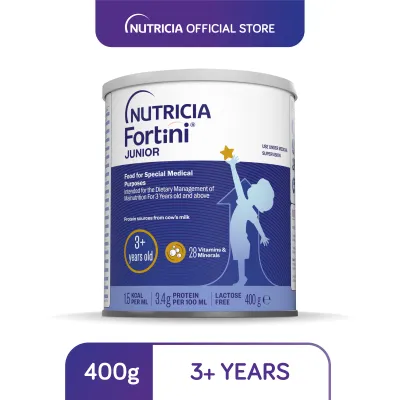
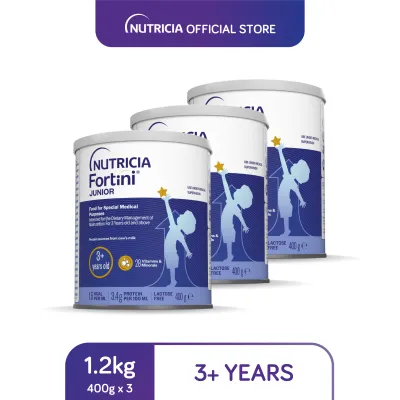
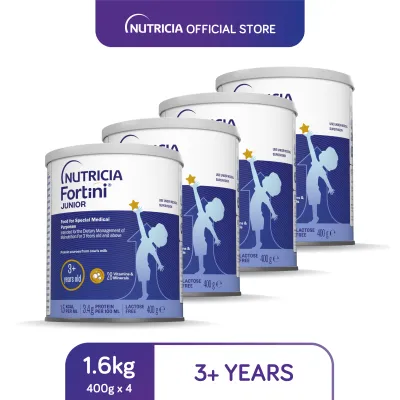
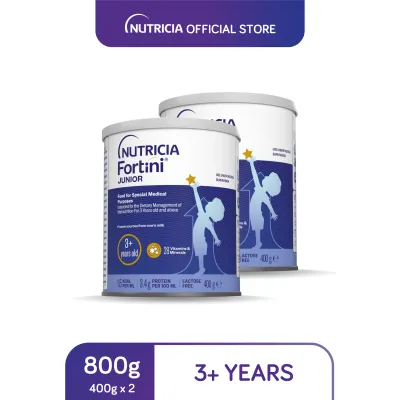
Prices are valid at publication and may change. Please refer to the product page for the latest price.
Understanding the Core Purpose of Each Brand
To make an informed decision, it is essential to understand that these four brands do not serve the same primary purpose. They are designed for different stages of childhood and address distinct nutritional scenarios.
Fortini is typically classified as a medical food or a specialized nutritional supplement rather than a standard daily milk drink. It is often recommended for toddlers and young children who experience poor appetite, picky eating, or difficulty gaining weight. Because it is formulated to provide a higher caloric density per milliliter compared to standard formulas, it helps children meet their energy requirements even when they consume smaller volumes of food.
Nido is widely recognized in Filipino households as a powdered milk drink intended for growing children, typically starting from preschool age and extending into school-age years. It is designed to complement a solid food diet by providing essential vitamins and minerals that active, older children need. It is not formulated for infants, and its nutrient ratios are structured around the dietary patterns of children who already consume a diverse range of family meals.
NAN and Enfagrow are prominent stage-based formula brands that offer a structured progression of products. These brands design specific formulations for infants (Stage 1), older infants (Stage 2), and toddlers (Stage 3 and beyond). Their product lines focus on supporting specific developmental milestones, such as brain development, immune function, and digestive health, using age-appropriate nutrient concentrations.
Because manufacturers frequently update their formulations, ingredients, and age recommendations, you must always verify the exact product variant on the physical packaging. Never assume a product’s suitability based on the brand name alone. Always check the front label for the designated age range and read the manufacturer’s intended use before purchasing.
Key Decision Factors for Choosing Formula Milk
Selecting the right milk requires a careful assessment of your child’s individual growth, eating habits, and physical tolerance. A systematic approach prevents unnecessary brand switching, which can upset a child’s sensitive digestive system.

First, evaluate your child’s current age and developmental stage. Infant formulas are highly regulated and specifically designed to mimic the nutritional profile of breast milk for babies under twelve months. Toddler milks and growing-up milk drinks are formulated for older children whose primary source of nutrition should ideally come from solid foods. Using a product designed for an older age group can strain an infant’s developing kidneys, while using an infant formula for an older toddler may not provide adequate nutrients.
Second, identify your child’s specific dietary gaps. If your child is an active toddler who eats a wide variety of solid foods, a standard growing-up milk or powdered milk drink like Nido may be entirely sufficient to fill minor nutritional gaps. However, if your child exhibits severe picky eating, food aversions, or has recently recovered from an illness that caused weight loss, a higher-calorie supplement like Fortini might be considered under professional guidance.
Third, monitor your child’s growth curve and daily energy levels. Pediatricians use standardized growth charts to track weight-for-age and height-for-age percentiles. If your child is consistently maintaining their growth percentile and has plenty of energy for daily play, their current diet is likely meeting their needs. If the growth curve flattens or declines, it serves as an indicator that a dietary adjustment or a specialized nutritional intervention may be necessary.
Finally, consider your family’s medical history regarding allergies and your child’s digestive sensitivities. Some children experience discomfort, gas, or skin rashes when consuming standard cow’s milk protein. In such cases, parents must look for formulas with partially hydrolyzed proteins, soy-based alternatives, or specialized hypoallergenic formulations, rather than standard powdered milk drinks. Additionally, consider your household budget, as specialized formulas can represent a significant ongoing expense in ₱ compared to standard powdered milk drinks.
How to Read and Compare Formula Labels
Reading the nutritional information and ingredient list on a formula tin is the most reliable way to compare different brands. Marketing claims on the front of the packaging can be confusing, but the nutrition facts panel provides objective data.
Begin by checking the macronutrient ratios—specifically the protein, fat, and carbohydrate content—along with the caloric density per serving. Specialized formulas like Fortini are designed to deliver more calories per milliliter, which is crucial for children needing catch-up growth. Standard formulas and powdered milk drinks will show lower caloric densities, which are appropriate for children who obtain most of their daily energy from solid foods.
Next, look closely at the micronutrient profile. Pay attention to the levels of iron, calcium, zinc, and vitamin D. In the Philippines, iron-deficiency anemia and calcium gaps are common concerns for growing children, so verifying that your chosen milk provides an adequate percentage of the daily recommended intake for these minerals is highly beneficial. Ensure these levels align with any specific dietary advice provided by your pediatrician.
Scan the ingredient list carefully to identify the primary carbohydrate and protein sources. Some growing-up milks contain added sugars, such as sucrose, corn syrup solids, or maltodextrin, to enhance flavor. If you prefer to limit your child’s intake of added sugars, look for options where lactose is the primary carbohydrate source. Additionally, check whether the protein source is intact cow’s milk, soy, or hydrolyzed protein, especially if your child has a sensitive stomach.
Lastly, compare the preparation instructions, including the recommended scoop-to-water ratio and serving sizes. Proper dilution is critical; adding too much powder can cause dehydration and constipation, while adding too much water dilutes essential nutrients. In the hot and humid climate of the Philippines, proper storage is also vital. Keep opened tins tightly sealed in a cool, dry pantry—never in the refrigerator—to prevent moisture clumping and contamination from local pests.
When to Consult a Pediatrician
While comparing formula brands is a common parental task, choosing or switching a child’s milk should never replace professional medical advice. Pediatricians possess the clinical tools to evaluate whether a child’s nutritional needs are being met safely.
You should consult a pediatrician immediately if you observe signs of faltering growth, unexplained weight loss, or a failure to thrive. These issues often stem from underlying physiological factors that a simple brand switch cannot resolve. A medical professional can conduct a thorough evaluation, determine the root cause of the growth delay, and prescribe a specific feeding plan, which may or may not include specialized high-calorie formulas.
Professional guidance is also essential if your child exhibits symptoms of a food allergy or severe digestive distress. Signs such as persistent vomiting, chronic diarrhea, blood in the stool, severe abdominal pain, or widespread hives after drinking milk suggest a potential cow’s milk protein allergy or lactose intolerance. A pediatrician can safely diagnose these conditions and recommend specialized, hydrolyzed, or amino acid-based formulas that are not available as standard over-the-counter milk drinks.
Additionally, seek medical advice when transitioning your child from breast milk or infant formula to toddler milk or specialized supplements. A pediatrician can help you determine if your child actually requires a specialized product like Fortini or if a standard growing-up milk like Nido, NAN, or Enfagrow is more appropriate for their dietary profile. This prevents the unnecessary use of high-calorie supplements, which could otherwise lead to excessive weight gain if used inappropriately.
Finally, children with complex medical histories, such as premature birth, congenital heart conditions, or chronic digestive disorders, require highly individualized nutritional management. For these children, formula selection is a medical decision. Parents should strictly follow the prescription and preparation guidelines provided by their healthcare team to ensure optimal recovery and development.
Frequently Asked Questions (FAQ)
Can I mix Fortini with regular milk or other formula brands?
Mixing Fortini with regular milk or other formula brands is generally not recommended unless specifically instructed by a pediatrician. Each formula is scientifically designed with a precise balance of water, proteins, fats, and carbohydrates to achieve a specific caloric density and osmolality. Mixing different powders or combining formula with regular milk alters this delicate balance, which can strain your child’s kidneys, cause digestive upset, or lead to improper nutrient absorption. Always follow the manufacturer’s preparation instructions on the packaging, using only the designated scoop and the correct volume of water. If your child dislikes the taste or struggles to finish the recommended volume, consult your healthcare provider for a safe, tailored feeding strategy.
How do I safely transition my child from one brand to another?
To transition your child from one formula brand to another safely, adopt a gradual approach over several days to minimize the risk of digestive upset. Start by replacing one feeding per day with the new brand, keeping the remaining feeds with the old brand. Over the course of three to five days, slowly increase the number of new feeds while phasing out the old one. During this transition period, closely monitor your child for any changes in stool consistency, excessive gas, unusual fussiness, or skin reactions. If your child experiences mild gas, it may simply be their digestive system adjusting to the new formulation. However, if you observe severe vomiting, persistent diarrhea, or allergic reactions, stop the transition immediately and seek medical advice.
Community discussion
Share your experience or ask a question. Comments are reviewed before publication.