
When your child transitions from infancy to toddlerhood, their nutritional requirements change dramatically. Between the ages of 1 and 3, toddlers undergo rapid physical growth, cognitive development, and motor skill refinement. Selecting the right milk or nutritional supplement is a common decision point for families in the Philippines, where options like Pediasure 1-3, Nido, NAN, and Enfagrow fill store shelves. Finding the ideal option requires looking beyond the brand name to understand your child’s specific dietary patterns, growth milestones, and digestive health.
Quick Answer: Choosing Between Pediasure 1-3 and Other Toddler Formulas
There is no single “best” toddler formula for every child. The ideal choice depends entirely on your toddler’s current solid food intake, growth trajectory, and digestive tolerance.
Choose Pediasure 1-3 if your child is experiencing active growth challenges, is a highly selective or picky eater who misses entire food groups, or has been recommended a high-energy nutritional supplement by a pediatrician. Pediasure 1-3 is formulated to provide higher energy density and a comprehensive nutrient profile to support catch-up growth. Because of its caloric density, it is often utilized as a nutritional supplement rather than a standard daily milk, and its use should always be verified with a healthcare professional.
Products mentioned in this guide




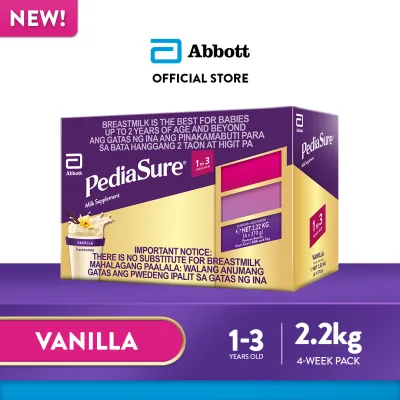


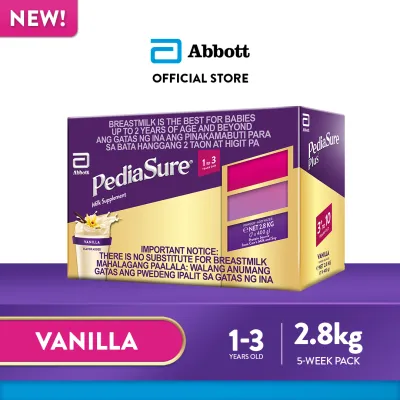
Prices are valid at publication and may change. Please refer to the product page for the latest price.
Choose Nido, NAN, or Enfagrow if your child eats a relatively balanced diet of solid foods and simply needs a standard daily toddler milk to complement their regular meals. These options are designed to act as a liquid nutritional safety net, providing essential vitamins, minerals, and fatty acids without the high caloric density of a specialized catch-up growth supplement.
Verify first whether your toddler has any known food allergies, lactose intolerance, or underlying medical conditions before introducing any new formula or supplement. Always consult a pediatrician to evaluate your child’s specific developmental milestones and nutritional requirements before making a final decision.
To make an informed choice, you should compare these products across three primary dimensions: energy density (how many calories they deliver per serving), micronutrient focus (such as brain-supporting DHA or bone-building Calcium), and their specific role in your child’s daily dietary routine.
Comparing the Nutritional Focus of Each Brand
Evaluating toddler formulas requires a close look at the “Nutrition Facts” or “Nutritional Information” panel printed on each tin. Every brand tailors its formula to support different aspects of a toddler’s growth, from basic calorie delivery to targeted cognitive and digestive support. By learning how to read these labels, you can match the milk’s nutritional profile directly to your child’s physiological needs.

Energy Density and Macronutrients
When comparing toddler formulas, the first step is to look at the macronutrient breakdown—specifically the balance of proteins, fats, and carbohydrates—and the overall energy density. Standard toddler milks, such as specific 1-3 years variants of Nido, NAN, and Enfagrow, are designed to complement a solid food diet. They typically offer a moderate caloric density that aligns with a child who is already consuming regular, balanced meals.
In contrast, specialized nutritional supplements like Pediasure 1-3 are designed with a higher caloric density per milliliter. This formulation is intended to help children who need catch-up growth or those who struggle to consume enough calories through solid foods alone. When reading the label, look at the serving size and the corresponding calories per serving to understand how much energy each glass provides.
You should also pay close attention to the protein-to-calorie ratio. Toddlers need protein for muscle and tissue development, but an excess of protein relative to their fluid intake can place unnecessary strain on their developing kidneys. Compare the protein content per serving across the brands to ensure it aligns with your pediatrician’s recommendations for your child’s weight and activity level.
Carbohydrate sources are another critical factor on the label. Some toddler milks rely primarily on lactose, the natural sugar found in milk, which supports calcium absorption and matches the natural composition of dairy. Other formulas may include added sugars, such as sucrose, corn syrup solids, or maltodextrin, to enhance flavor or provide rapid energy. Carefully inspect the ingredient list to identify these carbohydrate sources, especially if you prefer to limit added sugars in your toddler’s diet to encourage a preference for unsweetened foods.
Key Micronutrients for Toddler Development
The period between 1 and 3 years is a window of rapid brain growth, bone mineralization, and immune system strengthening. Consequently, toddler formulas are fortified with specific micronutrients. The most critical vitamins and minerals to look for on the label include Iron, Calcium, Vitamin D, Zinc, and Docosahexaenoic Acid (DHA).
Iron is essential for cognitive development, oxygen transport, and the prevention of iron-deficiency anemia, which can sometimes occur when toddlers transition to cow’s milk. Calcium and Vitamin D work synergistically to support the rapid skeletal growth characteristic of this age group; Calcium builds strong bones and teeth, while Vitamin D is necessary for the body to absorb that calcium effectively. Zinc plays a fundamental role in cellular growth and immune function, helping your toddler fight off common childhood infections.
DHA, an omega-3 fatty acid, is a key structural component of the brain and retina. Many premium toddler formulas emphasize their DHA content to support cognitive and visual development. When comparing Pediasure, Nido, NAN, and Enfagrow, look at the absolute milligram amounts of DHA per serving or the % Daily Value indicated on the nutrition panel.
While fortification is highly beneficial, remember that toddler formula is meant to supplement, not replace, the micronutrients your child should ideally get from a varied diet of whole foods. If your child is already taking daily multivitamin drops or iron supplements prescribed by a doctor, you must be careful not to exceed the upper tolerable intake levels for these nutrients. Always compare the total daily intake from both formula and supplements, and consult your pediatrician to avoid accidental over-supplementation, which can place stress on a toddler’s liver and kidneys.
Matching the Formula to Your Child's Daily Diet and Needs
A formula’s nutritional profile is only as good as its compatibility with your child’s daily life. To choose the right product, you must look beyond the theoretical benefits on the label and assess how the formula interacts with your toddler’s eating habits, appetite, and digestive system.
Picky Eaters vs. Balanced Diets
Assessing your toddler’s typical solid food intake is the most practical way to determine which style of formula they require. If your child is going through a typical picky eating phase but still consumes a reasonable variety of fruits, vegetables, grains, and proteins over the course of a week, a standard toddler milk like Nido, NAN, or Enfagrow is usually sufficient. These milks serve as a simple safety net to fill minor, occasional gaps without altering their appetite for solid foods.
If, however, your toddler is a highly selective eater who consistently refuses entire food groups—such as completely rejecting all sources of protein or vegetables—they may develop more pronounced nutritional gaps. In these scenarios, a high-energy, nutrient-dense option like Pediasure 1-3 can help bridge those gaps under the guidance of a professional. It is vital to use these supplements strategically; they should support, rather than replace, regular meal times.
One common pitfall is the impact of milk consumption on a toddler’s satiety. Drinking large volumes of any milk or high-calorie supplement throughout the day can make a toddler feel full, leading them to refuse solid foods at meal times. This creates a cycle where the child relies more on liquid nutrition and less on solids, delaying the development of crucial oral-motor skills like chewing and swallowing.
To prevent this, monitor your child’s daily intake and establish clear boundaries between meal times and milk times. If your child’s picky eating is severe, causing them to fall behind on their growth charts or exhibit signs of lethargy, do not rely solely on formula. Consult a pediatrician or a registered dietitian to address the root causes of the selective eating and to design a structured feeding plan.
Digestive Sensitivities and Tolerances
A toddler’s digestive tract is still maturing, making them sensitive to changes in diet. When introducing a new formula or switching between brands, it is common to observe mild digestive adjustments, such as temporary bloating, gas, or minor changes in stool consistency and frequency. Monitoring these reactions closely helps you determine whether a formula is a good fit for your child’s system.
If your child displays persistent discomfort, look closely at the ingredient lists of the formulas you are considering. Some toddlers have difficulty digesting lactose, leading to gas and loose stools, while others may be sensitive to specific milk proteins or the types of vegetable oils used to provide essential fatty acids. Brands formulate their milks differently; some utilize partially hydrolyzed proteins (where the milk proteins are broken down into smaller pieces) to facilitate easier digestion, while others focus on specific probiotic strains or prebiotic fibers to support gut health.
It is crucial to distinguish between mild digestive sensitivity and a true food allergy. If your child has a diagnosed cow’s milk protein allergy (CMPA), standard commercial toddler milks—including regular variants of Pediasure, Nido, NAN, and Enfagrow—are not suitable. Children with CMPA require specialized, hypoallergenic formulas (such as extensively hydrolyzed or amino acid-based formulas) that must be prescribed by a pediatrician or pediatric gastroenterologist.
To minimize the risk of digestive upset when changing formulas, always transition gradually. Start by replacing a small portion of the current formula with the new one, slowly increasing the ratio over several days to allow your toddler’s gut microbiota and digestive enzymes to adapt. If your child develops severe symptoms, such as vomiting, chronic diarrhea, skin rashes, or blood in their stool, stop the formula immediately and seek medical attention.
How to Verify Labels and Prepare Formula Safely
Ensuring the safety and quality of the formula you feed your toddler goes beyond selecting the right brand. In a warm and highly humid tropical climate like the Philippines, proper purchasing, verification, preparation, and storage practices are essential to protect your child from foodborne illnesses and nutritional imbalances.
When purchasing toddler formula, always buy from authorized physical supermarkets, established pharmacies, or the official brand flagship stores on reputable e-commerce platforms. Avoid buying from unverified third-party online sellers, as there is a risk of encountering counterfeit, improperly stored, or expired products. Before purchasing, inspect the packaging thoroughly. Ensure the tin has no deep dents, rust, or broken seals, and verify that the expiration date is clearly printed and well into the future.
When preparing the formula, you must strictly follow the manufacturer’s mixing instructions printed on the tin. Use only the scoop provided inside that specific package, as scoop sizes vary significantly between brands and even between different stages of the same brand. Accurately measure the water and powder; adding too much powder can lead to concentrated feeds that cause dehydration and strain your toddler’s developing kidneys, while using too little powder dilutes the nutrients, potentially leading to malnutrition over time.
Maintain high hygiene standards during preparation. Wash your hands thoroughly with soap and water before handling any feeding utensils. Ensure that all cups, bottles, and prep utensils are properly washed and sterilized. Always use safe, clean drinking water that has been boiled and allowed to cool to the specific temperature recommended on the product label. Never use boiling water directly on the powder unless specified, as excessive heat can destroy delicate vitamins, probiotics, and proteins.
Once prepared, feed the formula to your toddler immediately. If there is any leftover formula in the bottle or cup after a feed, discard it within the timeframe specified by the manufacturer (usually within one hour) because bacterial growth from the child’s saliva can occur rapidly under warm room temperatures.
Store the opened tin in a cool, dry place, away from direct sunlight and heat sources like stoves or ovens. Never store the dry powder in the refrigerator, as the temperature difference when opening and closing the tin can cause condensation to form inside, leading to clumping and mold growth. Keep the lid tightly sealed after every use to prevent moisture and insects from entering. Most manufacturers recommend using the entire contents of a tin within three to four weeks of opening; check your specific packaging to verify the exact timeframe.
Frequently Asked Questions (FAQ)
Is toddler formula necessary if my child eats solid foods well?
If your 1-3 year old toddler is growing well, eating a wide variety of nutrient-dense solid foods (including fruits, vegetables, grains, and proteins), and drinking whole cow’s milk without issues, toddler formula is generally not strictly necessary. In these cases, solid foods serve as the primary source of nutrition, and cow’s milk acts as a simple source of calcium and vitamin D. Toddler formulas are primarily designed as a nutritional safety net to bridge gaps for selective eaters, during periods of illness, or when a child’s diet lacks key micronutrients. You should discuss your child’s specific dietary habits and growth with your pediatrician to decide if formula is needed.
Can I mix two different formula brands in one bottle?
You should avoid mixing two different formula brands or different stages of formula in the same bottle. Each brand and stage is formulated with a precise balance of nutrients, minerals, and water-to-powder ratios (osmolarity). Mixing them together can alter this delicate balance, making the mixture difficult for your toddler’s immature digestive system to process, which can lead to constipation, diarrhea, or gas. If you are transitioning your child from one brand to another, do so by alternating separate bottles throughout the day or gradually replacing one feeding at a time over several days, rather than combining the dry powders or liquids in a single serving.

Community discussion
Share your experience or ask a question. Comments are reviewed before publication.