
Choosing the right toddler formula for your child between the ages of 1 and 3 is a decision that directly impacts their daily nutrition and growth. While PediaSure, Nido, and Enfagrow are all popular options on supermarket shelves in the Philippines, they are formulated with different nutritional goals in mind. The ideal choice is not a universal “best” milk, but rather the one that matches your toddler’s current eating habits, growth trajectory, and your family’s budget.
As toddlers transition from breastmilk or infant formula to solid foods, their nutritional intake can become highly variable. Some children adapt quickly to family meals, while others go through phases of selective eating or slow weight gain. Understanding the distinct roles of these three popular brands helps you choose a product that complements their solid food intake rather than replacing it.
Before making any changes to your child’s diet, it is essential to consult your pediatrician. A healthcare professional can assess your toddler’s growth chart, identify any specific nutrient deficiencies, and provide personalized recommendations. This guide offers a practical framework to help you compare these options and make an informed choice at the grocery store.
Products mentioned in this guide
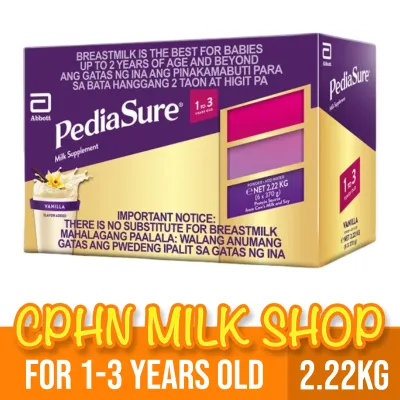


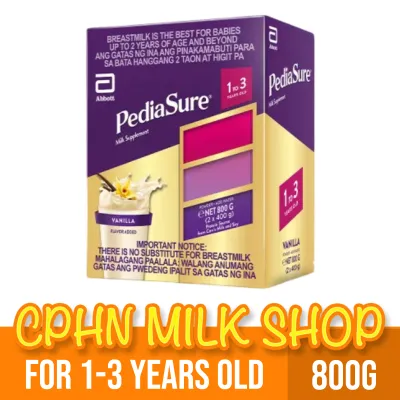

Prices are valid at publication and may change. Please refer to the product page for the latest price.
Deciding Between PediaSure, Nido, and Enfagrow
To make an informed decision, it helps to look at how manufacturers position these products. Each brand targets a slightly different developmental need or feeding scenario, meaning the right choice depends entirely on your toddler’s unique situation.
Choose PediaSure if your toddler is experiencing growth gaps, is highly selective with food (often described as a picky eater), or is recovering from an illness that affected their appetite. It is formulated as a nutritional supplement to help fill significant dietary voids and support catch-up growth. Because of its nutrient density, it is often recommended for targeted, short-term or medium-term support rather than as a standard daily milk drink for a child who already eats well.
Choose Nido if you are looking for an affordable, everyday milk option for a toddler who already eats a relatively balanced diet of solid foods. It focuses on general growth support, daily nutrient maintenance, and immune health. It is designed to be a budget-friendly staple in your child’s daily routine, providing essential vitamins and minerals to complement their regular meals.
Choose Enfagrow if your primary focus is on supporting cognitive development alongside physical growth. Its formulation often emphasizes brain-supportive nutrients like DHA, iron, and zinc. It is positioned as a premium option for parents who want to support their toddler’s rapid brain development and learning milestones during these critical early years.
Regardless of these general categories, your pediatrician remains the ultimate authority on what your child needs. A professional assessment of your child’s weight, height, and dietary intake is the safest way to determine which formula fits their developmental stage.
Comparing Nutritional Profiles and Ingredient Focus
When comparing these formulas, the nutrition facts label on the back of the tin is your most reliable tool. Formulations can change, so always verify the exact values on the physical packaging before purchasing.

Look closely at the macronutrient balance on the label. Toddlers need a healthy mix of proteins, fats, and carbohydrates to fuel their rapid physical development. For instance, some formulas may have higher fat content to support brain growth, while others focus on protein density for muscle and tissue repair. Comparing these ratios helps you see which milk aligns best with what your child might be missing from their solid meals.
Micronutrients are equally critical to evaluate. Pay close attention to the levels of iron, calcium, vitamin D, and zinc. Iron supports healthy blood development and cognitive function, while calcium and vitamin D are essential for strong bones and teeth. If your toddler rarely eats iron-rich foods like red meat or leafy greens, a formula with a higher iron content may be beneficial.
Another key consideration is the presence of added sugars and flavorings. For example, the popular pediasure 1-3 vanilla variant offers a sweet, appealing taste that can encourage picky eaters to drink their milk. However, parents should evaluate these flavored options against general dietary guidelines, which recommend limiting added sugars where possible. If your toddler already eats a wide variety of solid foods, an unflavored or plain milk option might be more suitable to avoid developing a strong preference for highly sweetened beverages.
Managing Taste, Mixability, and Toddler Acceptance
Transitioning a toddler to a new formula requires patience, as their taste buds are highly sensitive. Moving from breastmilk, infant formula, or plain whole milk to a flavored option like vanilla can be a significant change.
To minimize the risk of digestive upset or outright rejection, introduce the new formula gradually. You can start by mixing a small portion of the new formula with their current milk, slowly increasing the ratio of the new formula over a week or two. This gradual transition allows their digestive system and palate to adapt comfortably.
Mixability also plays a role in acceptance. Clumpy milk can cause toddlers to reject the bottle or cup. Always follow the manufacturer’s preparation instructions carefully. Use the recommended water temperature—usually lukewarm—and shake or stir vigorously to ensure the powder dissolves completely. Never use boiling water, as it can degrade sensitive vitamins and probiotics.
Evaluating Price, Value, and Budget Considerations
The cost of toddler formula can quickly add up, making budget a practical factor in your decision. To find the true value, avoid comparing only the retail price of the tins. Instead, calculate the cost per serving or the daily cost of feeding.
To do this, check the scoop size and the number of scoops required for a single serving. A larger tin might seem more expensive upfront, but if it requires fewer scoops per bottle or has a larger volume, it may offer a lower cost per serving. Additionally, look for different packaging formats. Refill pouches or box packs are often more economical than buying a new tin every time, allowing you to reuse an airtight container you already own.
Keep an eye on current prices in ₱ at authorized online marketplaces or local supermarkets in the Philippines. Prices, promotions, and bundle deals fluctuate frequently. Buying in bulk or during official brand sales can provide significant savings, but always ensure you can store the extra stock safely.
Safety, Storage, and Preparation Guidelines
Regardless of the brand you choose, safe handling is paramount to protect your toddler’s developing immune system. Always inspect the packaging before purchase. Ensure the tin seal is intact, check for dents, and verify that the expiration date is well into the future. Stay informed about any manufacturer recalls by checking official food safety advisories.
In the tropical climate of the Philippines, proper storage is crucial. High humidity and heat can cause formula powder to spoil or clump. Store the tin in a cool, dry place away from direct sunlight. Never store formula in the refrigerator, as the moisture can introduce mold. Once opened, most manufacturers recommend consuming the powder within three to four weeks.
Finally, strictly adhere to the water-to-powder ratio specified on the label. Diluting the formula to stretch your budget can lead to nutritional deficiencies, while over-concentrating it can strain your toddler’s kidneys and cause dehydration. Use only the scoop provided in that specific tin, as scoop sizes vary between brands.
Frequently Asked Questions (FAQ)
Can I mix PediaSure, Nido, or Enfagrow with regular cow's milk?
Manufacturers generally recommend preparing toddler formula strictly with water according to the label instructions. This ensures that the nutrient concentration remains balanced and safe for your child’s digestion. Mixing formula powder directly with cow’s milk or combining prepared formula with milk can alter the nutritional profile and make it too concentrated. If you are trying to transition your toddler to regular cow’s milk, consult your pediatrician for a safe, step-by-step transition plan.
How long should my toddler drink formula before switching to regular milk?
Most pediatric guidelines suggest that whole cow’s milk can be introduced to healthy toddlers starting around twelve months of age. However, some children continue to drink toddler formula beyond this age to help meet specific nutritional needs or fill gaps in their diet. The decision of when to transition fully to regular milk should be based on your child’s overall dietary intake, growth progress, and advice from your pediatrician.
What should I do if my toddler experiences digestive issues after switching?
It is common for toddlers to experience mild, temporary changes in digestion, such as slight variations in stool consistency or mild gas, when transitioning to a new formula. These symptoms usually resolve within a few days as their system adapts. However, if your child develops severe symptoms such as persistent vomiting, watery diarrhea, blood in the stool, skin rashes, or extreme fussiness, stop using the new formula immediately and consult your pediatrician to rule out allergies or intolerances.

Community discussion
Share your experience or ask a question. Comments are reviewed before publication.