
Choosing the right formula milk for your growing child can feel overwhelming with so many options on supermarket shelves. There is no single “best” milk that fits every child’s unique developmental path. Pediasure 3 Plus, Nido, NAN, and Enfagrow each serve distinct nutritional purposes, ranging from high-calorie support for picky eaters to everyday fortification for active kids. The ideal choice depends on your child’s age, specific dietary gaps, taste preferences, and your household budget. By learning how to read and compare the labels, you can confidently select the formula that best supports your child’s growth.
Understanding the Core Focus of Each Brand
Every milk brand is formulated with a specific target demographic and nutritional goal in mind. Understanding these core design intents helps you narrow down your choices before diving into the fine print of the nutrition facts panel.
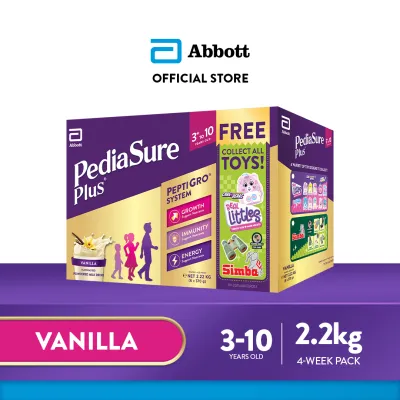
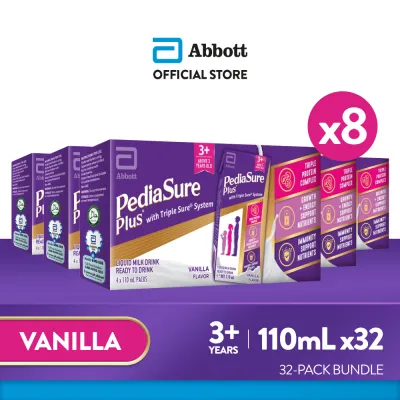
Pediasure 3 Plus is typically positioned as a comprehensive nutritional supplement rather than a standard daily milk. It is designed for children who may need extra calories, protein, and micronutrients, such as picky eaters, children recovering from illness, or those experiencing growth gaps. The formulation often aims to provide a dense source of energy and nutrients to help fill significant dietary voids.
Products mentioned in this guide






Prices are valid at publication and may change. Please refer to the product page for the latest price.
Nido generally focuses on everyday fortification and practical, family-friendly nutrition. It is designed for active, growing children who already consume a relatively balanced diet but need a reliable daily source of essential vitamins and minerals. This brand often emphasizes value and accessibility, making it a popular choice for daily consumption.
NAN is known for its focus on specific developmental stages and digestive comfort. Many of its formulations emphasize optimized protein blends and ingredients aimed at supporting gut health. This brand is often chosen by parents who prioritize digestive tolerance and stage-specific nutritional precision.
Enfagrow usually highlights cognitive development and baseline daily nutrition for preschoolers and school-aged children. Its marketing and formulation frequently center on brain-supporting nutrients, aiming to support children during key years of rapid learning and cognitive growth.
Before making a purchase, always verify the specific age range and primary marketing claims printed on the exact product variant you are buying. Manufacturers frequently update their formulations, and choosing a product designed for your child’s precise age bracket is crucial for safety and efficacy.
Key Nutritional Dimensions to Check on the Label
To make an objective comparison, you must look past front-of-pack marketing claims and examine the nutrition facts panel and ingredient list. This allows you to compare the actual nutrient density and composition of each option.

Start by comparing the macronutrients—protein, fat, and carbohydrates—per serving. Look at the total energy (calories) provided per standard scoop or per 100ml of prepared milk. A higher calorie density may benefit a child who struggles to gain weight, while a standard calorie level is more appropriate for a child who eats regular, balanced meals.
Next, evaluate the micronutrient profile, focusing on key vitamins and minerals such as Iron, Calcium, Zinc, and Vitamin D. Check the percentage of daily recommended values that each serving provides. Keep in mind that higher percentages are not always better; the goal is to complement your child’s solid food intake, not exceed safe daily limits.
Pay close attention to added sugars and flavorings, especially when comparing flavored options like vanilla to plain variants. Scan the ingredient list for terms like sucrose, corn syrup solids, maltodextrin, or liquid glucose. While flavored milks can improve acceptance, they often contain higher levels of added sugars, which should be balanced against your child’s overall daily sugar intake.
Finally, look for specialized ingredients such as DHA, probiotics, or prebiotics on the actual label. Verify their presence in the ingredient list rather than relying solely on front-of-pack icons. Note that the presence of these ingredients can vary significantly between standard and premium lines within the same brand.
Matching the Formula to Your Child's Specific Needs
Selecting the right milk requires aligning the nutritional profile of the formula with your child’s observable eating habits, physical development, and digestive health.
For children identified as picky eaters or those with weight concerns, look for a formula with higher calorie density and a comprehensive vitamin and mineral profile. A nutrient-dense option like Pediasure 3 Plus can help bridge the gap when solid food intake is temporarily insufficient. However, this should be used as a supplement to support growth while you continue to encourage healthy eating habits.
If your child already enjoys a balanced diet with a variety of meats, vegetables, and grains, a lighter, everyday fortified milk is usually more appropriate. Choosing a standard fortified milk like Nido provides essential micronutrients without adding unnecessary calories that could displace their appetite for solid foods.
Digestive sensitivities require careful label reading. Check the ingredient list for lactose content, specific milk protein sources, and potential allergen warnings. If your child experiences frequent bloating, gas, or changes in stool consistency, stop using the product and consult a pediatrician to determine if a specialized or lactose-reduced formula is necessary.
Taste acceptance is a practical factor that cannot be ignored. Some children prefer the familiar sweetness of vanilla-flavored variants, while others do better with the neutral taste of plain milk. Introduce new flavors gradually, and observe whether a flavored option helps your child maintain consistent intake or if it makes them less willing to accept plain water and unsweetened foods.
Evaluating Cost per Serving and Purchasing Convenience
Managing household expenses requires looking beyond the retail price on the shelf to calculate the true cost of daily feeding.
To calculate the cost per serving, do not simply compare the price of the tins or boxes. Instead, look at the nutrition label to find the total number of servings per container. Divide the retail price (₱) by the number of servings to find the cost per glass. This calculation often reveals that a larger, seemingly more expensive container actually offers a lower cost per serving than smaller packaging.
Consider the trade-offs of different packaging sizes. While bulk tins generally offer the best value, they must be consumed within a specific timeframe once opened—usually within three to four weeks. In tropical climates with high humidity, open powder can absorb moisture quickly, leading to clumping or spoilage. Smaller sachets or boxes may cost slightly more per gram but can help maintain freshness if your child does not drink milk daily.
Retail availability is another key factor for consistency. Ensure the brand you choose is readily available at your local supermarkets, neighborhood pharmacies, or official brand stores on major online marketplaces. Frequent brand switching due to stock shortages can disrupt your child’s digestive system and taste preferences.
Decision Framework: Which Milk Should You Choose?
To finalize your decision, match your child’s primary dietary needs with the specific strengths of each brand’s formulation.
Consider Pediasure 3 Plus if your child is a picky eater, requires comprehensive nutritional catch-up, or needs to gain weight under the guidance of a healthcare professional, and they accept the vanilla flavor profile.
Opt for Nido if you are looking for a practical, everyday fortified milk to support an active child who already eats a relatively balanced diet and needs a reliable source of daily vitamins.
Select NAN if you prefer a stage-based formulation that places a strong emphasis on digestive comfort, optimized proteins, and gut-supporting ingredients.
Choose Enfagrow if your primary goal is to support daily baseline nutrition with a formulation that highlights cognitive-supporting nutrients for school-aged children.
Always verify first if your child has known food allergies, underlying medical conditions, or severe growth faltering. In these cases, consult a pediatrician before introducing or switching any formula milk to ensure the chosen product is safe and appropriate.
Frequently Asked Questions (FAQ)
Can I mix different brands of formula milk in the same day?
Mixing different brands of formula milk in the same bottle or alternating them throughout the day is generally not recommended unless specifically advised by a pediatrician. Each brand has a unique balance of proteins, fats, and minerals, and combining them can make it difficult to track nutrient intake or identify the cause of digestive upset. If you must switch brands, it is best to transition completely from one to the other rather than feeding both concurrently.
How do I transition my child from one milk brand to another?
To transition your child to a new milk brand, introduce the new formula gradually over several days. Start by replacing one feed a day with the new brand, slowly increasing the proportion of the new milk over a week while monitoring your child’s digestion. Watch for observable signs of intolerance, such as vomiting, excessive gas, skin rashes, or diarrhea. If any of these signs occur, stop the transition immediately and consult your pediatrician.
Is vanilla-flavored milk less healthy than plain milk?
Vanilla-flavored milk is not inherently unhealthy, but it often contains more added sugars or sweeteners than plain variants to achieve its taste profile. Parents should compare the nutrition labels of both options to check the total sugar content per serving. While flavored milk can be a helpful tool to encourage intake in picky eaters, balancing it with a diet low in other added sugars is important for long-term dental and metabolic health.

Community discussion
Share your experience or ask a question. Comments are reviewed before publication.