
Choosing the right growing-up milk formula for your three-year-old toddler is a highly personal decision that depends on your child’s unique nutritional needs, taste preferences, digestive tolerance, and your household budget. At this developmental stage, solid foods should serve as the primary source of nutrition, while milk formula (3yrs+) acts as a practical safety net to fill potential dietary gaps. Because there is no single universal winner among popular brands like Nido, Enfagrow, and NAN, finding the ideal option requires looking past marketing claims and focusing on verifiable label facts.
Each of these three prominent brands caters to different parental priorities and toddler profiles. Nido is widely recognized for its familiar, creamy taste and accessible price point, making it a staple in many households. Enfagrow often appeals to parents seeking a strong focus on cognitive-support nutrients, such as docosahexaenoic acid (DHA), alongside immune-support ingredients. NAN is frequently selected for toddlers with sensitive tummies, as its formulations emphasize optimized protein blends and active probiotics to support gentle digestion. By evaluating these options through a structured framework of nutritional content, daily preparation, and cost efficiency, you can confidently select the formula that best supports your child’s growth.
Nutritional Baseline: What to Check on the Label
When comparing growing-up milks, the nutrition facts panel on the back of the packaging is your most reliable tool. Manufacturers design these formulas to supplement a toddler’s diet, but the specific ratios of vitamins, minerals, and macronutrients can vary significantly. To make an accurate comparison, you must look at the actual values per serving rather than relying on front-of-pack slogans.
Products mentioned in this guide
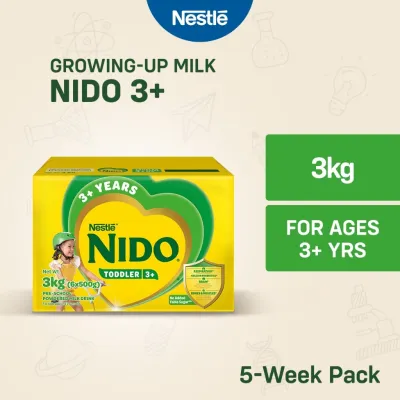
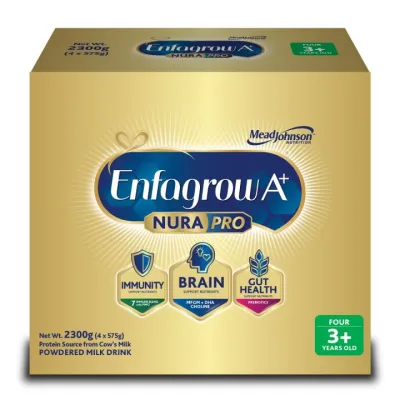
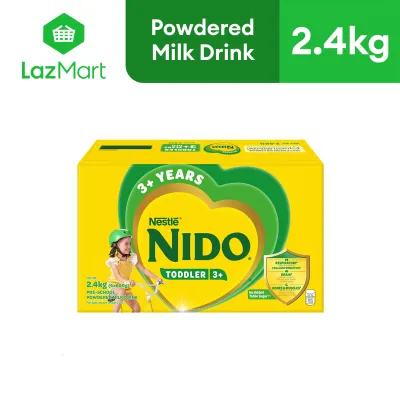
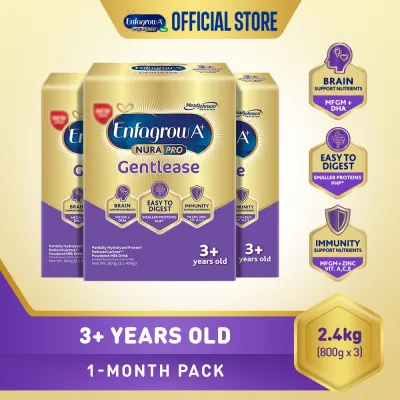
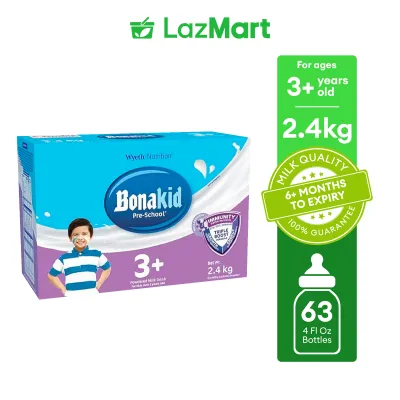
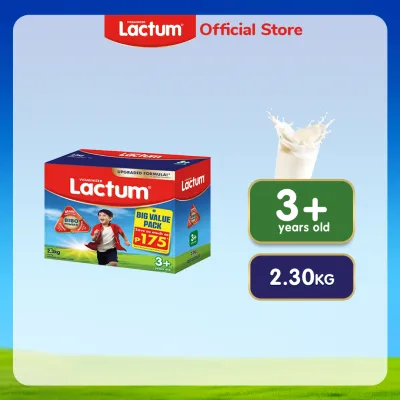
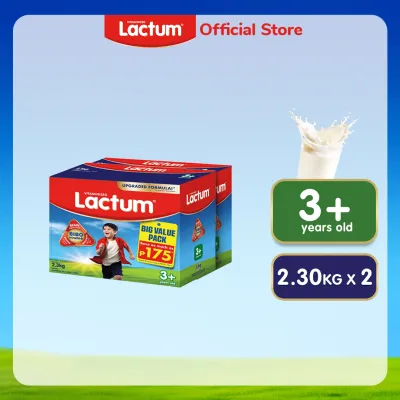

Prices are valid at publication and may change. Please refer to the product page for the latest price.
Start by verifying the levels of key micronutrients essential for a three-year-old’s rapid physical and cognitive development. Iron is crucial for healthy brain development and preventing anemia, while Vitamin C helps the body absorb that iron efficiently. Calcium and Vitamin D work hand-in-hand to support bone and tooth mineralization during active growth spurts. Additionally, look closely at the DHA and arachidonic acid (ARA) levels, which are omega fatty acids associated with brain and visual development. Compare the exact milligrams of these nutrients per 100 grams of powder or per recommended serving across the different tins.
Another critical step is identifying the types and amounts of carbohydrates and sugars present in the ingredient list. Ingredients are listed in descending order of weight, meaning the first few items make up the bulk of the powder. While lactose is the naturally occurring sugar found in milk, some growing-up formulas contain added sugars such as sucrose, corn syrup solids, or maltodextrin to enhance flavor and solubility. If you prefer to limit your child’s intake of added sugars, look for formulations where lactose is the primary carbohydrate source and avoid those listing sucrose or corn syrup near the top of the ingredient list.
Finally, always check the manufacturer’s recommended serving size and daily intake limits. Overfeeding milk can inadvertently fill your toddler’s stomach, leading them to reject solid foods at mealtime. A three-year-old should ideally consume no more than two to three servings of milk per day, ensuring they still have a healthy appetite for a diverse range of solid foods, which are the primary source of their daily nutrients.
Assessing Taste and Mixability in Daily Use
Even the most nutritionally complete formula is of little use if your toddler refuses to drink it or if the powder is difficult to prepare. In a tropical climate like the Philippines, where high humidity can quickly affect open milk powder, practical daily usability is a major factor in your long-term satisfaction with a brand.

Toddlers are naturally sensitive to taste and texture, and their preferences can change rapidly. Some growing-up milks have a sweeter, vanilla-infused flavor profile that appeals quickly to picky eaters, while others maintain a more neutral, plain milk taste. If you are transitioning your child to a new brand, purchasing a large, expensive tin immediately can lead to unnecessary waste if they reject the flavor. A practical strategy is to buy small boxes or single-serve sachets first. This allows you to conduct a low-risk trial over a few days to observe your child’s acceptance of the taste.
Mixability is another daily consideration that impacts preparation time and milk quality. High humidity can cause milk powder to clump inside the tin or resist dissolving in water. To ensure smooth dissolution, you must follow the manufacturer’s preparation instructions exactly, particularly regarding water temperature. Using water that is too hot can clump the proteins and destroy heat-sensitive nutrients or beneficial probiotics, while water that is too cold may leave gritty, undissolved residue at the bottom of the cup. Observe how easily each brand’s powder integrates into water with standard stirring or shaking.
As you introduce a formula, monitor your child’s digestive comfort over a trial period of one to two weeks. Watch for signs of mild digestive adjustment, such as changes in stool consistency, occasional gas, or bloating. If your child consistently experiences discomfort, spits up, or shows signs of an allergic reaction, stop using the product immediately and consult a pediatrician to identify potential sensitivities to cow’s milk protein or lactose.
Calculating Overall Value and Cost per Serving
Because growing-up milk is a recurring household expense, comparing the retail price of a tin does not give you the full financial picture. To find the true value, you must calculate the cost per serving based on how much powder is actually required to prepare a single cup of milk.
To calculate the cost per serving in ₱, use a simple four-step method. First, note the retail price of the package and its total net weight in grams. Second, look at the feeding table on the packaging to find the recommended weight of powder per serving (usually calculated by multiplying the weight of one scoop by the number of scoops required). Third, divide the total net weight of the package by the weight of one serving to determine the total number of servings per pack. Finally, divide the retail price by the total number of servings to find the cost per serving.
Using this calculation, you will often find that bulk packaging options, such as 1.2kg, 1.6kg, or 2kg tins, offer a significantly lower cost per serving than smaller boxes or individual sachets. However, in highly humid environments, larger tins must be stored carefully in a cool, dry place and consumed within the manufacturer’s recommended timeframe—typically three to four weeks after opening—to prevent spoilage. If your child drinks milk less frequently, a smaller box or sachet format may actually prevent waste and save money in the long run.
To maximize your budget, look for official store promotions, bundle deals, or loyalty discounts. When shopping on online marketplaces or ecommerce platforms, always purchase directly from official brand flagship stores or authorized distributors. This ensures you are receiving genuine, properly stored products while taking advantage of legitimate discounts and bulk-buy savings.
Final Decision Framework: Matching the Brand to Your Child
To make your final purchase decision, match the unique characteristics of each brand to your child’s specific needs and your household’s practical requirements.
Consider Nido if your child prefers a familiar, creamy, and slightly sweeter taste profile, and you prioritize a highly accessible brand that is easy to find in local supermarkets and neighborhood stores. This option is highly suitable for families looking for cost-effective bulk packaging that fits comfortably within a standard household budget while providing a solid baseline of essential vitamins and minerals.
Consider Enfagrow if your primary goal is to focus on specific added nutrients designed for cognitive support, such as higher levels of DHA, and your child readily accepts its distinct flavor profile. This brand is ideal for parents who are comfortable with a more premium price point in exchange for specialized nutrient blends and advanced formulation features.
Consider NAN if your toddler has a sensitive digestive system and responds well to specialized, gentle formulations. This option is highly suitable if you are looking for optimized protein profiles and active probiotics to support gut health, and you are willing to invest in a premium-tier product to ensure digestive comfort.
Always verify first with a healthcare professional if your child has a known or suspected dairy allergy, lactose intolerance, or other specialized medical needs. Standard growing-up milks are formulated for healthy toddlers, and children with specific medical conditions require specialized pediatric formulas prescribed by a doctor.
Frequently Asked Questions (FAQ)
Can I mix two different brands of growing-up milk?
Mixing two different brands of milk powder directly in the same cup is generally discouraged. Each brand is formulated with a specific concentration of nutrients, and combining them can alter the overall nutrient density and osmolarity of the drink. This imbalance can put unnecessary strain on your toddler’s developing kidneys and digestive system. If you are transitioning your child from one brand to another, it is safer to alternate complete servings of each brand throughout the day, gradually increasing the number of servings of the new brand over several days to allow their digestive system to adapt.
When should I transition my 3-year-old from formula to fresh milk?
Most pediatric guidelines indicate that healthy toddlers can transition to whole fresh cow’s milk after one to two years of age, provided they are consuming a balanced, diverse diet of solid foods. Fresh milk is an excellent source of calcium and protein, but it lacks the fortified iron, vitamin C, and other micronutrients found in growing-up formulas. Before completely stopping formula, consult your pediatrician to assess whether your child’s solid food intake is sufficient to meet their daily nutritional requirements, especially if they are a picky eater who may still rely on fortified milk to fill dietary gaps.
Community discussion
Share your experience or ask a question. Comments are reviewed before publication.