
Choosing the right milk for a growing child is a common challenge for parents, especially when deciding between specialized nutritional supplements and standard growing-up milks. The choice between Pediasure—particularly in its large 2.2kg bulk packaging—and popular brands like Nido, NAN, and Enfagrow depends on your child’s specific nutritional gaps, age, and taste preferences. While Pediasure is formulated as a high-calorie, nutrient-dense supplement to support catch-up growth, Nido, NAN, and Enfagrow generally serve as daily nutritional top-ups for children who already consume a relatively balanced solid diet.
When evaluating the 2.2kg bulk option against standard tins, your decision should hinge on calculating the true cost per serving, verifying the label’s macronutrient profile against your child’s daily needs, and ensuring the powder can be safely consumed before its post-opening expiration. In tropical climates like the Philippines, managing large quantities of milk powder also requires strict attention to storage and hygiene to prevent spoilage. By understanding the distinct purposes of these brands and learning how to analyze their labels, you can make an informed choice that supports your child’s development without unnecessary waste.
Understanding the Core Purpose of Each Brand
Before comparing specific product labels, it is essential to identify the primary nutritional goal each brand targets. Not all children’s milks are designed for the same purpose, and feeding a child a specialized formula when they only need a standard daily top-up can lead to an imbalance in their dietary intake.
Products mentioned in this guide






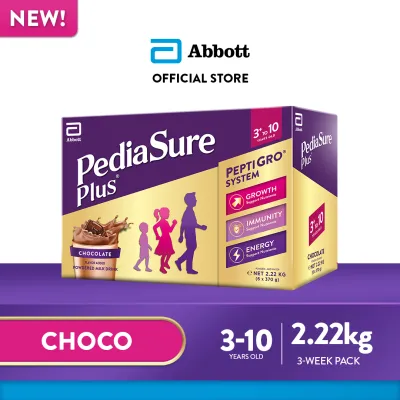
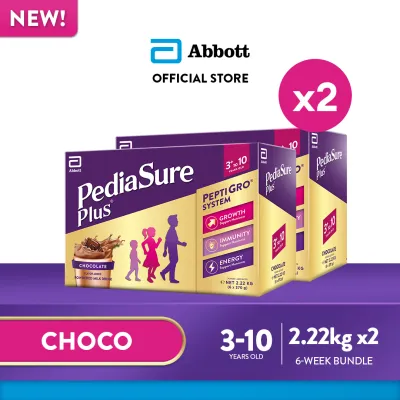
Prices are valid at publication and may change. Please refer to the product page for the latest price.
Pediasure is widely recognized as a high-calorie nutritional supplement designed specifically for catch-up growth. It is formulated for children who may be falling behind on their growth charts, experiencing temporary growth stalls, or exhibiting highly selective eating habits that lead to significant nutritional gaps. Because of its higher caloric density, it provides more energy per milliliter than standard milks, helping children meet their daily energy requirements even when their solid food intake is low.
In contrast, brands like Nido, NAN, and Enfagrow are typically positioned as standard growing-up milks. These products are designed to complement a regular, age-appropriate diet of solid foods. They provide a balanced blend of essential vitamins, minerals, and macronutrients to ensure that active toddlers and young children maintain their nutritional baseline. They are not intended to serve as high-calorie meal replacements but rather as a daily beverage that supports overall health, cognitive development, and immune function.
Because formulations vary widely even within the same brand, parents must always check the manufacturer’s recommended age range and specific health claims printed on the packaging. A product designed for a three-year-old may have a completely different nutrient profile and protein concentration than one formulated for school-aged children. Feeding a child a formula meant for a different age group can strain their developing digestive system or fail to meet their specific developmental needs.
Furthermore, if a child has diagnosed malnutrition, severe feeding issues, or underlying health conditions, a pediatrician’s assessment is required before starting any specialized supplement. Specialized milks are powerful tools, but they should be integrated into a broader care plan supervised by a healthcare professional. Relying solely on retail packaging claims without professional guidance can delay the identification of underlying health issues that require targeted medical intervention.
Comparing Nutritional Profiles: What to Check on the Label
To make an objective comparison, parents must look past front-of-pack marketing and examine the nutrition facts panel and ingredient list. Comparing the actual macronutrients and micronutrients of the specific variants you are considering ensures that the milk aligns with your child’s daily physical activity and dietary gaps.

When looking at calories and protein, compare the energy density and protein content per serving rather than per 100 grams of powder. This distinction is crucial because serving sizes and scoop weights vary significantly between brands. A high-calorie supplement will typically offer more calories per prepared fluid ounce or milliliter to help children who struggle to gain weight. If your child is highly active and eats well but simply needs a daily beverage, a standard growing-up milk with moderate protein and energy levels is usually more appropriate.
Micronutrients are another critical area of comparison. Look closely at the daily value percentages for key vitamins and minerals, particularly Calcium, Vitamin D, Iron, and Zinc. These nutrients play vital roles in bone development, oxygen transport, and immune support. Check how much of the recommended daily intake a single serving provides, keeping in mind that these percentages are calculated based on specific age brackets.
Added sugars and carbohydrates require careful scrutiny on the ingredient list. Many children’s milks contain added sugars such as sucrose, corn syrup solids, maltodextrin, or liquid glucose to improve taste and boost caloric content. Compare the sugar content per serving across brands and opt for formulations that limit added sugars while still meeting your child’s caloric requirements.
Finally, evaluate the presence and stated amounts of special additives. Many modern formulations highlight ingredients like DHA, probiotics, prebiotics, or specific immune-supporting nutrients. Rather than assuming a brand is superior because it lists these ingredients, check the actual quantities on the label.
Evaluating the Pediasure 2.2kg Bulk Size vs. Standard Packaging
Buying milk powder in bulk, such as the Pediasure 2.2kg tub, is often seen as a convenient and economical choice. However, purchasing large quantities requires a careful assessment of practical, financial, and storage implications to ensure that the bulk purchase actually delivers the expected value.
To determine the true cost per serving, do not simply compare the upfront retail price of the large tub to smaller tins. Instead, divide the total retail price in ₱ by the exact number of servings the package yields, which is typically listed on the nutrition facts panel. This calculation allows you to compare the cost per prepared glass across different brands and packaging sizes. Often, bulk packaging offers a lower cost per serving, but this saving is only realized if the entire contents of the container are safely consumed.
This brings us to shelf life and consumption rates. Once a tin or tub of milk powder is opened, it is exposed to air and environmental moisture, which initiates a gradual degradation process. Most manufacturers recommend consuming the powder within three to four weeks of opening. Before buying a 2.2kg tub, estimate whether your child will realistically finish it within this timeframe. If your child only drinks one serving a day or uses the milk as an occasional supplement, a massive 2.2kg container may spoil or lose its freshness before you reach the bottom, resulting in expensive waste that offsets any initial bulk savings.
Storage and hygiene are particularly critical in humid tropical climates like the Philippines. High humidity levels increase the risk of moisture ingress, which can cause the powder to clump, lose its nutritional quality, or become a breeding ground for bacteria. Always store large bulk containers in a cool, dry place, away from direct sunlight and heat sources. Never store the powder in the refrigerator, as the temperature change when bringing the container out into room temperature causes condensation to form inside, rapidly spoiling the powder. Always use the clean, dry scoop provided in the package.
Navigating Taste Preferences and Picky Eaters
Even the most nutritionally perfect milk is of no value if your child refuses to drink it. Taste acceptance is often the ultimate deciding factor in consistent milk consumption, and managing a picky eater’s preferences requires a patient, strategic approach.
Taste is highly subjective and varies significantly across brands and flavor variants, such as vanilla, chocolate, or honey. Some brands have a sweeter profile, while others may taste more neutral or have a distinct metallic note due to high iron fortification. Because you cannot predict which flavor your child will prefer, committing to a massive 2.2kg bulk purchase without prior testing is highly risky.
To minimize financial risk, always purchase single-serve sachets or the smallest available trial sizes of a new brand or flavor before investing in a large tub. Let your child try the milk over a few days to observe their reaction and check for any digestive discomfort.
If you decide to switch from one brand or flavor to another, avoid making an abrupt transition. Instead, use a gradual transition method by mixing a small amount of the new milk powder with the child’s current familiar milk. Over the course of a week, slowly increase the proportion of the new milk while decreasing the old one.
Decision Framework: Which Growing Milk Fits Your Child?
To make a confident final purchasing decision, parents can use a structured, condition-based framework that aligns their child’s physical development, dietary habits, and household consumption rates with the right product.
Choose Pediasure (2.2kg) if your child has been identified by a healthcare professional as needing higher calorie density for catch-up growth, has consistent dietary gaps due to selective eating, and readily accepts the taste. Additionally, this bulk size is only suitable if your household’s daily consumption rate ensures the entire 2.2kg container will be finished within the manufacturer’s recommended post-opening period (usually three to four weeks) and you have a cool, dry storage space to protect the powder from tropical humidity.
Choose Nido, NAN, or Enfagrow if your child eats a relatively balanced solid diet and simply needs a general daily nutritional top-up to maintain their health baseline. These brands are also ideal if your child’s specific age, digestive sensitivity, or developmental stage is better matched by their standard, age-specific formulations. Opting for these brands in standard-sized tins is highly practical if your child consumes milk in smaller or less frequent quantities, reducing the risk of spoilage.
Verify first if your child has specific allergies, such as lactose intolerance or a cow’s milk protein allergy, as standard formulations of these brands may not be suitable. If you are unsure about your child’s growth trajectory or whether they truly require a high-calorie supplement, always consult a pediatrician before making a switch.
Frequently Asked Questions (FAQ)
Can I mix Pediasure with Nido, NAN, or Enfagrow to improve the taste?
Mixing different milk powder brands in a single serving is generally discouraged by pediatricians and nutritionists. Each brand is formulated with a precise ratio of powder to water to achieve a specific osmolarity and nutrient concentration. Mixing powders alters this balance, which can strain your child’s kidneys and digestive system, and makes it highly difficult to track their actual daily nutrient intake. If you need to improve palatability, try adjusting the water temperature slightly within the manufacturer’s safe limits, or blend the prepared milk with age-appropriate fresh fruits like bananas, provided your child’s diet and age permit.
How do I know if my child actually needs a high-calorie nutritional supplement?
Observable signs that your child might benefit from a high-calorie supplement include poor weight gain over several months, frequent fatigue, or consistently falling below their expected growth curve. However, normal phases of picky eating are common in toddlers and do not always indicate a nutritional deficit. The definitive way to determine if your child needs a specialized supplement like Pediasure, rather than a standard growing-up milk, is through a growth chart assessment and dietary review conducted by a pediatrician.

Community discussion
Share your experience or ask a question. Comments are reviewed before publication.