
Choosing the right growing-up milk for a 10-year-old child in the Philippines involves balancing nutritional needs, taste preferences, and household budgets. At this stage of development, school-aged children experience rapid physical growth and increased cognitive demands from school and daily activities. While PediaSure 10 Plus, Nido, and Enfagrow are prominent options on supermarket shelves, no single brand serves as a universal solution for every child. The ideal choice depends on whether your child requires targeted nutritional support to fill specific dietary gaps, a reliable everyday fortified drink, or a formula designed with a focus on cognitive and immune nutrients. By examining product labels, calculating the actual cost per serving, and observing your child’s unique dietary habits, you can select a milk that effectively complements their daily meals.
Understanding the Nutritional Focus of Each Brand
To make an informed choice, parents must look past the colorful packaging and understand the specific nutritional design of each brand. Each formula is formulated with a distinct purpose, targeting different aspects of a school-aged child’s development.
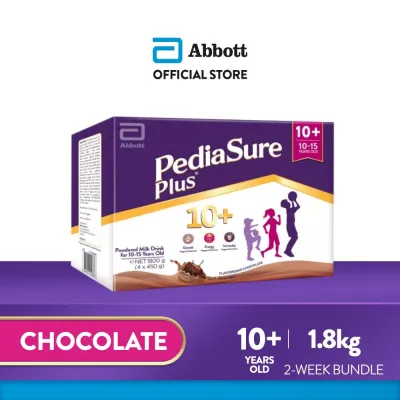
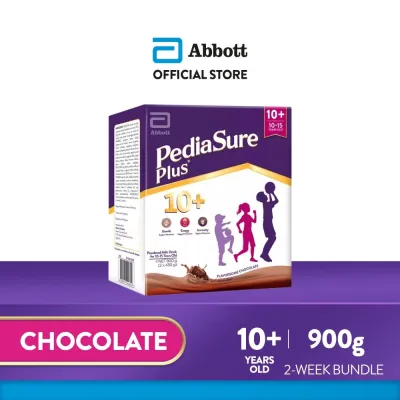
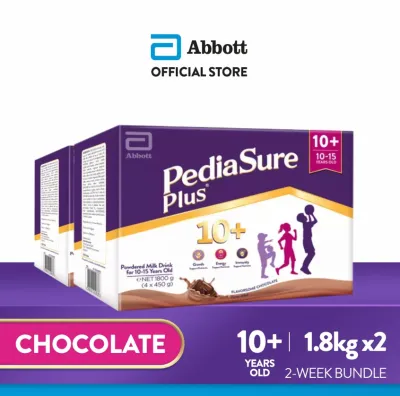
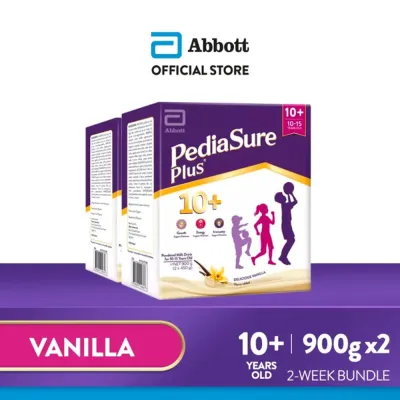
PediaSure 10 Plus is specifically designed for older children who may need targeted nutritional support. When reviewing the label of PediaSure 10 Plus, you will find a calorie-dense formulation intended to help children catch up on growth or meet high energy demands. It is often recommended for children with specific dietary gaps, highly active lifestyles, or those recovering from illness. Parents should check the packaging for its specialized blend of proteins, essential fats, and a broad spectrum of vitamins and minerals designed to support physical development and energy levels.
Products mentioned in this guide



Prices are valid at publication and may change. Please refer to the product page for the latest price.
Nido, particularly its variants formulated for school-aged children, functions primarily as an everyday fortified milk drink. Its nutritional profile is designed to provide baseline fortification, helping to ensure that active children receive their daily recommended intake of essential nutrients. When examining a Nido label, you will typically find a strong focus on calcium, vitamin D, and iron, which are crucial for bone development and overall vitality. It serves as a practical option for families looking to supplement a generally balanced diet without the higher calorie density of specialized clinical formulas.
Enfagrow focuses its formulation heavily on cognitive development and immune support. Parents reviewing Enfagrow labels will notice a prominent emphasis on nutrients like DHA, iron, zinc, and specific vitamins marketed to support brain function and school-age immunity. This brand is designed for parents who prioritize cognitive-supporting ingredients alongside general physical growth support.
To compare these brands effectively, parents can use the following checklist when examining the nutrition facts panel on the back of each tin:
- Macronutrients: Compare the total protein, fat, and carbohydrate content per serving to see which matches your child's daily energy needs.
- Calcium and Vitamin D: Verify the percentages of the daily recommended energy and nutrient intake for bone-building nutrients.
- Iron and Vitamin C: Check for the presence of iron and vitamin C, as vitamin C helps enhance iron absorption.
- Specialized Additives: Look for specific ingredients like DHA, prebiotics, or probiotics, and note their quantities per serving.
Key Comparison Dimensions for 10-Year-Olds
Evaluating growing-up milks requires looking at practical, everyday factors that influence whether your child will actually drink the milk and how it fits into their lifestyle.

Taste and mixability play a significant role in a child’s acceptance of a new milk drink. At 10 years old, children have well-developed taste preferences and may reject a drink if they dislike the flavor or texture. PediaSure 10 Plus, Nido, and Enfagrow offer different flavor profiles, including vanilla, chocolate, and plain milk flavors. Additionally, parents should observe how easily the powder dissolves in water. In the warm, humid climate of the Philippines, some children prefer their milk served cold or mixed into refreshing smoothies, making quick solubility in cooler water a highly convenient feature.
Sugar and calorie content are critical factors to monitor, especially as dietary habits in school-aged children can impact long-term health. Parents should carefully inspect the ingredient list on the nutrition facts panel for added sugars, which may appear under names like sucrose, corn syrup solids, or maltodextrin. While active children who participate in sports or outdoor play can benefit from the higher calorie content of certain formulas, more sedentary children may not require the extra energy. Choosing a milk with a balanced calorie-to-nutrient ratio helps prevent excessive calorie intake while still providing essential micronutrients.
Dietary restrictions and potential allergens must always be verified before introducing any new milk formula. Children may have sensitivities or allergies to cow’s milk protein, lactose, soy, or gluten. Parents must read the allergen information printed on the packaging to ensure the product is safe for their child. If your child experiences frequent bloating, gas, or skin rashes after consuming milk, it is essential to check the label for lactose-free or hypoallergenic alternatives and consult a healthcare professional.
How to Evaluate Cost and Value per Serving
Comparing the upfront price of a milk tin can be misleading, as serving sizes and packaging volumes vary significantly between brands. To determine the true economic value, parents should calculate the cost per serving.
To find the actual cost per serving, use this simple formula:
Cost per Serving = Retail Price of the Tin (₱) / Total Number of Servings in the Tin
To find the total number of servings, divide the total net weight of the tin by the recommended grams per serving indicated on the preparation instructions. This calculation reveals how much you are actually paying for each glass of milk your child consumes.
The serving size required to meet the stated nutritional benefits varies across brands. One brand might require four scoops of powder per glass, while another might require only two or three. A larger required serving size means the tin will be depleted much faster, resulting in a higher monthly expense even if the initial purchase price of the tin was lower. Always compare the weight in grams of a single prepared serving rather than just the number of scoops.
Parents can also optimize their budget by evaluating different package sizes. Growing-up milks are typically available in various sizes, such as 400g, 900g, and larger bulk packs like 1.2kg or 1.8kg. Purchasing larger bulk options at local supermarkets or official brand stores on reputable ecommerce platforms often yields a lower cost per gram. However, in humid tropical environments, it is important to ensure that large packages can be stored in airtight containers to prevent the powder from clumping or spoiling before it is fully consumed.
Decision Framework: Which Milk Should You Choose?
Selecting the right milk involves matching your child’s specific physical, cognitive, and dietary conditions with the appropriate product profile.
Consider PediaSure 10 Plus if your child has identified dietary gaps, is recovering from an illness, or requires targeted nutritional supplementation to support physical growth. Its calorie-dense formulation and comprehensive nutrient blend make it suitable for children who need extra energy support to meet their developmental milestones or sustain high levels of physical activity.
Opt for Nido if you are looking for a familiar, everyday fortified milk drink that supports general nutritional maintenance. It is an excellent choice for children who already eat a relatively balanced diet of solid foods but need a reliable source of calcium, vitamin D, and other essential daily nutrients. This option is also highly practical for families seeking a budget-friendly, accessible milk drink for daily consumption.
Choose Enfagrow if your primary focus is providing a formula that emphasizes cognitive-supporting nutrients and immune system fortification. If your child is highly focused on schoolwork, extracurricular activities, and you want to ensure they receive specific ingredients like DHA and zinc to support their learning and immune health, this brand aligns well with those priorities.
Before making any final decision or switching your child’s milk formula, always verify if they have any underlying medical conditions, food allergies, or specific dietary restrictions. If your child has unique health concerns, consult a pediatrician or a registered dietitian to establish a tailored dietary plan that safely meets their nutritional requirements.
Transitioning and Monitoring Your Child's Intake
Introducing a new milk brand to a 10-year-old requires a gradual approach to ensure both digestive tolerance and taste acceptance.
When transitioning to a new milk brand or flavor, start by introducing small amounts alongside their current preferred drink. For picky eaters, you can gradually mix the new milk powder with the old one over several days, slowly increasing the proportion of the new brand. Alternatively, if your child dislikes the taste of plain milk, you can try preparing it at different temperatures or incorporating the prepared milk into familiar foods like oatmeal, homemade fruit smoothies, or healthy puddings, always following the manufacturer’s preparation guidelines.
Once the transition is complete, closely monitor your child’s physical response and overall dietary habits. Observe their digestion for any signs of discomfort, such as bloating, constipation, or loose stools. Pay attention to their daily energy levels and, crucially, their appetite for solid meals. A growing-up milk should always serve as a supplement to a balanced diet, not a replacement; if the milk is too filling and causes your child to skip regular meals, you may need to adjust the timing or volume of their servings.
Stop using the product and consult a pediatrician or a registered dietitian if your child exhibits persistent digestive issues, signs of an allergic reaction (such as hives, swelling, or breathing difficulties), or unexpected weight changes. A healthcare professional can help determine if the milk is causing these symptoms and recommend a safe, alternative nutritional strategy.
Frequently Asked Questions (FAQ)
Can a 10-year-old drink regular fresh milk instead of growing-up milk?
Yes, a 10-year-old can drink regular fresh milk, provided they consume a highly diverse and balanced diet of solid foods. Fresh milk naturally provides high-quality protein and calcium, which are essential for bone development. However, regular fresh milk lacks the added vitamins, iron, and minerals found in fortified growing-up formulas. Parents should evaluate their child’s overall solid food intake; if the child is a picky eater or has specific nutrient gaps, a fortified growing-up milk can help bridge those deficiencies more effectively than fresh milk alone.
How many servings per day are recommended for this age group?
Parents should always check the specific product packaging for age-based serving recommendations, as guidelines vary by brand. Generally, one to two servings of fortified milk per day are sufficient to supplement a school-aged child’s diet. Consuming excessive amounts of growing-up milk can fill your child’s stomach with liquid calories, which may suppress their appetite for nutrient-dense solid meals during breakfast, lunch, and dinner.
What should I do if my child refuses the taste of the new milk?
If your child refuses the taste of a new milk, try adjusting the preparation method without altering the recommended powder-to-water ratio. You can experiment with serving the milk chilled, which is often more appealing in warm tropical climates, or blending it with fresh fruits like bananas or mangoes. Ensure you are strictly adhering to the manufacturer’s preparation and safety instructions, and avoid adding extra sugar or sweeteners to make the drink more palatable, as this can lead to excessive sugar consumption.

Community discussion
Share your experience or ask a question. Comments are reviewed before publication.