
Finding the right diaper for a growing toddler is a common challenge for parents in the Philippines, where high humidity and active play require a careful balance of breathability, secure fit, and reliable absorbency. When your child begins to outgrow standard double-extra-large sizes, transitioning to an extra-extra-extra-large (XXXL) pants diaper becomes necessary to prevent leaks and skin irritation.
Rather than searching for a single universal winner among major brands like Pampers, Huggies, and Lampein, the best choice depends on your toddler’s unique body shape, activity level, and skin sensitivity. Sizing standards, waistband elasticity, and core technologies vary significantly across these manufacturers.
By focusing on verifiable packaging specifications, observable fit indicators, and practical cost-per-piece calculations, you can identify the ideal option for your household. This guide provides a structured approach to comparing these three prominent brands to help you make an informed decision for your larger toddler.
Products mentioned in this guide
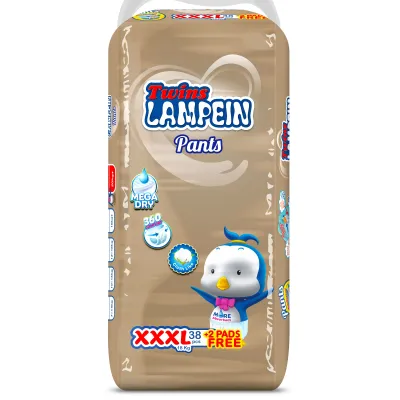
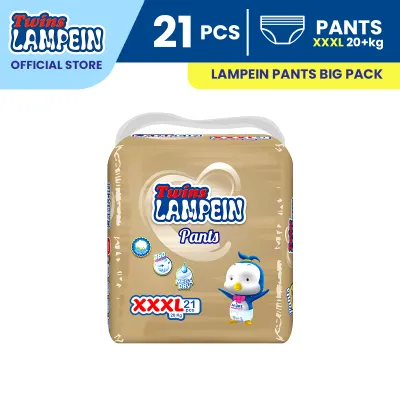
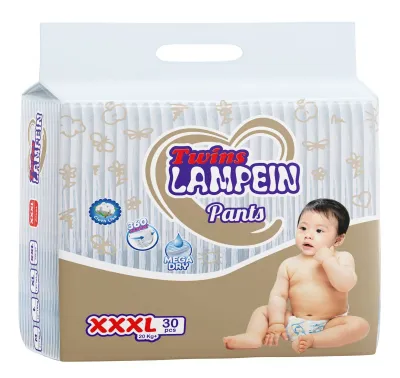

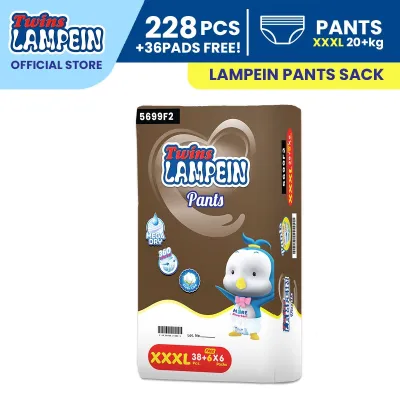
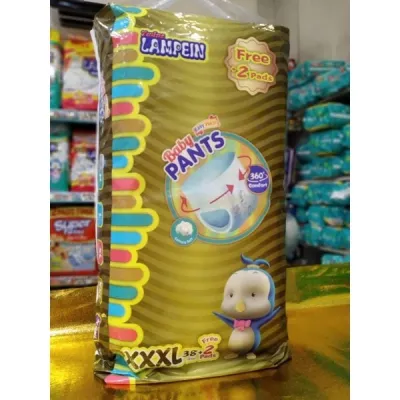
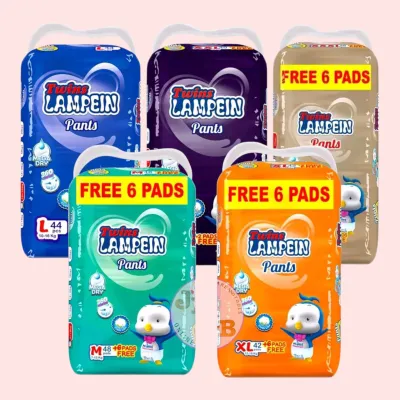
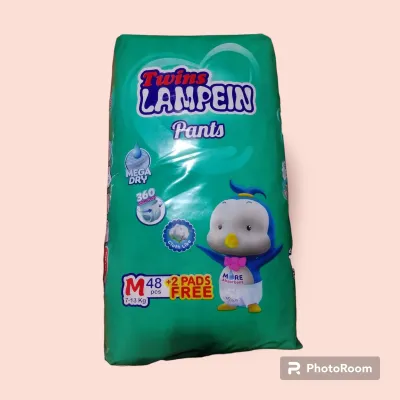
Prices are valid at publication and may change. Please refer to the product page for the latest price.
Understanding XXXL Sizing and Weight Limits Across Brands
Weight ranges printed on diaper packaging serve as a primary guideline, but they are not absolute rules. Each brand designs its XXXL pants diapers to accommodate a specific weight spectrum, which typically starts around 18 kilograms and can extend beyond 25 kilograms depending on the manufacturer’s target demographic. Before purchasing, always locate the official weight chart on the back or side of the diaper pack to verify that your toddler falls within the recommended limits.
Because toddlers carry weight differently—some having rounder bellies while others have sturdier thighs—the physical cut of the diaper is often more critical than the weight number alone. When examining a diaper, observe the elasticity of the waistband and the stretch of the leg cuffs. A highly elastic waistband allows the diaper to expand and contract as your child breathes and moves, preventing the material from digging into the skin.
To ensure a precise baseline fit, take manual measurements of your toddler’s waist and upper thighs using a soft measuring tape. Compare these measurements against the brand-specific sizing guides often found on official brand websites or product packaging. This step is particularly helpful when transitioning between brands, as an XXXL in one brand may fit more snugly than an XXXL in another due to differences in pattern cuts and elastic tension.
Keep in mind that pants diapers are designed for quick pull-up application, which requires the waistband to stretch sufficiently over the hips without tearing. If you find yourself struggling to pull the diaper up, or if the side seams split during application, it is a clear indication that the physical dimensions of the current brand’s XXXL cut are too small for your child’s current developmental stage.
Comparing Fit, Leak Protection, and Material Features
Active daytime play and overnight sleep place different demands on a diaper’s structural design. For daytime use, look for diapers with double-layered leg-guard barriers that sit flat against the skin to catch sudden movements. For overnight protection, inspect the distribution of the absorbent core; some brands concentrate the absorbent material toward the front for boys or distribute it evenly along the center to handle prolonged wetness while lying down.

In the warm and humid climate of the Philippines, managing moisture and heat buildup inside the diaper is essential for maintaining healthy skin. Check the product packaging for material labels that highlight breathable outer covers and micro-pore ventilation systems. These features allow hot air and vapor to escape while keeping liquid locked inside, reducing the risk of friction-induced chafing and heat rashes during active hours.
The texture of the inner skin-contact layer is another critical factor to evaluate. Some manufacturers utilize textured, quilted, or embossed top sheets designed to minimize the surface area touching your toddler’s skin, which helps channel wetness away quickly. Reviewing the packaging for terms like “hypoallergenic,” “cottony soft,” or specific dermatological test labels can help you identify which materials are formulated to protect sensitive skin.
Wetness indicators are highly practical features that change color when the diaper reaches capacity, aiding in timely changes before leaks occur. While most modern XXXL pants diapers include these lines along the outer crotch area, their visibility can vary under different lighting or clothing types. Verify how the indicator functions on your chosen brand—typically shifting from yellow to blue or green—to help caregivers monitor wetness without needing to tear the side seams prematurely.
Evaluating Value and Purchasing Strategies
Managing a household budget requires looking beyond the retail price of a single diaper pack. Because XXXL diapers contain more material and fewer pieces per package than smaller sizes, calculating the exact cost per piece (₱) is the most accurate way to compare value. Divide the total price of the pack by the number of diapers inside to establish a clear baseline for your weekly or monthly diaper expenses.
Product availability is another practical consideration for busy parents. While major brands like Pampers and Huggies are widely distributed across local supermarkets, department stores, and baby specialty shops in the Philippines, regional brands like Lampein may have different distribution networks. Ensure the brand you select is consistently stocked at your preferred local outlet or through official online brand stores to avoid sudden brand-switching, which can upset sensitive skin.
Before committing to bulk boxes or jumbo packs of XXXL diapers, utilize a trial-pack strategy. Many manufacturers and authorized retailers offer small travel packs containing three to five diapers. Purchasing these smaller quantities allows you to test the physical fit, observe how the materials react with your toddler’s skin, and evaluate the absorbency overnight without risking a significant financial investment on a product that might not fit.
Decision Framework: Which XXXL Diaper Fits Your Toddler?
To make the final selection, align your toddler’s physical attributes and your household priorities with the specific design strengths of each brand. Consider Pampers if your manual measurements and observations of the diaper’s waistband reveal that your child benefits from a highly flexible, body-conforming stretch that accommodates active movement without slipping down.
Opt for Huggies if your inspection of the diaper’s construction shows that the reinforced leg-cuff barriers and the specific texture of the inner lining match your toddler’s high-intensity play style and need for robust containment around the thighs. This choice is particularly suitable if you observe that other diapers tend to gap or shift during running and climbing.
Select Lampein (Equator) if your evaluation of the packaging specifications, absorbent core features, and local retail availability aligns with your daily changing routine and household budget constraints. This brand offers a practical alternative for parents seeking reliable everyday protection and straightforward sizing without premium cost additions.
Regardless of the brand you choose, always prioritize your child’s skin health by monitoring for any signs of irritation. If your toddler has known skin sensitivities, or if you notice persistent red marks around the waist or thighs, consult the product’s specific dermatological testing labels and instructions. If skin issues persist despite proper sizing and frequent changes, seek advice from a qualified pediatrician.
Diaper Transition and Fit (FAQ)
When should I transition my toddler to XXXL pants diapers?
The most common sign that it is time to size up is the appearance of red, indented marks along your toddler’s waistline or upper thighs after removing the diaper. These marks indicate that the elastic bands are stretched to their limit and are exerting too much pressure on the skin.
Another clear indicator is a sudden increase in leaks or blowouts, even when the diaper is applied correctly and changed at regular intervals. When a diaper’s absorbent core is too small for the child’s output, or when the physical coverage is insufficient, liquid will easily find paths to escape.
Finally, observe your child’s movement; if the current diaper looks tight, rides down constantly, or restricts their natural ability to climb, walk, or sit comfortably, transitioning to the extra room of an XXXL pants diaper will restore their comfort and mobility.
What are the signs that an XXXL diaper is too big or poorly fitted?
If you transition to an XXXL diaper too early, you may notice visible gaps between the leg cuffs and your toddler’s thighs when they stand or crawl. These gaps prevent the leak guards from forming a proper seal, leading to immediate wetness escape even if the diaper is not fully saturated.
A poorly fitted diaper will also sag significantly at the crotch or fold over at the waistband as soon as your toddler begins to move. If the waistband does not sit snugly around the hips or slides down under the weight of minimal wetness, the diaper is too large for your child’s current frame.
If the largest standard XXXL sizes still do not provide a secure fit or fail to prevent leaks, consider adjusting your changing frequency or exploring specialized overnight inserts. If you continue to experience severe fit challenges or skin issues, consult a pediatrician or a child development professional for personalized guidance.

Community discussion
Share your experience or ask a question. Comments are reviewed before publication.