
Finding the right diaper for an active toddler in a tropical climate like the Philippines requires balancing absorbency, breathability, and structural fit. While Pampers, Huggies, and Lampein diaper XL (Equator series) are popular choices, there is no universal winner. The ideal diaper depends on how a specific brand’s extra-large (XL) dimensions, waistband elasticity, and leg guard designs conform to your toddler’s unique build, thigh thickness, and activity levels.
Active toddlers present unique challenges. They run, climb, squat, and sweat, especially in humid conditions. A diaper that works perfectly for a slender, highly active child during the day might fail overnight for a heavy-wetting toddler with thicker thighs. By understanding how to evaluate the physical construction, core technologies, and sizing charts of Pampers, Huggies, and Lampein Equator XL, you can make an informed decision that minimizes leaks and keeps your child comfortable.
Understanding XL Diaper Design Differences Across Brands
It is important to recognize that “XL” is not a standardized industry measurement. Each manufacturer defines its own weight ranges and physical dimensions. Parents must look closely at the packaging of Pampers, Huggies, and Lampein Equator XL to cross-reference the recommended weight limits. For instance, one brand’s XL might start at 12 kilograms, while another might start at 13 or 14 kilograms. Relying solely on the “XL” label without checking the weight chart can lead to a diaper that is either too loose, causing immediate leaks, or too tight, causing discomfort and skin chafing in hot, humid weather.
Products mentioned in this guide
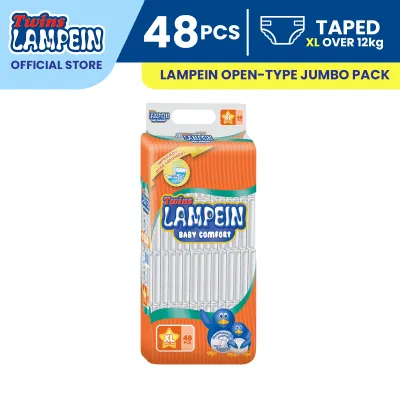

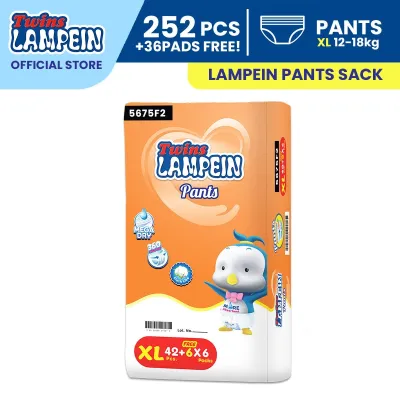
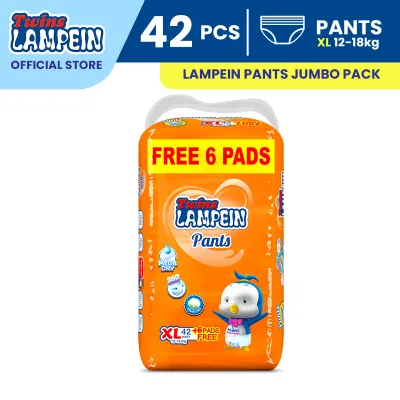
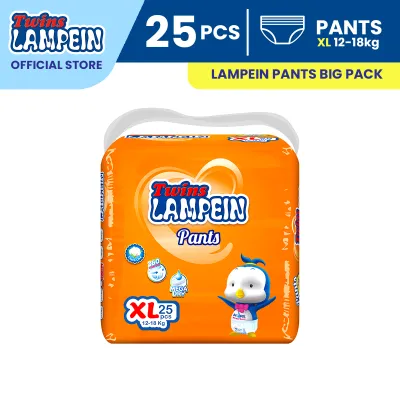
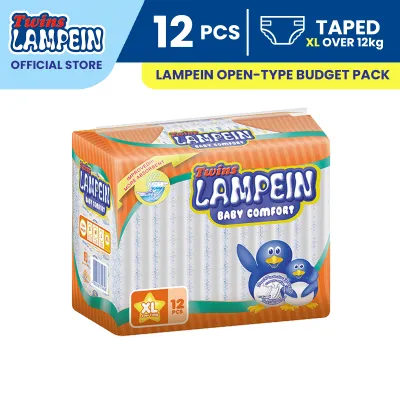
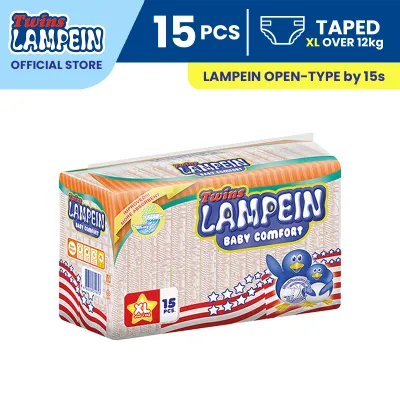
Prices are valid at publication and may change. Please refer to the product page for the latest price.
Beyond weight charts, the physical architecture of the diaper varies significantly between these brands. When comparing them, lay the diapers flat to inspect the width of the crotch area and the height of the back panel. A wider crotch area provides a larger surface area for absorption but can bunch up between the legs of a slender toddler, restricting movement. Conversely, a narrower crotch offers a trimmer fit for active play but might not offer enough coverage for heavy wetters. The height of the back panel is equally critical; a higher back panel helps contain blowouts and leaks when a toddler is sitting or climbing, while a lower back panel might feel lighter and more breathable but offers less rear coverage.
It is also essential to check the manufacturer’s specific size-up recommendations rather than waiting until your toddler completely outgrows the current size. Many brands suggest sizing up if your child is approaching the upper limit of the current size’s weight range, especially if they are a heavy wetter or have a rounder belly. Sizing up provides a larger absorbent core and higher leak guards, which can make a substantial difference in leak prevention even if the toddler technically still fits within the weight range of the smaller size.
Evaluating Absorbency for Heavy Wetters and Overnight Use
Absorbency is a primary concern for parents, particularly during long overnight sleep stretches when diaper changes are less frequent. To evaluate how Pampers, Huggies, and Lampein Equator XL manage large volumes of liquid, start by examining the packaging for specific absorbent core technologies. Manufacturers often highlight features such as distribution channels, absorbent gel beads (superabsorbent polymers), or multi-layer cores designed to lock wetness away from the skin. In tropical climates, efficient moisture distribution is vital to prevent the diaper from becoming a heavy, sagging mass that traps heat and humidity against the toddler’s skin.

Since you cannot rely on marketing claims alone, you can conduct a practical at-home saturation test to assess real-world performance. After a typical night’s sleep, check the weight of the diaper and feel the inner lining with your hand. A highly effective absorbent core will distribute the liquid evenly throughout the diaper rather than pooling in one spot, and the surface lining should feel relatively dry to the touch. If the lining feels damp or if the diaper is heavily concentrated in only the front or back, the core technology may not be distributing the liquid efficiently for your child’s sleeping position.
It is important to note that even the most advanced absorbent core will fail if the diaper is not fastened correctly. If the diaper is too loose or misaligned, urine can bypass the absorbent core entirely and escape through the leg cuffs or waistband before the material has a chance to absorb it. Ensuring a snug, symmetrical fit during nighttime prep is just as critical as the diaper’s internal technology for preventing wet sheets and interrupted sleep.
Assessing Fit and Leak Protection for Active Toddlers
Active toddlers require a diaper that can withstand constant movement without shifting out of place. When evaluating Pampers, Huggies, and Lampein Equator XL, pay close attention to the tension and stretch recovery of the waistband and fastening tabs. A high-quality waistband should stretch easily to accommodate a toddler’s expanding belly after meals, yet snap back gently to prevent sagging as the diaper fills. If the fastening tabs lack elasticity or if the landing zone is too narrow, the diaper may slip down during active play, creating gaps at the waist where leaks can easily occur.
The standing leak guards, or inner leg cuffs, are your primary defense against side leaks. When putting the diaper on your toddler, run your finger along the inside of the leg cuffs to ensure they are fully extended and standing upright. These guards should sit flush against your toddler’s thighs without leaving deep red marks, which indicate the elastic is too tight, or leaving visible gaps, which indicate the diaper is too large or the cut is too wide. The ideal fit creates a gentle, secure seal that moves with the child’s legs during running, jumping, and squatting.
To truly assess fit, observe the diaper’s position after a period of active play. If you notice the diaper shifting to one side, bunching up in the crotch, or dropping down below the hips, these are clear indicators of an incompatible fit. A diaper that does not stay centered and secure during movement is highly susceptible to side and back leaks, regardless of its absorbency rating. Regular observation during playtime will help you identify which brand’s structural cut aligns best with your toddler’s unique physical movements.
How to Choose the Right XL Diaper for Your Toddler
Selecting the right diaper involves matching your toddler’s specific physical traits and daily routines with the design strengths of each brand. Because every child’s body shape is different, a diaper that works perfectly for one toddler may cause leaks for another. Use the following guidelines to help determine which XL diaper is most suitable for your household’s needs.
- Choose Pampers if: Your toddler has a relatively slender or average build, and you prioritize a slim-fit profile that allows for maximum mobility during daytime play. If the brand's specific XL size chart, waistband stretch, and lightweight design align well with your child's measurements, this option can provide a comfortable, non-bulky fit that keeps up with high-mobility activities without sagging.
- Choose Huggies if: Your toddler is prone to side leaks during active movement or sleep, and you require a diaper with robust leg guard designs and targeted absorbent core placement. This option is highly suitable if your child's specific leak patterns indicate a need for a more structured cut that secures firmly around the thighs and waist, preventing liquid from bypassing the core.
- Choose Lampein Equator XL if: You are looking for a diaper that offers a reliable balance of local sizing guidelines, core technology claims, and fit characteristics tailored to heavy wetting volumes. This choice is ideal if the physical dimensions and waistband elasticity of the Equator series align well with your toddler's body proportions, providing dependable coverage for daily wear.
- Verify first if: Your toddler falls directly between sizes, as you may need to experiment with both Large and Extra-Large options to find the best seal. Additionally, if your child has highly sensitive skin, verify the material composition and breathability claims on the packaging to prevent diaper rash in humid conditions. If persistent leaks continue despite trying different brands, consider whether a transition from taped diapers to pants-style pull-ups is necessary to accommodate your toddler's increasing mobility and changing body shape.
Frequently Asked Questions (FAQ)
How do I know if my toddler needs to size up to XL diapers?
Recognizing when to transition to an XL diaper involves watching for several physical and functional signs. If you notice frequent leaks despite fastening the diaper correctly, or if the diaper leaves deep red marks on your toddler’s thighs or waist, it is likely time to size up. Another clear indicator is when the fastening tabs struggle to reach the designated landing zone on the front of the diaper, or if the diaper’s overall coverage looks too low on the waist. Always check if your child’s weight has approached or exceeded the upper limit specified on your current diaper packaging, as this is a strong signal that the absorbent capacity and physical dimensions are no longer sufficient.
Can I mix different diaper brands for daytime and nighttime use?
Yes, mixing different diaper brands is a highly practical and cost-effective strategy for many parents. You might choose a lighter, more flexible, and highly breathable brand for active daytime play when frequent changes are easy to manage, and reserve a more structured, highly absorbent brand with robust leak guards for overnight sleep. This approach allows you to optimize comfort and performance based on your toddler’s changing needs throughout the day. However, when introducing a new brand into your rotation, always monitor your child’s skin closely for any signs of redness or irritation, as different manufacturers use varying material compositions and elastic tensions that can affect sensitive skin differently.

Community discussion
Share your experience or ask a question. Comments are reviewed before publication.