
Finding the best 4XL diaper pants for your toddler depends on their unique body shape, activity level, and your budget. While Pampers, Huggies, and Kleenfant Equator all offer larger sizes, there is no single best option for every child. Fit, absorbency, and value vary based on individual proportions and usage needs. This guide breaks down the key structural and functional differences to help you evaluate which brand’s 4XL pants will provide the most comfortable and leak-free experience for your toddler.
In the tropical climate of the Philippines, factors like high humidity and heat make fit and breathability even more critical to prevent skin irritation. Active toddlers who are walking, running, and climbing need diaper pants that move with them without sagging or causing friction. By evaluating how these three brands design their largest sizes, you can find a reliable option that keeps your child dry and comfortable throughout the day and night.
Understanding 4XL Sizing Across Brands
Sizing labels like “4XL” or “XXXL” are not standardized across the diaper industry, meaning a 4XL in one brand may fit differently than a 4XL in another. When your toddler outgrows standard extra-large sizes, relying solely on the age or weight recommendations printed on the packaging can lead to sizing mismatches. Caregivers must verify the specific weight and size ranges from the official product documentation for each brand to ensure a proper fit.
Products mentioned in this guide
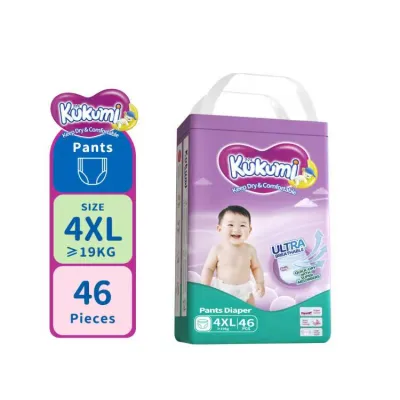
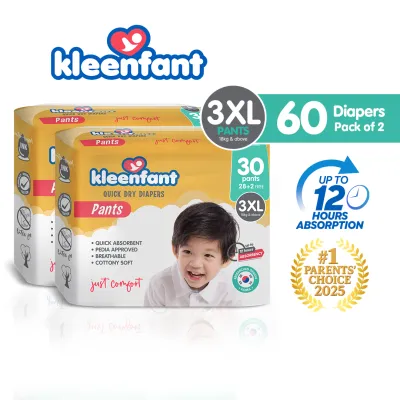
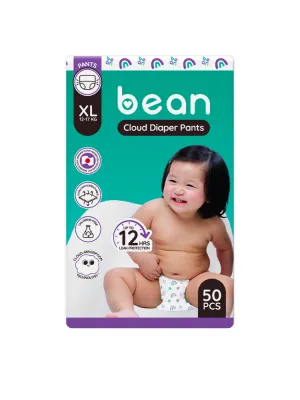
Prices are valid at publication and may change. Please refer to the product page for the latest price.
To find the correct fit, look beyond the weight range and check the manufacturer’s specific dimension charts, which are often available on official brand websites or product packaging. These charts provide measurements for waist circumference, hip width, and thigh openings, which are far more accurate indicators of fit than weight alone. Measuring your toddler with a soft tape measure before purchasing can save you from buying a pack that is too tight or too loose.
For instance, some brands design their 4XL pants with a longer rise to cover taller toddlers, while others focus on a wider waist to accommodate rounder tummies. If your toddler has chunky thighs or a prominent belly, a diaper with a higher weight rating might still feel restrictive if the physical dimensions do not match their build. Always verify the exact size chart provided by the manufacturer before purchasing a large quantity, as size naming conventions vary widely.
Comparing Fit and Comfort for Larger Toddlers
Active toddlers require diaper pants that offer both flexibility and secure containment, especially during vigorous play. The waistband design is one of the most critical structural elements to evaluate when comparing Pampers, Huggies, and Kleenfant Equator. A high-quality waistband should feature soft, multi-strand elastic that stretches easily to accommodate movement without digging into the skin.

When trying a new brand, check your toddler’s tummy and hips after a few hours of wear. If you notice deep red marks, the waistband may be too tight or lack sufficient elasticity for their body shape, which can cause discomfort and restrict movement. Caregivers should supervise how the diaper behaves during play to ensure it does not slide down or bunch up.
Leg cuff design is equally important for preventing leaks, particularly around the thighs where gaps are common. Look for double-layered leak guards that sit flat against the skin and gently hug the thighs without binding. These guards act as a physical barrier against liquid, which is essential when your toddler sits, crawls, or climbs. If the leg cuffs are too loose, liquid can easily escape before the core has time to absorb it.
The overall cut and rise of the diaper pants determine how well they stay in place as your toddler moves. A diaper with a low rise may sag when wet, pulling the waistband down and increasing the risk of leaks at the back. Conversely, a diaper with a generous rise provides better coverage and stays secure even during high-energy activities, ensuring your toddler remains comfortable throughout the day.
Evaluating Absorbency and Skin Protection
In warm, humid tropical conditions, managing moisture is vital for maintaining your toddler’s skin health. The core technology of the diaper pants must quickly draw wetness away from the skin and lock it inside the absorbent core to prevent diaper rash. When reviewing product packaging, look for details on the core construction, such as channels that distribute liquid evenly or superabsorbent polymers designed for rapid absorption.
Some brands optimize their 4XL pants for daytime mobility with a thinner core, while others focus on maximum capacity for overnight use. Breathability is another key factor in skin protection, as trapped heat and moisture can quickly lead to irritation. Check the packaging for mentions of breathable backsheets or micro-pores that allow air to circulate while keeping wetness contained.
Many modern diaper pants include a wetness indicator—a color-changing strip on the outside—which helps caregivers monitor when a change is needed without having to pull the diaper open. While dermatological testing claims and hypoallergenic labels provide some reassurance, individual skin reactions vary, so direct observation of your toddler’s skin remains the most reliable test. If persistent redness or irritation occurs, stop use and consult a qualified healthcare professional.
Assessing Value and Cost Per Diaper
Managing the household budget is a priority for many families, and diapering costs can add up quickly, especially in larger sizes like 4XL where packs typically contain fewer pieces. To determine the true value of each brand, caregivers should look beyond the retail price of a single pack. A practical way to compare costs is to calculate the cost per piece by dividing the total price of the pack by the number of diapers inside.
For example, if a pack costs ₱600 and contains 30 diapers, the cost per piece is ₱20. This calculation allows you to compare Pampers, Huggies, and Kleenfant Equator on an equal footing. However, the cheapest option per piece is not always the most cost-effective in the long run. If a lower-priced diaper leaks frequently or has lower absorbency, you may find yourself changing your toddler more often, which increases overall diaper consumption.
A slightly more expensive diaper that lasts longer and prevents leaks can ultimately offer better value by reducing the total number of changes per day. To optimize your spending, look for bulk packaging options or bundle deals on major e-commerce platforms and online marketplaces. Purchasing larger boxes during official brand promotions can significantly lower the cost per piece, but it is wise to do this only after you have confirmed that the brand fits your toddler well.
Decision Framework: Which 4XL Diaper Pants Should You Choose?
Selecting the right 4XL diaper pants involves matching your toddler’s unique physical build and your family’s daily routine with the specific strengths of each brand. Because every child is shaped differently, a diaper that works perfectly for one toddler might cause leaks or discomfort for another. Caregivers should use a trial-and-error approach to find the best match.
Consider trying Pampers 4XL pants if your toddler has an active build and you prefer a highly elastic waistband that stretches smoothly around the waist and hips. This brand’s design is often favored for its flexible fit, which can be verified by observing how the diaper moves with your child during play. It is a solid option for toddlers who need a snug yet non-restrictive fit around the waist.
Evaluate Huggies 4XL pants if your toddler has rounder thighs and requires robust leg guards to prevent side leaks. The structure of the leg cuffs and the overall rise of the diaper can provide a secure seal that accommodates thicker legs without causing friction or red marks. This design is particularly useful for toddlers who experience frequent side leaks during active movement.
Choose Kleenfant Equator 4XL pants if you are looking for a balance of generous sizing and budget-friendly cost-per-piece. This option is particularly suitable for families who want to manage daily diapering expenses while ensuring their toddler has a comfortable, full-coverage fit. It serves as a practical choice for daytime wear when changes are more frequent.
Before committing to bulk purchases or large boxes, always buy a small trial pack of the brand you wish to test. This allows you to evaluate the fit, absorbency, and skin compatibility in real-world conditions, especially if your toddler is transitioning between sizes or has sensitive skin. Remember to stop use immediately if you observe any signs of skin irritation or allergic reactions.
Frequently Asked Questions (FAQ)
When should I transition my toddler to 4XL diaper pants?
You should consider transitioning your toddler to 4XL diaper pants when you notice physical signs that the current size is too small. These signs include persistent red marks around your toddler’s waist or thighs after removing the diaper, indicating the elastic is too tight. Frequent leaks or blowouts, even when the diaper is put on correctly, also suggest that the absorbency and coverage of the current size are no longer sufficient. Additionally, if the diaper pants feel tight or are difficult to pull up over your toddler’s hips, it is time to check the manufacturer’s size chart for an upgrade.
Can I use 4XL diaper pants overnight for heavy wetters?
Standard 4XL diaper pants can be used overnight, but their performance depends on your toddler’s wetting patterns and the diaper’s specific core capacity. Check the product packaging for explicit overnight or extended-hour absorbency claims, as some designs are specifically reinforced for long sleep periods. If you experience morning leaks, you might consider adding a compatible booster pad to increase capacity, or adjusting the fit to ensure a tighter seal around the legs. Monitoring your toddler’s skin dryness in the morning will help you decide if the current brand is sufficient or if a change in size or style is necessary.

Community discussion
Share your experience or ask a question. Comments are reviewed before publication.