
Finding the right XXL diaper pants for an active toddler involves balancing reliable leak protection, skin comfort in tropical humidity, and household budget constraints. While Pampers, Huggies, and Equator are popular choices in the market, no single brand offers a universal solution for every child. The ideal choice depends on your toddler’s unique body shape, skin sensitivity, and your family’s daily routine. By systematically evaluating fit, absorbency features, material breathability, and the actual cost per piece, you can select a diaper pant that keeps your toddler dry and comfortable throughout the day and night.
Is XXL the Right Size for Your Toddler?
Transitioning to XXL diaper pants is a significant milestone that usually aligns with your toddler’s increased mobility and growth. Before committing to this larger size, it is essential to verify the manufacturer’s weight ranges printed on the packaging of Pampers, Huggies, and Equator. These ranges serve as a primary guide, but they often overlap with smaller or larger sizes. Because every toddler distributes weight differently, relying solely on the weight number on the box may not guarantee a perfect fit.
Observing physical signs during daily wear is often more reliable than weight charts alone. Look closely for red marks or deep indentations around your toddler’s thighs, hips, or waist after removing their current diaper. Frequent leaks, especially during active play or overnight sleep, often indicate that the current size no longer has the capacity to contain your child’s output. Additionally, if the waistband sits too low on the belly or feels excessively tight when you slide two fingers underneath, it is time to transition to an XXL diaper pant.
Products mentioned in this guide
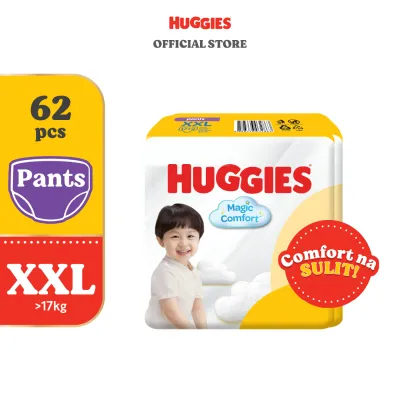
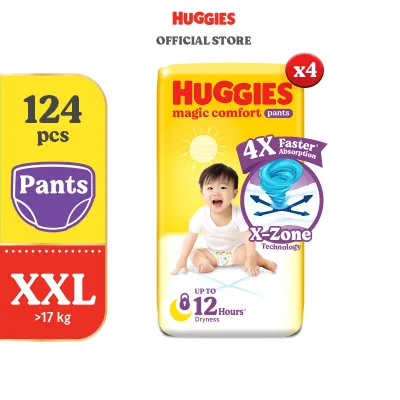
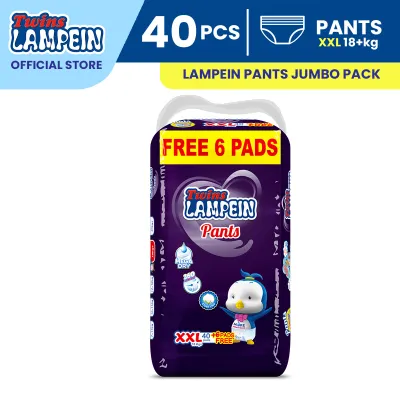
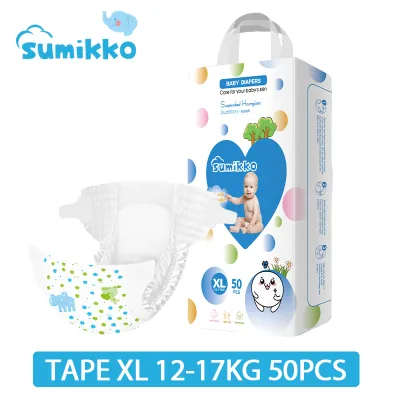
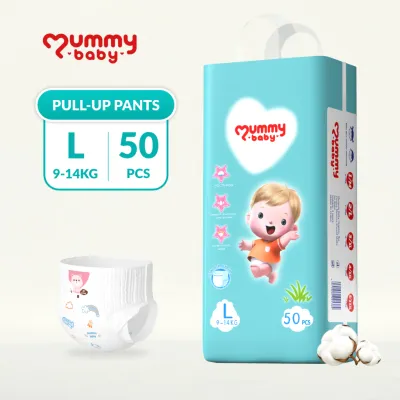
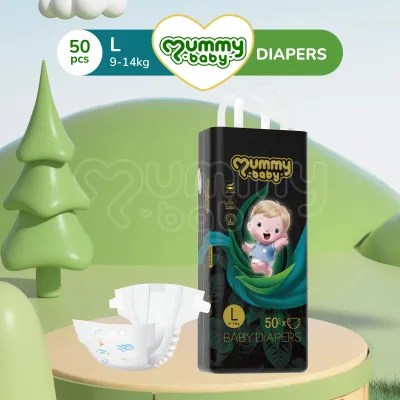
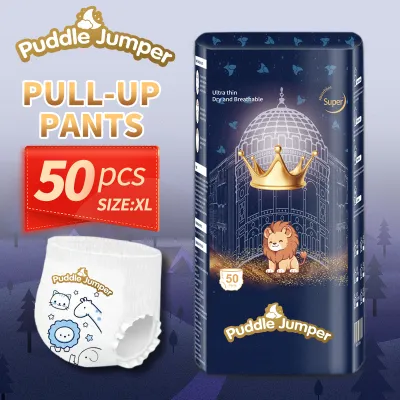
Prices are valid at publication and may change. Please refer to the product page for the latest price.
Keep in mind that sizing standards vary slightly between brands. An XXL diaper pant from Pampers may have a different cut, rise, or waistband elasticity compared to one from Huggies or Equator. For instance, some brands design their pants with a narrower crotch area for sleeker movement, while others prioritize a wider, more traditional coverage. Always check the specific weight and sizing guidelines on each brand’s packaging before purchasing a new pack, as assuming uniform sizing across brands can lead to poor fit and unexpected leaks.
Comparing Absorbency and Leak Protection
Absorbency is the core function of any diaper pant, especially for older toddlers who produce larger volumes of urine. When comparing Pampers, Huggies, and Equator, start by examining the packaging for details on their core absorbency technologies. Manufacturers often highlight features like specialized distribution channels, superabsorbent polymer cores, or multi-layer systems designed to draw moisture away from the skin quickly. Understanding these terms helps you identify how each brand intends to manage wetness during extended wear.

Beyond the internal core, the physical design of the leg cuffs and waistband plays a critical role in preventing leaks. Inspect the elastic gathers around the legs to ensure they feature double-barrier cuffs that sit snugly in the groin creases. The height of these gathers is particularly important for containing sudden, high-volume wetness. Additionally, evaluate the waistband’s elasticity; a secure, high-waisted design prevents the diaper pant from sagging or shifting when your toddler runs, climbs, or sleeps.
To truly evaluate absorbency, establish a practical testing routine at home rather than relying solely on marketing claims. Observe how the diaper pant behaves after a full night of sleep or during a long afternoon nap. Check if the outer cover feels damp to the touch, which can indicate moisture transfer, or if the core clumps and sags heavily between the toddler’s legs. A high-performing diaper pant should distribute wetness evenly across the core, maintaining its shape and keeping your toddler’s skin dry to the touch even when full.
Material, Breathability, and Skin Comfort
In tropical climates where heat and humidity are constant challenges, diaper breathability is vital for maintaining healthy skin. High temperatures can trap sweat and moisture inside the diaper, creating an environment prone to diaper rash and irritation. When evaluating Pampers, Huggies, and Equator, carefully read the ingredient and material labels on the packaging. Look for explicit mentions of hypoallergenic materials, dermatological testing, or the absence of added fragrances, latex, and elemental chlorine.
Take the time to physically inspect the outer and inner cover materials of each diaper pant. Feel the texture of the inner liner that directly contacts your toddler’s skin; it should feel soft, smooth, and free of rough edges. Examine the weave of the outer cover to see if it features micro-pores or a breathable mesh-like structure that allows air to circulate while keeping wetness locked inside. A stiff or plastic-like outer cover is more likely to trap heat and cause friction against your toddler’s active legs.
During a trial period with any new brand, closely monitor your toddler’s skin for any signs of redness, chafing, or localized irritation. Pay special attention to the waistband and leg cuff areas where friction is most common. If you notice persistent redness, bumps, or discomfort, stop using that specific brand immediately. Always establish a clear rule to consult a pediatrician or qualified healthcare professional if skin irritation persists or worsens, as they can provide personalized guidance on managing diaper dermatitis.
Evaluating Cost-Effectiveness and Value
Managing the household budget requires a clear understanding of the true cost of diapering. Because XXL diaper pants are larger, manufacturers package fewer pieces per pack compared to smaller sizes, which can quickly increase your monthly expenses. To make an accurate comparison between Pampers, Huggies, and Equator, calculate the exact price per piece (‛). Divide the total retail price of the pack by the number of diaper pants inside. This simple calculation reveals the unit cost, allowing you to compare value directly across different pack sizes.
When purchasing, compare the unit cost of bulk boxes against smaller trial packs. Bulk boxes purchased from official brand stores or major local supermarkets often offer a lower price per piece, making them highly cost-effective for long-term use. However, smaller trial packs are invaluable when testing a new brand for the first time. Investing in a large bulk box before verifying the fit and skin compatibility can lead to wasted money if the diaper pants do not suit your toddler’s body shape or skin.
Additionally, factor in the hidden costs associated with diaper performance. A cheaper diaper pant that leaks frequently or causes skin irritation may require more frequent changes, extra laundry, and additional skincare products like barrier creams. Conversely, a slightly more expensive diaper pant that offers superior overnight protection might reduce the total number of diaper changes needed per day. Balancing the initial purchase price with the practical daily performance ensures you achieve genuine long-term value.
Making the Final Choice for Your Toddler
Selecting the right XXL diaper pant involves applying a conditional decision framework tailored to your toddler’s specific needs and your family’s priorities. If your primary goal is a highly flexible fit with specific observed features like wetness indicators or extra-stretchy waistbands, Pampers may be your preferred option. If your toddler has a unique body shape that requires a different cut, wider coverage, or highly robust leg cuffs to prevent blowouts, Huggies might offer the ideal structural design. If your focus is budget optimization and straightforward leak protection for daytime use, Equator provides a practical, cost-conscious alternative.
Before committing to a large bulk purchase of any brand, always buy a small trial pack first. This approach allows you to test the diaper pant’s fit, absorbency, and skin compatibility in real-world conditions without a significant financial commitment. Observe how the diaper performs during active daytime play and long overnight stretches, noting any signs of sagging, leakage, or skin redness.
Finally, remember that diapering needs are dynamic. A toddler’s body shape, physical mobility, and bladder capacity change rapidly as they grow and transition toward potty training. A brand that fits perfectly this month may require reassessment next season. Periodically review your toddler’s comfort, skin health, and the diaper’s performance to ensure your chosen XXL diaper pant continues to deliver the best balance of comfort and value.
Frequently Asked Questions (FAQ)
How do I know when it is time to move up from XXL diaper pants?
Knowing when to transition out of XXL diaper pants involves monitoring both physical indicators and your toddler’s developmental progress. If your toddler consistently exceeds the maximum weight limit listed on the XXL packaging, or if you observe persistent leaks, sagging, and tight waistbands that leave deep red marks, they have likely outgrown this size. At this stage, you may need to look for larger specialty sizes, or transition to pull-up training pants designed for active potty training. These training pants offer a more underwear-like fit and are engineered to help toddlers learn to pull them up and down independently.
Can I mix different brands of XXL diaper pants for day and night use?
Mixing different diaper brands for daytime and nighttime use is a highly practical and cost-effective strategy for many families. You can use a more economical brand, such as Equator, during the day when diaper changes are frequent and easily managed. For overnight use or long outings, you can switch to a premium brand like Pampers or Huggies that features enhanced absorbency cores and robust leak barriers. If you adopt this mixed-brand approach, monitor your toddler’s skin closely to ensure they tolerate both materials well, as switching between different textures and elastic designs can sometimes cause localized friction or irritation.

Community discussion
Share your experience or ask a question. Comments are reviewed before publication.