
Finding the right diaper for an active toddler is a major milestone in early parenthood. As your child grows more mobile, standard taped options often give way to the convenience of pull-up pants. In the Philippines, three prominent options frequently fill supermarket shelves and online shopping carts: Pampers, Huggies, and Equator. Each of these brands approaches diaper design with a slightly different philosophy, balancing elasticity, core structure, and material softness to cater to different toddler lifestyles.
Because every child has a unique body shape, skin sensitivity level, and wetting pattern, there is no single diaper that works perfectly for every household. Without direct clinical trials or laboratory testing at our disposal, parents must rely on observable design features, packaging specifications, and hands-on trial observations. This guide provides a practical, step-by-step framework to help you compare Pampers, Huggies, and Equator XL pants diapers, allowing you to make an informed decision based on your toddler’s specific daily needs and your household budget.
Decoding XL Sizing and Fit Differences
Choosing the correct diaper size is crucial for preventing leaks and ensuring your toddler can move freely. The extra-large (XL) size is generally designed for toddlers who have outgrown large sizes, but weight ranges on packaging are only starting points. Because children of the same weight can have vastly different waist and thigh proportions, you must evaluate how the diaper actually sits on your child’s body. If your toddler is approaching the upper limit of their current size, or if you notice frequent leaks despite proper application, it is likely time to step up to an XL pants diaper.
Products mentioned in this guide
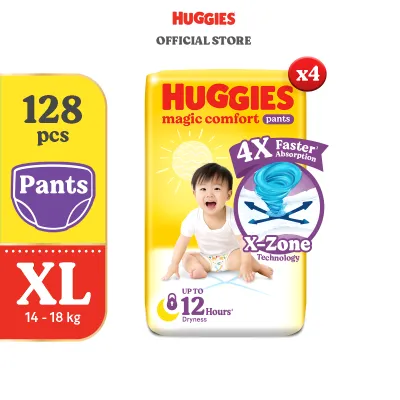
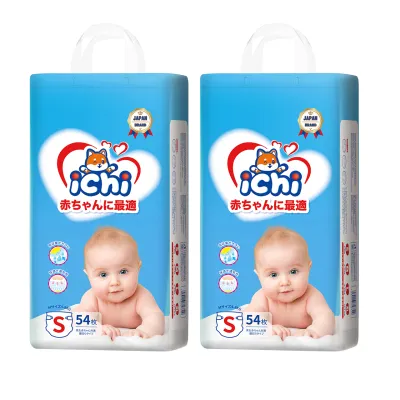
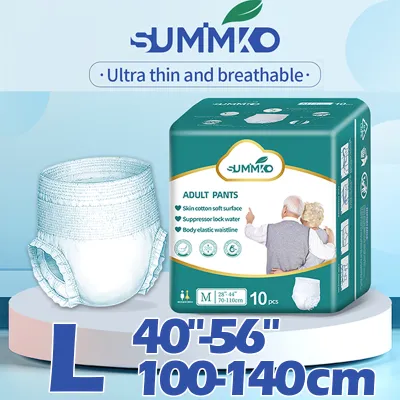
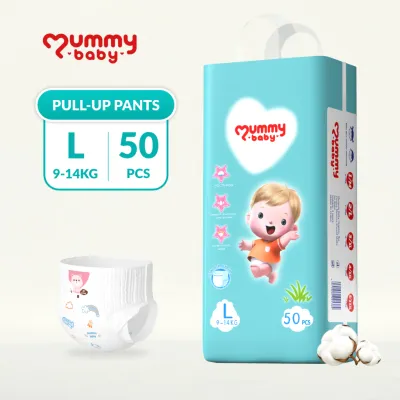
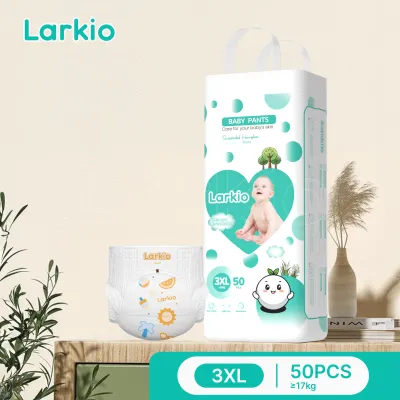
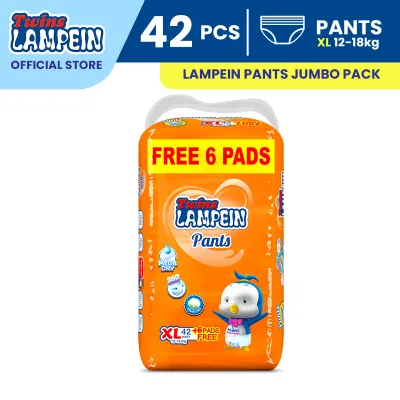
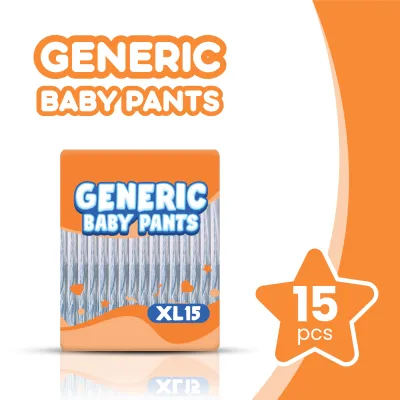
Prices are valid at publication and may change. Please refer to the product page for the latest price.
When you unbox a new pack of XL pants, the first physical feature to inspect is the waistband. A high-quality waistband should offer a balance of secure hold and gentle stretch. Gently pull the waistband of a Pampers, Huggies, or Equator diaper to assess its elasticity. A waistband with high elasticity and a higher rise will sit comfortably above the hips, which helps keep the diaper in place during active play. Conversely, a lower rise might feel less restrictive for some toddlers but could slide down if the diaper becomes heavy.
Next, examine the leg cuffs, which serve as the primary barrier against side leaks. Run your fingers along the inner and outer elastic bands of the leg openings to check their flexibility. The cuffs should feel soft to the touch and stretch easily without feeling stiff. In tropical climates like the Philippines, where high humidity and heat can cause toddlers to sweat more around their waist and thighs, stiff or overly tight elastics can quickly lead to skin chafing.
Monitoring your toddler during and after wear is the most reliable way to assess fit. Look for physical signs of a poor fit, such as deep red marks or indentations on the inner thighs or around the waist. These marks indicate that the elastic is too tight or that the diaper size is too small. On the other hand, if you notice gaps between the diaper and your child’s skin when they bend or sit, or if the diaper sags significantly even when dry, the fit is too loose. This mismatch can easily lead to messy leaks during active daytime movements.
Evaluating Absorbency and Leak Protection Features
Absorbency is the core function of any disposable diaper, and evaluating it requires looking closely at the internal construction. When comparing Pampers, Huggies, and Equator, take a moment to feel the thickness and distribution of the absorbent core. Some diapers utilize a thin, highly compressed core designed to distribute wetness evenly along channels, preventing the diaper from sagging in one spot. Other designs rely on a thicker, more traditional pulp-based core that may feel bulkier but offers a different style of containment.

To evaluate these features at home, gently press your hand against the inside of a fresh diaper to feel the distribution channels. These channels are designed to draw liquid away from the center and spread it throughout the front and back of the diaper. Additionally, inspect the height of the double leg barriers. Higher, more prominent barriers provide a stronger physical wall against sudden, heavy wetness, which is especially important for active toddlers who run, climb, and jump throughout the day.
Many modern XL pants diapers feature a wetness indicator—a colored line on the outside of the diaper that changes hue when wet. While highly convenient, the reliability of these indicators can vary depending on manufacturing batches, storage conditions, and local humidity levels. In highly humid environments, moisture in the air can sometimes cause the indicator to change color slightly even before the diaper is worn. Therefore, while the indicator is a helpful visual cue, it should not replace a physical check of the diaper’s weight and fullness.
It is also important to recognize the limits of standard disposable pants. If your toddler is a heavy overnight wetter, even the most absorbent standard XL pants diaper may reach its capacity before morning. In such cases, rather than constantly switching brands in search of a universal solution, you might need to consider supplemental strategies. Adding a diaper booster pad or transitioning to a dedicated overnight diaper product can provide the extra capacity needed to ensure a dry, comfortable night’s sleep.
Material Comfort and Skin Sensitivity Checks
A toddler’s skin is delicate, and constant contact with moisture and friction can easily trigger irritation. When evaluating Pampers, Huggies, and Equator, start by physically feeling the inner top sheet—the layer that directly touches your baby’s skin. Run your fingers across the surface to compare the texture. Some sheets have a textured, cotton-like feel designed to minimize direct skin contact, while others are completely smooth. The ideal texture depends on your toddler’s preference and how their skin reacts to friction.
Next, carefully read the packaging or the manufacturer’s official product descriptions to check for added ingredients. Some brands infuse their inner sheets with mild lotions, aloe vera, or light fragrances to help protect the skin or mask odors. However, if your toddler has highly sensitive skin or a history of eczema, these added substances can sometimes act as triggers for contact dermatitis. If you prefer to avoid additives, look for options that explicitly state they are fragrance-free or hypoallergenic, and verify these claims on the packaging.
Despite careful selection, diaper rash can still occur due to prolonged exposure to wetness, friction, or a reaction to a specific material. Establish a clear protocol for monitoring your child’s skin health. If you notice persistent redness, small bumps, or signs of discomfort that do not improve with regular diaper cream and frequent changes, stop using the current brand immediately. If the irritation persists or worsens over several days, consult a qualified pediatrician to obtain a proper diagnosis and treatment plan.
Assessing Price, Pack Size, and Value
Managing a household budget requires looking beyond the initial price tag of a diaper pack and calculating the actual cost per piece. To do this, divide the total price of the pack by the number of diapers inside. For example, if a pack costs ₱600 and contains 40 diapers, the cost per piece is ₱15. Because prices fluctuate based on promotions, retail locations, and online discounts, checking the official brand stores on e-commerce platforms or visiting local supermarkets in the Philippines will give you the most accurate, up-to-date pricing.
When testing a new brand, always opt for smaller trial packs first, even if they have a slightly higher cost per piece. Buying a massive bulk box of XL pants before confirming that the fit and material suit your toddler can lead to significant waste if the diaper causes leaks or skin irritation. Once you have verified that a specific brand works well for your child, transitioning to larger bulk packs or jumbo boxes is generally the most cost-effective strategy.
Additionally, remember to factor in hidden costs that can affect the overall value of your purchase. When shopping online, shipping fees can quickly erase any savings you gain from a discount. Look out for minimum spend requirements that qualify your order for free delivery, or consider utilizing subscription services offered by official brand stores, which often provide a reliable discount on recurring deliveries. Balancing these factors ensures you get the best possible value without compromising on your toddler’s comfort.
Making the Final Choice: A Conditional Framework
Selecting the right XL pants diaper comes down to matching a brand’s specific design strengths with your toddler’s unique physical needs and your family’s budget. There is no universal winner, but a structured decision framework can guide your trial process. By observing how each diaper performs in real-world conditions, you can identify the option that provides the most reliable protection and comfort for your child.
You may want to choose Pampers if your trial observations show that your toddler benefits from its specific waistband elasticity and smooth inner sheet texture. This brand is often a strong candidate for parents who prioritize a snug, flexible fit that moves easily with an active child while keeping the skin relatively dry during daytime play.
Alternatively, Huggies may be the right choice if you find that its leg cuff design and core distribution channels align better with your toddler’s specific body shape and wetting patterns. If your child tends to experience side leaks during heavy movement, the physical structure of this brand’s barriers might offer the precise containment you need.
If your primary goal is to find a practical balance between cost and daily performance, Equator may be the most suitable option. This brand is ideal if its basic structural features and absorbency levels meet your toddler’s daily requirements without causing any skin sensitivity, allowing you to optimize your household budget.
Before making a bulk purchase of any brand, always verify if your toddler has known skin allergies or highly sensitive skin that might react to specific materials. Additionally, if your child has unusual body proportions—such as a very slim waist but chunky thighs—consult the manufacturer’s specific size and weight charts to ensure you are selecting the correct size. Taking these precautions will help you find a diaper that keeps your toddler happy, dry, and comfortable.
Frequently Asked Questions (FAQ)
When is the right time to switch from taped diapers to XL pants?
Transitioning from taped diapers to pull-up style XL pants is typically driven by your toddler’s developmental milestones rather than age alone. When your child becomes highly active—rolling, crawling, or standing up during diaper changes—securing the adhesive tapes of a traditional diaper can become an exhausting struggle. Pants diapers can be quickly pulled up while your toddler is standing, making the changing process much smoother. Additionally, if your toddler has reached the upper weight limit of their current taped diaper, or if the waist tabs no longer meet comfortably without pulling tight, it is a clear physical sign to step up to an XL pants diaper. When putting them on, always ensure you pull the diaper all the way up and check that the toddler’s legs are fully through the cuffs to prevent immediate leaks.
Can I mix different brands of XL pants in the same day?
Yes, mixing different brands of XL pants throughout the day is generally safe, provided your toddler’s skin tolerates the materials of each brand. Many parents use this strategy to optimize their budget, utilizing a more basic, cost-effective diaper like Equator for frequent daytime changes and a diaper with different core features like Pampers or Huggies for longer outings or naps. However, if you choose to mix brands, it is wise to keep a mental or written log of which diaper your child is wearing at any given time. If a sudden diaper rash or a leak occurs, knowing which brand was worn during that period makes it much easier to identify the specific cause. Keep in mind that sizing is not perfectly standardized; an XL in one brand may fit slightly tighter or looser than an XL in another, so monitor the fit of each brand individually.
What should I do if the XL size still leaks at night?
If your toddler is already wearing an XL size and still experiences persistent nighttime leaks, start by troubleshooting the physical fit. Ensure the waistband is not folded inward and that the inner leg cuffs are fully pulled out rather than tucked against the skin, as these minor misalignments are common causes of leaks. Next, evaluate your toddler’s fluid intake before bedtime; a large cup of water or milk right before sleep can easily exceed the maximum absorbency capacity of any standard diaper. If the fit is correct and fluid intake is managed, consider exploring alternative solutions. Adding a diaper booster pad can significantly increase absorbency, or you can transition to a specialized overnight diaper designed for extended wear. If the excessive wetting continues or is accompanied by other symptoms, consult a pediatrician to rule out any underlying medical causes.

Community discussion
Share your experience or ask a question. Comments are reviewed before publication.