
There is no single “best” brand for every toddler, as the fit, absorbency, and leak protection of XL diaper pants depend entirely on your child’s specific body shape, thigh thickness, and activity level. In a tropical climate like the Philippines, where high humidity and heat can exacerbate skin friction and moisture buildup, finding the right diaper pants becomes even more critical. Active toddlers who are walking, running, and climbing require a secure fit that moves with them without causing chafing or sagging. This guide provides a practical framework to verify the specifications, design features, and materials of Pampers, Huggies, and Equator diaper pants. By focusing on observable fit indicators and checking manufacturer labels, you can make a conditional choice tailored to your toddler’s daily comfort and your household budget.
Choosing diaper pants in the Extra Large (XL) size category often marks a transition phase where toddlers are highly active and potentially starting potty training. During this stage, the diaper must function both as an absorbent garment and as underwear that can be easily pulled up and down. However, because manufacturers use different sizing molds and design philosophies, an XL diaper from one brand may fit completely differently from another. Instead of relying on generic marketing claims, parents can look at specific structural elements—such as waistband elasticity, leg cuff barriers, and core distribution channels—to determine which option matches their child’s physical build.
Understanding XL Sizing and Weight Ranges Across Brands
When selecting diaper pants, the “XL” label on the packaging is only a starting point rather than a universal standard. Each brand designs its products based on proprietary sizing molds, which means the physical dimensions can vary significantly. To avoid leaks and discomfort, caregivers must check the manufacturer’s stated weight range printed on the packaging or official online store listings before purchasing. These weight ranges often overlap between sizes (such as Large and XL, or XL and XXL), allowing room for adjustment based on a child’s unique proportions.
Products mentioned in this guide
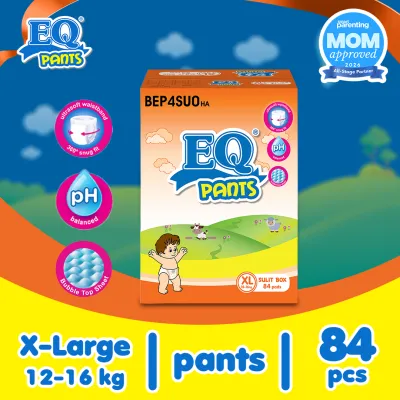
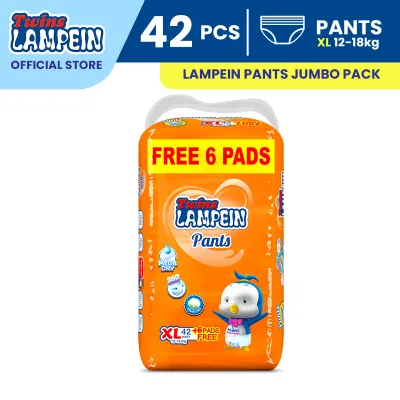
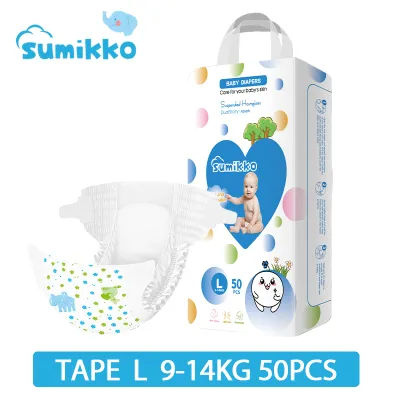
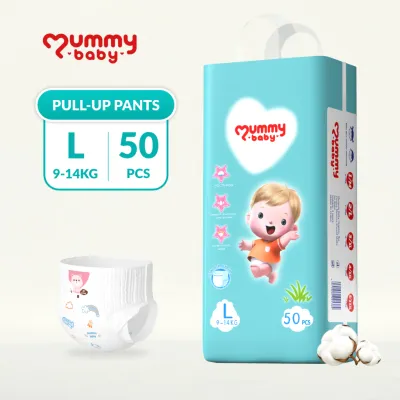
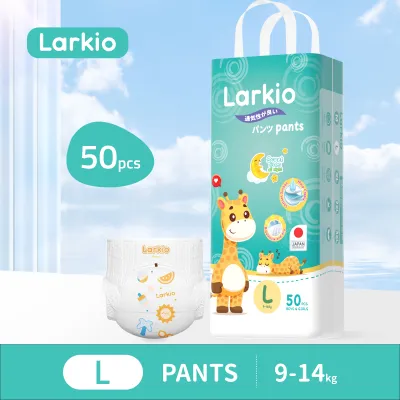

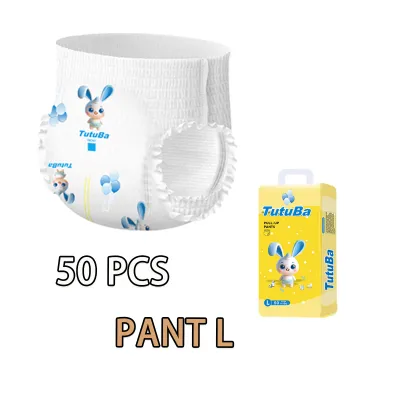
Prices are valid at publication and may change. Please refer to the product page for the latest price.
A toddler’s weight is not the sole indicator of a proper fit; physical build plays an equally important role. For instance, a toddler with a rounder belly or thicker thighs might experience tightness in an XL diaper that fits a taller, leaner toddler of the same weight perfectly. When evaluating Pampers, Huggies, and Equator, it is helpful to compare the physical cut and rise of the diaper pants. The rise—which is the distance from the crotch to the waistband—determines how high the diaper sits on the torso. A diaper with a short rise may slide down during active play, while one with an excessively high rise might bunch up at the waist, leading to gaps.
Because sizing standards are brand-specific, parents often find that a toddler fits comfortably in an XL from one brand but requires a size adjustment when switching to another. For example, if you are transitioning from Pampers to Huggies or Equator, do not assume the XL size will offer the exact same coverage or snugness. If product specifications or user manuals are accessible on official brand websites, check for measurements such as unstretched and fully stretched waistband widths. Observing these details helps prevent the common mistake of buying bulk packs of a new brand only to find they do not align with your child’s current growth stage.
Comparing Fit and Waistband Design
The waistband of a diaper pant is the primary anchor that keeps the garment secure during a toddler’s daily movements. In warm, humid environments, a waistband must balance elasticity with breathability to prevent sweat accumulation and skin irritation. When examining Pampers, Huggies, and Equator diaper pants, look closely at the structural design of the pull-up style waistband. A high-quality waistband should feature multiple strands of fine elastic encased in soft, breathable non-woven fabric, allowing it to stretch smoothly over the hips and contract gently around the waist without digging into the skin.

To evaluate the waistband’s performance, observe how the diaper sits on your toddler’s waist during active play, such as crawling, squatting, or climbing. If the waistband constantly rides down, bunches up, or leaves deep red elastic marks on the skin, the fit is incorrect. A waistband that is too tight can restrict movement and trap moisture, while one that is too loose will sag when wet, increasing the risk of gravity-induced leaks. The ease of tearing the side seams for quick removal is another practical design feature to check, as some brands design their side seams to tear easily while others require more effort.
Equally important to the waistband are the leg cuff barriers, which serve as the final defense against leaks around the thighs. Toddlers have highly diverse leg shapes, ranging from lean and muscular to wonderfully chubby. Leg cuffs must feature elastic gathers that create a gentle, secure seal around the thigh contour. When putting on the diaper pants, always run your finger around the leg openings to ensure the inner cuffs are flared outward rather than tucked inward. If the elastic is too weak, gaps will form when the toddler moves; if it is too tight, it can cause chafing and discomfort in the sensitive groin area.
Evaluating Absorbency and Leak Protection Features
Absorbency is a critical factor that directly affects both skin dryness and leak prevention, especially during long wear times or overnight sleep. Modern diaper pants utilize superabsorbent polymers (SAP) mixed with wood pulp or synthetic fibers to lock moisture away from the skin. When comparing Pampers, Huggies, and Equator, review the manufacturer’s claims regarding their absorbent core structure. Many brands design specific channels within the core to distribute liquid evenly, preventing the diaper from sagging or clumping in one spot when wet.
In addition to the core technology, the presence of standing leak guards around the legs is essential for containing sudden, high-volume wetness. These guards are vertical barriers made of hydrophobic material that stand up when the diaper is worn, acting as a dam to hold liquid until the absorbent core can draw it in. For toddlers who sleep on their backs or stomachs, look for reinforced waistband barriers or extended absorbent zones at the front or back of the diaper. These features help prevent back-leaks, which are common when a toddler is lying down for extended periods.
To match the diaper to your toddler’s needs, distinguish between daytime active use and overnight requirements. During the day, a lighter, more breathable diaper pant that prioritizes mobility and rapid absorption is often ideal, as caregivers change diapers more frequently. For overnight use, a diaper with a higher stated capacity and enhanced moisture-locking layers is necessary to ensure uninterrupted sleep. Check the packaging for wetness indicators—color-changing lines on the outside of the diaper—which provide a quick visual cue to help you monitor wetness levels without disturbing your child.
Skin Sensitivity and Material Considerations
A toddler’s skin is significantly thinner and more sensitive than adult skin, making it highly susceptible to irritation, friction, and diaper dermatitis. In tropical climates, sweat and trapped moisture can quickly break down the skin’s natural barrier, leading to painful rashes. Therefore, inspecting the material declarations and skin-care claims on the packaging is a vital step before introducing any new diaper brand. Look for explicit labels indicating that the materials are hypoallergenic, dermatologically tested, or free from potential irritants such as added fragrances, parabens, elemental chlorine, and heavy lotions.
The topsheet—the innermost layer that directly contacts the toddler’s skin—should be evaluated for its softness and breathability. A topsheet with a textured or quilted pattern can help minimize the surface area in direct contact with the skin, reducing friction during movement. It also allows air to circulate more freely, helping to dissipate heat and moisture. When handling the diaper pants, feel the inner lining to assess its softness; a stiff or scratchy material can cause micro-abrasions on active toddlers, especially around the waist and inner thighs.
Despite a brand’s marketing claims of being skin-safe or organic, every child’s skin chemistry is unique. A diaper that works perfectly for one toddler might cause a reaction in another due to individual sensitivities to specific materials or manufacturing processes. Caregivers must monitor the diaper area regularly for any signs of redness, warmth, or small bumps. If persistent redness, rash, or irritation occurs, discontinue use of that specific brand immediately and consult a pediatrician or qualified healthcare professional to address the issue safely.
Decision Framework: Choosing the Right XL Diaper Pants
Selecting the right diaper pants involves balancing your toddler’s physical characteristics, skin sensitivity, and your household’s budget. Because there is no universal winner, a conditional decision framework can guide your choice based on observable needs. By evaluating the specific design strengths of Pampers, Huggies, and Equator, you can match the diaper to your child’s daily routine and body shape.
Consider Pampers XL diaper pants if your toddler has a leaner build and you have verified that their specific cut and rise align well with your child’s torso. Pampers is often noted for its thin, flexible design and channel technology, making it a strong candidate for active daytime wear where mobility is a priority. Ensure you check the packaging to confirm that the specific line’s material features and fragrance levels are compatible with your toddler’s skin sensitivity.
Opt for Huggies XL diaper pants if your toddler has a rounder belly or thicker thighs that require a highly elastic, accommodating waistband and robust leg cuff design. Huggies often features a secure, snug fit that helps prevent gaps during vigorous movement. This design is particularly useful if you have observed leaks around the thighs or waist with other brands, as the reinforced elastic gathers help maintain a consistent seal without restricting comfort.
Choose Equator XL diaper pants if you are looking for a practical balance of standard absorbency and overall value per diaper. Equator can be an excellent choice if their stated weight range and core structure align with your toddler’s typical urination volume, and you prefer a straightforward, cost-effective option for regular daytime changes. This brand is highly suitable for households that maintain a frequent changing schedule, which is a key practice for preventing diaper rash in humid climates.
Regardless of which brand seems most promising on paper, avoid purchasing large bulk boxes initially. The most reliable way to verify fit and performance is to purchase a small trial pack first. Test the diaper pants in real-world conditions—observing how they perform during a long afternoon nap, an active play session, and overnight. Check for skin redness, sagging, or leaks after use. Once you have confirmed that a specific brand fits your toddler comfortably and keeps their skin dry, you can confidently transition to bulk purchases to optimize your household budget.
Frequently Asked Questions (FAQ)
How do I know if my toddler needs to size up from XL diaper pants?
You can identify the need to size up by observing several physical signs during daily wear. Look for deep, persistent red marks or indentations left by the elastic waistband or leg cuffs on your toddler’s skin, which indicate the diaper is too tight. Frequent leaks, blowout incidents, or the diaper sagging excessively even when only slightly wet are also strong indicators. Additionally, if the diaper’s rise no longer covers the waistline properly, or if your toddler’s weight has reached the upper limit of the manufacturer’s stated XL range, it is time to transition to a larger size or try a brand with a more generous cut.
Can I mix different brands of diaper pants for daytime and overnight use?
Yes, mixing different diaper brands for daytime and overnight use is a highly practical and safe strategy, provided that each brand fits your toddler correctly. Many parents choose a lighter, highly breathable, and more flexible diaper pant for active daytime play to maximize comfort and mobility. For overnight sleep, they switch to a brand that features a thicker, high-capacity absorbent core and reinforced leak guards to handle longer wear times. This approach allows you to optimize your diaper budget by using more cost-effective options during the day when changes are frequent, while investing in premium protection for uninterrupted night rest.

Community discussion
Share your experience or ask a question. Comments are reviewed before publication.