
Deciding on the right 100-piece diaper pants bundle for your baby involves balancing upfront costs with daily performance, fit, and skin compatibility. While buying in bulk offers convenience and potential savings, committing to a single brand like Pampers, Huggies, or Equator requires careful consideration of your baby’s current growth rate and physical needs. The ideal choice is not simply the cheapest bundle, but the one that consistently prevents leaks, fits comfortably without leaving red marks, and keeps your baby’s skin dry throughout the day and night. By evaluating how each brand performs under real-world conditions, you can make an informed decision that protects both your baby’s comfort and your household budget.
Understanding the 100-Piece Bundle Value Proposition
Purchasing a 100-piece diaper pants bundle is a significant commitment that requires assessing your baby’s current growth trajectory. Babies grow rapidly, particularly during their first year, and their weight can shift them into a new diaper size faster than you might expect. Before ordering a large bundle, calculate your baby’s average daily diaper usage to estimate how many weeks the 100-piece supply will last. If your baby is already near the upper weight limit of their current size, buying a bulk pack might result in leftover diapers that are too tight, leading to unnecessary waste.
Environmental factors also play a critical role when managing a large inventory of disposable diapers. In tropical climates where humidity levels are consistently high, storing a bulk supply requires extra care to prevent moisture absorption before the diapers are even worn. High humidity can compromise the integrity of the adhesive tapes, weaken the elastic waistbands, and even trigger wetness indicators prematurely. To maintain the quality of your bulk purchase, keep the diapers sealed in their original packaging and store them in a cool, dry, elevated space away from direct sunlight and damp walls.
Products mentioned in this guide
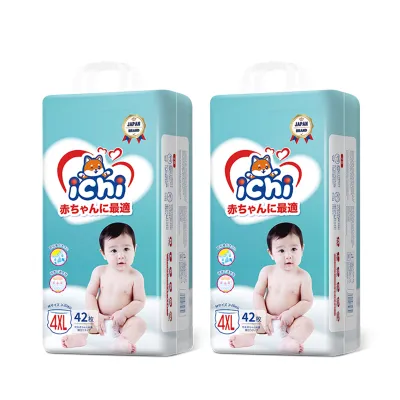
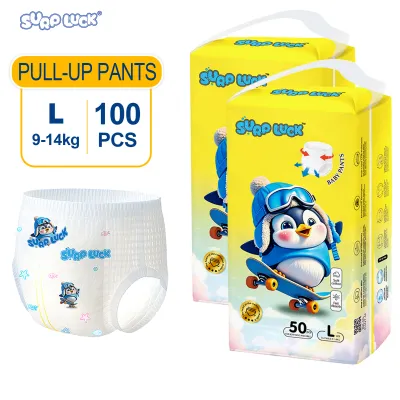
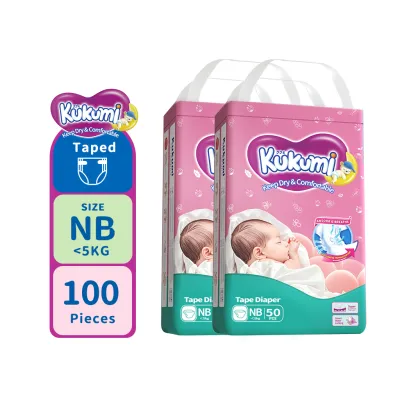
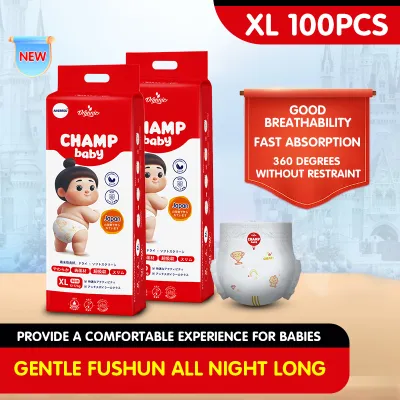
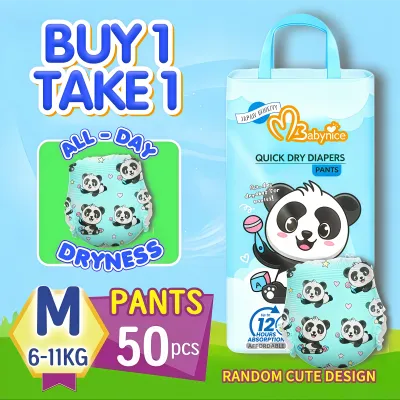
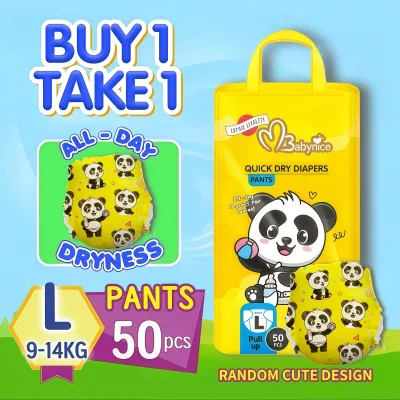
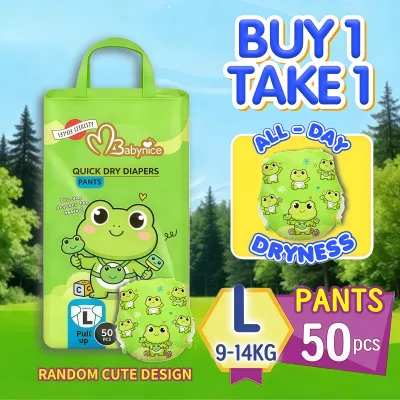
Prices are valid at publication and may change. Please refer to the product page for the latest price.
Additionally, it is essential to verify the contents of your bundle immediately upon delivery. Check that the packaging is fully sealed and that the size printed on the outer box matches the individual packs inside. Occasionally, bulk bundles may consist of multiple smaller packs grouped together, so counting the total number of pieces ensures you received exactly what you paid for. Confirming these details early allows you to address any packaging errors or size discrepancies with the seller before you need to use the diapers.
Comparing Core Performance: Absorbency and Leak Protection
Absorbency is the primary defense against leaks and skin irritation, making it a critical factor when comparing Pampers, Huggies, and Equator. To evaluate absorbency without relying on marketing slogans, start by reading the product packaging to identify the core materials used. Most modern diaper pants utilize Super Absorbent Polymers (SAP) mixed with cellulose pulp to lock moisture away from the skin. Look for descriptions of the core construction, such as channel designs or distribution layers, which help spread liquid evenly rather than letting it pool in one spot.

Real-world tracking is the most reliable way to assess how well a diaper handles liquid volume over several hours. Caregivers should observe how the diaper performs during different times of the day, particularly during long overnight stretches compared to active daytime play. An effective diaper should keep the baby’s skin dry to the touch even when the diaper itself is heavily saturated. If you notice frequent leaks during naps or overnight sleep, it may indicate that the absorbent core is reaching its capacity too quickly or that the liquid is not distributing efficiently.
Physical inspection of a used diaper provides valuable clues about its structural integrity. After your baby wets the diaper, check for sagging, clumping, or shifting of the absorbent material inside. Diapers that clump excessively can restrict your baby’s movement and create gaps around the legs where leaks can easily occur. A high-quality diaper core should hold its shape and distribute wetness evenly across the entire absorbent zone, ensuring your baby remains comfortable and dry until the next change.
Evaluating Fit, Comfort, and Skin Sensitivity
A diaper’s fit is just as important as its absorbency, as even the most absorbent core will leak if the waistband or leg cuffs do not seal properly. Diaper pants rely heavily on the elasticity of the waistband to stay secure while your baby crawls, walks, or plays. When trying a new brand from your bundle, inspect the waistband and leg cuffs for flexibility and softness. The elastic should stretch easily to accommodate your baby’s movements but remain snug enough to prevent gaps at the back and thighs.
Caregivers must actively monitor their baby’s skin for physical signs of friction or pressure. Red marks around the waist or thighs indicate that the elastic is too tight, which can cause discomfort and restrict circulation. Conversely, loose leg cuffs are a primary cause of messy blowouts, especially during active play or when your baby is sitting. Finding the right balance requires comparing how different brands cut their diaper pants, as some designs favor babies with rounder bellies, while others are better suited for babies with slimmer thighs.
Skin sensitivity is another crucial variable that varies significantly from one baby to another. Before committing to a 100-piece bundle, read the product labels to check for hypoallergenic certifications, fragrance-free formulations, and dermatological testing. Introducing a large volume of diapers to a baby with sensitive skin carries a risk of contact dermatitis or diaper rash if the materials do not agree with their skin chemistry. If you notice persistent redness, irritation, or a rash after switching to a new brand, stop using the diapers immediately and consult a pediatrician or qualified healthcare professional for guidance.
Price Breakdown and Cost-Per-Diaper Analysis
To determine the true value of a 100-piece diaper pants bundle, you must look beyond the initial checkout price and calculate the cost per individual piece. This calculation is straightforward: divide the total price of the bundle by 100. For example, if a bundle costs ₱850, the cost per diaper is ₱8.50. Performing this simple math allows you to compare Pampers, Huggies, and Equator on an equal footing, regardless of any promotional packaging or temporary discounts that might make one brand seem cheaper at first glance.
When purchasing bulk bundles from online marketplaces or official brand stores, remember to factor in additional expenses such as shipping fees. Because a 100-piece bundle is bulky and relatively heavy, shipping costs can vary significantly depending on your location. Look for opportunities to offset these costs, such as using free shipping vouchers, purchasing during platform-wide sale events, or meeting minimum spend thresholds. A bundle that appears cheaper on paper may end up costing more than its competitors once high shipping fees are added to the final total.
Finally, compare the calculated cost per piece of the bulk bundle against the cost per piece of smaller, standard retail packs of the same brand. While bulk buying generally offers a lower unit price, this is not always the case during special promotions or clearance sales on smaller packs. Verifying that the 100-piece bundle actually delivers a lower cost per diaper ensures that you are receiving a genuine financial advantage for committing to a larger volume.
How to Decide: Matching the Bundle to Your Baby's Needs
Choosing the right diaper pants bundle requires matching your observations of your baby’s body shape, skin tolerance, and your household budget to the specific characteristics of each brand. If your baby has a body shape that aligns well with a contoured cut and you highly value visual cues for diaper changes, Pampers may be the suitable choice, provided you verify the current specifications on the packaging. Their design often focuses on a streamlined fit that minimizes bulkiness under clothing while maintaining reliable daily dryness.
If your baby is highly active, prone to sudden movements, or experiences frequent leaks around the legs and back, Huggies may be the more appropriate option. Their waistband and leg cuff designs are often structured to provide a secure, snug seal that holds up well against active play and helps prevent messy blowouts. Carefully inspect the elastic tension during the first few changes to ensure it provides a secure fit without leaving deep red marks on your baby’s skin.
For households where maximizing the monthly budget is the primary goal, Equator offers a practical solution by focusing on lowering the cost per diaper. This brand is highly suitable if your baby does not have severe skin sensitivities and you require a straightforward, functional diaper for regular daytime changes. Because daytime diapers are changed more frequently, choosing a budget-friendly option like Equator for daytime use can yield significant savings over time.
Before finalizing any bulk purchase, always verify if your baby is approaching the upper weight limit of their current diaper size. If they are within a kilogram of the next size up, it is wiser to purchase a smaller pack first or transition directly to the larger size bundle. This precaution prevents you from being left with dozens of unusable, tight diapers that can cause discomfort, leaks, and skin irritation.
Frequently Asked Questions (FAQ)
Can I mix different sizes in a 100-piece diaper pants bundle?
Standard 100-piece diaper pants bundles are typically packaged as a single size to streamline manufacturing and distribution. Because you cannot mix sizes within a single bulk box, buying these bundles is best reserved for periods when your baby’s growth has stabilized within a specific weight range. If your baby is currently transitioning between sizes, it is highly recommended to purchase smaller retail packs instead of a bulk bundle to avoid being left with unused diapers that your baby has outgrown.
How should I store a large diaper bundle to maintain quality?
To preserve the absorbency, elasticity, and overall quality of a large diaper bundle, store the packs in a cool, dry location away from direct sunlight and high humidity. In tropical environments, keeping the diapers elevated off the floor on shelves or inside plastic storage bins helps protect them from moisture and pests. Keep the original plastic packaging sealed until you are ready to use the diapers, as exposing the absorbent core to humid air over time can reduce its effectiveness when worn.

Community discussion
Share your experience or ask a question. Comments are reviewed before publication.