
Finding the right diaper for a newborn or infant involves more than just selecting a size based on weight. The reliability of a small diaper tape depends heavily on how well its observable tab design, stretch zones, and re-fastening mechanisms match your baby’s unique body shape and daily movement level.
In tropical climates where humidity and sweat can affect adhesive performance, understanding these physical features is crucial. Caregivers must look closely at packaging indicators for adhesive strength, stretchability, and edge smoothness to prevent skin irritation.
Because frequent diaper checks are necessary to keep a baby dry and comfortable, a tape’s ability to be opened and securely refastened without losing its grip is a key factor in daily usability. Always check manufacturer labels to verify skin-safe adhesives and hypoallergenic claims before making a final choice.
Products mentioned in this guide
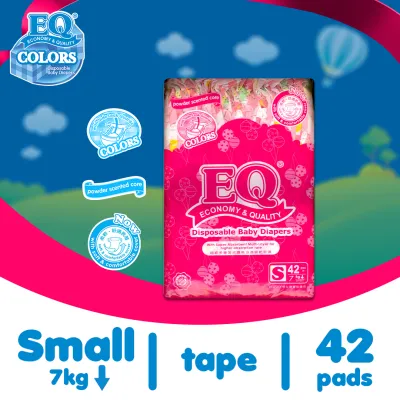
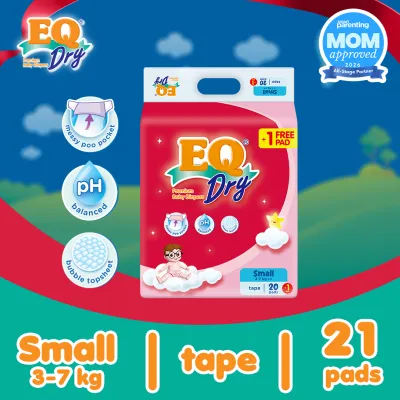
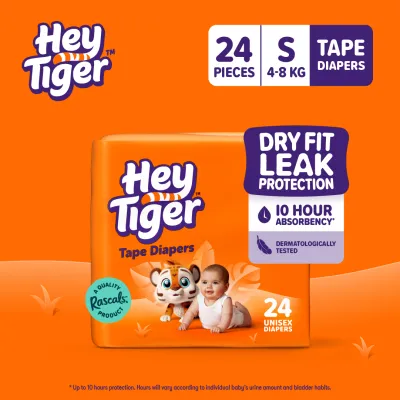
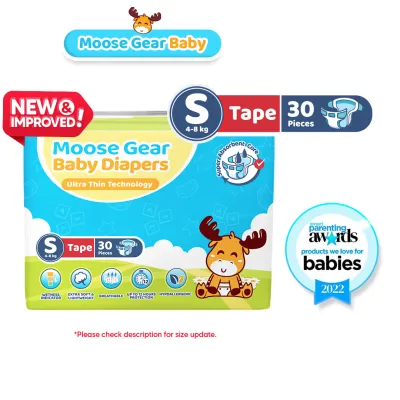

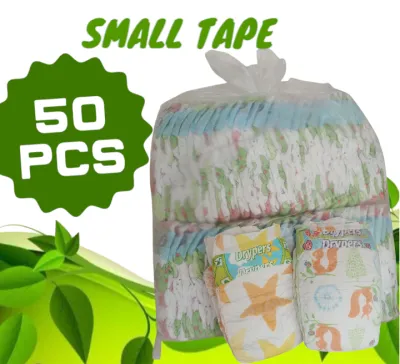
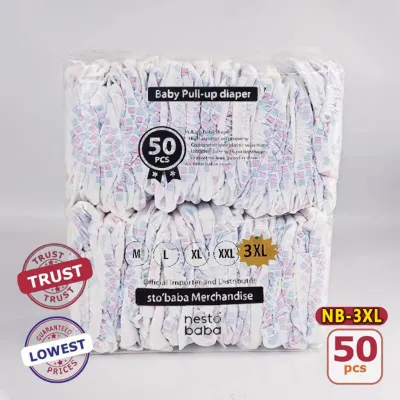
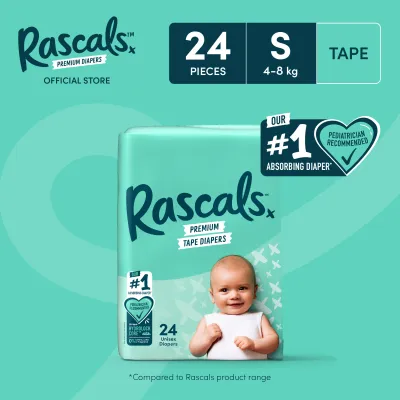
Prices are valid at publication and may change. Please refer to the product page for the latest price.
Core Criteria for Evaluating Small Diaper Tape
When evaluating small diaper tape, caregivers should focus on several physical and structural criteria that directly impact daily use. The first criterion is the physical design of the fastening tab itself. High-quality diaper tapes typically feature rounded edges rather than sharp, square corners. This design choice is critical because sharp corners can dig into an infant’s delicate skin, especially when they curl their legs or kick.
The smoothness of the tab material is another observable trait; it should feel soft to the touch to prevent friction-induced redness around the waist and thighs. A rigid tab can rub against the skin during movement, leading to localized chafing.
Another essential factor is the presence of stretch zones. These are elasticized areas located either within the tape tabs themselves or along the back waistband of the diaper. Stretch zones allow the diaper to expand and contract as the baby breathes, feeds, or moves. Without adequate stretch, a diaper tape might hold too tightly, causing discomfort, or fail to maintain a snug fit, leading to gaps and leaks. Caregivers should inspect the packaging for mentions of elasticized ears or flexible side panels.
Re-fastening capability is equally vital for small-size diapers. Newborns and young infants require frequent wetness checks, which often involve peeling back the tape to inspect the diaper’s interior. A reliable tape must maintain its grip after being opened multiple times. This requires a high-quality landing zone—the reinforced strip on the front of the diaper where the tapes adhere. If the landing zone or the tape adhesive is of low quality, the diaper may become unusable after just one check, leading to unnecessary waste.
Finally, skin safety must always be verified on the product packaging. Because the adhesive and the tab material come into close proximity with the baby’s skin, caregivers should look for explicit labels indicating that the materials are hypoallergenic, latex-free, and dermatologically tested. Since there are no universal standards for these terms, verifying these claims on the specific packaging of the batch you purchase is a necessary step to protect your baby’s sensitive skin.
Pampers vs Huggies vs Equator: Observable Tape Features
To understand how Pampers, Huggies, and Equator compare, caregivers can examine the physical design elements and packaging claims of each brand’s small-size diapers. Each manufacturer utilizes distinct structural approaches to secure the diaper around a small baby’s waist.

Pampers small-size diapers are widely recognized for their flexible fastening systems. On their packaging, Pampers typically highlights stretchable sides or “elastic ears.” These design features are intended to provide a highly adjustable fit that conforms to the baby’s waist. The tape tabs themselves are usually designed with soft, rounded edges to minimize skin friction. The landing zone on the front of the diaper often features printed graphics that serve as visual alignment guides, helping caregivers position the tapes symmetrically to ensure an even fit.
Huggies small-size diapers often feature a distinct fastening tab shape, sometimes referred to as a contoured or wide-grip tab. The packaging frequently highlights a secure-fit system designed to keep the diaper in place during active movement. Huggies tapes generally utilize a hook-and-loop style fastening mechanism rather than a simple sticky adhesive. This design is highly resistant to losing grip when exposed to baby oils, powders, or moisture. Additionally, Huggies packaging often notes the inclusion of a pocketed waistband or a stretchy back section to assist the tabs in maintaining a secure hold.
Equator diapers, which are often positioned as a practical and accessible option in the local market, focus on straightforward, functional tape designs. The packaging typically showcases wide fastening tabs and a broad landing zone to accommodate various waist sizes. While they may feature fewer complex elastic zones compared to premium alternatives, Equator tapes are designed to provide a solid, stationary grip. Caregivers should check the packaging for specific claims regarding tape adjustability and material composition, as these can vary by product line and batch.
To help visualize these differences, the following matrix compares the observable packaging claims and physical features of these three brands in their small sizes:
| Feature / Claim | Pampers (Small) | Huggies (Small) | Equator (Small) |
|---|---|---|---|
| Primary Fastening Type | Adhesive with flexible side panels | Hook-and-loop style contoured tabs | Wide adhesive tabs |
| Stretch Features | Elasticized side ears highlighted on pack | Stretchy back waistband and tabs | Standard non-stretch or basic stretch tabs |
| Landing Zone Guides | Visual alignment graphics printed on front | Centered landing strip with grip texture | Broad, smooth landing zone |
| Skin Safety Claims | Hypoallergenic, dermatologically tested labels | Hypoallergenic, elemental chlorine-free labels | Basic skin-friendly material claims |
Note: Always verify the specific claims, certifications, and materials on the packaging of the exact pack you purchase, as manufacturers may update their designs and specifications.
Real-World Fastening Scenarios and Adjustability
In daily life, a baby’s body shape and movement patterns dictate how well a diaper tape performs. Babies come in all shapes and sizes; some have chunky thighs and round bellies, while others are slender with longer torsos. A diaper tape that works perfectly for one baby might fail on another due to these anatomical differences.
For instance, babies with chunky thighs require diaper tapes that can be angled upward to prevent the leg cuffs from cutting into their skin. Conversely, slender babies need tapes that can be fastened snugly near the center of the landing zone without overlapping or causing the waistband to bunch up.
In warm and humid climates, baby sweat and the application of barrier creams or powders are common. These environmental factors can severely challenge diaper tape performance. If a caregiver’s fingers have trace amounts of baby oil, zinc oxide cream, or moisture when fastening the diaper, traditional sticky adhesives can lose their grip instantly. In these scenarios, hook-and-loop style fasteners tend to perform more reliably because they rely on mechanical friction rather than chemical adhesion.
Frequent diaper checks are another reality of infant care. Caregivers must regularly peel back the tape to check for wetness or stool. If the tape adhesive is too aggressive, it may tear the diaper’s outer cover upon peeling, rendering the diaper unfastenable. If the adhesive is too weak, it will fail to stick a second time. Caregivers should observe how easily the tape releases and whether it retains enough tackiness to secure the diaper again.
Signs of tape failure are easy to spot if you know what to look for. Peeling edges on the fastening tabs are an early warning sign that the tape is losing its grip. If you notice red marks or indentations on your baby’s hips or thighs, the tabs may be too rigid or fastened too tightly. The most obvious failure is when a tab pops open entirely during active movement, such as when the baby kicks their legs or rolls over. This can lead to immediate leaks and diaper displacement.
How to Check Tape Integrity and Prevent Leaks
Ensuring a secure fit requires a systematic approach every time you change your baby’s diaper. By performing quick visual and tactile checks, you can prevent leaks and ensure your baby remains comfortable.
First, after placing the diaper under your baby, pull the front half up over their belly. Ensure the waistband sits just below the belly button to prevent irritation. Pull the tape tabs forward with gentle, even tension. When securing the tabs to the landing zone, press down firmly across the entire surface of the tab to ensure a complete bond.
Second, perform a quick symmetry check. The tapes should be fastened at equal distances from the center line of the diaper. Most brands print numbers or symbols on the landing zone to help you align the tapes accurately. If one tape is fastened higher or further to the side than the other, the diaper will sit crookedly, creating gaps around the opposite leg opening where leaks can easily escape.
Third, check the tension of the waistband. You should be able to slide two fingers comfortably between the diaper waistband and your baby’s tummy. If you cannot fit two fingers, the diaper is too tight and may cause discomfort or skin marks. If there is a gap wider than two fingers, the diaper is too loose, and liquid waste may leak out of the back when the baby is lying down.
Finally, run your finger around the leg cuffs to ensure the inner guards are flared outward rather than tucked inside. If the diaper tape consistently fails to adhere, peels off immediately, or tears the diaper material during normal fastening, stop using that specific batch. Inspect the tabs for manufacturing defects, such as missing adhesive or misaligned hook-and-loop strips. If you suspect a product defect, keep the packaging with the batch number and contact the manufacturer’s customer service department to report the issue.
Decision Framework: Choosing the Right Brand for Your Baby
Selecting the best diaper tape brand for your small baby involves matching your daily routine and your baby’s physical traits to the specific design strengths of each brand. No single diaper is perfect for every infant, so a conditional approach is the most practical path.
Consider choosing Pampers if your baby is highly active or has a body shape that requires significant flexibility around the waist. The stretchable side panels and elastic ears highlighted on Pampers packaging are designed to move with your baby, making them highly suitable for infants who kick frequently or experience belly expansion after feeding.
Opt for Huggies if your changing routine involves frequent diaper checks or if you regularly use baby oils, lotions, and powders. The contoured tab shapes and hook-and-loop style fastening mechanisms are designed to resist losing grip when exposed to moisture or oils, ensuring the diaper remains secure even after being opened and closed multiple times.
Select Equator if your baby has standard waist proportions and you prefer a straightforward, wide-tab design that provides a stable, stationary hold. The wide fastening tabs and broad landing zone offer a reliable grip for babies who do not require highly specialized elastic zones.
Regardless of which brand you choose, always prioritize skin safety. Before purchasing a large quantity, buy a small pack to verify if the baby has sensitive skin. Check the packaging for specific hypoallergenic, fragrance-free, or dermatologically tested labels. If you observe any persistent redness, rash, or irritation around the areas where the diaper tape contacts the skin, stop using the brand immediately and consult a qualified pediatrician or healthcare professional.
Frequently Asked Questions (FAQ)
Can I reuse the same diaper if the tape didn't stick properly the first time?
Re-fastening a diaper is generally acceptable only if the diaper is completely clean, dry, and unused. If you opened the diaper to check for wetness and found it dry, you can re-secure the tapes. However, you should avoid trying to reuse the diaper or its tapes if the adhesive has come into contact with baby oils, lotions, moisture, or powders. These substances coat the adhesive surface, permanently compromising its grip and making the diaper prone to popping open. Always check the manufacturer’s specific packaging guidelines regarding re-fastening limits and instructions.
Why do the tape tabs keep popping open on my active baby?
Tape tabs frequently popping open is usually a sign of improper alignment, contamination, or incorrect sizing. If baby creams, oils, or sweat get onto the landing zone or the tape tabs, the adhesive will fail. Additionally, if the diaper is too small, the tension across the waist will exceed the tape’s holding capacity, causing it to snap open when the baby moves. Ensure you are fastening the tapes symmetrically on the landing zone without wrinkles. If the issue persists despite correct application, it may be time to size up or try a brand with a different fastening mechanism, such as hook-and-loop tabs.

Community discussion
Share your experience or ask a question. Comments are reviewed before publication.